What Is Type 2 Diabetes? Symptoms, Causes, and Treatments
Comprehensive information for you or a loved one — including treatment options and discounts on popular medications.

Type 2 diabetes is a common and serious medical condition. It affects an estimated 40 million people in the U.S — about 12% of the population.
Type 2 diabetes develops when the body is unable to produce or use insulin. Insulin is a hormone that helps the body process glucose (sugar). When there’s not enough insulin, or your body can’t use it properly, the sugar levels in your blood rise higher than what’s safe.
Diabetes is a lifelong condition. It can develop at any time in your life, and it often doesn’t have any symptoms in the early stages of the disease.
In this guide, we include information to help you to understand:
Your risk for developing diabetes
How you can be screened and tested for diabetes
Lifestyle changes that decrease your risk of developing diabetes, reverse the stages of early diabetes, or keep you healthy if you live with diabetes
Treatment options for Type 2 diabetes
Complications that can develop from diabetes and steps you can take to prevent them
Type 2 diabetes isn’t the only type of diabetes, but it’s by far the most common. It affects about 90% to 95% of all people with diabetes.
There are several different types of diabetes:
Type 2 diabetes
Gestational diabetes (diabetes that’s diagnosed in pregnancy)
Other rare types of diabetes (for example, diabetes related to medications or problems with the pancreas)
Some types of diabetes are temporary or reversible, like prediabetes and gestational diabetes. Other types are long term and permanent, like Type 1 and Type 2 diabetes.
The different types of diabetes are more like a spectrum, rather than distinct categories. And people can have more than one type of diabetes. For example, someone with Type 1 diabetes can also develop Type 2 diabetes. And someone with gestational diabetes is at higher risk for developing prediabetes and Type 2 diabetes down the line.
In both Type 1 and Type 2 diabetes there’s a problem with how your body makes or responds to insulin. In Type 2 diabetes, your pancreas makes insulin, but your body doesn’t respond to it as it once did.
On the other hand, Type 1 diabetes is an autoimmune disease that happens when your body destroys its own insulin-producing cells. So your pancreas stops making insulin or makes so little that you need to continually take insulin to stay alive.
In simple terms, Type 2 diabetes is caused by two problems: either the body doesn’t make enough insulin, or it doesn’t respond normally to insulin (sometimes referred to as insulin resistance). When your body can’t produce or respond to insulin properly, your blood sugar rises.
Type 2 diabetes also has a genetic link, and it tends to run in families. But other factors play an important role as well, such as:
Lack of physical activity
Metabolic syndrome, which is a collection of conditions that increase your risk of developing diabetes
Compare prices and information on the most popular Diabetes Type 2 medications.
Type 2 diabetes develops over time. Most people with mild or early diabetes don’t have any symptoms. This is why it’s so important to have regular checkups and blood tests for screening.
As blood sugar levels go up — and stay up — people will start to experience symptoms, like:
In rare cases, elevated blood sugar levels can lead to a life-threatening condition called diabetic ketoacidosis (DKA). This is often associated with:
Severe lethargy or fatigue
Confusion
Dizziness
Repeated episodes of vomiting
Type 2 diabetes is diagnosed with blood and urine tests.
The main tests used to diagnose diabetes are:
Fasting blood glucose test: This is performed at least 8 hours after your last meal. A normal fasting blood glucose is less than 100 mg/dL.
Hemoglobin A1C (HbA1C or A1C) level: An A1C test measures how high your average glucose has been over time. Normal A1C is less than 5.7%.
Oral glucose tolerance test: This tests your blood sugar 2 hours after you consume sugar. A normal reading is less than 140 mg/dL.
These tests are typically used to screen for diabetes, even before you have symptoms. If you have symptoms of diabetes, your healthcare team will often first give you the following tests:
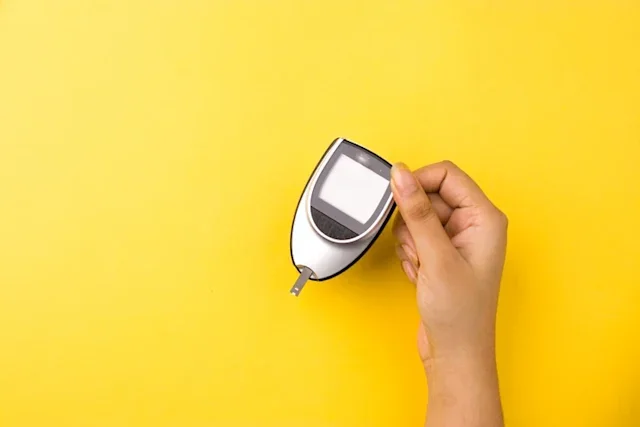
Fingerstick glucose: This is a quick way to measure your blood sugar levels with a finger prick and handheld monitor.
Random plasma glucose: This is slightly more accurate than a fingerstick test, and it allows your healthcare team to check your other electrolyte levels as well.
Type 2 diabetes treatment is often a combination of helpful lifestyle changes as well as medications.
Some lifestyle changes that are helpful for most people diagnosed with Type 2 diabetes include:
Weight loss
Exercise
Quitting smoking
Stress reduction
Healthy sleep habits
Some people can keep their blood sugar level in a safe range by making lifestyle changes. But many times, lifestyle changes along with medications are necessary. There are two main categories of medications for Type 2 diabetes:
Oral medications that help you respond better to your body’s existing insulin
Injectable insulins and injectable non-insulins that supplement the body’s lower-than-normal insulin levels and help it work better
Treatment starts with lifestyle change. Your healthcare team may add medications if and when you need them. It’s common that your treatment plan will change over time as your body’s insulin needs change. Your care team will help you figure out the right treatments for you.
When you need medications to help manage your blood sugar levels, there are two main categories: oral medications and injectable medications.
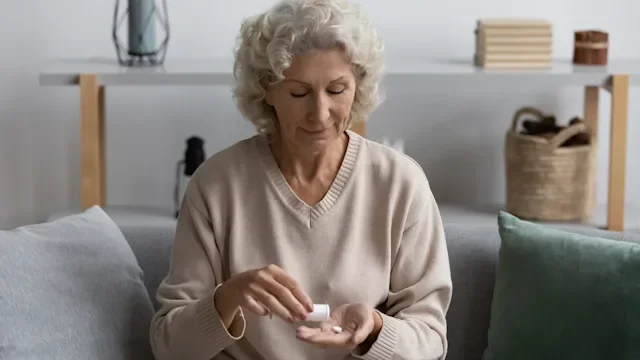
Oral medications help your body make more insulin, or respond better to your existing insulin. There are different types of oral medications, and some people take more than one. Examples of these include:
Sulfonylureas, like glipizide
Thiazolidinediones, like pioglitazone
Dipeptidyl peptidase-4 (DPP-4) inhibitors, like Januvia
Sodium-glucose cotransporter 2 (SGLT2) inhibitors, like Jardiance
There’s also a type of inhaled insulin that you can use alongside a long-acting injectable insulin.
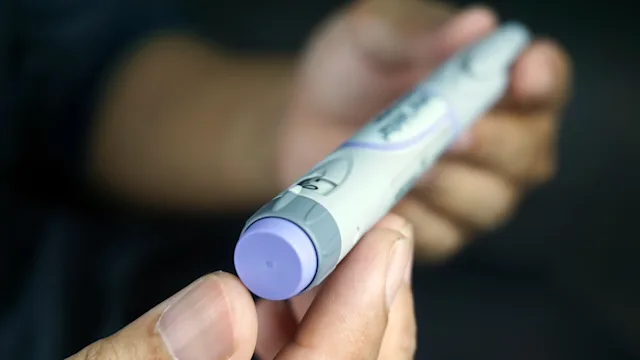
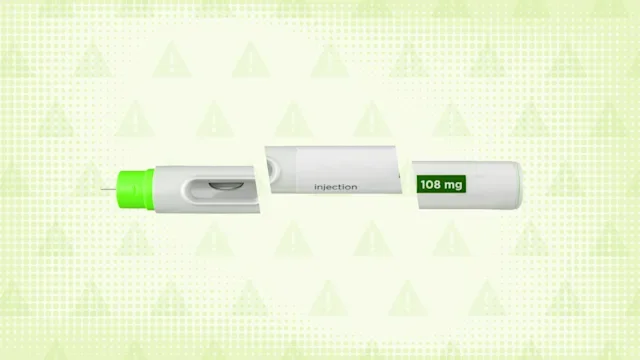
Sometimes, oral medications aren’t enough to keep your blood sugar down. You may need injectable medications as well. These require using a very small needle to inject medication underneath the skin.
There are different types of injectable medications: insulins and non-insulins.
Insulins supplement your body’s insulin levels when they’re too low. They’re categorized by how long they last in your body after you inject them:
Rapid-acting: lasts 1 to 2 hours
Short-acting: lasts 2 to 4 hours
Intermediate-acting: lasts 6 to 14 hours
Long-acting: lasts 24 hours
Ultra-long-acting: lasts 40 hours
Combinations of short- and long-acting: last 24 hours
Injectable non-insulins are medications that mimic other hormones associated with eating and storing energy. They can increase how much insulin your pancreas makes, slow down your digestive process, and lower how much glucose your liver releases.
Examples of non-insulin injectable medications include:
Diabetes can lead to medical emergencies from both high and low blood sugar levels. Examples of diabetes-related conditions that need immediate medical attention include:
Severe dehydration
Electrolyte abnormalities (for example, low sodium or potassium levels)
Diabetic ketoacidosis (DKA) or hyperosmolar hyperglycemic state (HHS)
Diabetes can lead to medical emergencies from both high and low blood sugar levels. Examples of diabetes-related conditions that need immediate medical attention include:
Severe dehydration
Electrolyte abnormalities (for example, low sodium or potassium levels)
Diabetic ketoacidosis (DKA) or hyperosmolar hyperglycemic state (HHS)
Yes. If you have diabetes, you’re more likely to have heart disease. This is because high blood sugar levels can damage the blood vessels that supply the heart. Checkups for your heart will be a regular part of your overall diabetes care.
People with diabetes also have a higher risk of heart disease and stroke. This is because high blood sugar damages your heart and blood vessels. This risk is made worse by the fact that many people with diabetes also have high blood pressure and high cholesterol. Many of the risk factors for all these conditions are the same. The good news is that eating a nutritious diet for your diabetes also helps to improve blood pressure and cholesterol.
No, there’s no cure for Type 2 diabetes. Treatments can help manage symptoms and lower the risk of complications, but they can’t make diabetes go away. However, some people with Type 2 diabetes may be able to go into remission. Remission isn’t the same thing as a “cure,” but it does mean your blood sugar has returned to a normal range.
Often, there aren’t clear warning signs of early or mild Type 2 diabetes. Testing may be the first warning that there’s an issue. If you do have high blood sugar, some warning signs may include:
Thirst
Dry skin and mouth
Frequent peeing
Fatigue
If you’re regularly experiencing any of these symptoms, connect with a healthcare professional and get tested for diabetes.
Gestational diabetes is diabetes that’s diagnosed in pregnancy. It’s caused by the natural hormonal changes and weight gain during pregnancy. The risk factors are the same as for Type 2 diabetes. So, women who have diabetes during pregnancy are also at risk of developing Type 2 diabetes after their pregnancy.
It’s rare, but other medical conditions can lead to diabetes, such as:
Conditions that affect the pancreas, which is the organ that produces insulin
Genetic diseases, such as cystic fibrosis and hereditary hemochromatosis
Hormone disease, such as polycystic ovary syndrome (PCOS), hyperthyroidism, acromegaly, and Cushing’s syndrome
American Diabetes Association. (n.d.). Diabetes diagnosis.
American Diabetes Association. (2019). Classification and diagnosis of diabetes: Standards of medical care in diabetes—2019.

Prescription savings
Stop paying too much for your prescriptions. Compare prices, get pharmacy coupons, and save up to 80%. Find expert answers to your health questions so you can make the best decisions for yourself and your family.
Health conditions
Medications & treatment
Access & affordability
 Our monthly healthcare membership can help you save thousands on your prescription costs.
Resources