Key takeaways:
Postnasal drip is caused by mucus draining from the nose or sinuses into the throat. It commonly occurs from allergies, sinus infections, or the common cold.
Symptoms of postnasal drip include nasal congestion, dripping mucus in your throat, and chronic cough.
Nasal steroid sprays, oral antihistamines, and pseudoephedrine are some of the many ways to help treat postnasal drip.
Save on related medications
Postnasal drip is one of the most common causes of chronic cough. If you’re coughing and also have nasal congestion, dripping mucus in your throat, or the need to frequently clear your throat, you may have postnasal drip.
Postnasal drip can be ongoing and quite disruptive, leaving many people asking: How do I stop postnasal drip? Let’s take a closer look at what causes postnasal drip, common symptoms, and the best medications and home remedies to treat it.
What is postnasal drip?
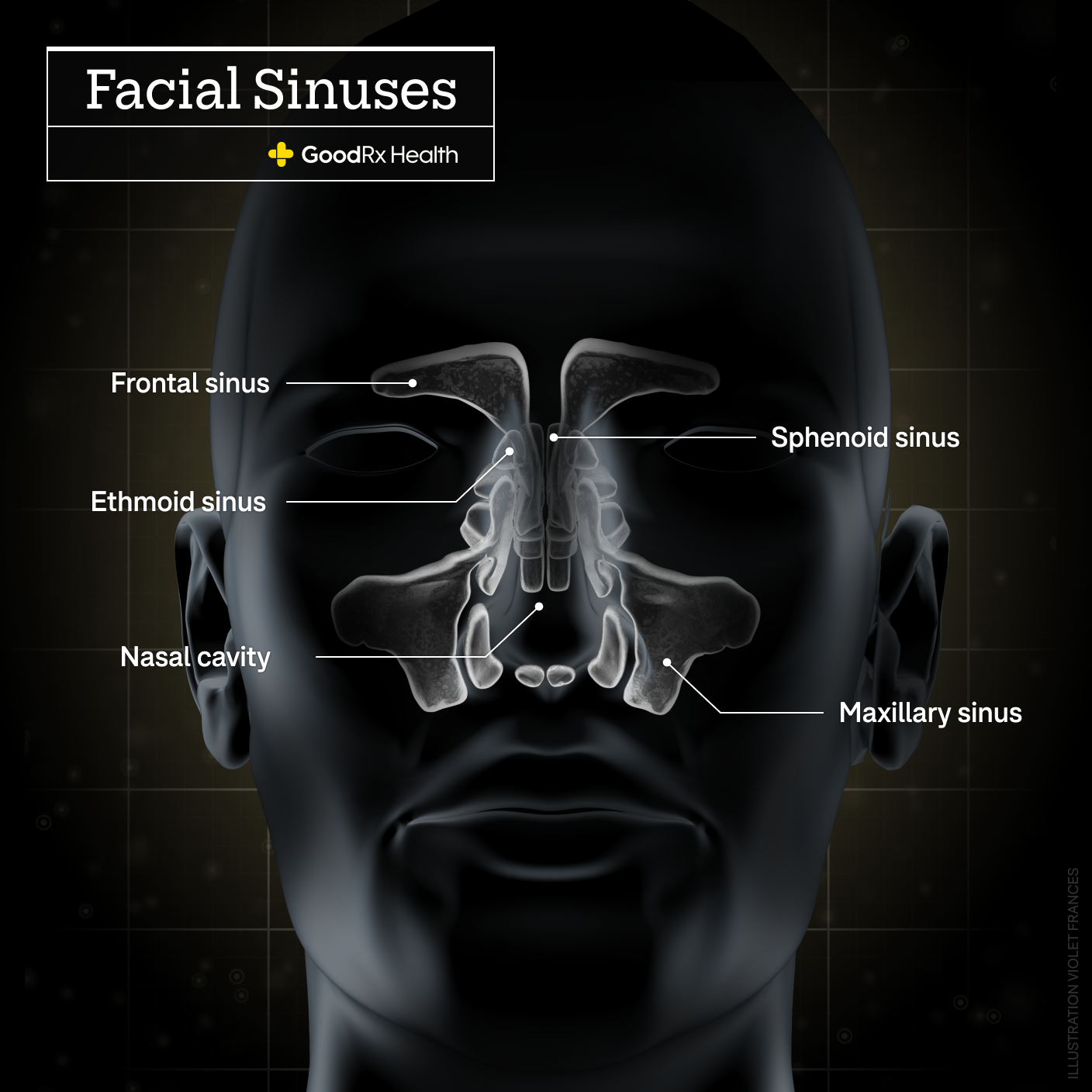
Postnasal drip is when mucus from your nose or sinuses drains into your throat. It can be caused by many different things, including allergies, gastroesophageal reflux disease (GERD), and infections. This can cause symptoms like:
Cough
Nasal congestion
Runny nose
Feeling of needing to clear the throat often
Sore or irritated throat
Hoarse voice
Search and compare options
7 ways to stop postnasal drip
A combination of home remedies and medications can help treat your postnasal drip. Medications include prescription drugs, as well as over-the-counter (OTC) products. Here are some options to consider.
1. Home remedies
Many times, it can be helpful to start with home remedies. These might include:
Staying hydrated, which can also help to thin mucus
Drinking warm, steamy fluids — like hot soups or teas
Using a humidifier or vaporizer to keep the air moist
Propping yourself up with extra pillows when you sleep to keep mucus from collecting in the back of your throat
Gargling with salt water
Using honey to soothe a cough
While these remedies can’t cure postnasal drip, they can help ease your symptoms. Talk to a healthcare professional to learn more about whether these postnasal drip remedies might be a good fit for you.
2. Saline nasal sprays and irrigation
Other safe ways to help relieve sinus and nasal congestion and postnasal drip include saline nasal sprays and irrigation. Saline solution is water that contains sodium chloride (salt). There are many OTC saline nasal sprays that you can use to keep the nose moist and reduce symptoms.
Nasal irrigation, on the other hand, involves flushing your sinuses with saline solution. You can make your own irrigation solution with sodium chloride packets mixed with boiled or distilled water. Or you can buy a pre-prepared saline wash kit, like a neti pot, at a pharmacy.

What’s causing your dry cough? Here are some common causes of dry cough, including postnasal drip, asthma, medications, and more.
Why does my cough get worse at night? Learn why a cough can often be worse overnight and what you can do to get a good night’s rest.
What home remedies can help with postnasal drip? Check out these home remedies that can ease your postnasal drip symptoms.
It’s very important not to use tap or shower water to make your saline wash, unless it has first been boiled and then has cooled. Although rare, flushing your sinuses with unboiled tap water can lead to a serious infection that can potentially affect the brain.
3. Prescription and OTC steroid nasal sprays
Steroid nasal sprays are a good first choice to treat postnasal drip. They’re often used for postnasal drip caused by inflammation, allergies, or infections. They can decrease inflammation and drainage in the nasal passages and sinuses.
Though they start working in just a few hours, it can still take a few days to get rid of your postnasal drip and cough. Steroid nasal sprays work best if you take them on a regular basis, rather than as needed.
Here’s a breakdown of some popular intranasal steroids.
OTC steroid nasal sprays are available without a prescription. These include:
Budesonide (Rhinocort Allergy)
Triamcinolone (Nasacort Allergy)
Mometasone (Nasonex)
Fluticasone propionate (Flonase)
Prescription steroid nasal sprays include:
Beclomethasone (Beconase)
Mometasone (Nasonex)
Fluticasone propionate (Flonase)
Keep in mind that older steroid nasal sprays, such as beclomethasone and triamcinolone, can be absorbed more readily into the bloodstream. So you may want to go for a newer steroid nasal spray like fluticasone if you already take a steroid medication like a pill or an inhaler. Be sure to check with a healthcare professional first, before starting a steroid nasal spray.
4. Prescription and OTC oral antihistamines
Antihistamines block the chemicals that cause allergy symptoms. These often help when the postnasal drip is caused by seasonal allergies. They can reduce swelling and congestion in the nasal passages and improve postnasal drip and cough.
There are two main types of oral antihistamines:
Older, first-generation antihistamines: Diphenhydramine (Benadryl) and chlorpheniramine are available OTC. Cyproheptadine is available through prescription.
Newer, second-generation antihistamines: Medications like loratadine (Claritin), fexofenadine (Allegra), levocetirizine (Xyzal), and cetirizine (Zyrtec) are available OTC. Desloratadine (Clarinex) is available by prescription.
Second-generation antihistamines are often preferred. That’s because first-generation antihistamines can have more side effects. Common side effects of antihistamines include fatigue and dry mouth. If you have any medical conditions, you’ll want to check with a healthcare professional before starting an antihistamine to make sure it’s safe for you.
5. Prescription and OTC nonsteroidal nasal sprays
Nonsteroidal nasal sprays are another good option for postnasal drip. These nasal sprays are recommended when the postnasal drip is caused by allergies or infection.
Here’s a breakdown of a few common ones and how they work:
Azelastine: Azelastine (Astelin, Astepro) is an antihistamine nasal spray that can reduce congestion and runny nose. When taken with intranasal steroids, it works very well for postnasal drip. Azelastine can cause sleepiness and headache. It’s available as prescription or OTC.
Ipratropium: Ipratropium (Atrovent) is a prescription medication that works by stopping the production of mucus. It can cause headaches and nasal irritation with use. It isn’t recommended for people who have an enlarged prostate or glaucoma.
Oxymetazoline: Oxymetazoline (Afrin) is a decongestant spray that shrinks the blood vessels in the nose to help relieve congestion. Though it’s available OTC, this medication should only be used for a day or two. Longer use may lead to more intense symptoms and side effects.
6. Pseudoephedrine
Pseudoephedrine, the active ingredient in Sudafed, is an oral decongestant. This medication shrinks the blood vessels in the nasal passages and helps relieve congestion. It’s helpful for postnasal drip caused by allergies or infection. You can get pseudoephedrine on its own. Or you can get it mixed in a medication that also contains an antihistamine, such as:
Loratadine / pseudoephedrine (Claritin-D)
Fexofenadine / pseudoephedrine (Allegra-D)
Although effective in treating postnasal drip, pseudoephedrine can cause the following side effects:
Jitteriness
Insomnia
Headache
Nausea
Fast heart rate
It can also elevate blood pressure. If you have high blood pressure (hypertension), talk with your primary care provider before using this medication.
7. Prescription leukotriene inhibitors
Montelukast (Singulair) and zafirlukast (Accolate) are common leukotriene inhibitors. They’re only available by prescription.
These medications have anti-inflammatory effects and can help expand your airways. However, these aren’t first-choice options for getting rid of postnasal drip. They’re typically only recommended for postnasal drip if other measures haven’t worked.
When to get medical care for postnasal drip
If your symptoms don’t improve within 1 to 2 weeks, talk to a healthcare professional. They can help you determine what might be causing your postnasal drip. And they can also recommend any next steps you need to take for treatment.
In addition to the postnasal drip remedies and medications listed above, a healthcare professional may also suggest treatments that target the underlying cause of your postnasal drip — like allergy shots or heartburn medication.
Frequently asked questions
Postnasal drip isn’t usually contagious. But it’s contagious if your symptoms are caused by an active upper respiratory infection, like a cold or flu. If you’re unsure what’s causing your postnasal drip, visit a healthcare professional for guidance.
Postnasal drip isn’t usually serious. But the most common complication of untreated postnasal drip is a chronic cough. This can sometimes worsen at night and affect your sleep, which can lead to other mental and physical health problems.
How long postnasal drip lasts usually depends on the cause and if it’s treated. For example, if it’s due to an upper respiratory infection, it’ll go away once the infection resolves. If it’s caused by certain foods or medications, it should improve once those triggers are removed. If you’re not sure why you have postnasal drip, a healthcare professional can help you figure out the cause and how to stop it.
Postnasal drip isn’t usually contagious. But it’s contagious if your symptoms are caused by an active upper respiratory infection, like a cold or flu. If you’re unsure what’s causing your postnasal drip, visit a healthcare professional for guidance.
Postnasal drip isn’t usually serious. But the most common complication of untreated postnasal drip is a chronic cough. This can sometimes worsen at night and affect your sleep, which can lead to other mental and physical health problems.
How long postnasal drip lasts usually depends on the cause and if it’s treated. For example, if it’s due to an upper respiratory infection, it’ll go away once the infection resolves. If it’s caused by certain foods or medications, it should improve once those triggers are removed. If you’re not sure why you have postnasal drip, a healthcare professional can help you figure out the cause and how to stop it.
The bottom line
Postnasal drip is caused by excess mucus that drains from the nose and sinuses to the throat. It’s one of the most common causes of a nagging cough that lasts weeks to months. Fortunately, medications and home remedies can provide relief.
The first step to treating postnasal drip is figuring out what might be causing it. If you have symptoms of postnasal drip that won’t go away, talk with a healthcare professional. They can give you guidance on how to stop it, including what treatments are the best fit.

Why trust our experts?




References
Carr, W., et al. (2012). A novel intranasal therapy of azelastine with fluticasone for the treatment of allergic rhinitis. The Journal of Allergy and Clinical Immunology.
Centers for Disease Control and Prevention. (2025). Naegleria fowleri infections.
MedlinePlus. (2024). Antihistamines for allergies.
Pratter, M. R. (2006). Chronic upper airway cough syndrome secondary to rhinosinus diseases (previously referred to as postnasal drip syndrome). Chest.
Scow, D. T., et al. (2007). Leukotriene inhibitors in the treatment of allergy and asthma. American Family Physician.