Medications for asthma
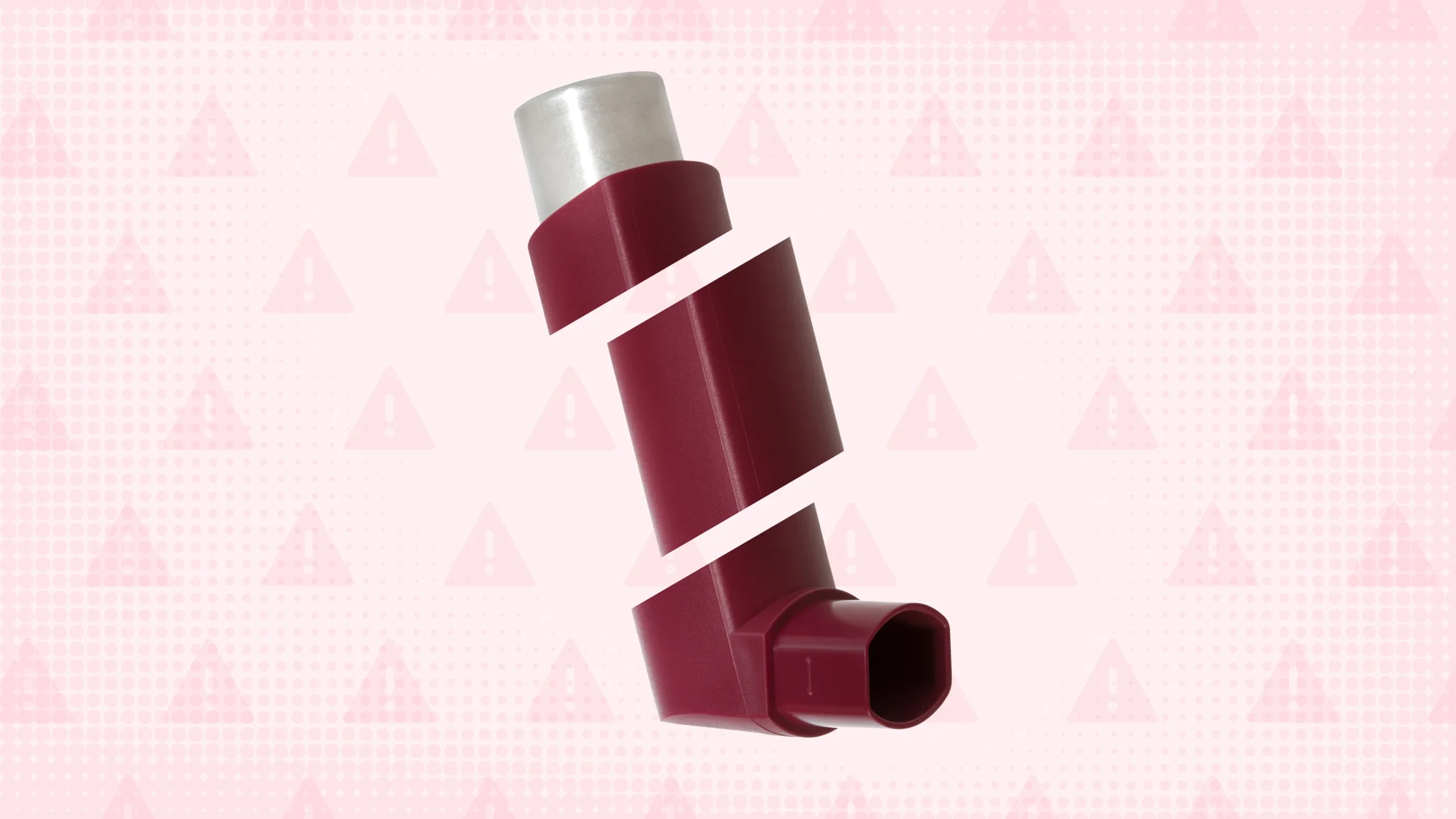
Inhalers are by far the most common treatment for asthma. These contain medications that are inhaled through the mouth, straight into the lungs. They come in all shapes and sizes. But the most important difference is the medicine inside them. Below, we go into each medication type in more detail.
Inhaled corticosteroids (ICSs) reduce airway inflammation and keep the airways calm. Examples are budesonide (Pulmicort) or beclomethasone (Qvar). The dose you take will depend on how severe your asthma is.
Inhaled bronchodilators relax the muscles around the airways to open them up and allow more air to pass through. These can be short-acting beta agonists (SABAs), such as albuterol (Proair, Ventolin, Proventil). Or they can be long-acting beta agonists (LABAs), such as salmeterol (Serevent).
Combination inhalers contain corticosteroids plus one or two LABAs. One example is budesonide / formoterol (Symbicort). Combination inhalers come in different doses: The LABA dose is always the same, but the ICS dose can vary depending on how severe your asthma symptoms are.
Some asthma medications work quickly and are useful when you need to quickly stop your symptoms. These are called rescue, or reliever, inhalers.
The 2024 guidelines from the Global Initiative for Asthma recommend that everyone with asthma have a SABA for quick relief of asthma symptoms. Most people use these once or twice per week, or less. When your asthma symptoms worsen, you might need more doses.
Other asthma medications work more slowly to keep asthma symptoms controlled long term.
These are called preventive, controller, or maintenance inhalers. They’re usually taken once or twice per day, every day — even when you’re feeling well.
Guidelines recommend that anyone with asthma be prescribed an ICS. This is usually given in combination with a LABA. But it can also be given alone too.
Knowing which medication to take and when, and how to take it properly, is key. It may sound simple, but it isn’t always easy. Your healthcare team can help. And there are also great videos online on how to use different inhalers and spacer devices, and much more.