Key takeaways:
Low iron levels can lead to anemia. Anemia can cause dizziness and other symptoms.
Getting enough iron in your diet can prevent iron deficiency. Red meat, seafood, and iron-enriched grains and cereals have the highest iron content.
Iron supplements can help treat low iron levels and anemia.
Save on related medications
Iron is an essential nutrient that your body needs to carry out important daily functions. Iron is so important that the U.S started adding iron to food staples like flour and cereals in 1941.
But getting enough iron isn't always easy, especially if you have a medical condition that can affect your iron levels. Low iron levels can lead to a host of symptoms, including dizziness.
Here’s how low iron levels can lead to dizziness and what to do about it.
Can low iron cause dizziness?
Yes, low iron levels can lead to dizziness. But low iron levels alone won’t cause dizziness.
Low iron levels can lead to iron-deficiency anemia, because your body needs iron to make red blood cells. And it’s the anemia that causes people to feel dizzy.
Red blood cells carry oxygen to every part of your body. Fewer red blood cells means that your organs don’t get all the oxygen they need to function. People with anemia can feel tired and sluggish, which can sometimes lead to dizziness.
Another reason you might feel dizzy has to do with how your body tries to compensate for low oxygen levels. To get as much oxygen to the body as possible, the heart starts beating faster.
What are the symptoms of iron deficiency?
Most people don’t have any symptoms from iron deficiency by itself. But once iron deficiency leads to anemia, people start experiencing symptoms like:
Feeling tired or sluggish
Brain fog or difficulty thinking
Lightheadedness
Rapid heartbeat and palpitations
Brittle nails and other nail changes
Pale skin color
Children who have low iron levels or anemia also start having trouble at school. Studies show that iron deficiency, even without anemia, can lead to difficulty learning.
What causes iron levels to drop?
There are many reasons iron levels can drop. But most of the time, the cause comes down to one of the four things listed below.
You’re not getting enough iron in your diet
Iron exists in two forms in food. The kind that exists in meat and fish is easy for your body to absorb. But the form that exists in plants isn’t absorbed as well.
People who follow vegan and vegetarian diets are more likely to develop iron-deficiency anemia since they don’t eat foods that contain iron that’s easy to absorb. But even if you eat meat, you can develop low iron levels, too, depending on which foods you regularly consume.
Toddlers and young children can develop iron-deficiency anemia if they drink too much milk. Milk is low in iron but also filling. Children may eat fewer iron-rich foods if they fill up on milk during the day.
You’re not absorbing enough iron
You can develop iron deficiency even if you eat enough iron-rich foods. This can happen if your body isn’t able to absorb the iron in these foods.
Iron gets absorbed in the parts of the intestine just after the stomach. Some medical conditions cause inflammation in the gut, which keeps these parts of the intestine from being able to do their job, including absorbing iron.
Medical conditions that can lead to low iron absorption include:
Medications that treat reflux (heartburn) can also block iron absorption. Nonsteroidal anti-inflammatory drugs (NSAIDs) like ibuprofen can also lead to gut inflammation, which can block iron absorption.
You’re losing blood
If you lose blood, you also lose iron. Regular blood donation or even a one-time major surgery can lead to low iron levels.
People who have heavy periods are at high risk for developing iron-deficiency anemia because they lose extra blood each month. People with medical conditions that cause bleeding in the gut, like ulcers or inflammation, are also more likely to develop iron-deficiency anemia.
Your iron needs are higher than normal
Sometimes, your body needs more iron than usual. In these causes, you can develop iron-deficiency anemia even if you’re getting the recommended amount of iron.
For example, you need more iron during pregnancy. You may also need more iron in your diet if you’re a high-performance athlete.
How do you treat iron deficiency?
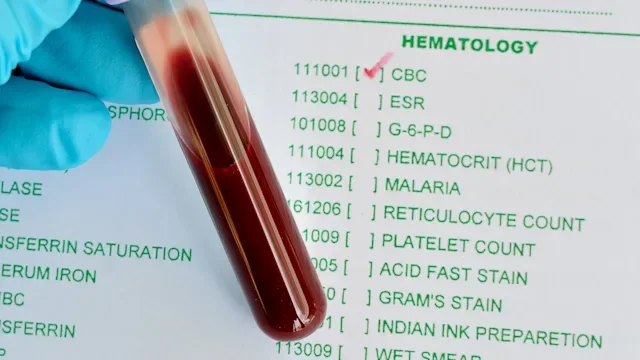
Most people don’t know they have iron deficiency until they have their iron levels checked with a blood test.
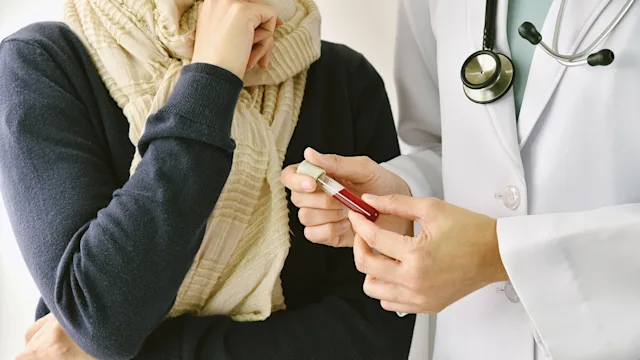
Talk with your healthcare team if you think you could have low iron levels or anemia. They can order blood work to check for both. They may order additional tests to look for reasons why you might have iron deficiency.
Treatment depends on what’s causing your low iron levels. But in general, most people with low iron levels or iron-deficiency anemia need the following:
More iron in their diet: It’s important to eat more iron-rich foods if you have low iron levels or iron-deficiency anemia. Iron-rich foods include meat, seafood, soy, lentils, spinach, and iron-enriched cereals. For kids, it’s also a good idea to limit foods that are low in iron. Experts recommend limiting milk intake to 24 oz per day and avoiding cow’s milk before age 1.
Medication changes: You may need to switch medications if you’re taking a medication that can stop your body from absorbing iron. But remember: Don’t stop taking medications until you’ve discussed this with your healthcare team.
Iron supplements: Iron supplements are oral pills you take to increase your iron levels. Most people need to take supplements for at least a few months.
Vitamin C: Vitamin C helps your body absorb iron. Drinking half a cup of orange juice with your iron supplements or while eating iron-rich foods can boost your iron absorption.
How to prevent iron deficiency
You can prevent iron deficiency by doing the following:
Eating iron-rich foods: Add a variety of iron-rich foods to your daily diet. Getting enough iron in your diet is the best way to prevent iron deficiency.
Taking supplements if you need them: It’s best to get your daily iron intake from food rather than supplements. But if you need extra iron each day, you may not be able to get enough from food alone. Iron supplements can help you meet your daily iron goals. Follow your healthcare team’s instructions on dosing for your specific supplement. Not all iron supplements are the same, and some people need more iron than others.
Getting treatment for conditions that can cause anemia: Getting treatment for medical conditions that can lead to anemia can help you avoid low iron levels. Stay up-to-date with healthcare visits and follow your care plan.
When to seek care for dizziness
Dizziness can sometimes be a sign of a more serious medical condition. You should seek medical care right away if you experience dizziness along with any of the following:
Chest pain or pressure
Shortness of breath
Fainting or loss of consciousness
Severe headache
Trouble speaking, seeing, or understanding speech
Weakness or numbness on one side of the body
A fast or irregular heartbeat
Severe vomiting or inability to keep fluids down
Confusion
Difficulty staying awake
These symptoms can signal conditions like:
Heart problems
Stroke
Dehydration
Serious infections
They should be evaluated as soon as possible.
Frequently asked questions
There’s no way to raise your iron levels instantly. Iron-rich foods and supplements can help replenish your body’s iron stores. Your body will begin using that iron right away. But it can take several weeks before you notice improvement in symptoms or see changes in your blood work.
Low iron levels can lead to iron-deficiency anemia. Iron-deficiency anemia can affect how well your heart works. This can cause symptoms like shortness of breath with activity, chest pain, and, in severe cases, heart failure.
Iron supplements can help with dizziness and other symptoms caused by iron-deficiency anemia. Iron supplements won’t help if your dizziness is caused by other medical conditions.
There’s no way to raise your iron levels instantly. Iron-rich foods and supplements can help replenish your body’s iron stores. Your body will begin using that iron right away. But it can take several weeks before you notice improvement in symptoms or see changes in your blood work.
Low iron levels can lead to iron-deficiency anemia. Iron-deficiency anemia can affect how well your heart works. This can cause symptoms like shortness of breath with activity, chest pain, and, in severe cases, heart failure.
Iron supplements can help with dizziness and other symptoms caused by iron-deficiency anemia. Iron supplements won’t help if your dizziness is caused by other medical conditions.
The bottom line
Low iron levels can lead to dizziness. Low iron levels can cause iron-deficiency anemia, and anemia can lead to a host of symptoms, including dizziness. Other symptoms of anemia include fatigue, brain fog, and rapid heartbeat. If you think you could have low iron levels, see a healthcare professional to get tested for anemia. You can boost your iron levels by eating iron-rich foods. If you have iron-deficiency anemia, you may also need iron supplements.

Why trust our experts?



References
American Family Physician. (2002). How to prevent iron deficiency anemia in infants and toddlers.
Ems, T., et al. (2023). Biochemistry, iron absorption. StatPearls.
Gavin, M. L. (2021). Feeding your 1- to 2-year-old. Nemours KidsHealth.
Gingoyon, A., et al. (2022). Chronic iron deficiency and cognitive function in early childhood. Pediatrics.
Jogu, P., et al. (2026). Iron-deficiency anemia. StatPearls.
Li, N., et al. (2020). The efficacy and safety of vitamin C for iron supplementation in adult patients with iron deficiency anemia: A randomized clinical trial. JAMA Network Open.
National Heart, Lung, and Blood Institute. (2022). Iron-deficiency anemia.
Saboor, M., et al. (2015). Disorders associated with malabsorption of iron: A critical review. Pakistan Journal of Medical Sciences.
Soppi, E. T. (2018). Iron deficiency without anemia — A clinical challenge. Clinical Case Reports.
Whittaker, P., et al. (2001). Iron and folate in fortified cereals. Journal of the American College of Nutrition.