Key takeaways:
Retinol is an important “anti-aging” ingredient that reduces fine lines and improves skin texture.
Many people experience dryness and irritation from retinol.
You can successfully add retinol to your skin care regimen by choosing the right retinol product and following some simple instructions.
Save on related medications
When it comes to “anti-aging” skin care, retinol is the gold standard. It improves skin texture, reduces fine lines, and lessens hyperpigmentation. But it also increases skin cell turnover and collagen production. These factors mean that it can dry out your skin and make it more sensitive.
The best retinol creams balance effectiveness with ingredients that help reduce dryness and irritation. Before we get into the article, it’s important to note that “anti-aging” skin care products aren’t for everyone. Everyone’s skin changes as they get older. And while some people choose products marketed for anti-aging, it’s also fine to embrace the natural aging process.
That being said, here’s how to choose the best retinol cream for your skin type and how to use it successfully.
Search and compare options
What is retinol, and how does it help with anti-aging?
Retinol is a topical form of vitamin A you can get over the counter (OTC). When you put it on your skin, it turns into its active form, which is known as retinoic acid. Pure retinoic acid (tretinoin) is available by prescription.
When we talk about anti-aging benefits to using retinol, that means that the product does the following:
Increases collagen by boosting production and blocking breakdown
Enhances skin cell turnover
Thickens skin
Improves fine lines and wrinkles
Brightens skin
Evens pigmentation
Smooths rough texture
7 best retinol creams to try
The best retinol creams include ingredients that support the skin barrier and avoid irritants like fragrance and drying alcohols. There are many effective retinol creams available, but here are some popular OTC and prescription options to try.
Best OTC retinol creams
Here are some top OTC retinol creams:
CeraVe Resurfacing Retinol Serum contains ceramides and niacinamide and is good for beginners and acne-prone skin.
Neutrogena Rapid Wrinkle Repair Regenerating Cream contains hyaluronic acid for added hydration.
RoC Retinol Correxion Deep Wrinkle Night Cream, an affordable and widely available option with squalane to lock in moisture.
La Roche-Posay Pure Retinol B3 Serum combines niacinamide, hyaluronic acid, and glycerin to soothe and moisturize the skin.
Best prescription retinoids
Here are some top prescription retinols:
Tretinoin cream is a popular generic option available in different strengths and formulations. Many studies have shown tretinoin to be effective in treating photoaging.
Avage (tazarotene) is also effective in treating photoaging, but it may be more irritating than other retinoids.
Differin (Adapalene) may be the least irritating retinoid, and it’s also available in a lower strength OTC.
Which retinol product should you choose for your skin type?
The best retinol product for you is one that you can tolerate using every night. If you’re unable to build up your nighttime tolerance, you can try using it over your moisturizer or switch to a lighter product.
Recommendations for well-tolerated retinol products are based on your skin type.
For dry skin
You’ll need a retinol in products with moisture-trapping ingredients like hyaluronic acid and ceramide. This will help prevent your skin from drying out. Here are some things to keep in mind:
If you want a less expensive option, try Neutrogena Rapid Wrinkle Repair Retinol Oil.
If you want to splurge, try Sunday Riley Luna Sleeping Night Oil.
For oily skin
For oily or acne-prone skin, you’ll want a product that will lessen oil production and not feel heavy on your skin. There’s a chance you’ll get the best results from a prescription product, but there are good OTC options to start with.
Here are some options:
If you want a less expensive option, try Adapalene 0.1% gel (Differin or La Roche-Posay Effaclar).
If you want to splurge, try Neova Intensive Retinol Spray.
For combination skin
For skin that alternates between oily and dry, products that are oil-based could make the skin too greasy. Gel-based products could cause the skin to become too dry. Serums or creams usually work best for this skin type.
Here are some options to try:
If you want a less expensive option, try RoC Retinol Correxion Deep Wrinkle Serum.
If you want to splurge, try SkinBetter’s AlphaRet Overnight Cream.
What are the biggest differences between retinol products?
Retinol products can vary in several important ways, including:
Strength: Higher-strength options work faster but can be more irritating.
Formulation: Creams and oils tend to be more moisturizing, while gels, lotions, and serums feel lighter.
Supporting ingredients: Many are combined with different ingredients, like alpha hydroxy or beta hydroxy acids, built-in moisturizers, or antioxidants.
Prescription vs. OTC: Prescription-strength products are stronger, but they can also be more drying and irritating. While prescription-strength retinoids work best for acne, they don’t necessarily work better for anti-aging.
What are the side effects of using retinol?
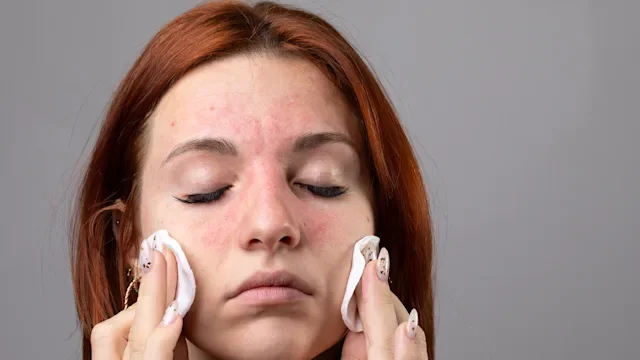
The major side effect of topical retinol is skin irritation, which can look or feel like:
Redness
Dryness
Stinging or burning
Peeling
Your skin can also become more sensitive to other products, the sun or wind, and to procedures like lasers, waxing, and chemical peels. Stronger, prescription-strength retinoids are more likely to cause side effects than OTC retinols.
What to know before using retinol
Before starting a retinol, it’s best to simplify your regimen. Avoid other potentially irritating active ingredients, like alpha hydroxy or beta hydroxy acids. Either of these in combination with retinol could make your skin more sensitive to the retinol.
Here are some tips for starting to use retinol:
Start by using a little at a time. All you need is a pea-sized amount for your entire face.
For the first few weeks, use it every other day or every third day.
You can build up to every day as tolerated.
Keep your skin well-hydrated with a moisturizer.
Use a broad spectrum sunscreen daily, as retinol makes your skin more sensitive to the sun.
Stop using your retinol a week before intense sun exposure or any facial procedure, like waxing, lasers, or peels.
You should avoid using retinol if you’re pregnant or nursing.
Frequently asked questions
No, tretinoin isn’t a retinol. But both are retinoids, meaning they’re related to vitamin A. Tretinoin is a prescription retinoid that’s already in its active form (retinoic acid). Meanwhile, retinol converts into retinoic acid after you apply it to the skin. Because of this, tretinoin is generally stronger than retinol, but it can also be more irritating.
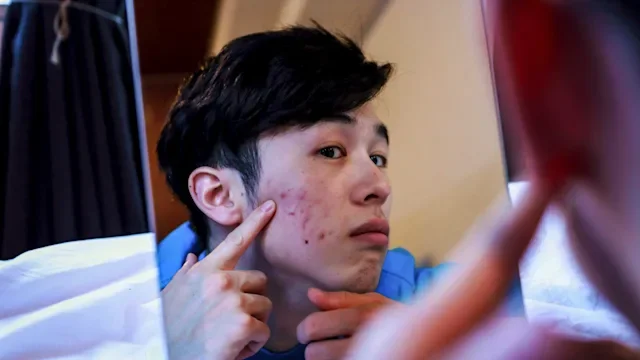
Yes, retinol can help treat acne by preventing clogged pores, lowering inflammation, and improving skin cell turnover. But in general, retinol isn’t as effective for acne as retinoids like Retin-A.
Most people should start using retinol 2 to 3 nights per week. Once their skin is used to it, they can gradually increase the frequency. Some people will eventually be able to take retinol nightly, while others may do better using it every other night long term.
No, tretinoin isn’t a retinol. But both are retinoids, meaning they’re related to vitamin A. Tretinoin is a prescription retinoid that’s already in its active form (retinoic acid). Meanwhile, retinol converts into retinoic acid after you apply it to the skin. Because of this, tretinoin is generally stronger than retinol, but it can also be more irritating.
Yes, retinol can help treat acne by preventing clogged pores, lowering inflammation, and improving skin cell turnover. But in general, retinol isn’t as effective for acne as retinoids like Retin-A.
Most people should start using retinol 2 to 3 nights per week. Once their skin is used to it, they can gradually increase the frequency. Some people will eventually be able to take retinol nightly, while others may do better using it every other night long term.
The bottom line
Retinol is a key ingredient in treatments for acne and anti-aging skin care. The best retinol creams balance effectiveness with nourishing ingredients that support the skin barrier and minimize irritation. You can successfully address your skin care issues by picking the right product for your skin type and using it properly.

Why trust our experts?




References
Babcock, M., et al. (2015). A randomized, double-blind, split-face study comparing the efficacy and tolerability of three retinol-based products vs. three tretinoin-based products in subjects with moderate to severe facial photodamage. Journal of Drugs in Dermatology.
CeraVe. (n.d.). Resurfacing Retinol Serum.
La Roche Posay. (n.d.). Retinol B3 Pure Retinol Serum.
Lin, L., et al. (2025). Comparative efficacy of topical interventions for facial photoaging: A network meta-analysis. Scientific Reports.
Neova. (n.d.). Intensive Retinol Spray.
Neutrogena. (n.d.). Neutrogena Rapid Wrinkle Repair Retinol Oil, 1 fl. oz.
Neutrogena. (n.d.). Neutrogena Rapid Wrinkle Regenerating Repair Regenerating Cream, 1.7 oz.
Roc. (n.d.). Retinol Correxion Deep Wrinkle Night Cream.
Sitohang, I. B. S., et al. (2022). Topical tretinoin for treating photoaging: A systematic review of randomized controlled trials. International Journal of Women's Dermatology.
Skinbetter Science. (n.d.). AlphaRet Overnight Cream.
Sunday Riley. (n.d.). Luna Sleeping Night Oil.
Zasada, M., et al. (2019). Retinoids: Active molecules influencing skin structure formation in cosmetic and dermatological treatments. Advances in Dermatology and Allergology.