Key takeaways:
Glucagon-like peptide-1 (GLP-1) receptor agonists are popular medications used to treat Type 2 diabetes. Some are also approved for weight loss, among other uses.
Ozempic (semaglutide) and Victoza (liraglutide) are examples of GLP-1s that treat Type 2 diabetes. Wegovy and Saxenda are higher-dose versions of each medication, used for weight loss.
There are ways to save on GLP-1 drugs. Most of them have manufacturer savings cards to help make your prescription more affordable. Subscribers to GoodRx for Weight Loss can also access FDA-approved, brand-name GLP-1 medications.
GoodRx coupons can also help you save on your prescription. If you're new to using GoodRx for semaglutide savings, pay an introductory price for the first two fills: $199 per month for Ozempic or Wegovy injections, or $149 for the Wegovy pill (only available for certain doses). After that, most ongoing fills are $299 or $349 per month, depending on the medication and dose.
Ozempic, Trulicity, and Victoza: these Type 2 diabetes medications have been growing in popularity over the last several years. And they all belong to the same class — glucagon-like peptide-1 (GLP-1) receptor agonists. GLP-1 drugs work by triggering insulin release, reducing glucose (sugar) production in your liver, and making you feel full.
Researchers have taken interest in how these medications work to not only manage blood sugar, but help people lose weight. Today, there’s a long list of GLP-1 drugs available on the market — with more on the way.
But with all of these options, how do you decide which is right for you? Let’s get to know some of the differences between 11 GLP-1 drugs.
1. Ozempic
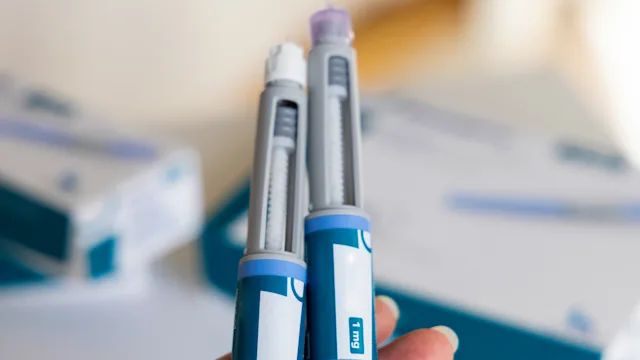
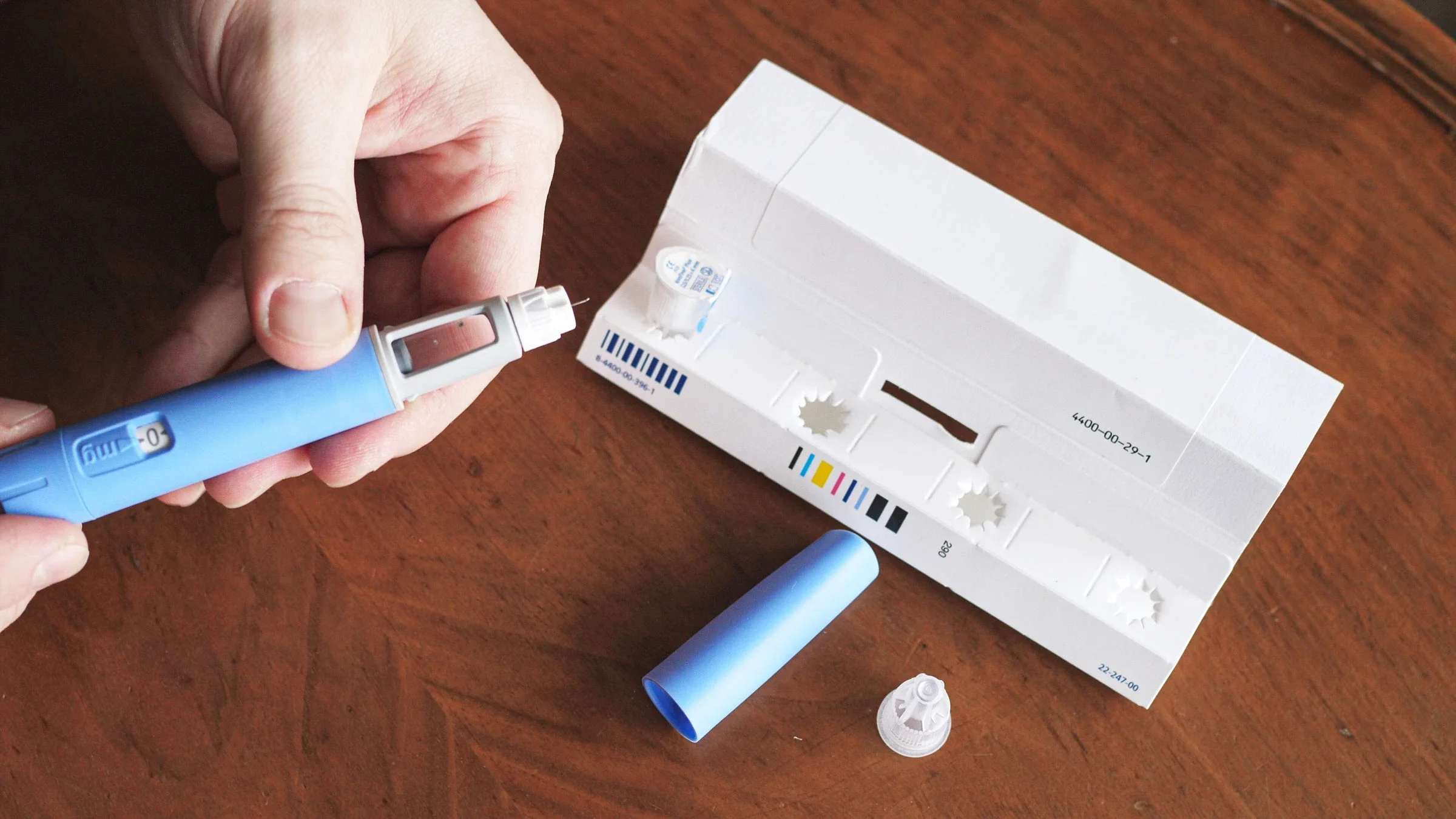
Ozempic (semaglutide) is a once-weekly injection for adults with Type 2 diabetes. It comes in a multi-dose pre-filled pen. You can inject Ozempic at any time of day, with or without food. But you should inject it on the same day each week.
Search and compare options
If you have Type 2 diabetes, your prescriber may recommend Ozempic based on your treatment goals, risk factors, and health history. Three examples of these indicators include:
Heart disease: If you also have heart disease, Ozempic can help lower the risk of major adverse cardiovascular events (heart attack, stroke, or cardiovascular-related death), or MACE.
Chronic kidney disease: If you also have chronic kidney disease (CKD), Ozempic can help lower the risk of kidney disease worsening, kidney failure, and cardiovascular death.
Weight loss: Ozempic isn’t approved for weight loss. But you may notice weight loss while using it, which may help you meet your treatment goals. On average, those using Ozempic lost 8 lbs to 10 lbs at 30 weeks during initial clinical trials. Wegovy, a higher-dose product, is approved specifically for weight loss.
Semaglutide, the main ingredient in Ozempic, Wegovy, and Rybelsus, is being studied for a variety of other health conditions. Additional uses may be approved over the coming years.
2. Rybelsus
Don’t like injections? Rybelsus is an oral version of semaglutide used for Type 2 diabetes. It's also approved to lower the risk of MACE in adults with Type 2 diabetes at increased risk for these events.
Rybelsus is taken by mouth once daily. To get the best results, take it first thing in the morning with no more than 4 ounces of water. Wait 30 minutes before eating, drinking, or taking other medications. This will allow the medication to be fully absorbed.
It’s possible to switch from Ozempic to Rybelsus (and vice versa). But if your Ozempic dose is 1 mg or greater, this may not be an option for you.

Semaglutide isn’t just for diabetes: Get live updates on the current and potential uses of semaglutide, from heart disease to Alzheimer’s disease.
GLP-1 savings guide: Learn about ways to save on glucagon-like peptide-1 (GLP-1) medications, like Ozempic (semaglutide), with GoodRx discounts, copay savings cards, and more.
Is compounded semaglutide safe? Get the facts on compounded semaglutide, including potential risks to consider.
3. Wegovy injection
The Wegovy injection is another once-weekly semaglutide injection. It comes in a single-dose pen. Unlike Ozempic, Wegovy is specifically approved for weight loss in certain adults and adolescents ages 12 and older. It’s not used to treat diabetes, and you don’t need to have a diabetes diagnosis to use it. You can inject Wegovy at any time of day.
Wegovy is approved for adults and adolescents who are considered to be obese. It’s also approved for adults considered overweight who have one or more weight-related health conditions (such as high blood pressure, high cholesterol, diabetes).
In clinical trials, adults receiving Wegovy had an average weight loss of nearly 15% of their initial body weight. And adolescents had an average weight loss of almost 15% of their initial body weight. For the best results, combine Wegovy with a nutritious diet and regular exercise.
Read more like this
Explore these related articles, suggested for readers like you.



Wegovy is also approved to lower the risk of MACE in adults with heart disease and a larger body size. During a recent clinical trial, Wegovy lowered the risk of MACE by 20% compared to placebo (an injection without medication in it).
Most recently, Wegovy was also approved to treat adults with metabolic dysfunction-associated steatohepatitis (MASH) who have moderate-to-advanced liver scarring (fibrosis) — but not cirrhosis — along with a reduced-calorie diet and increased physical activity.
4. Wegovy pill
Wegovy also comes as a pill for weight loss. Similar to Rybelsus, you take the Wegovy pill every day. It has the same timing instructions to allow proper absorption — first thing in the morning on an empty stomach with no more than 4 oz of plain water. Wait at least 30 minutes before eating, drinking other fluids, or taking other medications.
Unlike the Wegovy injection, the Wegovy pill is approved for weight loss in adults only. In clinical trials, people in the Wegovy pill group lost on average nearly 14% of their starting body weight. Those who stayed on the medication the entire time lost about 17%.
The Wegovy pill is also approved to lower the risk of MACE in adults with a larger body size and heart disease. But it’s not approved to treat MASH.
5. Trulicity
Trulicity (dulaglutide) is a once-weekly injection for Type 2 diabetes in adults and children ages 10 and older. It comes as a single-use pre-filled pen. You should inject Trulicity on the same day each week at any time of day, with or without food.
Like Ozempic, Trulicity can lower the risk of MACE in adults who also have heart disease. But it can also provide this benefit if you have heart disease risk factors. Trulicity may also have some kidney-related benefits.
Trulicity isn’t approved for weight loss. But some people using it lose weight as a side effect. One study found that adults taking the highest Trulicity dose (4.5 mg) were able to lose up to 10 lbs over 9 months.
6. Victoza
Victoza (liraglutide) is a once-daily injection for Type 2 diabetes in adults and children ages 10 and older. You can inject your dose at any time of day, without regard to food. Victoza comes in a multi-dose prefilled pen.
Victoza can lower the risk of MACE if you also have heart disease. There’s also evidence that it may help prevent kidney problems from getting worse.
Victoza isn’t approved for weight loss, but some people taking it lose weight. During clinical trials, this was around 5 lbs on average. A higher-dose version called Saxenda is available for weight loss.
One difference between Victoza and most other GLP-1 drugs is that it’s also available as a lower-cost generic. If cost is a barrier to accessing treatment, generic Victoza may be an option to consider.
7. Saxenda
Saxenda is the version of liraglutide approved for weight loss. It also comes in a multi-dose prefilled pen. Like Wegovy, it’s approved for use in adults and adolescents ages 12 and older who are considered obese. Adults considered overweight with at least one weight-related health condition can also qualify.
In a large clinical trial, adults using Saxenda lost an average of 8% of their starting body weight. In a separate trial, adolescents lost a little over 2.5% of their starting body weight on average. Saxenda also works best when combined with a nutritious diet and regular exercise.
But how does Saxenda compare to Wegovy? One head-to-head study showed significantly more weight loss in adults with Wegovy (16%) than Saxenda (6%). You also need to inject Saxenda more frequently (daily vs. weekly). Your prescriber can help you decide on the best option for you.
Similar to Victoza, a generic version of Saxenda is available. Saxenda is the first GLP-1 for weight loss with a generic alternative.
8. Byetta
Byetta (exenatide) was the first FDA-approved GLP-1 drug. It’s used to treat Type 2 diabetes in adults. You need to inject it more often compared to other options — twice daily within an hour before your morning and evening meals.
Your prescriber may recommend Byetta if you’re experiencing blood sugar spikes after meals. And it can also cause weight loss as a side effect. However, Byetta doesn’t have the same proven cardiovascular benefits as other options.
Like Victoza, Byetta is also available as a lower-cost generic. But compared to other GLP-1 drugs, Byetta may be less convenient since it’s injected twice a day around meals. If this is a dealbreaker, Bydureon BCise may be an option to consider.
9. Bydureon BCise
Bydureon BCise (exenatide) is a longer-acting version of Byetta that’s injected once weekly. It’s approved to lower blood sugar levels in people ages 10 and older with Type 2 diabetes.
Like Byetta, Bydureon BCise doesn’t have the same proven cardiovascular benefits seen with other GLP-1 drugs. And it may not result in the same amount of weight loss, either. However, your prescriber may decide that Bydureon BCise is the best option for you.
10. Mounjaro
Mounjaro (tirzepatide) is a once-weekly injection that’s closely related to GLP-1 receptor agonist drugs. It’s part of a brand new class called GLP-1/GIP agonists. It works by mimicking two gut hormones: GLP-1 and glucose-dependent insulinotropic polypeptide (GIP). Mounjaro comes in a single-dose pen and vial.
Mounjaro is approved to treat Type 2 diabetes in adults and children ages 10 and older. It has been studied head-to-head against Ozempic. After 40 weeks, people receiving Mounjaro saw a better reduction in hemoglobin A1C levels (average blood sugar over 3 months) compared to Ozempic. And they lost more weight, too.
Mounjaro is being studied to see if it lowers the risk of MACE in people with diabetes and heart disease. But it’s not currently approved for this use yet. And like semaglutide, tirzepatide (the active ingredient in Mounjaro and Zepbound) is being studied for even more uses.
11. Zepbound
Zepbound is the FDA-approved version of tirzepatide for weight loss. It’s also approved to treat moderate-to-severe obstructive sleep apnea (OSA) in people with a larger body size. Similar to Mounjaro, Zepbound comes in a single-dose pen and vial.
Like Wegovy and Saxenda, Zepbound is approved for adults considered obese, or considered overweight with one or more weight-related health conditions. But Zepbound isn’t approved for adolescents yet.
During clinical trials, people receiving Zepbound lost up to nearly 21% of their starting body weight over 72 weeks (about 16.5 months). This was compared to 3% weight loss in people who received a placebo. Compared to Wegovy, a recent head-to-head study showed greater weight loss in people receiving Zepbound.
Ozempic or Mounjaro? Test your knowledge!
How do I find out which GLP-1 drug is right for me?
The right GLP-1 drug for you will likely come down to a few key factors, including:
Age: All GLP-1 drugs are approved for use in adults. But some can also be used in children as young as 10 years old.
Treatment goals: Each GLP-1 drug has specific approved uses and potential benefits to help you meet your treatment goals.
Underlying conditions: If you have existing heart disease or heart disease risk factors, one with proven cardiovascular benefits may be preferred. Certain GLP-1 drugs also have proven benefits for people with CKD, OSA, or liver disease.
Preferences: Don’t like injections? An oral pill option may be available. If dosage frequency is a concern, there are once-weekly options to choose from.
Insurance coverage: Your insurance plan may only cover certain GLP-1 drugs. And whether one is covered may depend on why you’re taking it. So, it’s best to check with your specific plan about coverage.
Your prescriber can help you navigate your options and answer any questions you have. And if you can’t tolerate one GLP-1 drug, they may have you try a different one.

How to save on GLP-1 drugs
There are ways to save on your GLP-1 prescription. GoodRx can help you navigate your options. Your local pharmacist can also be a great resource for your specific situation.
Most GLP-1 drugs are only available as brand-name products. Today, generics for Victoza, Saxenda, and Byetta have been approved. Until more generics are on the market, GoodRx coupons, manufacturer copay savings cards and patient assistance programs can help make GLP-1 drugs more affordable.
If you're new to using GoodRx for semaglutide savings, pay an introductory price for the first two fills: $199 per month for Ozempic or Wegovy injections, or $149 for the Wegovy pill (only available for certain doses). After that, most ongoing fills are $299 or $349 per month, depending on the medication and dose.
Subscribers to GoodRx for Weight Loss can also access FDA-approved, brand-name GLP-1 medications.
Frequently asked questions
GLP-1 medications aren’t right for everyone. You may be advised not to take a GLP-1 if you:
Have a personal or family history of medullary thyroid cancer
Have multiple endocrine neoplasia syndrome type 2
Have had a serious allergic reaction to a GLP-1 medication
Have severe gastrointestinal conditions, such as gastroparesis
Have a history of pancreatitis
Are pregnant, planning to become pregnant, or breastfeeding, unless your healthcare team says otherwise
Always talk to your healthcare team to determine whether a GLP-1 is safe for you. They can also suggest potential alternatives.
There aren’t any medications that should be completely avoided with GLP-1s. But some medications may need dose adjustments or closer monitoring when taken together, such as:
Insulin, sulfonylureas, or meglitinides, which can increase the risk of low blood sugar
Oral medications with narrow therapeutic windows, since GLP-1s may affect how they’re absorbed
Always share your current medication list with your healthcare team. They can review it for potential interactions and recommend how to manage them.
GLP-1 medications are generally intended for long-term use. Many people stay on them for months or years to help manage their body weight, blood sugar, or cardiovascular risk. How long you stay on a GLP-1 can depend on factors such as:
Your treatment goals
How well the medication is working
Side effects or tolerability
Cost and insurance coverage
Your healthcare team can help reassess your treatment plan over time.
GLP-1 injections only work as long as you’re using them. If you stop a GLP-1, its effects gradually wear off. You may notice:
An increase in appetite
Weight regain, especially without lifestyle changes
Changes in blood sugar management if you have diabetes
Some people may taper off their GLP-1 under medical guidance to help manage these effects. Talk to your healthcare team if you’re considering stopping GLP-1 injections.
Your body releases GLP-1 naturally, and certain foods and lifestyle habits may help support that process. These strategies don’t replace GLP-1 medications, but they can complement them. Ways to support natural GLP-1 release include:
Eating foods rich in soluble fiber, such as fruit, vegetables, and whole grains
Adding healthy fats to your diet, such as certain fish and olive oil
Including lean proteins at meals, such as fish, chicken, eggs, or tofu
These habits may help enhance your body’s natural GLP-1 response over time.
GLP-1 medications aren’t right for everyone. You may be advised not to take a GLP-1 if you:
Have a personal or family history of medullary thyroid cancer
Have multiple endocrine neoplasia syndrome type 2
Have had a serious allergic reaction to a GLP-1 medication
Have severe gastrointestinal conditions, such as gastroparesis
Have a history of pancreatitis
Are pregnant, planning to become pregnant, or breastfeeding, unless your healthcare team says otherwise
Always talk to your healthcare team to determine whether a GLP-1 is safe for you. They can also suggest potential alternatives.
There aren’t any medications that should be completely avoided with GLP-1s. But some medications may need dose adjustments or closer monitoring when taken together, such as:
Insulin, sulfonylureas, or meglitinides, which can increase the risk of low blood sugar
Oral medications with narrow therapeutic windows, since GLP-1s may affect how they’re absorbed
Always share your current medication list with your healthcare team. They can review it for potential interactions and recommend how to manage them.
GLP-1 medications are generally intended for long-term use. Many people stay on them for months or years to help manage their body weight, blood sugar, or cardiovascular risk. How long you stay on a GLP-1 can depend on factors such as:
Your treatment goals
How well the medication is working
Side effects or tolerability
Cost and insurance coverage
Your healthcare team can help reassess your treatment plan over time.
GLP-1 injections only work as long as you’re using them. If you stop a GLP-1, its effects gradually wear off. You may notice:
An increase in appetite
Weight regain, especially without lifestyle changes
Changes in blood sugar management if you have diabetes
Some people may taper off their GLP-1 under medical guidance to help manage these effects. Talk to your healthcare team if you’re considering stopping GLP-1 injections.
Your body releases GLP-1 naturally, and certain foods and lifestyle habits may help support that process. These strategies don’t replace GLP-1 medications, but they can complement them. Ways to support natural GLP-1 release include:
Eating foods rich in soluble fiber, such as fruit, vegetables, and whole grains
Adding healthy fats to your diet, such as certain fish and olive oil
Including lean proteins at meals, such as fish, chicken, eggs, or tofu
These habits may help enhance your body’s natural GLP-1 response over time.
The bottom line
There are several glucagon-like peptide-1 (GLP-1) receptor agonist drugs available. Most are approved to treat Type 2 diabetes, while others are specifically approved for weight loss, obstructive sleep apnea, and other uses. Dosage frequency, how you take them, and potential benefits are a few ways they can differ.
Your prescriber can help you navigate your options and determine the best GLP-1 drug for you.

Why trust our experts?



References
ClinCalc. (2022). GLP-1 receptor agonists.
ClinicalTrials.gov. (2025). A study of Tirzepatide (LY3298176) compared With Dulaglutide on major cardiovascular events in participants with type 2 diabetes (SURPASS-CVOT). National Library of Medicine.
Drugs@FDA. (2024). Abbreviated New Drug Application: 206697. U.S. Food and Drug Administration.
Eli Lilly and Company. (2025). Mounjaro [package insert].
Eli Lilly and Company. (2025). ZEPBOUND- tirzepatide injection, solution [package insert].
Frías, J. P., et al. (2021). Efficacy and safety of dulaglutide 3.0 mg and 4.5 mg versus dulaglutide 1.5 mg in metformin-treated patients with type 2 diabetes in a randomized controlled trial (AWARD-11). Diabetes Care.
Frías, J. P., et al. (2021). Tirzepatide versus semaglutide once weekly in patients with type 2 diabetes. New England Journal of Medicine.
Lincoff, A. M., et al. (2023). Semaglutide and cardiovascular outcomes in obesity without diabetes. The New England Journal of Medicine.
Madsbad, S. (2015). Review of head‐to‐head comparisons of glucagon‐like peptide‐1 receptor agonists. Diabetes, Obesity and Metabolism.
Mann, J. F. E., et al. (2017). Liraglutide and renal outcomes in type 2 diabetes. The New England Journal of Medicine.
Novo Nordisk. (2025). OZEMPIC- semaglutide injection, solution [package insert].
Novo Nordisk. (2025). Rybesus - semaglutide tablets [package insert].
Novo Nordisk. (2025). Saxenda - liraglutide injection [package insert].
Novo Nordisk. (2025). Wegovy - semaglutide injection [package insert].
Novo Nordisk. (2025). FDA approves Novo Nordisk's oral semaglutide for cardiovascular (CV) risk reduction in adults with type 2 diabetes who are at high risk, including those who have not had a prior CV event. PR Newswire.
Novo Nordisk. (2025). FDA approves Novo Nordisk's Wegovy pill, the first and only oral GLP-1 for weight loss in adults. PR Newswire.
Novo Nordisk. (2025). Wegovy® approved by FDA for the treatment of adults with noncirrhotic MASH with moderate to advanced liver fibrosis. PR Newswire.
Pi-Sunyer, X., et al. (2015). A Randomized, Controlled Trial of 3.0 mg of Liraglutide in Weight Management. The New England Journal of Medicine.
Rubino, D. M., et al. (2022). Effect of weekly subcutaneous semaglutide vs daily liraglutide on body weight in adults With overweight or obesity without diabetes: The STEP 8 randomized clinical trial. JAMA.
Teva Pharmaceutical Industries Ltd. (2025). Teva announces FDA approval and launch of generic Saxenda® (liraglutide injection) – First generic GLP-1 indicated for weight loss.
Tuttle, K., et al. (2018). Dulaglutide versus insulin glargine in patients with type 2 diabetes and moderate-to-severe chronic kidney disease (AWARD-7): A multicentre, open-label, randomised trial. The Lancet.
U.S. Food and Drug Administration. (2021). FDA approves weight management drug for patients aged 12 and older.
Weghuber, D., et al. (2022). Once-weekly semaglutide in adolescents with overweight or obesity. The New England Journal of Medicine.
Wilding, J. P. H., et al. (2021). Once-weekly semaglutide in adults with overweight or obesity. The New England Journal of Medicine.