budesonide ER
Budesonide extended-release tablets, also known by the brand name Uceris, is used to treat ulcerative colitis (UC) in adults. This medication belongs to the corticosteroid drug class and it works to lessen inflammation in the gut. Budesonide (Uceris) is taken by mouth once per day. Side effects include headache, nausea, and stomach pain. This medication is available by brand name and as a lower-cost generic.


What is Budesonide (Uceris)?
What is Budesonide (Uceris) used for?
- Mild-to-moderate ulcerative colitis (UC) in adults
How Budesonide (Uceris) works
Budesonide (Uceris) is a corticosteroid. It works to lower inflammation, or swelling and irritation, in your intestines (gut). This helps lessen symptoms of ulcerative colitis.
Drug facts
| Common Brands | Uceris |
|---|---|
| Drug Class | Corticosteroid |
| Controlled Substance Classification | Not a controlled medication |
| Generic Status | Lower-cost generic available |
| Availability | Prescription only |

Side effects of Budesonide (Uceris)
The following side effects may get better over time as your body gets used to the medication. Let your healthcare provider know immediately if you continue to experience these symptoms or if they worsen over time.
Common Side Effects
- Headache (11%)
- Nausea (5%)
- Low cortisol levels (4%)
- Stomach pain (4%)
- Changes in mood (4%)
Less Common Side Effects
- Changes in sleep patterns
- Trouble sleeping
- Tiredness
- Gas
- Stomach swelling or bloating
- Constipation
- Joint pain
- Acne
- Urinary tract infection (UTI)
The following Budesonide (Uceris) side effects have also been reported
Along with its needed effects, a medicine may cause some unwanted effects. Although not all of these side effects may occur, if they do occur they may need medical attention.
Check with your doctor immediately if any of the following side effects occur:
More common
Bruising easily
chills
colds
general feeling of discomfort or illness
headache
hoarseness
joint pain
loss of appetite
muscle aches and pains
shivering
sweating
trouble sleeping
unusual tiredness or weakness
vomiting
Less common
Bladder pain
bleeding after defecation
blistering, crusting, irritation, itching, or reddening of the skin
bloody or cloudy urine
blurred vision
burning feeling while urinating
burning, crawling, itching, numbness, prickling, "pins and needles", or tingling feelings
changes in vision
cough producing mucus
decreased urine
difficult or labored breathing
difficult or painful urination
dizziness
fast, irregular, pounding, or racing heartbeat or pulse
feeling of warmth
increase in body movements
increased thirst
increased urge to urinate during the night
irregular heartbeat
lower back or side pain
mood changes
nervousness
pain or discomfort in the chest, upper stomach, or throat
pinpoint red or purple spots on the skin
pounding in the ears
rectal bleeding
redness of the face, neck, arms, and occasionally, upper chest
seizures
severe constipation
shakiness in the legs, arms, hands, or feet
shivering
skin rash, encrusted, scaly, and oozing
slow or fast heartbeat
stomach cramps or pain
sweating
swelling of the legs and feet
swelling or puffiness of the face
tightness in the chest
trouble sleeping
uncomfortable swelling around the anus
upper abdominal or stomach pain
waking to urinate at night
weight gain or loss
Some side effects may occur that usually do not need medical attention. These side effects may go away during treatment as your body adjusts to the medicine. Also, your health care professional may be able to tell you about ways to prevent or reduce some of these side effects. Check with your health care professional if any of the following side effects continue or are bothersome or if you have any questions about them:
More common
Belching
blemishes on the skin
indigestion
pain or tenderness around the eyes and cheekbones
rounded or moon face
stomach discomfort or upset
Less common
Accumulation of pus
agitation
bloated or full feeling
change in hearing
cracked, dry, or scaly skin
cracks in the skin at the corners of mouth
difficulty having a bowel movement
difficulty with moving
dizziness or lightheadedness
ear drainage
excess air or gas in the stomach or bowels
feeling of constant movement of self or surroundings
hair loss or thinning of the hair
increased appetite
increased hair growth, especially on the face
lack or loss of strength
loss of memory
muscle stiffness
nervousness
pain, swelling, or redness in the joints
passing gas
pressure in the stomach
problems with memory
redness, swelling, or soreness of the tongue
sensation of spinning
sleepiness or unusual drowsiness
soreness or redness around the fingernails and toenails
swelling of the abdominal or stomach area
swollen joints
uterine bleeding between menstrual periods
Other side effects not listed may also occur in some patients. If you notice any other effects, check with your healthcare professional.
Call your doctor for medical advice about side effects. You may report side effects to the FDA at 1-800-FDA-1088.

Get your GoodRx coupon

Pros and cons of Budesonide (Uceris)
Pros
- Works well to control and improve symptoms of ulcerative colitis, leading you to remission
- Taken by mouth once per day
- Available as a lower-cost generic medication
Cons
- Can cause unpleasant side effects, such as headache, nausea, stomach pain, and possibly acne
- Takes up to 8 weeks to complete a treatment course
- Raises your risk for infections

Pharmacist tips for Budesonide (Uceris)

- Take budesonide (Uceris) in the morning with or without food. If the medication hurts your stomach, taking it with food might help lessen this side effect.
- Swallow the budesonide extended-release tablet (Uceris) whole with a full glass of water. Don't crush, break, or chew the tablets because this can damage the medication. Ask your prescriber about other options to treat your UC if you're having trouble swallowing budesonide (Uceris).
- Avoid eating grapefruit or drinking grapefruit juice while you're taking budesonide (Uceris). Grapefruit can raise the levels of budesonide in your body, which raises your risk for side effects like tiredness and nausea.
- Share an up-to-date medication list with your care team. They can check that your medications are safe to take with budesonide (Uceris). Acid reflux and heartburn medications can lessen how much budesonide (Uceris) gets released from the tablet and absorbed into your body. Also, taking certain medications, like clarithromycin and verapamil, can put you at risk for side effects from the steroid.
- Let your care team know if you're pregnant or thinking of becoming pregnant. Although it isn't well studied, there might be a risk that budesonide (Uceris) can cause harm to a baby. Your prescriber can discuss the risks and benefits of taking budesonide (Uceris) while you're pregnant or consider other treatment options for your UC symptoms during pregnancy.

Risks and warnings for Budesonide (Uceris)
Budesonide (Uceris) can cause some serious health issues. This risk may be even higher for certain groups. If this worries you, talk to your doctor or pharmacist about other options.
Changes in cortisol levels
- Risk factors: Moderate-to-severe liver problem | Long-term use of budesonide (Uceris)
It's possible for corticosteroids like budesonide (Uceris) to change the cortisol levels in your body. Cortisol, also called the stress hormone, is important for many functions in the body.
In certain situations, budesonide (Uceris) can raise the cortisol levels in your body. This can lead to symptoms, such as tiredness, high blood sugar, and easy bruising. The risk for high cortisol levels might be greater for people with liver problems who take budesonide (Uceris).
Budesonide (Uceris) can also cause your body to make less of its own cortisol. This can happen if you take the medication for a long time. It's important that you don't stop taking budesonide (Uceris) suddenly. Otherwise, you might have symptoms of low cortisol (withdrawal), like weakness and nausea. Your body's natural cortisol level should return to normal over time so these symptoms are usually temporary. Your prescriber will slowly lower your dose when it's time for you to stop the medication to prevent withdrawal symptoms.
Withdrawal after switching from a different steroid
- Risk factors: Switching from a different corticosteroid to budesonide (Uceris)
Switching to budesonide (Uceris) from another steroid pill can cause withdrawal symptoms, which can sometimes include a rise in pressure in the brain. For your safety, don't switch between steroids without the guidance of a healthcare professional. Your prescriber might slowly lower the dose of your other steroid pill and check your cortisol levels as you switch over to budesonide (Uceris).
Replacing other steroid pills with budesonide (Uceris) can also cause your allergies or eczema to come back. Other steroid pills might control allergy symptoms and eczema, but budesonide (Uceris) might not work as well to do that. This is because budesonide (Uceris) doesn't get processed in the body in the same way as other steroid pills. Let your prescriber know if this concerns you.
Higher risk of infection
- Risk factors: Weakened immune system | Current infection | History of frequent infections | History of tuberculosis (TB) | Taking medications that weaken the immune system
Taking budesonide (Uceris) can weaken your immune system and raise your risk of getting infections. This can potentially worsen any infections you already have, such as a viral or fungal infection. Be sure your healthcare team knows about any infections you currently have or have had in the past. Let your care team know if you have any symptoms of an infection, such as a fever, chills, nausea, vomiting, body aches, tiredness, or any pain, while you're taking budesonide (Uceris).
In particular, call your prescriber or primary care provider right away if you have chickenpox or tuberculosis (TB) or if you come into contact with someone who has one of these infections; you'll need to get treated with appropriate medications. Try to avoid exposure to people who have chickenpox or TB; these infections can be life-threatening if you catch them while you're taking budesonide (Uceris), especially if you haven't had them before.
Worsening of certain medical conditions
- Risk factors: High blood pressure | Personal or family history of diabetes | Osteoporosis | Stomach ulcer | Glaucoma or cataracts | Family history of glaucoma
Corticosteroids like budesonide (Uceris) can worsen certain medical conditions. They can raise blood pressure and blood sugar levels. Corticosteroids can also cause bone loss (osteoporosis), stomach ulcers, and eye problems (such as glaucoma or cataracts).
Let your prescriber know before you start taking budesonide (Uceris) if you have high blood pressure, diabetes, or glaucoma or if you have a family history of any of these conditions. Your prescriber might need to change the dose of your medication(s).

Budesonide (Uceris) dosage
 Tablet
| Dosage | Quantity | Price as low as | Price per unit |
|---|---|---|---|
| 9mg | 30 tablets | $205.14 | $6.84 |
Typical dosage for Budesonide (Uceris)
The typical dose is 9 mg by mouth once per day in the morning for up to 8 weeks.

Interactions between Budesonide (Uceris) and other drugs
Although certain medicines should not be used together at all, in other cases two different medicines may be used together even if an interaction might occur. In these cases, your doctor may want to change the dose, or other precautions may be necessary. When you are taking this medicine, it is especially important that your healthcare professional know if you are taking any of the medicines listed below. The following interactions have been selected on the basis of their potential significance and are not necessarily all-inclusive.
Using this medicine with any of the following medicines is not recommended. Your doctor may decide not to treat you with this medication or change some of the other medicines you take.
Using this medicine with any of the following medicines is usually not recommended, but may be required in some cases. If both medicines are prescribed together, your doctor may change the dose or how often you use one or both of the medicines.
- Aceclofenac
- Acemetacin
- Amtolmetin Guacil
- Balofloxacin
- Bemiparin
- Besifloxacin
- Boceprevir
- Bromfenac
- Bufexamac
- Bupropion
- Celecoxib
- Ceritinib
- Choline Salicylate
- Ciprofloxacin
- Clonixin
- Cobicistat
- Conivaptan
- Darunavir
- Dexibuprofen
- Dexketoprofen
- Diclofenac
- Diflunisal
- Dipyrone
- Droxicam
- Duvelisib
- Enoxacin
- Etodolac
- Etofenamate
- Etoricoxib
- Felbinac
- Fenoprofen
- Fepradinol
- Feprazone
- Fleroxacin
- Floctafenine
- Flufenamic Acid
- Flumequine
- Flurbiprofen
- Fosnetupitant
- Gatifloxacin
- Gemifloxacin
- Ibuprofen
- Idelalisib
- Indomethacin
- Ivosidenib
- Ketoprofen
- Ketorolac
- Larotrectinib
- Lefamulin
- Levofloxacin
- Lomefloxacin
- Lorlatinib
- Lornoxicam
- Loxoprofen
- Lumacaftor
- Lumiracoxib
- Lutetium Lu 177 Dotatate
- Macimorelin
- Meclofenamate
- Mefenamic Acid
- Meloxicam
- Morniflumate
- Moxifloxacin
- Nabumetone
- Nadifloxacin
- Nadroparin
- Naproxen
- Nepafenac
- Netupitant
- Niflumic Acid
- Nimesulide
- Nimesulide Beta Cyclodextrin
- Norfloxacin
- Ofloxacin
- Oxaprozin
- Oxyphenbutazone
- Parecoxib
- Pazufloxacin
- Pefloxacin
- Phenylbutazone
- Piketoprofen
- Piroxicam
- Pranoprofen
- Proglumetacin
- Propyphenazone
- Proquazone
- Prulifloxacin
- Ritonavir
- Rofecoxib
- Rufloxacin
- Salicylic Acid
- Salsalate
- Sargramostim
- Sodium Salicylate
- Sparfloxacin
- Sulindac
- Telaprevir
- Tenoxicam
- Tiaprofenic Acid
- Tolfenamic Acid
- Tolmetin
- Tosufloxacin
- Valdecoxib
Using this medicine with any of the following medicines may cause an increased risk of certain side effects, but using both drugs may be the best treatment for you. If both medicines are prescribed together, your doctor may change the dose or how often you use one or both of the medicines.
- Auranofin
- Erythromycin
- Ketoconazole

How much does Budesonide (Uceris) cost?

What are alternatives to Budesonide (Uceris)?
This medication is used for many different conditions. Generally, it's used for autoimmune problems, conditions related to swelling, or cancer. Some examples include:

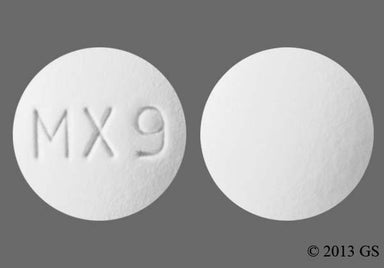
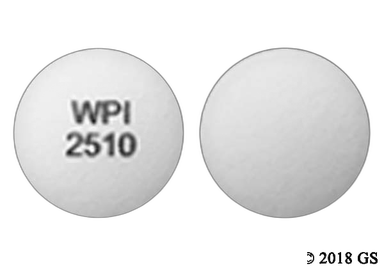
Budesonide (Uceris) images