






PCSK9 Inhibitors vs. Statins for High Cholesterol: 7 Ways They Compare
PCSK9 inhibitors and statins are both proven to lower LDL cholesterol. Compare side effects and uses, and discover which option is right for you.
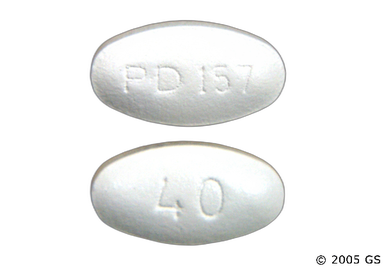
Atorvastatin (Lipitor) is a statin that helps lower cholesterol. As a moderate-to-high-intensity statin, it can lower cholesterol by a greater amount than many other statins. It can also help protect your heart health. The dosage is taken by mouth once a day. Atorvastatin tablets are available as brand-name Lipitor and a generic. There's also a liquid form that only comes as brand name Atorvaliq. It's possible to have side effects like muscle pain, joint pain, and stomach upset. Most times, atorvastatin (Lipitor) is taken along with a heart-healthy diet to get the most benefits from treatment.

Atorvastatin (Lipitor) is a statin. The main way it works is by blocking a protein in your liver that makes cholesterol. By blocking this protein, the medication affects different types of cholesterol and fats in the body.
| Common Brands | Lipitor, Atorvaliq |
|---|---|
| Drug Class | Statin |
| Controlled Substance Classification | Not a controlled medication |
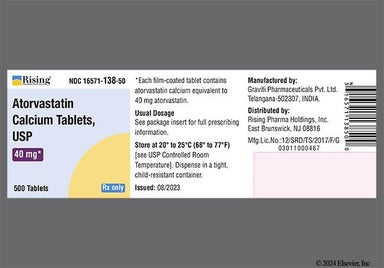
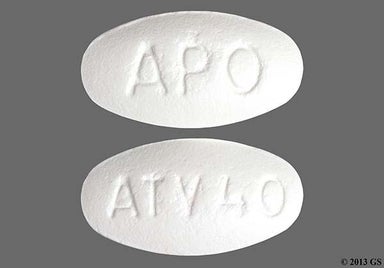
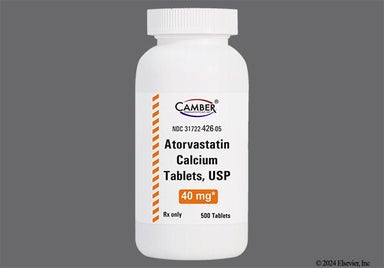
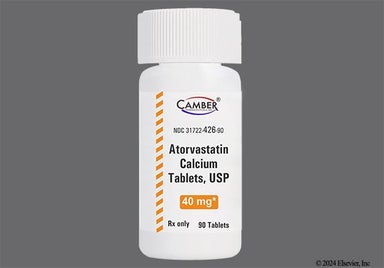
| Generic Status | Lower-cost generic available |
| Availability | Prescription only |

The following side effects may get better over time as your body gets used to the medication. Let your healthcare provider know immediately if you continue to experience these symptoms or if they worsen over time.
Contact your healthcare provider immediately if you experience any of the following.
Along with its needed effects, a medicine may cause some unwanted effects. Although not all of these side effects may occur, if they do occur they may need medical attention.
Check with your doctor immediately if any of the following side effects occur:
Less common or rare
difficulty with swallowing
dizziness
fast heartbeat
muscle cramps, pain, stiffness, swelling, or weakness
puffiness or swelling of the eyelids or around the eyes, face, lips, or tongue
tightness in the chest
unusual tiredness or weakness
Incidence not known
Blistering, peeling, or loosening of the skin
chills
dark-colored urine
joint pain
large, hive-like swelling on the face, eyelids, lips, tongue, throat, hands, legs, feet, or sex organs
red skin lesions, often with a purple center sore
red, irritated eyes
sores, ulcers, or white spots in the mouth or on the lips
Some side effects may occur that usually do not need medical attention. These side effects may go away during treatment as your body adjusts to the medicine. Also, your health care professional may be able to tell you about ways to prevent or reduce some of these side effects. Check with your health care professional if any of the following side effects continue or are bothersome or if you have any questions about them:
More common
Headache
hoarseness
lower back or side pain
pain or tenderness around the eyes and cheekbones
painful or difficult urination
stuffy or runny nose
Less common
Back pain
belching or excessive gas
general feeling of discomfort or illness
heartburn, indigestion, or stomach discomfort
lack or loss of strength
loss of appetite
shivering
stomach pain
sweating
trouble sleeping
vomiting
Incidence not known
Appetite increased
black, tarry stools
bloody nose
bloody or cloudy urine
blurred vision
continuing ringing or buzzing or other unexplained noise in the ears
difficult, burning, or painful urination
difficulty seeing at night
excessive muscle tone or tension
fruit-like breath odor
groin or scrotum pain
inability to have or keep an erection
increased body movements
increased sensitivity of the eyes to light
increased sensitivity to touch or pain
increased thirst
increased urination
loss of bladder control
loss of sexual ability, drive, or desire
menstrual bleeding occurring earlier or lasting longer than usual
mental depression
nervousness
nightmares
pale skin
paranoia
pinpoint red spots on the skin
slurred speech
swollen or tender lymph glands in the neck, armpit, or groin
unable to move or feel face
unusual bleeding or bruising
Other side effects not listed may also occur in some patients. If you notice any other effects, check with your healthcare professional.
Call your doctor for medical advice about side effects. You may report side effects to the FDA at 1-800-FDA-1088.



Tips for the atorvastatin (Lipitor) tablet:
Tips for Atorvaliq, the liquid form of atorvastatin:

Atorvastatin (Lipitor) can cause some serious health issues. This risk may be even higher for certain groups. If this worries you, talk to your doctor or pharmacist about other options.
Atorvastatin (Lipitor) can sometimes cause muscle pain or weakness. The risk is higher if you take other medications that cause muscle damage or interact with atorvastatin.
Rarely, atorvastatin (Lipitor) can cause a serious and life-threatening muscle problem called rhabdomyolysis. This can break down muscle tissue and lead to kidney damage. In rare cases, statins like atorvastatin (Lipitor) can also cause immune-mediated necrotizing myopathy (IMNM). This is an autoimmune condition that causes muscle inflammation and muscle weakness. This muscle problem might last even after you stop taking the statin.
Tell your care team if you have unusual muscle pain, soreness, or weakness so they can help you manage this side effect. But get medical care right away if the muscle pain is severe and you're unusually tired or have dark urine. These can be signs of a serious muscle problem like rhabdomyolysis. Depending on your symptoms, you might need to stop taking atorvastatin (Lipitor) and get treated for the muscle problem.
Some people who took atorvastatin (Lipitor) had higher liver enzyme levels. This can sometimes suggest liver problems. Most of the time, these changes are usually temporary and don't cause physical symptoms. But in some rare cases, serious liver problems leading to liver failure have happened.
Before starting atorvastatin (Lipitor), let your prescriber know if you have any liver problems. They might also ask for you to get a blood test done to check your liver health. People with serious liver problems shouldn't take this medication.
During your treatment with atorvastatin (Lipitor), your prescriber might ask for more blood tests to keep an eye on your liver. Watch for signs of liver damage and get medical help right away if you notice them. They can include yellow skin or eyes, stomach pain or swelling, nausea, vomiting, dark urine, or dark or bloody stools. You might need to stop taking atorvastatin (Lipitor) to prevent further liver damage.
Some research suggests that statins like atorvastatin (Lipitor) might raise blood sugar levels a little. This can sometimes raise your A1C, which is your average blood sugar over about 3 months. But still, healthcare professionals believe the benefits of statins are greater than this small risk.
Tell your prescriber if you have diabetes or high blood sugar. They might want you to check your blood sugar more often while you take atorvastatin (Lipitor). Eating nutritious foods and staying active can help keep both your cholesterol and blood sugar under control.
Some studies suggest that people who recently had a stroke or a transient ischemic attack (TIA, or "ministroke") might have a higher risk of brain bleeding when taking the highest dose of atorvastatin (Lipitor), which is 80 mg. But other studies didn't find any evidence of this risk.
If you've had a stroke or "ministroke" in the past 6 months, let your prescriber know. They can talk with you about the risks and benefits of taking atorvastatin (Lipitor). If it's a safe choice for you, they can help choose a safe dose for you to take.
If you become pregnant, stop taking atorvastatin (Lipitor) and tell your prescriber right away. This medication isn't recommended during pregnancy unless the benefits are greater than the risks. Statins might harm an unborn baby. Talk to your prescriber about the safest treatment options for you if you're pregnant or planning to become pregnant.
Breastfeeding is also not recommended while you're taking atorvastatin (Lipitor). Some statins can pass into breast milk and might harm your baby. Talk to your prescriber or a lactation expert about safe ways to feed your baby.

 Tablet
| Dosage | Quantity | Price as low as | Price per unit |
|---|---|---|---|
| 10mg | 90 tablets | $15.32 | $0.17 |
| 20mg | 90 tablets | $10.29 | $0.11 |
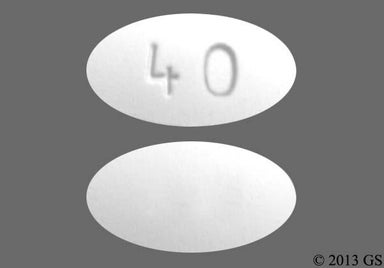
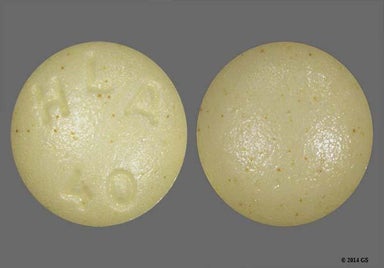
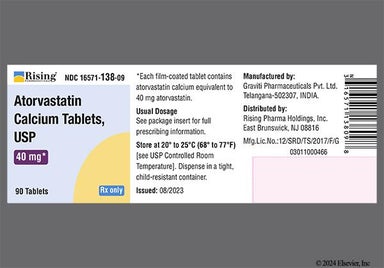
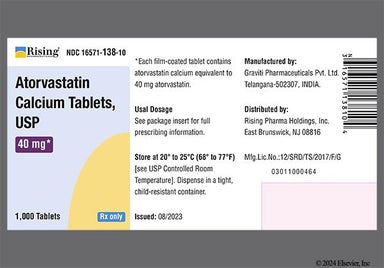
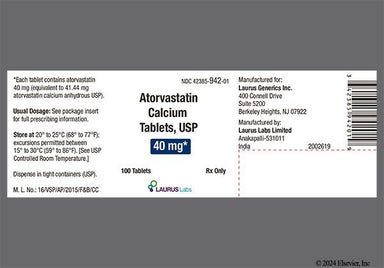
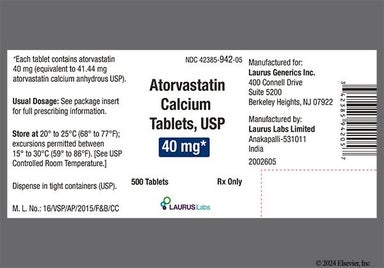
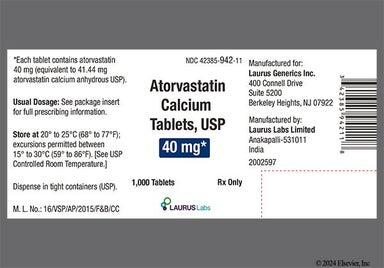
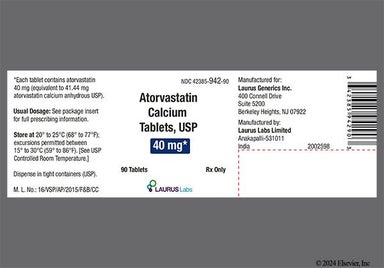
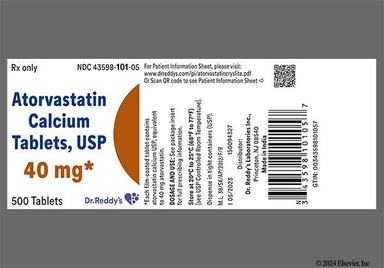
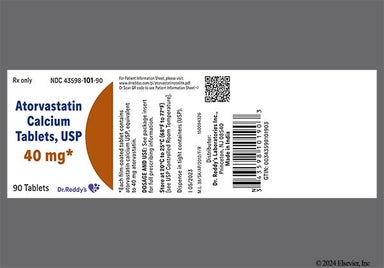
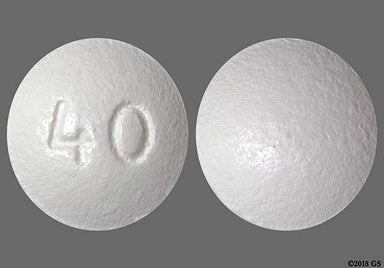
| 40mg | 30 tablets | $9.73 | $0.32 |
| 80mg | 90 tablets | $22.36 | $0.25 |
Adults: The typical starting dose ranges from 10 mg to 20 mg by mouth once daily. Your prescriber will adjust the dose depending on your cholesterol levels. The typical maintenance dose ranges between 10 mg and 80 mg once daily.
Children 10 years and older with HeFH: The typical starting dose is 10 mg by mouth once daily. The prescriber will adjust the dose depending on your child's cholesterol levels. The typical maintenance dose ranges between 10 mg and 20 mg once daily.
Children 10 years and older with HoFH: The typical starting dose ranges from 10 mg to 20 mg by mouth once daily. The prescriber will adjust the dose depending on your child's cholesterol levels. The typical maintenance dose ranges between 10 mg and 80 mg once daily.
Your dose might be also be adjusted if you have bothersome or serious side effects or if you take certain medications that interact with atorvastatin (Lipitor).

Although certain medicines should not be used together at all, in other cases two different medicines may be used together even if an interaction might occur. In these cases, your doctor may want to change the dose, or other precautions may be necessary. When you are taking this medicine, it is especially important that your healthcare professional know if you are taking any of the medicines listed below. The following interactions have been selected on the basis of their potential significance and are not necessarily all-inclusive.
Using this medicine with any of the following medicines is not recommended. Your doctor may decide not to treat you with this medication or change some of the other medicines you take.
Using this medicine with any of the following medicines is usually not recommended, but may be required in some cases. If both medicines are prescribed together, your doctor may change the dose or how often you use one or both of the medicines.
Using this medicine with any of the following medicines may cause an increased risk of certain side effects, but using both drugs may be the best treatment for you. If both medicines are prescribed together, your doctor may change the dose or how often you use one or both of the medicines.


Contraindications are specific health conditions or situations in which a person should not take a medication due to safety concerns. If you have any of the following conditions or if any of the following apply to you, let your healthcare provider know because Atorvastatin (Lipitor) will not be safe for you to take.












Prescription savings
Stop paying too much for your prescriptions. Compare prices, get pharmacy coupons, and save up to 80%.Resources
About GoodRx
 Find expert answers to your health questions so you can make the best decisions for yourself and your family.
Health conditions
Medications & treatment
Access & affordability
Well-being
Medication discounts

