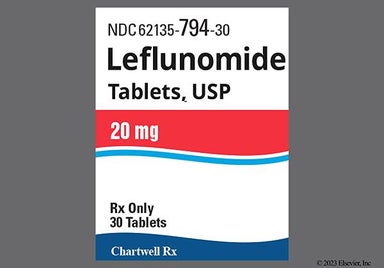
Leflunomide (Arava) is a non-biologic, disease-modifying antirheumatic drug (DMARD). It's used to treat rheumatoid arthritis (RA) in adults. This medication is a tablet that's taken by mouth once per day. Your care team will regularly follow up with you throughout treatment because leflunomide (Arava) can potentially cause many side effects. Common side effects include stomach upset, headache, rash, hair loss, and high blood pressure. Liver damage and severe infections are some of the rarer, but more serious, side effects.
Leflunomide (Arava) is a non-biologic, disease-modifying antirheumatic drug (DMARD). It blocks certain proteins and cells of the immune system that are overactive from turning on. This lowers inflammation in the joints, which helps treat symptoms and prevent joint damage in people with rheumatoid arthritis.
The following side effects may get better over time as your body gets used to the medication. Let your healthcare provider know immediately if you continue to experience these symptoms or if they worsen over time.
Contact your healthcare provider immediately if you experience any of the following.
Liver problems: nausea, vomiting, stomach pain, swelling of your stomach, yellowing of your skin or the whites of your eyes, clay-colored stool, confusion
Serious infections: fever, difficulty breathing, weakness, cough, sweating, chills, stomach pain, diarrhea, burning when you urinate, urinating more often
The following Leflunomide (Arava) side effects have also been reported
Along with its needed effects, a medicine may cause some unwanted effects. Although not all of these side effects may occur, if they do occur they may need medical attention.
Check with your doctor immediately if any of the following side effects occur:
Some side effects may occur that usually do not need medical attention. These side effects may go away during treatment as your body adjusts to the medicine. Also, your health care professional may be able to tell you about ways to prevent or reduce some of these side effects. Check with your health care professional if any of the following side effects continue or are bothersome or if you have any questions about them:
Can cause a lot of side effects (e.g., stomach upset, infections, hair loss, liver problems, skin reactions)
Can stay in your body for a few years after you stop treatment
Can't use during pregnancy or in children
Pharmacist tips for Leflunomide (Arava)
Mark your appointments on your calendar to see your rheumatologist and to get any lab tests done (e.g., liver tests, blood cell count, blood pressure checks). These follow-ups are important because your rheumatologist is making sure that the medication is working well for you and is checking for any side effects.
Take leflunomide (Arava) at the same time every day with or without food. Keep in mind that nausea and diarrhea are possible side effects, so taking it with food can help prevent or ease stomach upset.
Before you get any vaccines, let your primary care provider or pharmacist know that you're taking leflunomide (Arava). They can make sure the vaccine is safe for you. In general, avoid getting live vaccines during treatment. This medication weakens your immune system. This might make live vaccines work less well for you and make you get sick from the vaccine itself. After you stop leflunomide (Arava), don't get a live vaccine until your care team says you can.
Let your rheumatologist know if you want to stop taking leflunomide (Arava). This medication can stay in your body for up to 2 years after you've stopped taking it. When you want to stop the medication, you'll need to go through a specific process to "quickly" get rid of leflunomide from your body. This process involves taking either cholestyramine or activated charcoal for 11 days. Ask your rheumatologist for more information about stopping the medication.
Tell your rheumatology care team about all the medications you're taking or planning to take.Leflunomide (Arava) can interact with other medications. For example, it can cause the blood thinner warfarin (Coumadin) to work less well and raise your risk for blood clots. Additionally, taking leflunomide (Arava) with medications that weaken your immune system could raise your risk for serious infections.
If you or your partner is able to become pregnant, you must use birth control while you're taking leflunomide (Arava). This medication has a risk of causing severe harm to an unborn baby. Tell your rheumatologist right away if you're pregnant or thinking of getting pregnant while you're taking leflunomide (Arava).
It's not recommended to breastfeed while you're taking leflunomide (Arava) because the medication can potentially cause severe side effects in your baby. Talk to your rheumatologist about your options.
Risks and warnings for Leflunomide (Arava)
Leflunomide (Arava) can cause some serious health issues. This risk may be even higher for certain groups. If this worries you, talk to your doctor or pharmacist about other options.
Not safe during pregnancy
You can't take leflunomide (Arava) if you're pregnant because the medication can cause severe and life-threatening harm to an unborn baby. Your rheumatologist might ask you to do a pregnancy test before you start leflunomide (Arava) to make sure you're not pregnant.
If you can become pregnant, you must use effective birth control while you're taking leflunomide (Arava). Let your rheumatology care team know right away if you become pregnant at any time during and even after treatment. You'll need to take specific medications to help your body get rid of leflunomide (Arava) quickly to lower the risk of harm to the baby. It's also encouraged to report the pregnancy to the manufacturer by calling 1-877-311-8972.
Liver problems
Risk factors: History of liver problems | Taking medications that can harm the liver
Some people had liver damage while they were taking leflunomide (Arava). Some cases of liver damage were severe and required a liver transplant.
Tell your care team about your medical history and all the medications you take or plan to take. The risk for liver damage during treatment is higher for people who already have liver problems or for people who take other medications that harm the liver. You won't be able to take leflunomide (Arava) if you have serious liver problems.
Your provider will monitor your liver closely through blood tests while you're taking leflunomide (Arava). They might ask you to stop leflunomide (Arava) if you have symptoms of liver damage, such as feeling more tired, having little to no appetite, having yellowing of the skin or eyes, or dark-colored urine.
Serious infections
Risk factors: Active, chronic, or recurrent infection | Having other medical conditions that raise your risk of infection | Living in or traveling to places with high rates of infections | Taking medications that weaken your immune system
Leflunomide (Arava) can affect your body's ability to fight infections. This can raise your risk for serious and sometimes life-threatening bacterial, viral, or fungal infections. Before you start leflunomide (Arava), your rheumatologist will screen you for infections, such as tuberculosis (TB), to make sure the medication is safe for you to take.
To be safe, your rheumatologist will probably recommend a different treatment for your RA if you already have a weakened immune system because of a medical condition (e.g., cancer) or because of other medications (e.g., transplant medications).
Go to the hospital right away if you develop symptoms of an infection, such as fever, cough, difficulty breathing, weakness, sweating, chills, or diarrhea, while you're taking leflunomide (Arava). You should get tested for an infection and get proper treatment if needed. You might have to stop taking leflunomide (Arava) so your body can fight the infection.
Low blood cell counts
Leflunomide (Arava) can lower your blood cell counts. This means your platelet count can drop (thrombocytopenia), putting you at risk for severe bleeding. You might also be at risk for anemia. In addition, having a lower white blood cell count can raise your risk for infection.
Your rheumatologist will order blood draws to check your blood cell counts regularly throughout treatment. Tell your care team if you have symptoms of low platelets, like unusual bleeding, bleeding that lasts for a long time, difficulty stopping bleeds, or easy bruising. Also get medical help if you think you have an infection — look out for fever, chills, tiredness, cough, body aches, and runny nose.
Serious allergic reactions and skin reactions
Severe allergic reactions to leflunomide (Arava) are possible, including life-threatening reactions like facial swelling and anaphylaxis (e.g., closing of the throat). Though rare, this medication can also cause drug reaction with eosinophilia and systemic symptoms (DRESS), which can look like fever, rash, and swollen lymph nodes.
Leflunomide (Arava) can also cause sudden and serious skin reactions like Stevens-Johnson Syndrome (SJS). Symptoms can include fever, body aches, rash, peeling skin, painful blisters all over your body, and swelling of the face.
Stop using leflunomide (Arava) and get medical attention right away if you have any allergic reactions or skin reactions to the medication.
Nerve pain
Risk factors: Age 60 years and older | Taking other medications that can worsen nerve pain | Diabetes
Leflunomide (Arava) can cause nerve pain. For most people, it goes away after stopping the medication. But a few people might continue to experience nerve pain even after they stop leflunomide (Arava). If you start having nerve pain during treatment, your rheumatologist might ask you to stop leflunomide (Arava). You might have to go through a process that helps get rid of the medication from your body quickly to ease this side effect. Contact your care team if you have any pain, numbness, or tingling in your hands or feet.
Lung problems
Risk factors: History of lung or breathing problems
Though rare, people who took leflunomide (Arava) have developed interstitial lung disease (ILD), or scarring of the lung tissue. This lung problem can occur at any time during treatment and it can sometimes be life-threatening. Call your rheumatologist right away if you have symptoms of ILD, like cough or trouble breathing. You might need to go through a special process of taking certain medications to get rid of leflunomide (Arava) from the body quickly to help prevent further lung damage.
High blood pressure
Leflunomide (Arava) might raise your blood pressure. Your rheumatologist will check your blood pressure before you start treatment. The care team will also check your blood pressure at every follow-up visit while you're taking leflunomide (Arava). Let your care team know if you notice that your blood pressure is higher than what it was before you started leflunomide (Arava).
Slow removal of leflunomide (Arava) from your body
After you stop taking leflunomide (Arava), it can take up to two years for your body to completely get rid of the medication. This is important to consider if you're planning on becoming pregnant or have unwanted or serious side effects. Your rheumatologist might prescribe cholestyramine (Prevalite) or activated charcoal for you to take for 11 days to help speed up the process of removing leflunomide (Arava) from your body.
Leflunomide (Arava) dosage
The average cost for 90 tablets of 20mg of Leflunomide (Arava) is $45.77 with a free GoodRx coupon. This is 94.38% off the average retail price of $814.89.
Interactions between Leflunomide (Arava) and other drugs
Leflunomide (Arava) may interact with certain medications or supplements. Always let your doctor and pharmacist know about any other medications or supplements (including prescribed and over-the-counter medications, vitamins, and dietary or herbal supplements) that you are currently taking. The list below does not include all possible drug interactions with Leflunomide (Arava). Please note that only the generic name of each medication is listed below.
Although certain medicines should not be used together at all, in other cases two different medicines may be used together even if an interaction might occur. In these cases, your doctor may want to change the dose, or other precautions may be necessary. When you are taking this medicine, it is especially important that your healthcare professional know if you are taking any of the medicines listed below. The following interactions have been selected on the basis of their potential significance and are not necessarily all-inclusive.
Using this medicine with any of the following medicines is not recommended. Your doctor may decide not to treat you with this medication or change some of the other medicines you take.
Using this medicine with any of the following medicines is usually not recommended, but may be required in some cases. If both medicines are prescribed together, your doctor may change the dose or how often you use one or both of the medicines.
Contraindications are specific health conditions or situations in which a person should not take a medication due to safety concerns. If you have any of the following conditions or if any of the following apply to you, let your healthcare provider know because Leflunomide (Arava) will not be safe for you to take.
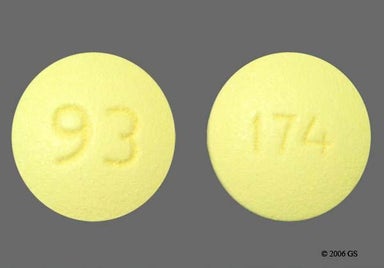
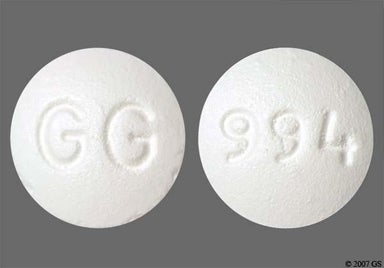
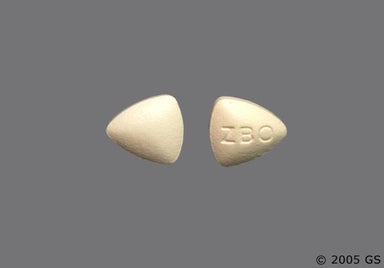
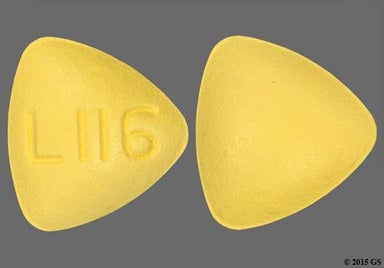
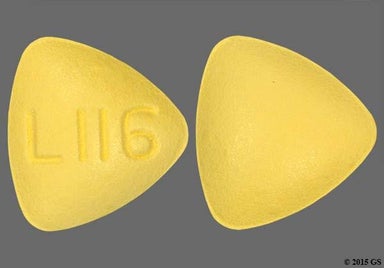
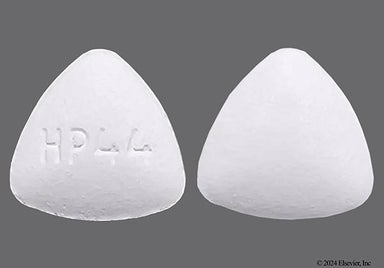
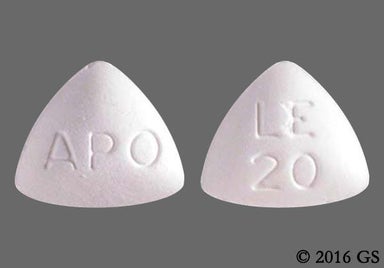
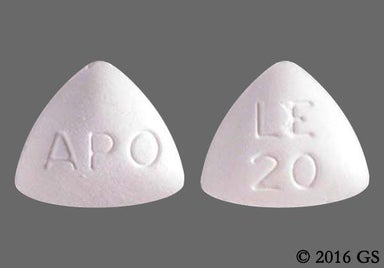
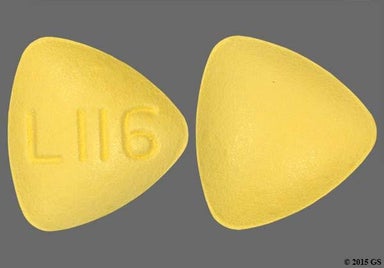
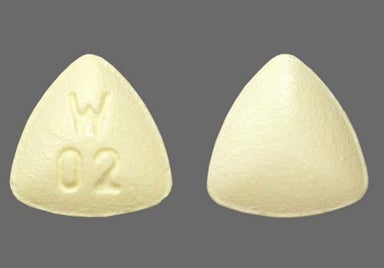
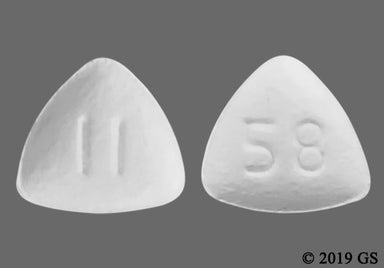
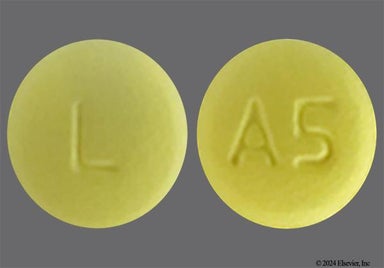
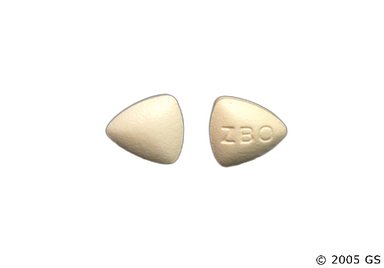
This medicine is Yellow, Round Tablet Imprinted With "93", "174".Yellow Round 174 - Leflunomide 20mg TabletThis medicine is White, Round Tablet Imprinted With "Gg", "994".White Round 994 - Leflunomide 20mg TabletThis medicine is Yellow, Triangle Tablet Imprinted With "Zbo".Yellow Triangle ZBO - Leflunomide 20mg TabletThis medicine is Yellow, Triangle Tablet Imprinted With "L116".Yellow Triangle L116 - Leflunomide 20mg TabletThis medicine is Yellow, Triangle Tablet Imprinted With "L116".Yellow Triangle L116 - Leflunomide 20mg TabletThis medicine is White, Triangle Tablet Imprinted With "Hp44".White Triangle HP44 - Leflunomide 20mg TabletThis medicine is White, Triangle Tablet Imprinted With "Apo", "Le 20".White Triangle LE 20 - Leflunomide 20mg TabletThis medicine is White, Triangle Tablet Imprinted With "Apo", "Le 20".White Triangle LE 20 - Leflunomide 20mg TabletThis medicine is White, Triangle Tablet Imprinted With "Hp44".White Triangle HP44 - Leflunomide 20mg TabletThis medicine is Yellow, Triangle Tablet Imprinted With "L116".Yellow Triangle L116 - Leflunomide 20mg TabletThis medicine is Yellow, Triangle Tablet Imprinted With "W02".Yellow Triangle W02 - Leflunomide 20mg TabletThis medicine is White, Triangle Tablet Imprinted With "11", "58".White Triangle 11 - Leflunomide 20mg TabletThis medicine is Yellow, Round Tablet Imprinted With "L", "A5".Yellow Round A5 - Leflunomide 20mg Tablet
GoodRx Health has strict sourcing policies and relies on primary sources such as medical organizations, governmental agencies, academic institutions, and peer-reviewed scientific journals. Learn more about how we ensure our content is accurate, thorough, and unbiased by reading our editorial guidelines.
Prescription savings
Stop paying too much for your prescriptions. Compare prices, get pharmacy coupons, and save up to 80%.
Plans start at $9.99/mo. (when paid yearly). Terms apply.
Common questions about Leflunomide
Leflunomide can potentially cause many side effects, like headache, hair loss, nausea, diarrhea, and headache. They might get better with time as you continue to take the medication. There are also some potentially serious risks, such as liver damage, low blood cell counts, and infection. Your rheumatologist will regularly monitor you for these serious risks, for example with blood testing to check your liver function and blood cell counts. Your rheumatologist might lower your Leflunomide dose or stop treatment if it's suspected that the medication is causing serious side effects. Ask your rheumatologist or pharmacist if you have any questions about the possible risks and side effects from Leflunomide.
Ask your rheumatologist or pharmacist before taking any pain medications at the same time as Leflunomide. Your rheumatologist or pharmacist can check for interactions that might be harmful. For example, both acetaminophen (Tylenol) and Leflunomide can raise your risk for liver problems, so your care team might recommend you to avoid this combination. Additionally, while it's generally safe to take nonsteroidal anti-inflammatory drugs (NSAIDs) like ibuprofen (Advil) with Leflunomide, taking both medications can worsen side effects or risks that they share, like nausea, bleeding, and high blood pressure. Your care team can suggest safer ways to relieve any pain while you're taking Leflunomide.
Yes, Leflunomide is an immunosuppressant, or a medication that can weaken your immune system. Leflunomide blocks certain proteins in your immune system to make it less active and lessen inflammation in the joints. But having a less active immune system can put you at risk for serious infections. Get medical help if you think you might be sick or if you have a fever.
Leflunomide can start to work as early as 4 weeks for some people. But keep in mind that it can take longer to get the maximum benefit from the medication. Also, everyone responds differently to medications, so it's possible that Leflunomide might work slower or faster for you. Contact your rheumatologist if you're not sure whether Leflunomide is helping your RA symptoms.
It's technically possible to just stop taking Leflunomide. But don't stop taking the medication without talking to your rheumatologist first. Your RA symptoms might come back after you stop Leflunomide if it's been helping you. Also keep in mind that it can take up to 2 years for your body to completely get rid of the medication. This means that it's possible for any side effects you're having from the medication to last as long as this time frame. Discuss with your rheumatologist about stopping Leflunomide. If needed, they can prescribe cholestyramine (Prevalite) or activated charcoal for you to take for 11 days to speed up the process of removing leflunomide from your body.






 You can't take leflunomide (Arava) if you're pregnant because the medication can cause severe and life-threatening harm to an unborn baby. Your rheumatologist might ask you to do a pregnancy test before you start leflunomide (Arava) to make sure you're not pregnant.
 If you can become pregnant, you must use effective