acetaminophen / caffeine / dihydrocodeine
Trezix is an opioid combination medication used to relieve pain when non-opioid medications don't provide enough relief. Taking Trezix for a long period of time can become habit-forming, and people can have bothersome symptoms if it's stopped suddenly. You also might have to limit how much caffeine you eat or drink; otherwise, you can experience nervousness and a fast heartbeat from too much caffeine.


What is Trezix?
What is Trezix used for?
- Pain that isn't relieved by non-opioid medications
How Trezix works
Trezix is a combination of three medications that work together to relieve pain in different ways.
- Acetaminophen is a non-opioid pain reliever (analgesic). It's unclear how acetaminophen works, but it's thought to work on many chemical pathways in your brain to relieve pain.
- Caffeine is an adenosine antagonist. It blocks the activity of a natural chemical in the body called adenosine. It's also unclear how exactly caffeine works for pain, but it's thought to boost the activity of pain relievers.
- Dihydrocodeine is an opioid. It binds to certain parts of your brain, called mu-opioid receptors, and lowers how much pain you feel.
Drug facts
| Common Brands | Trezix |
|---|---|
| Drug Class | Analgesic / Adenosine antagonist / Opioid |
| Controlled Substance Classification | Schedule III |
| Generic Status | Lower-cost generic available |
| Availability | Prescription only |

Risks and warnings for Trezix
Trezix can cause some serious health issues. This risk may be even higher for certain groups. If this worries you, talk to your doctor or pharmacist about other options.
Potential for addiction, abuse, and misuse
- Risk factors: Personal or family history of substance or alcohol abuse or addiction | History of mental health conditions
 Even at recommended doses, Trezix can cause addiction, abuse, or misuse. Using Trezix for reasons other than prescribed (misuse) or at higher doses than prescribed can lead to overdose and death. To lower this risk, your healthcare provider will prescribe the lowest amount of Trezix that's necessary for you for the shortest period of time possible.
 Because the medication contains an opioid, the FDA requires a Risk Evaluation and Mitigation Strategy (REMS) program for Trezix due to its high risk of addiction, abuse, and misuse. Under the REMS program, your healthcare provider will go over how to use the medication safely, what its risks are, and proper storage and disposal to help keep you and your loved ones safe. If you have concerns about taking Trezix, talk to your provider about other treatment options for pain.
Potentially life-threatening slowed breathing (respiratory depression)
- Risk factors: Age 65 years and older | Extreme weakness (debilitation) | Chronic obstructive pulmonary disease (COPD) | Taking sedatives or other medications that can cause respiratory depression | Conditions that cause respiratory depression | Taking high doses of Trezix | Having certain genetics that activate codeine faster
Trezix can cause irregular or slowed breathing, especially when first starting the medication or after your dose is raised. Respiratory depression can happen at any time, even at recommended doses. If you have shortness of breath, slow or shallow breathing, or bluish-colored lips, fingers, or toes, get medical help right away. Respiratory depression can cause you to stop breathing and lead to death, so it's important to recognize breathing problems and treat them as soon as possible.
Alcohol and other medications, like benzodiazepines, sedatives, anxiety medications, and certain muscle relaxants, can slow down your breathing even more. Don't take these medications with Trezix.
Some people are born with certain genes that activate dihydrocodeine faster than those who don't have this genetic factor. If you're one of these people, you can be very sensitive to the effects of dihydrocodeine. Even at recommended doses, you can experience life-threatening respiratory depression or overdose. Because of this dangerous risk, you shouldn't use medications containing codeine or dihydrocodeine, including Trezix, if you have these genes. Your provider can help you see if you have this genetic factor.
Overdose
- Risk factors: History of opioid use disorder | Previous opioid overdose | Taking sedatives or other medications that can cause slowed breathing or heartbeat | Alcohol use | Taking high opioid doses | Taking more opioids than prescribed | Age 65 years or older | Having certain genes that activate codeine faster
Overdose can happen at recommended doses of Trezix, if your prescriber incorrectly converts your Trezix dose from a different opioid medication, or if it's accidentally taken by a child or a loved one. It can also happen if you take higher doses than prescribed or take the medication more often than prescribed. Overdoses can be life-threatening and lead to death if it's not recognized or treated in time.
Overdose symptoms include extremely slowed breathing, slow heartbeat, extreme sleepiness, cold or clammy skin, or not responding to sound or touch. Call 911 right away if you think an overdose has happened. Your healthcare provider might prescribe naloxone (Narcan), a medication used to reverse life-threatening opioid overdose. It's important for you and your caregiver to know how to use naloxone (Narcan) in case an accidental overdose happens.
High risk to children
- Risk factors: Obstructive sleep apnea
Children can be more sensitive to codeine (and dihydrocodeine) and have a higher risk of life-threatening respiratory depression or overdose. Accidental ingestion of even one capsule in a child can cause overdose and death. Some children who took codeine for pain management after tonsil or adenoid surgery have died because of respiratory depression. Because of this risk, Trezix shouldn't be given to children younger than 12 years of age or to those younger than 18 years of age if they recently had tonsil or adenoid surgery. Keep this medication out of reach from children. If you suspect your child has taken Trezix or if you notice signs of extreme tiredness, sleepiness, and slowed breathing, call 911 right away.
Liver damage
- Risk factors: Taking more than 3 to 4 grams of acetaminophen in a day | History of liver problems | Alcohol use
Trezix contains acetaminophen. The maximum amount of acetaminophen you can take in a day is 3 to 4 grams, depending on your provider's instructions. Ask your healthcare provider what your daily acetaminophen maximum is.
Taking more than your daily acetaminophen maximum can cause serious liver damage, and rarely, liver failure or death. Let your provider know if you notice stomach pain, dark urine, yellowing of your skin or eyes, or sweating. Also let them know if you've accidentally taken more than your acetaminophen maximum, even if you feel well.
Because of the risk of liver damage, taking more than one medication containing acetaminophen is not recommended. Many over-the-counter pain, fever, cold, and flu medications also contain acetaminophen. Check to see if any of your other medications contain acetaminophen and be aware of how much you take in a day. Ask your provider if you're unsure whether a medication contains acetaminophen.
Interactions with other medications
Certain medications can interfere with how your body gets rid of Trezix or how quickly dihydrocodeine works. This can affect the amount of Trezix in your body, how well it works, and the risk of side effects.
Some medications, like erythromycin (Ery-Tab), ketoconazole, and ritonavir (Norvir), can raise the levels of Trezix in your body, especially if you start one of these medications while you're already taking a stable dose of Trezix. Higher levels can lead to potentially deadly slowed breathing.
On the other hand, medications, such as rifampin (Rifadin), carbamazepine (Tegretol), and phenytoin (Dilantin), can lower the levels of Trezix in your body. This can cause Trezix to not work as well, and it might cause bothersome side effects. Other medications, like fluoxetine (Prozac) and bupropion (Wellbutrin), can block the activation of dihydrocodeine, which can also cause Trezix to not work as well and trigger withdrawal symptoms.
In addition, if you're already taking stable doses of Trezix together with one of these other medications, don't stop taking them suddenly, since this can also lead to unsafe Trezix levels. Let your provider or pharmacist know what other medications you’re taking before starting Trezix to make sure your medications are safe for you to take.
Harm to newborn babies
- Risk factors: Taking Trezix for a long period of time during pregnancy | Having certain genetics that activate codeine faster
During pregnancy, opioids can be passed from you to your unborn baby. Long-term use during pregnancy can cause your unborn baby to become dependent on opioids the same way that you can. Once your baby is born, they can experience withdrawal symptoms just like if you were to stop the medication suddenly. Withdrawal symptoms in your newborn can include high-pitched crying, poor feeding and sucking behavior, trembling, irritability, abnormal sleep patterns, and seizures. This condition is called neonatal opioid withdrawal syndrome and can be life-threatening if not recognized and treated in time. Providers who are experts in this area will know how to treat your newborn. Let your healthcare provider know if you've used Trezix during pregnancy or if you notice these symptoms in your baby.
Harm to breast-fed babies
- Risk factors: Taking Trezix while breastfeeding | Having certain genetics that activate codeine faster
Dihydrocodeine can be found in breast milk. At least one breast-fed baby died after being exposed to high levels of opioids in breast milk. Mothers with certain genetic factors that activate dihydrocodeine quickly can have higher concentrations of the medication in their breast milk, which can then be passed to their breast-fed baby. This can cause life-threatening respiratory depression and death in the baby. Because of this risk, Trezix is not recommended for people who are breastfeeding. Ask your provider for alternative pain medications that can be used while breastfeeding.
Difficulty concentrating and extreme sleepiness
- Risk factors: Age 65 years and older | Taking other medications that make you less alert or slow your body down
Dihydrocodeine can cause extreme sleepiness and lower your ability to think, react, and focus. Alcohol and other medications, like benzodiazepines, sedatives, anxiety medications, and certain muscle relaxants, can make you feel even worse. It's best to avoid drinking alcohol or taking these medications while taking Trezix. Make sure you know how this medication affects you before driving a car or doing activities that require your concentration. Talk to your healthcare provider right away if you feel too sleepy from taking Trezix.
Physical dependence and withdrawal
- Risk factors: Taking Trezix for a long period of time | Taking medications containing buprenorphine
If taken regularly for a long time, Trezix can cause physical dependence. This means your body relies on the medication to function. You might experience withdrawal if you stop taking the medication suddenly. Withdrawal symptoms include suicidal thoughts, the return of your pain, anxiety, restlessness, runny nose, yawning, sweating, chills, wide pupils, and irritability. Don't lower your dose or stop taking the medication suddenly without talking to your healthcare provider first. Your provider will slowly lower your dose to prevent withdrawal symptoms. If you have concerns about taking the medication because of these risks, talk to your healthcare provider about alternative pain medications.
Also avoid taking Trezix with medications containing buprenorphine, like Butrans, Probuphine, or Suboxone (buprenorphine / naloxone), because they can affect how well Trezix works and they might trigger withdrawal symptoms.
Serotonin syndrome
- Risk factors: Taking medications that raise serotonin levels
Taking Trezix with medications that raise serotonin levels in your body can lead to a potentially life-threatening condition called serotonin syndrome. Serotonin is a natural chemical in your body that your brain and nerves use to communicate, but at very high levels, serotonin can cause hallucinations, coma, seizures, confusion, high fevers, racing heart, sweating, and muscle stiffness or twitching. Watch for signs of serotonin syndrome if you need to take Trezix with certain medications, including sertraline (Zoloft), fluoxetine (Prozac), paroxetine (Paxil), and duloxetine (Cymbalta). If you experience any of these symptoms, stop taking Trezix and get medical help right away.
Low hormone levels
Opioids can cause your hormone levels to drop. This is more likely to happen if you take the medication for longer than a month. Symptoms of very low hormone levels include nausea, vomiting, loss of appetite, tiredness, dizziness, and weakness. Let your healthcare provider know right away if you experience these symptoms.
Seizures
- Risk factors: History of seizure conditions
Opioids can cause more frequent seizures in people who've had seizures in the past or in other situations where seizures can occur. Let your healthcare provider know if you have seizures more often while taking Trezix.

Side effects of Trezix
The following side effects may get better over time as your body gets used to the medication. Let your healthcare provider know immediately if you continue to experience these symptoms or if they worsen over time.
Common Side Effects
- Lightheadedness or dizziness
- Sleepiness
- Headache
- Fatigue
- Nausea
- Vomiting
- Diarrhea
- Constipation
- Stomach pain
- Itchiness
- Skin irritation
- Anxiety
- Excitement
- Trouble sleeping
- Irritability
- Restlessness
- Feeling tense
- Tremor or shaking
- Sweating
- Racing heart
- Urinating more than usual
- Ringing of the ears
- Blind spots in your vision
Less Common Side Effects
- Slowed breathing
- Confusion
- Small pupils
- Difficulty urinating
- Kidney problems
- Dry mouth
- Indigestion
- Loss of appetite
- Hallucinations
- Vivid dreams
- Abnormal blood cell counts
- Erectile dysfunction
- Loss of menstrual period
Trezix serious side effects
Contact your healthcare provider immediately if you experience any of the following.
- Extremely slowed breathing
- Overdose: extremely slowed breathing, not responding to sound or touch, slow heartbeat, extreme sleepiness, small pupils the size of a pinhead, pale, blue, or cold or clammy skin
- Withdrawal: suicidal thoughts, anxiety, irritability, runny nose, widened pupils, yawning, sweating, chills
- Serious liver damage: stomach pain, dark urine, yellowing of your skin or eyes, sweating
- Serious skin reactions: reddening or peeling of the skin, painful rash, fluid-filled blisters
- Serotonin syndrome: hallucinations, coma, seizures, confusion, high fevers, racing heart, sweating, muscle stiffness or twitching
- Seizures
The following Trezix side effects have also been reported
Side effects that you should report to your care team as soon as possible:
- Allergic reactions—skin rash, itching, hives, swelling of the face, lips, tongue, or throat
- CNS depression—slow or shallow breathing, shortness of breath, feeling faint, dizziness, confusion, trouble staying awake
- Liver injury—right upper belly pain, loss of appetite, nausea, light-colored stool, dark yellow or brown urine, yellowing skin or eyes, unusual weakness or fatigue
- Low adrenal gland function—nausea, vomiting, loss of appetite, unusual weakness or fatigue, dizziness
- Low blood pressure—dizziness, feeling faint or lightheaded, blurry vision
- Pain or trouble swallowing, heartburn, chest pain
- Redness, blistering, peeling, or loosening of the skin, including inside the mouth
Side effects that usually do not require medical attention (report these to your care team if they continue or are bothersome):
- Constipation
- Dizziness
- Drowsiness
- Dry mouth
- Headache
- Nausea
- Vomiting

Pros and cons of Trezix
Pros
- Combines three medications into a single pill to relieve pain in different ways
- Available as a lower-cost generic medication
Cons
- High risk of misuse and dependency
- Must slowly lower the dose before stopping if it's taken for a long period of time
- Can cause constipation
- Not recommended to take with other medications containing acetaminophen, since it can raise the risk of liver damage
- A controlled medication, so there are special requirements to get a prescription filled

Pharmacist tips for Trezix

- Take Trezix exactly as prescribed. Taking the medication differently than prescribed can cause side effects, overdose, or withdrawal.
- If you've been taking opioids long term, don't lower your dose or stop taking the medication suddenly without talking to your healthcare provider first. This can cause withdrawal symptoms, such as restlessness, wide pupils, yawning, sweating, chills, and anxiety. You might need to slowly cut back over the course of a few days or weeks to prevent withdrawal.
- Trezix can make you sleepy and less alert. Avoid drinking alcohol or taking other medications that make you sleepy or react slower. Make sure you know how this medication affects you before driving a car or doing activities that require concentration.
- Dihydrocodeine can cause extremely low blood pressure, including a drop in blood pressure when you stand from a sitting or lying down position. This can lead to dizziness and fainting. To avoid falling, get up slowly if you've been sitting or lying down. If your dizziness or lightheadedness doesn't go away, talk to your healthcare provider.
- Constipation is a common side effect of Trezix. Drink plenty of water, take fiber supplements, or add more fiber-rich foods into your diet, like apples, spinach, and broccoli.
- Limit how much caffeine you eat or drink (e.g., tea, coffee, soft drinks, chocolate) while taking Trezix. Eating foods or drinking beverages that contain caffeine can raise your risk of side effects, such as nervousness, shakiness, a fast heartbeat, and stomach upset.
- Don't take other medications that contain acetaminophen while taking Trezix. Doing so can raise your risk of exceeding the maximum amount of acetaminophen you can take (3 to 4 grams in a day, depending on your provider's instructions). Taking more than this amount of acetaminophen can cause serious liver damage. Many over-the-counter pain, fever, cold, and flu medications contain acetaminophen. Ask your healthcare provider what your daily acetaminophen maximum is and if you're unsure whether a medication contains acetaminophen.
- Store Trezix out of reach from children, pets, or visitors. If you don't need to take Trezix anymore, throw away the medication through a take-back program. You can also throw the medication away by mixing it (don't crush) with dirt, cat litter, or used coffee grounds, placing the mixture into a sealed plastic bag, and throwing the bag in the trash. This lowers the risk of someone accidentally ingesting the medication and helps prevent medication misuse.

Trezix dosage
 Capsule
| Dosage | Quantity | Price as low as | Price per unit |
|---|---|---|---|
| 320.5mg/30mg/16mg | 30 capsules | $36.43 | $1.21 |

How much does Trezix cost?

Trezix contraindications
Contraindications are specific health conditions or situations in which a person should not take a medication due to safety concerns. If you have any of the following conditions or if any of the following apply to you, let your healthcare provider know because Trezix will not be safe for you to take.
- Children younger than 12 years
- Children younger than 18 years who've had recent tonsil or adenoid surgery
- Severe slowed breathing (respiratory depression)
- Severe asthma
- Stomach blockage

What are alternatives to Trezix?

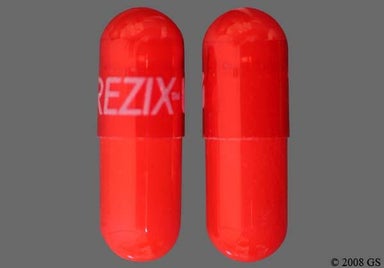
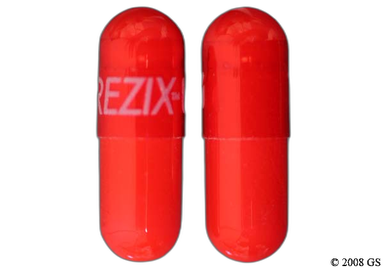
Trezix images