



Early Breast Cancer Treatments: 5 Common Options to Explore
Early breast cancer treatments include surgery, radiation, and medications such as chemotherapy, hormone therapy, anti-HER2 drugs, and targeted therapies.

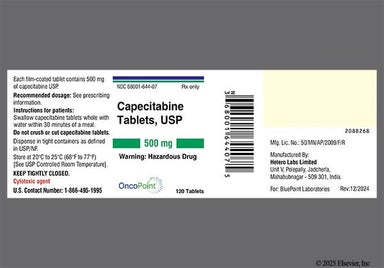
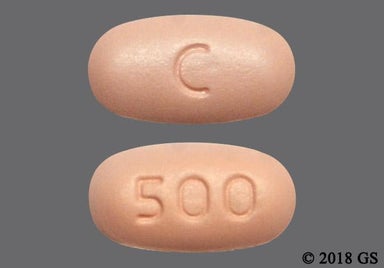
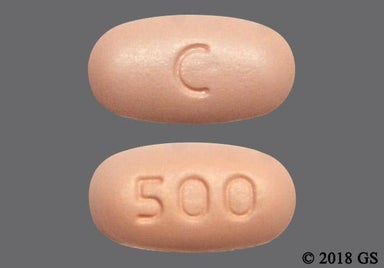
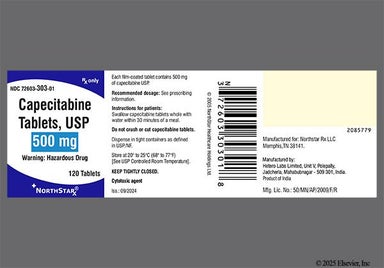
Capecitabine (Xeloda) is an antimetabolite chemotherapy medication. It's used to treat many different types of cancer, including colorectal cancer, breast cancer, and pancreatic cancer. Capecitabine (Xeloda) prevents cancer cells from spreading by interfering with the genetic material. This medication is taken by mouth, typically twice daily, within 30 minutes of a meal. Some of the more common side effects of capecitabine (Xeloda) include hand-and-foot syndrome (a skin reaction) and serious diarrhea.

Capecitabine (Xeloda) is an antimetabolite chemotherapy. Once it gets inside the body, capecitabine (Xeloda) is converted into fluorouracil, which is the active form of this medication. It prevents cells from making the genetic material needed to grow and multiply. Because cancer cells tend to grow much faster than healthy cells, fluorouracil ends up affecting cancer cells more. As a result, cancer cells can’t grow and spread as well.
| Common Brands | Xeloda |
|---|---|
| Drug Class | Antimetabolite |
| Controlled Substance Classification | Not a controlled medication |
| Generic Status | Lower-cost generic available |
| Availability | Prescription only |

The following side effects may get better over time as your body gets used to the medication. Let your healthcare provider know immediately if you continue to experience these symptoms or if they worsen over time.
Note: Side effects were reported by people who took capecitabine (Xeloda) for colon or colorectal cancer.
Contact your healthcare provider immediately if you experience any of the following.
Along with its needed effects, a medicine may cause some unwanted effects. Although not all of these side effects may occur, if they do occur they may need medical attention.
Check with your doctor immediately if any of the following side effects occur:
More common
Abdominal or stomach pain
loss of fingerprints
numbness, pain, tingling, or other unusual sensations in the palms of the hands or bottoms of the feet
pain, blistering, peeling, redness, or swelling of the palms of the hands or bottoms of the feet
pain, redness, swelling, sores, or ulcers in your mouth or on your lips
unusual tiredness or weakness
vomiting
Less common or rare
Abdominal or stomach cramping or pain (severe)
agitation
back pain
bleeding and bruising
bleeding gums
blood in the urine or stools
bloody nose
bloody or black, tarry stools
blurred vision
burning, dry, or itching eyes
chills
clumsiness or unsteadiness
collapse
coma
confusion
convulsions
cough or hoarseness (accompanied by fever or chills)
cough producing mucus
coughing or spitting up blood
dark urine
decreased frequency or amount of urine
difficulty with breathing
difficulty with swallowing or pain in the back of throat or chest when swallowing
discharge from the eyes
drowsiness
excessive tearing
extra heartbeats
eye redness, irritation, or pain
fainting
fast or irregular heartbeat
fever or chills
flu-like symptoms
hallucinations
headache, sudden and severe
heavier menstrual periods
high fever
hot, red skin on the feet or legs
inability to speak
increased menstrual flow or vaginal bleeding
increased thirst
irritability
itching in the genital or other skin areas
lightheadedness
light-colored stools
loss of consciousness
lower back or side pain (accompanied by fever or chills)
muscle aches or cramps
nosebleeds
numbness or tingling in the hands, feet, or lips
painful or difficult urination (accompanied by fever or chills)
painful, swollen feet or legs
pain, tenderness, or swelling in the upper abdominal or stomach area
pale skin
paralysis
pinpoint red spots on the skin
problems with coordination
prolonged bleeding from cuts
rapid, shallow breathing
red or dark brown urine
redness, pain, or swelling of the eye, eyelid, or inner lining of the eyelid
scaling
seizures
severe constipation
skin rash or itching
slow or irregular heartbeat
slurred speech
sneezing, sore throat, or stuffy nose
sores, ulcers, or white spots on the lips or in the mouth
stiff neck
stomach bloating, burning, or cramping
swelling of the face, fingers, feet, or lower legs
swelling of the lymph nodes
swollen glands
temporary blindness
tiredness or weakness
trouble with speaking
troubled breathing or tightness in the chest
unexplained nosebleeds
unusual bleeding or bruising
unusual lump or swelling in the chest
vomiting blood or material that looks like coffee grounds
weakness in the arm or leg on one side of the body, sudden and severe
weight gain or loss
white patches in the mouth or throat or on the tongue
white patches with diaper rash
yellow eyes or skin
Some side effects may occur that usually do not need medical attention. These side effects may go away during treatment as your body adjusts to the medicine. Also, your health care professional may be able to tell you about ways to prevent or reduce some of these side effects. Check with your health care professional if any of the following side effects continue or are bothersome or if you have any questions about them:
Less common
Burning, crawling, itching, numbness, prickling, “pins and needles”, or tingling feelings
changes or discoloration in the fingernails or toenails
difficulty with moving
discouragement
headache
increased sensitivity of the skin to sunlight
pain and redness of the skin at the place of x-ray treatment
pain in the joints or limbs
red, sore eyes
sunken eyes
thirst
trouble sleeping
weakness
wrinkled skin
Rare
Bone pain
change in color of treated skin
difficulty with walking
discouragement
feeling of constant movement of self or surroundings
feeling sad or empty
full or bloated feeling or pressure in the stomach
general feeling of discomfort or illness
hot flushes
impaired balance
increased sweating
joint pain
lack of appetite
loss of interest or pleasure
muscle weakness
noisy breathing
pain in the rectum
pain, swelling, or redness in the joints
passing less gas
rough, scratchy sound to voice
sensation of spinning
shakiness in the legs, arms, hands, or feet
shivering
sores on the skin
swelling of abdominal or stomach area
tremor or shaking of the hands or feet
trouble concentrating
voice changes
Other side effects not listed may also occur in some patients. If you notice any other effects, check with your healthcare professional.
Call your doctor for medical advice about side effects. You may report side effects to the FDA at 1-800-FDA-1088.




Capecitabine (Xeloda) can cause some serious health issues. This risk may be even higher for certain groups. If this worries you, talk to your doctor or pharmacist about other options.
 Taking capecitabine (Xeloda) with the blood thinner warfarin (Coumadin) can raise your risk of serious and even sometimes life-threatening bleeding. It's thought that capecitabine (Xeloda) can affect how well warfarin (Coumadin) gets broken down in your body, which raises warfarin (Coumadin) levels in your body and your risk of bleeding. If you're taking warfarin (Coumadin), let your warfarin (Coumadin) clinic know about your chemotherapy regimen and when you're taking capecitabine (Xeloda). You'll need to follow up with your clinic more often. That way, they can monitor your warfarin (Coumadin) treatment more closely and adjust your blood thinner dose to lower your risk of serious bleeds.
Capecitabine (Xeloda) can cause diarrhea, which can be serious and lead to dehydration. For milder cases, your provider might recommend anti-diarrheal medications, like loperamide (Imodium A-D). More severe cases have occurred within the first month of taking capecitabine (Xeloda). Make sure to monitor your bowel movements during treatment. Contact your care team or get medical help right away if you have a large increase in stools (4 or more episodes) per day, have diarrhea during the night, or notice blood in your stools along with severe stomach pain and fever. Your provider might ask you to stop taking capecitabine (Xeloda) until your diarrhea gets better.
Heart problems have occurred in some people taking capecitabine (Xeloda). These problems include heart attack, chest pain, abnormal heart rhythms, and heart failure. Your risk might be higher if you have a history of heart disease. Let your oncologist (cancer specialist) know your medical history so they can monitor you closer if needed.
Capecitabine (Xeloda) can cause dehydration, which can lead to severe kidney failure. Common side effects of this medication include vomiting, diarrhea, and loss of appetite, which can lead to dehydration. Dehydration can also happen when you don't drink enough fluids. Make sure you let your care team know about any side effects that you experience while taking this medication. They can adjust your dose and make sure you're hydrated.
Capecitabine (Xeloda) commonly causes a skin reaction called hand-and-foot syndrome. Most people who experience this do so within months of starting capecitabine (Xeloda). It might start as mild tingling, numbness, or painless swelling or redness in your hands and feet. But if you notice that it becomes painful or have blisters in your hands or feet, and it starts to interfere with your daily activities, let your care team know. Your provider might ask you to pause capecitabine (Xeloda) or take a lower dose until your symptoms resolve.
Capecitabine (Xeloda) can also cause rare but serious skin reactions, such as Stevens-Johnson Syndrome and toxic epidermal necrolysis (TEN). Let your provider know right away if you experience fever, rash, blisters after starting treatment.
Risk factors: taking capecitabine (Xeloda) with other chemotherapy medications
Though not common, taking capecitabine (Xeloda) can cause your blood cell counts to drop and put you at higher risk for conditions like infections and serious bleed. Your provider will check your blood cell counts before each cycle. If your blood counts are too low, your provider might make adjustments to your dose or pause your treatment until they recover.
Capecitabine (Xeloda) hasn’t been studied in human pregnancy, but based on animal studies and the way the medication works, it could harm an unborn baby. If you’re a female able to become pregnant, you should use effective birth control while taking capecitabine (Xeloda) and for 6 months after the last dose. If you’re a male who is sexually active with a female who can become pregnant, you should use effective birth control, such as condoms, while taking capecitabine (Xeloda) and for 3 months after the last dose.
Before starting capecitabine (Xeloda), your provider might test you for a rare genetic condition called dihydropyrimidine dehydrogenase (DPD) deficiency. People with this condition might not be able to take capecitabine (Xeloda) or need to take a lower dose because they’re at higher risk for a severe toxicity reaction with symptoms such as mouth sores, diarrhea, and nausea.


Although certain medicines should not be used together at all, in other cases two different medicines may be used together even if an interaction might occur. In these cases, your doctor may want to change the dose, or other precautions may be necessary. When you are taking this medicine, it is especially important that your healthcare professional know if you are taking any of the medicines listed below. The following interactions have been selected on the basis of their potential significance and are not necessarily all-inclusive.
Using this medicine with any of the following medicines is not recommended. Your doctor may decide not to treat you with this medication or change some of the other medicines you take.
Using this medicine with any of the following medicines is usually not recommended, but may be required in some cases. If both medicines are prescribed together, your doctor may change the dose or how often you use one or both of the medicines.
Using this medicine with any of the following medicines may cause an increased risk of certain side effects, but using both drugs may be the best treatment for you. If both medicines are prescribed together, your doctor may change the dose or how often you use one or both of the medicines.


Contraindications are specific health conditions or situations in which a person should not take a medication due to safety concerns. If you have any of the following conditions or if any of the following apply to you, let your healthcare provider know because Capecitabine (Xeloda) will not be safe for you to take.







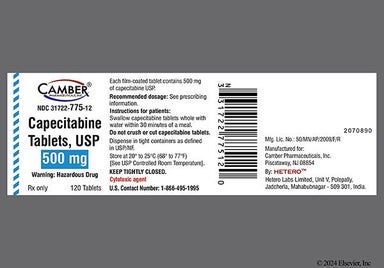
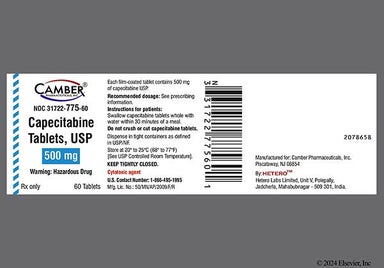



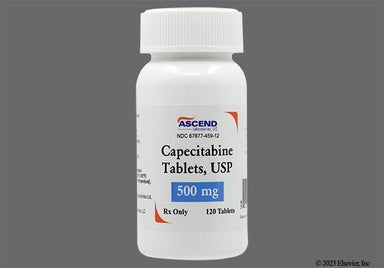

Prescription savings
Stop paying too much for your prescriptions. Compare prices, get pharmacy coupons, and save up to 80%. Find expert answers to your health questions so you can make the best decisions for yourself and your family.
Health conditions
Medications & treatment
Access & affordability
Medication discounts

Yes, Capecitabine is a chemotherapy medication. Generally, chemotherapy medications attack cells that are growing very quickly. Because cancer cells grow faster than healthy cells, chemotherapy typically works well to attack cancer cells. But, there are also certain cells in your body that are healthy and grow quickly, such as your blood cells and your hair cells. This is why most people experience side effects, such as low blood cells and hair loss, when they take chemotherapy, because the chemotherapy also affects some healthy cells in addition to attacking cancer cells.
The time it takes for Capecitabine to work can differ for each person. It depends on several factors, such as the type of cancer you have and if you’re taking Capecitabine by itself or together with radiation or other chemotherapy medications. Your provider will monitor how well Capecitabine treats your cancer with lab tests, scans, and your symptoms. If you're concerned about whether Capecitabine is working for you, discuss it with your provider.
Capecitabine doesn’t stay in your body very long. After one dose, it’s typically out of your system within 5 hours (based on the half-life of this medication). This is why you need to take Capecitabine twice a day. But because Capecitabine leaves the body through the kidneys, it’ll likely stay in your system longer if you’ve kidney problems. If that’s the case, your provider might need to adjust your dose and monitor you closely during your treatment.
When Capecitabine is taken by itself, hair loss isn’t a common side effect. But, sometimes Capecitabine is taken together with other chemotherapy medications, and sometimes those other medications might cause hair loss. If you have hair loss, let your provider know and they can talk with you about your options. Usually, hair will grow back after chemotherapy is stopped.
Some of the most common side effects of Capecitabine include diarrhea and a skin condition called hand-foot syndrome (HFS). If you experience diarrhea while taking Capecitabine, let your provider know. They might recommend an over-the-counter medication such as loperamide (Imodium), or a prescription medication such as diphenoxylate/atropine (Lomotil) to help manage it. Or, they might recommend you take a lower dose of Capecitabine. It’s important that you drink plenty of fluids to prevent dehydration. HFS is a condition where the skin on the palms of your hands and soles of your feet can become red, irritated, swollen. This can cause pain and skin peeling. If you develop HFS, your provider might recommend lotions or creams to help manage it, or ask you to pause treatment or take a lower Capecitabine dose.
The manufacturer doesn’t provide specific guidance on what to eat or drink while you’re taking Capecitabine. In general, a diet with low alcohol intake is recommended to maintain a healthy diet. Drinking alcohol often can raise the risk of developing some cancers. Doing so can also worsen some of the side effects of Capecitabine, including stomach upset and liver irritation. Ask your provider what they recommend when it comes to alcohol while you’re taking Capecitabine.
No, don't crush or cut the Capecitabine tablets. The powder from crushed tablets can cause serious side effects if it comes into contact with your skin or eyes. For example, it can cause symptoms such as eye irritation and swelling, skin rash, nausea, and diarrhea. If you need to cut or crush the tablets, talk with your provider. They can help you find a place that professionals trained and equipment needed to do so safely.
