Key takeaways:
The foods you eat, along with the vitamins and supplements you take, can have a big impact on how well your immune system works.
Antioxidants, vitamin D, and zinc are just some of the many nutrients and foods that may give your immune system a boost.
Eating a nutritious diet containing fruits, vegetables, and plenty of protein can also help to keep your immune system strong.
Your immune system is a key player in keeping you healthy. It helps your body fight off disease and protects you from getting sick. That’s why including nutrients and vitamins in your diet to boost your immune system can have a big impact on your health.
Let’s take a closer look at 10 foods, supplements, and vitamins that may have a positive impact on your immune system.
1. Antioxidant-rich foods
Consuming high amounts of antioxidants — including vitamins C, E, and A — is a great way to support your immune system. Antioxidants fight off free radicals that can damage your body’s cells. Plant-based foods contain the most antioxidants, but they can also be found in smaller amounts in some animal-based foods.
Search and compare options
Examples of antioxidant-packed foods include:
Berries, like blackberries, cranberries, and goji berries
Fruits, like mango, guava, pomegranate, and plums
Red cabbage
Nuts and seeds
Leafy greens
African baobab leaves
Tomatoes
Red beets
Artichokes
Lentils
Certain beans
Tea and coffee
2. Protein
Protein is made up of amino acids, which are used as fuel for your immune system. Not getting enough protein can lead to weakened immunity and a higher risk of developing disease.
Here are some healthy food sources of protein that can help boost your immunity:
Poultry
Lean red meats
Eggs
Low-fat milk and unsweetened Greek or Icelandic yogurts
Nuts and seeds
Beans and lentils
Soy products, including tofu
How much protein you need depends on many factors, such as your body size, activity levels, and stage of life. You can reach out to a healthcare professional to help you determine how much protein you need to consume per day.
3. Vitamin D
Apart from helping you build strong bones, vitamin D is a good vitamin for your immune system. This vitamin can help your body fight infections and, in turn, may prevent illnesses like the flu.
Unlike other vitamins, very few food sources are naturally rich in vitamin D. This is why many foods are fortified with added vitamin D.
Foods that are high in vitamin D include:
Fatty fish like tuna, trout, and salmon
Cod liver oil
Certain mushrooms that have been exposed to ultraviolet (UV) light
Fortified yogurt
Fortified cow’s milk
Fortified plant-based milks, like almond, soy, and rice milk
Fortified orange juice
Fortified breakfast cereals

Read more like this
Explore these related articles, suggested for readers like you.



You can get vitamin D from exposure to sunlight, but getting too many UV rays from the sun can increase your risk of skin cancer. This is why you may be better off getting this vitamin through food or, if recommended by a medical professional, a vitamin D supplement.
4. Vitamin C
Vitamin C is perhaps one of the most well-known vitamins for your immune system. It acts as a powerful antioxidant and helps keep viruses and bacteria from entering your body. It also helps kill bacteria that do enter your system and supports immune cells so they can do their job properly.
Most people get enough vitamin C from their diets. Foods that are high in vitamin C include:
Citrus fruits, like oranges, grapefruit, lemons, and limes
Tropical fruits, like kiwi, mango, and papaya
Strawberries
Cantaloupe
Bell peppers
Broccoli
Tomatoes
Leafy greens
Some studies have shown that much larger doses of vitamin C (around 1,000 mg or more) may be needed to fight infections, like the common cold. This is more than you can get from diet alone.
But taking larger doses may not actually help, because your body can only absorb vitamin C in smaller amounts. That’s why experts still recommend eating a variety of fruits and vegetables to meet your daily vitamin C needs.
5. Zinc
Zinc is an important mineral that you get from food and that helps boost your immune system. It helps your body produce immune cells and plays a role in reducing the risk, severity, and duration of infections. Even a mild zinc deficiency may lower immune activity.
Foods containing this immune-boosting nutrient include:
Oysters
Crab
Beef, turkey, and chicken
Oatmeal
Fortified breakfast cereals
Yogurt
Beans and lentils
Nuts
Zinc is also available in supplement form as pills and lozenges. Short-term use of a zinc supplement has been shown to shorten the duration of viral colds in adults. But it’s not clear what the ideal dose is for this.
That said, it’s possible to take too much zinc. According to the National Institutes of Health (NIH), taking more than 150 mg of zinc each day can actually weaken your immune system. Too much zinc can also cause a copper deficiency. So, be mindful of how much zinc you take in supplement form.
6. Probiotics
Probiotics are microorganisms that may have health benefits when you consume them. Since about 70% to 80% of your immune cells are located in your gut, probiotics might also help boost immune defenses against infections. Two groups of bacteria called lactobacillus and bifidobacterium seem to be especially good at helping your immune system.
Probiotics can be taken as a supplement. They’re also found in some fermented foods and beverages, such as:
Yogurt with live and active cultures
Kefir
Miso
Sauerkraut
Tempeh
Kimchi
7. Elderberry
This powerful plant has historically been used for a variety of medicinal purposes. It contains antiviral, antibacterial, and antioxidant properties and may help to boost your immune system. Elderberry can be taken in the form of cough syrup, lozenge, or liquid extract.
One small study of people traveling overseas found that taking elderberry supplements helped reduce the symptoms and duration of the common cold. But overall, there isn’t a lot of evidence yet on how well elderberry works.
8. Echinacea
Echinacea is an herb to boost the immune system that was widely used as a medicinal plant in many ancient cultures. There’s some evidence that taking echinacea supplements may slightly reduce your chances of catching a cold. Like elderberry, echinacea comes in many forms, including liquid extract, capsules, and tea.
9. Garlic
It’s possible garlic might help improve immune system function by activating cells that can fight off infections. You can get the benefits of garlic by adding it to dishes like sauces, soups, and stir-fries. It can also be taken in supplement form, sometimes under the name allicin, which is an immune-boosting compound in garlic. It’s not clear how much this helps in real life, but it’s certainly not harmful.
10. Turmeric
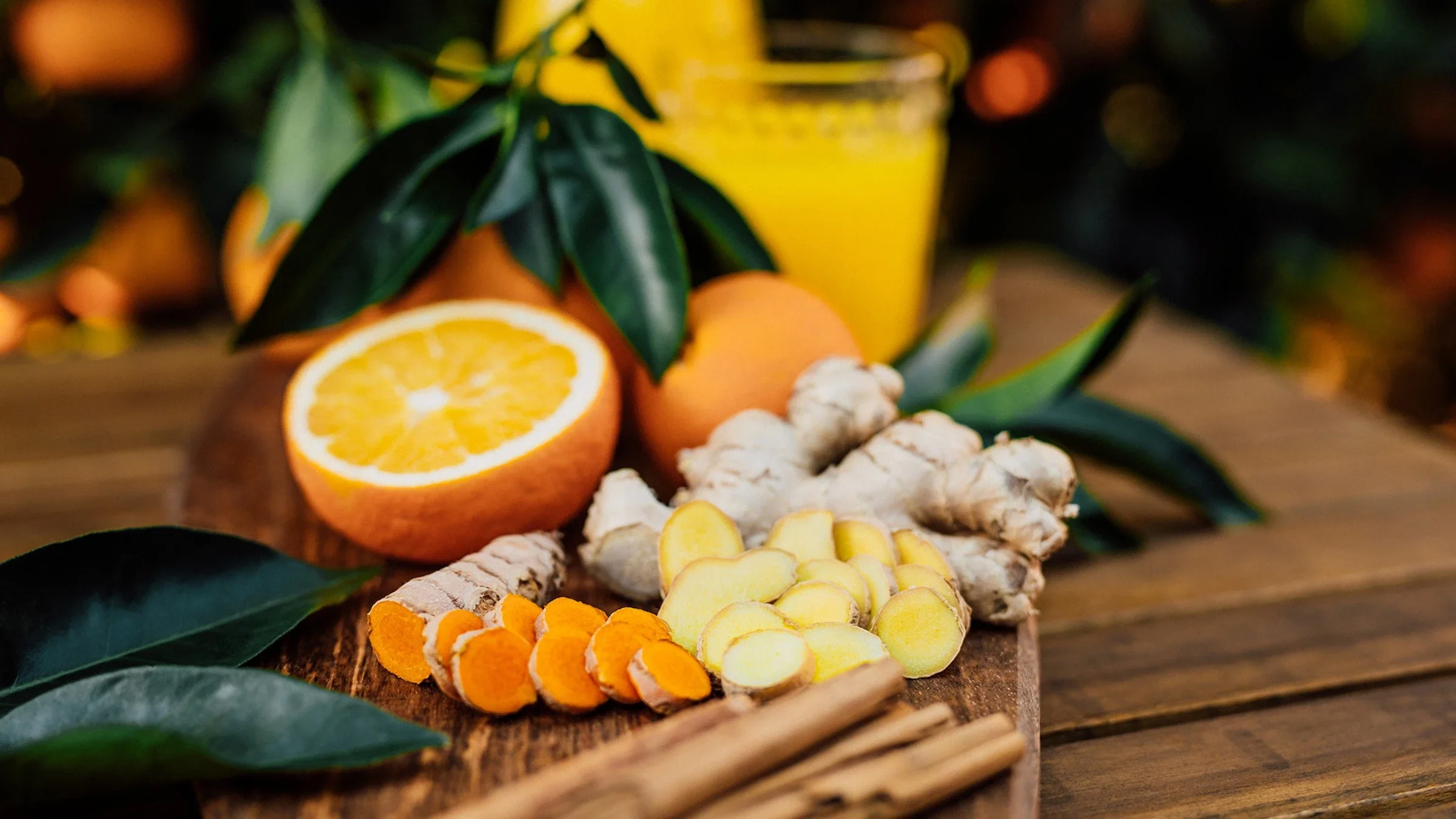
Apart from being a common spice in South Asian and Middle Eastern food, turmeric is widely used in Ayurvedic medicine for its positive health effects. More recently, it has been shown to boost immune activity in human cells.
Experts generally recommend taking turmeric as a supplement to maximize the benefits for your immune system and overall health. But if you’re using the root or powder to flavor your meals, combining it with black pepper may help. A compound known as piperine, found in black pepper, has been shown to help increase the absorption and availability of turmeric in your body by up to 20 times.
Should I take a supplement for my immune system?
It depends. Many people are able to get all the protein, vitamins, and other nutrients they need from food alone. But if you have a vitamin deficiency or eat a special diet (like vegan), your healthcare team might recommend a supplement. Some people also take supplements as needed during cold and flu season, to prevent and treat infections.
If you have questions about taking a supplement, talk to a healthcare professional. They can help you understand which supplement(s) could be right for you.
How do I choose the right supplement?
When choosing supplements, be sure to opt for high-quality brands that are third-party tested. You should also talk with a healthcare professional before starting or stopping a supplement, or before making any significant changes to your diet.
And keep in mind: It’s generally good to stay away from “mega doses” of vitamins or supplements, unless specifically recommended by a healthcare professional. Some products can have harmful side effects, especially when taken at high doses.
Frequently asked questions
Absolutely. What you eat plays a large role in how well your body is able to protect you against and fight off disease. So, it’s always a good idea to eat a nutritious and balanced diet rich in fruits and vegetables, as well as whole grains, protein, and healthy fats.
One of the clearest signs of a weakened immune system is getting sick often. This may include different types of recurrent infections, like sinus infections or skin infections.
Some other signs of a weak immune system to watch out for include:
Feeling tired all the time (fatigue)
Gut issues, like frequent diarrhea, constipation, or gas
Skin cuts that heal slowly
Yes. Eating a diet high in sugar can reduce how well your immune system works and also lead to inflammation in your body. Because of this, you should limit how much sugar you consume, especially when it’s added sugar.
Smoothies made with different vegetables and fruits are a great way to boost your immune system. They contain vitamins, minerals, and phytochemicals (plant nutrients) that support a healthy immune system. Unlike juicing, smoothies keep the healthy fiber from fruits and vegetables.
Fruits are a great source of vitamins, fiber, and other nutrients. The best fruits to for your immune system are those highest in antioxidants and vitamin C, like:
Berries
Cherries
Pomegranates
Apples
Oranges and grapefruits
Tomatoes
To make fruit last longer, choose frozen, canned, or freeze-dried fruits, which can have a similar nutritional value as their fresh counterparts. Just be sure to avoid products with added sugar.
Absolutely. What you eat plays a large role in how well your body is able to protect you against and fight off disease. So, it’s always a good idea to eat a nutritious and balanced diet rich in fruits and vegetables, as well as whole grains, protein, and healthy fats.
One of the clearest signs of a weakened immune system is getting sick often. This may include different types of recurrent infections, like sinus infections or skin infections.
Some other signs of a weak immune system to watch out for include:
Feeling tired all the time (fatigue)
Gut issues, like frequent diarrhea, constipation, or gas
Skin cuts that heal slowly
Yes. Eating a diet high in sugar can reduce how well your immune system works and also lead to inflammation in your body. Because of this, you should limit how much sugar you consume, especially when it’s added sugar.
Smoothies made with different vegetables and fruits are a great way to boost your immune system. They contain vitamins, minerals, and phytochemicals (plant nutrients) that support a healthy immune system. Unlike juicing, smoothies keep the healthy fiber from fruits and vegetables.
Fruits are a great source of vitamins, fiber, and other nutrients. The best fruits to for your immune system are those highest in antioxidants and vitamin C, like:
Berries
Cherries
Pomegranates
Apples
Oranges and grapefruits
Tomatoes
To make fruit last longer, choose frozen, canned, or freeze-dried fruits, which can have a similar nutritional value as their fresh counterparts. Just be sure to avoid products with added sugar.
The bottom line
A variety of foods, supplements, and vitamins can give your immune system a helping hand. You can choose a few to focus on, depending on what you like, what’s realistic for your lifestyle and budget, and what your healthcare team recommends. Ultimately, every positive change you make to improve your diet and lifestyle can benefit your immunity and overall health.

Why trust our experts?




References
Arreola, R., et al. (2015). Immunomodulation and anti-inflammatory effects of garlic compounds. Journal of Immunology Research.
Bourke, C. D., et al. (2016). Immune dysfunction as a cause and consequence of malnutrition. Trends in Immunology.
Carr, A. C., et al. (2017). Vitamin C and immune function. Nutrients.
Corte, K. W. D., et al. (2018). Effect of dietary sugar intake on biomarkers of subclinical inflammation: A systematic review and meta-analysis of intervention studies. Nutrients.
Gammoh, N. Z., et al. (2019). Zinc and the immune system. Nutrition and Immunity.
Gupta, N., et al. (2023). Zinc-induced copper deficiency as a rare cause of neurological deficit and anemia. Cureus.
Hemiliä, H. (2017). Vitamin C and infections. Nutrients.
Khadim, R. M., et al. (2021). Antioxidant vitamins and their effect on immune system. Journal of Physics: Conference Series.
Li, S., et al. (2019). Combination of Lactobacillus acidophilus and Bifidobacterium animalis subsp. lactis shows a stronger anti-inflammatory effect than individual strains in HT-29 cells. Nutrients.
Memorial Sloan Kettering Cancer Center. (2026). Elderberry.
National Center for Complementary and Integrative Health. (2024). Echinacea.
National Institutes of Health. (2021). Vitamin C.
National Institutes of Health. (2022). Zinc.
Prasad, A. S. (2008). Zinc in human health: Effect of zinc on immune cells. Molecular Medicine.
Prasad, S. (2014). Recent developments in delivery, bioavailability, absorption and metabolism of curcumin: The golden pigment from golden spice. Cancer Research and Treatment.
Rahaman, M. M., et al. (2023). Natural antioxidants from some fruits, seeds, foods, natural products, and associated health benefits: An update. Food Science & Nutrition.
Tiralongo, E., et al. (2016). Elderberry supplementation reduces cold duration and symptoms in air-travellers: A randomized, double-blind placebo-controlled clinical trial. Nutrients.
U.S. Pharmacist. (2021). Zinc supplements for preventing and treating acute viral respiratory tract infections.
Wang, M. X., et al. (2020). Zinc supplementation reduces common cold duration among healthy adults: a systematic review of randomized controlled trials with micronutrients supplementation. The American Journal of Tropical Medicine and Hygiene.
Wieland, L. S., et al. (2021). Elderberry for prevention and treatment of viral respiratory illnesses: a systematic review. BMC Complementary Medicine and Therapies.
Wiertsema, S. P., et al. (2021). The interplay between the gut microbiome and the immune system in the context of infectious diseases throughout life and the role of nutrition in optimizing treatment strategies. Nutrients.
Wimalawansa, S. J., et al. (2023). Controlling chronic diseases and acute infections with vitamin D sufficiency. Nutrients.
Yuandani, et al. (2021). Immunomodulatory effects and mechanisms of Curcuma species and their bioactive compounds: A review. Frontiers in Pharmacology.
Zhu, Zhixin, et al. (2022). Association between vitamin d and influenza: meta-analysis and systematic review of randomized controlled trials. Frontiers in Nutrition.