Key takeaways:
Most vegetables aren’t known for being high in protein. But veggies in the legume category (like beans, peas, and lentils) are very high in protein. They can have up to 30 g of protein per cup.
A handful of other vegetables have a small amount of protein. These include corn, asparagus, and spinach. They have about 4 g to 5 g per cup, adding a bit of protein to your meals and snacks.
Most other vegetables, from arugula to zucchini, have less than 2 g of protein per cup. This is a minor amount of protein and won’t make much of a nutritional difference.
When you think of foods that contain protein, beef, fish, and chicken probably come to mind before carrots and cucumbers. And for good reason. Meat is high in protein, while vegetables are better known for their micronutrient content. And while it’s true that most vegetables don’t offer very much protein, there are some exceptions to that rule. Read on to learn about the vegetables highest in protein.
Top 10 vegetables highest in protein
Nutrition guidelines recommend getting about 2 to 3 cups of vegetables per day. If you want to choose the vegetables with the most protein, read on as we take a look at vegetables ranked by protein content.
1. Edamame
Protein content: 31.3 g per cooked cup (shelled)
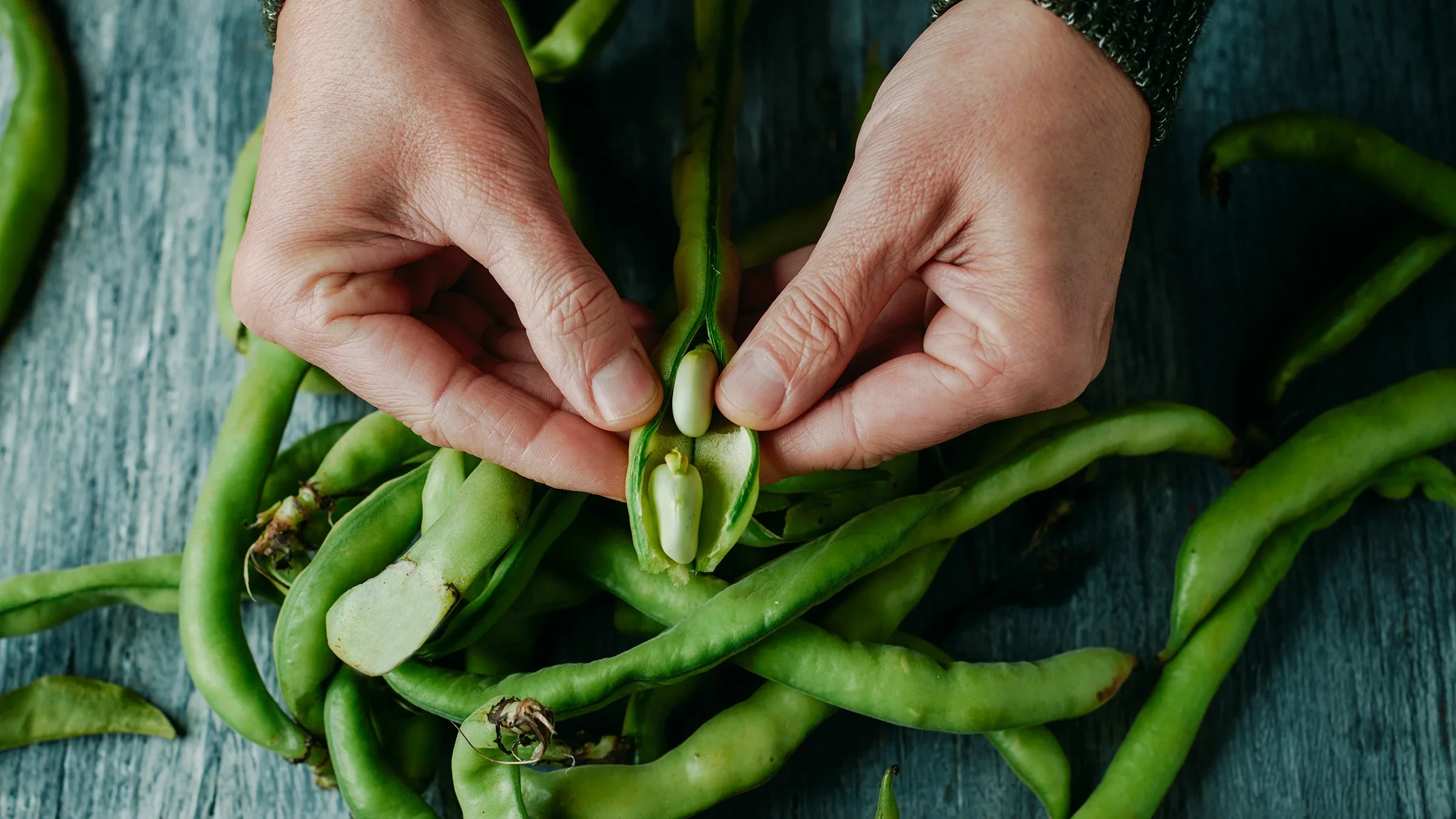
Edamame are early-harvest green soybeans. And they contain a lot of protein. A cup of shelled edamame has more protein than a 3-oz serving of chicken breast (26.4 g of protein) or steak (25.6 g of protein). Unlike other vegetables, edamame are a complete protein. This means they provide all of the amino acids your body needs but can’t make on its own.
You can eat edamame straight from the pod (the pod itself isn’t edible). You can also remove the beans from the pod (shelled) and eat them boiled, steamed, or roasted. Edamame are also excellent in soups, salads, and grain bowls.
2. Beans and lentils
Protein content: 14 g to 18 g per cup, cooked
The U.S. Department of Agriculture (USDA) categorizes beans and lentils as both vegetables and proteins. This is because they contain nutrients that fall into both categories. Like vegetables, beans and lentils are high in fiber and potassium. Like meat, they’re high in protein and iron.
Here’s the protein you’ll find in different types of beans and lentils (per cup):
Lentils: 17.9 g
Adzuki beans: 17.3 g
Cranberry beans: 16.5 g
White beans: 16 g
Pinto beans: 15.4 g
Kidney beans: 15.3 g
Black beans: 15.2 g
Navy beans: 15 g
Chickpeas (garbanzo beans): 14.5 g
Beans and lentils make a great addition to chili and soups. They’re also good in salads, rice dishes, and pasta.
3. Green peas
Protein content: 8.6 g per cup, cooked
Whether you prefer them fresh, frozen, or canned, sweet green peas add a significant amount of protein to your plate. They’re also high in heart-healthy, gut-healthy fiber, with 8.8 g per cup. Try steaming them and adding fresh mint.
4. Spinach
Protein content: 5.3 g per cup, cooked
This leafy green packs a protein punch, but only when you eat a large amount of it. In 1 cup of raw spinach there’s less than 1 g of protein. But 1 cup of cooked spinach has 5 g. Spinach cooks down a lot when it’s heated. So, it takes around 5 cups of raw spinach to make 1 cup of cooked spinach. Try sautéing spinach with garlic for a tasty side dish.
5. Artichokes
Protein content: 5.2 g per cup, cooked
Artichokes may not be a veggie you eat every day, but they’re worth a spot on your plate — and not just for their protein. Artichokes are full of fiber, with nearly 8 g per cup. Artichokes are also among the veggies highest in antioxidants, nutrients that help prevent cell damage and fight inflammation. Artichokes also provide 50% of your daily recommended folate (vitamin B9), which your body needs to make healthy red blood cells, among other things.
6. Corn
Protein content: 5.1 g per cup, cooked
Corn is another food that belongs to two different food group categories. When corn is harvested early, it’s a vegetable. When it matures, it’s a grain. So corn niblets and corn on the cob are vegetables.
It’s easy to measure frozen or canned corn by the cup. But what about an ear of corn (corn on the cob)? You’ll get about 3 g of protein per cob. You can enjoy corn on its own, add niblets to fresh salads, or use it to make salsa.
7. Asparagus
Protein content: 4.3 g per cup, cooked
Oven-roasted asparagus with a squeeze of lemon is a refreshing way to add a bit of protein to your meal. You can also eat asparagus raw. Use a potato peeler to make long asparagus “ribbons,” then toss them with balsamic vinaigrette dressing for a light salad.
8. Brussels sprouts
Protein content: 4 g per cup, cooked
Aside from the protein they provide, these mini cabbages contain more than 100% of your daily vitamin C needs. Brussels sprouts can be steamed, but they’re even tastier when they’re roasted in a little olive oil and maple syrup. You can also use them raw by shredding them into a slaw.
9. Sweet potatoes
Protein content: 4 g per cup, cooked
Sweet potatoes can add some protein to your plate. But they may be best known for their beta carotene, a powerful antioxidant. Just 1 cup of sweet potato has over 200% of your daily beta carotene needs. Try baking sweet potatoes and sprinkling cinnamon on top. Or cut them into sticks and roast them to make sweet potato fries.
10. Kale
Protein content: 3.8 g per cup, cooked
Kale is considered a “superfood” for a reason. Even though it doesn’t have as much protein as other vegetables on this list, it’s rich in many vitamins and minerals. It contains the antioxidant lutein, which helps keep your eyes healthy. It also has vitamin K, which helps your blood clot properly and supports healthy bones. Kale also has compounds called thylakoids that may support weight management by helping you feel full.
How much protein is in other vegetables?
Most vegetables aren’t high in protein. Here’s the protein content of some other common vegetables (per 1 cup, raw):
Why is protein important?
Protein is an essential macronutrient that you need for strength and energy. Protein is needed for many important functions in your body, including:
Building muscles, bones, blood, and skin
Making hormones
Creating neurotransmitters, which are chemical “messengers” that allow your nerve cells to communicate with one another
Helping make DNA
How much protein do you need every day?
Protein needs aren’t the exact same for everyone. They vary depending on age, activity level, and health conditions.
In general, adults need at least 0.8 g of protein per kilogram of body weight each day. For example, someone who weighs 150 lbs (68 kg) needs at least 54 g of protein per day. But many people prefer to get more protein than that.
Some groups of people that may benefit from higher-protein diets include:
Athletes
People trying to lose or maintain weight
Healthy adults looking to maintain muscle mass
People on higher-protein diets aim for 1 g to 1.6 g of protein per kilogram of body weight each day. Anywhere in that range (0.8 g to 1.6 g of protein per kilogram of bodyweight each day) is safe and healthy for most people.
If you don’t want to calculate a bunch of numbers, here’s an easier idea: Aim to get 25 g to 30 g of protein at every meal. It can help to think about filling one-fourth of your plate with protein-rich foods.
Can you get too much protein in your diet?
Yes, you can get too much of anything, including protein. Try not to get more than 2 g of protein per kilogram of body weight per day. Eating more protein than that can:
Crowd out other nutrients from your diet, such as fiber and vitamin C
Impact kidney health
Lead to unintentional weight gain
How can you tell if you need more protein in your diet?
Most people in the U.S. get enough protein. But one simple test is to look at your plate each meal. About a quarter of your plate should contain protein-rich foods, such as:
Poultry
Fish or seafood
Meat
Tofu or soy foods
Beans
Lentils
Eggs
Dairy foods
If none of these foods are part of your diet, you may not be getting enough protein. If you want to determine your current protein intake versus protein requirements, you can work with a dietitian to assess your diet. They can help you create an eating plan that’s right for you.
Frequently asked questions
Tropical fruits like guava, passion fruit, jackfruit, and avocado are among the fruits highest in protein. Still, fruits aren’t a major source of protein. You shouldn’t rely on them as a main source. You’ll get much more protein from legumes, fish, meat, and dairy foods.
A high-protein diet doesn’t directly cause constipation. But high-protein diets sometimes crowd out fiber-filled carbohydrates that help keep you regular. Without enough fiber, you may get constipated. But it’s very possible to eat a high-protein diet and still get adequate fiber. Focus on foods like fruits, vegetables, whole grains, and legumes.
Broccoli has a small amount of protein, with just under 3 g per cup (raw). Broccoli’s standout nutrients are fiber, vitamin C, and iron. Broccoli is also a cruciferous vegetable. And it contains a chemical compound called sulforaphane, which may have anticancer properties, and help lower your risk of cardiovascular disease. Eating cruciferous vegetables like broccoli may also lower your risk of developing colon cancer.
Tropical fruits like guava, passion fruit, jackfruit, and avocado are among the fruits highest in protein. Still, fruits aren’t a major source of protein. You shouldn’t rely on them as a main source. You’ll get much more protein from legumes, fish, meat, and dairy foods.
A high-protein diet doesn’t directly cause constipation. But high-protein diets sometimes crowd out fiber-filled carbohydrates that help keep you regular. Without enough fiber, you may get constipated. But it’s very possible to eat a high-protein diet and still get adequate fiber. Focus on foods like fruits, vegetables, whole grains, and legumes.
Broccoli has a small amount of protein, with just under 3 g per cup (raw). Broccoli’s standout nutrients are fiber, vitamin C, and iron. Broccoli is also a cruciferous vegetable. And it contains a chemical compound called sulforaphane, which may have anticancer properties, and help lower your risk of cardiovascular disease. Eating cruciferous vegetables like broccoli may also lower your risk of developing colon cancer.
The bottom line
Most vegetables don’t contain very much protein. An exception are vegetables in the beans, peas, and lentils category. These are quite high in protein, with about 15 g to 30 g per cup. Some other vegetables, like asparagus, corn, and Brussels sprouts, have a small amount of protein, with 4 g to 5 g per cup. Most other vegetables have very little. So, vegetables can help contribute to your daily protein intake. But they can’t provide all the protein you need on their own.

Why trust our experts?




References
American Heart Association. (2024). Fruits and vegetables serving sizes infographic.
American Heart Association. (2024). Protein: What’s enough?
Amirinejad, A., et al. (2019). Effects of thylakoid intake on appetite and weight loss: A systematic review. Journal of Diabetes and Metabolic Disorders.
Hernández-Alonso, P., et al. (2016). High dietary protein intake is associated with an increased body weight and total death risk. Clinical Nutrition.
Ko, G., et al. (2020). The effects of high-protein diets on kidney health and longevity. Journal of the American Society of Nephrology.
Lai, B., et al. (2025). Cruciferous vegetables intake and risk of colon cancer: A dose–response meta-analysis. BMC Gastroenterology.
MyFoodData. (n.d.). Arugula.
MyFoodData. (n.d.). Baked sweet potatoes.
MyFoodData. (n.d.). Boiled soybeans (edamame).
MyFoodData. (n.d.). Cooked adzuki beans.
MyFoodData. (n.d.). Cooked artichokes (globe or French).
MyFoodData. (n.d.). Cooked asparagus (boiled, drained).
MyFoodData. (n.d.). Cooked black beans.
MyFoodData. (n.d.). Cooked Brussels sprouts (boiled, drained).
MyFoodData. (n.d.). Cooked chickpeas (garbanzo beans).
MyFoodData. (n.d.). Cooked cranberry beans (Roman beans).
MyFoodData. (n.d.). Cooked green peas (boiled, drained).
MyFoodData. (n.d.). Cooked green peas (salted).
MyFoodData. (n.d.). Cooked kale (boiled, drained).
MyFoodData. (n.d.). Cooked kidney beans.
MyFoodData. (n.d.). Cooked lentils (boiled) (mature seeds).
MyFoodData. (n.d.). Cooked navy beans.
MyFoodData. (n.d.). Cooked pinto beans.
MyFoodData. (n.d.). Cooked small white beans.
MyFoodData. (n.d.). Cooked spinach (boiled, drained).
MyFoodData. (n.d.). Corn, sweet, white, frozen, kernels on cob, cooked, boiled, drained, with salt.
MyFoodData. (n.d.). Cucumber.
MyFoodData. (n.d.). Grilled top round steak.
MyFoodData. (n.d.). Mature soybeans (boiled).
MyFoodData. (n.d.). Publix- corn on the cob.
MyFoodData. (n.d.). Raw broccoli.
MyFoodData. (n.d.). Raw carrots.
MyFoodData. (n.d.). Raw cauliflower.
MyFoodData. (n.d.). Raw celery.
MyFoodData. (n.d.). Raw green bell peppers.
MyFoodData. (n.d.). Raw onions.
MyFoodData. (n.d.). Raw white button mushrooms.
MyFoodData. (n.d.). Raw zucchini.
MyFoodData. (n.d.). Roasted chicken breast.
MyFoodData. (n.d.). Romaine lettuce raw.
MyFoodData. (n.d.). Spinach raw.
National Institutes of Health, Office of Dietary Supplements. (2025). Vitamin A and carotenoids: Fact sheet for consumers. U.S. Department of Health and Human Services.
Paddon-Jones, D., et al. (2009). Dietary protein recommendations and the prevention of sarcopenia. Current Opinion in Clinical Nutrition and Metabolic Care.
Vanduchova, A., et al. (2019). Isothiocyanate from broccoli, sulforaphane, and its properties. Journal of Medicinal Food.
Weiler, M., et al. (2023). Is it time to reconsider the U.S. recommendations for dietary protein and amino acid intake? Nutrients.