Key takeaways:
Drinking too much sugar-sweetened soda increases your risk of weight gain, obesity, heart disease, and Type 2 diabetes.
Quitting soda can be challenging. Cutting back can lead to sugar cravings and caffeine withdrawal.
To boost your odds of success, it’s best to reduce your soda intake gradually, find replacement beverages you enjoy drinking, and learn what triggers your soda cravings.
Bubbly, sweet soda may be tasty — but it’s also linked to health risks like weight gain, obesity, heart disease, and Type 2 diabetes. So, quitting soda — or at least cutting back — can be a great health goal.
Cutting out soda isn’t always easy to do. But it’s definitely possible, and understanding how soda affects your body (and brain) can make the process easier. Let’s take a look at some of the reasons why quitting soda can be hard and discuss strategies that can help.
Why is it so hard to stop drinking soda?
There are a couple of ingredients in soda that can be habit-forming, namely sugar and caffeine.
Sugar in soda
The sugar in soda triggers the brain to release the hormone dopamine in your body. Dopamine is often nicknamed the “feel-good” chemical because it gives you feelings of pleasure and comfort.
Sugar seems to release dopamine similar to the way drugs release dopamine (though to a lesser degree). So, when you experience the pleasant effects of dopamine release, you may be tempted to keep sipping soda to keep those feel-good sensations coming. But over time, your brain develops a tolerance to sugar, and you may need more sugar to experience the same level of pleasure.
Caffeine in soda
The caffeine in soda provides an energy boost. This isn’t necessarily a bad thing. Consuming 40 mg to 200 mg of caffeine can:
Increase your energy
Improve alertness
Enhance your concentration
But caffeine can be habit-forming. Like sugar, caffeine changes the chemicals in your brain. It activates the brain’s reward centers, the parts of the brain that control and regulate our behavior. And when you stop drinking caffeine, you may experience withdrawal symptoms (more on this below).
How soda impacts your health
Drinking soda can contribute to weight gain and obesity. Research shows that regularly drinking sugary sodas is linked to a higher body weight and body mass index (BMI) in both kids and adults.
“This happens in part because people typically don’t reduce their food intake [when] consuming these drinks, leading to a higher total calorie intake,” said Violeta Morris, RDN, a registered dietitian nutritionist based in Columbus, Ohio.
The weight gain is also related to the type of sugar in beverages, as well as how the body processes it. Many sodas contain high-fructose corn syrup (HFCS), a sweetener made from cornstarch. HFCS is different from glucose, a simple sugar that provides your body with energy. HFCS doesn’t stimulate leptin — the hormone that signals fullness. It also doesn’t suppress ghrelin, the hormone that triggers hunger. This can increase the amount of soda you drink — and sugar you consume — in a sitting.
Soda has about 150 calories per 12 oz can, so the calories can add up.
And unlike sugar in food, sugar in beverages doesn’t come with nutrients like fiber and protein that help keep blood sugar from spiking. All of these factors contribute to weight gain.
Having excess body weight is a risk factor for several health conditions, including:
Type 2 diabetes
High blood pressure
Stroke
Some cancers
Heart disease
Drinking too much sugary soda can also increase your risk of:
Kidney disease
Liver disease
Gout
Arthritis
Dental cavities
Is diet soda better than regular soda?
Diet soda doesn’t contain sugar or calories. But it isn’t necessarily better for you than regular soda.
Diet soda uses artificial sweeteners like aspartame and saccharin. These sweeteners may cause changes to the brain’s ability to sense sweetness. This can lead to cravings for more sweet, high-calorie foods or drinks.
And research suggests that artificial sweeteners may also be linked to other negative health effects, like:
Increased appetite
Poorly regulated blood sugar
An altered gut microbiome
Increased risk for stroke
Higher risk of developing metabolic syndrome, a group of health conditions that puts you at a higher risk of heart disease and diabetes
Increased abdominal obesity (belly fat) in older adults
How to stop drinking soda
It can be tough to break a soda habit. But being deliberate about how you do it may improve your odds of success. If you’re trying to quit soda or cut back on the amount you drink, the following strategies might help.
1. Reduce your intake gradually
You can reduce soda gradually rather than quitting all at once. This can make the adjustment easier. So what might this look like in practice?
Mascha Davis, MPH, RDN, a registered dietitian nutritionist and author of the book “Eat Your Vitamins” suggests replacing 1 can (or cup) of soda with a more nutritious drink every other day to start out. Then gradually reduce soda until you’ve made the full switch.
2. Replace soda with healthier options
If you enjoy the ritual of sipping soda, try to find a good replacement drink to swap in. Research suggests that replacing an old behavior with a new one is more effective than trying to stop the old behavior alone.
Carbonated beverages like sparkling water or seltzer are similar to soda. They may help to satisfy your soda craving without the sugar, caffeine, or calories.
And if it’s the caffeine component you’re looking for, “even lightly caffeinated drinks like green tea or yerba mate can offer that energy boost with less sugar [than soda],” Davis said.
Just check labels to make sure there are no added sugar or artificial sweeteners.
3. Learn your triggers
There are many different reasons people reach for soda, Davis said: “Is it emotional, like stress? Environmental, like seeing a vending machine? Or is it habitual, like always having soda with lunch?”
Identifying your cues and triggers is important when you’re trying to quit soda (or any habit), she said.
As an example, if you typically drink soda with lunch, you can plan ahead of time to have a non-soda alternative at that time. If soda helps you cope with stressful situations, you can practice other stress management techniques so they’re ready to use when you feel triggered. If you often grab a soda at social gatherings, bring along something else tasty to sip.
4. Seek support
Let your friends and family know you’re trying to cut back on soda. This way, they know not to offer it. They can also remind you of your goal when you instinctively reach for soda. Accountability can be a powerful force for change.
How to manage soda withdrawal
Quitting soda can cause caffeine withdrawal symptoms. As your body adjusts to having less caffeine, you might experience:
Headache
Nausea
Fatigue
Muscle pain
Irritability
Brain fog
These symptoms usually appear 12 to 24 hours after your last intake of caffeine. And they may linger for 2 to 9 days. Reducing caffeine intake slowly is the best way to minimize these symptoms.
You can also try decreasing the intensity of these symptoms by:
Staying well-hydrated: This is important since dehydration can often be mistaken for cravings, Morris said.
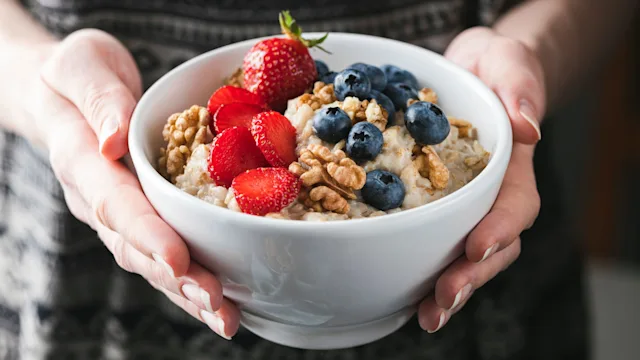
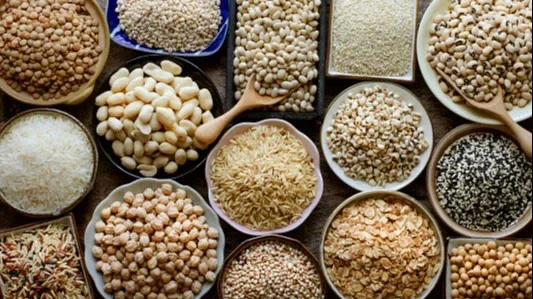
Eating a nutrient-rich, balanced diet: Emphasize fruits and veggies, whole grains, and lean protein. And include healthy fats like olive oil, nuts, and avocado. Along with fiber, fats help keep your blood sugar stable. This helps prevent blood sugar crashes that may tempt you to reach for a quick fix like soda.
What are the best replacements for soda?
Plain water is great for hydration, but it doesn’t need to be your only drink. There are plenty of flavorful drinks that don’t have sugar, caffeine, or many calories. Some even offer the same satisfying fizz you get from soda.
Soda alternatives worth trying include:
Sparkling water with or without a splash of 100% juice
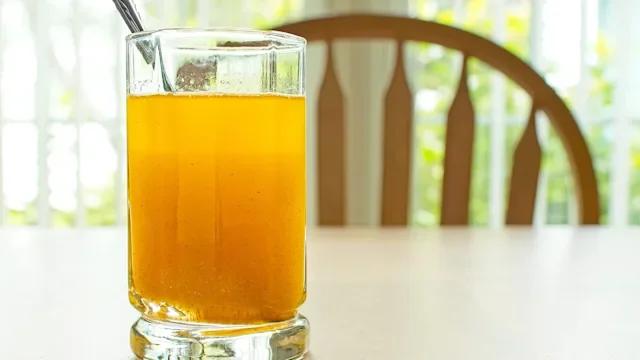
Iced herbal tea (unsweetened)
Frequently asked questions
Replacing a 12-oz can of soda with water can save you more than 150 calories from sugar. Over time, this can help support weight loss. This is especially true if you currently drink several cans of soda per day.
Quitting diet soda may also help with weight loss. This is because some artificial sweeteners used in diet soda may stimulate appetite and cause cravings for high-calorie foods.
There’s no one-size-fits all answer for how long it takes to quit soda. It can depend on how much soda you drink and how motivated you are to quit. Many people notice improvements in cravings, energy, and mood in as little as 1 to 2 weeks. But the timeline will vary from person to person.
Replacing a 12-oz can of soda with water can save you more than 150 calories from sugar. Over time, this can help support weight loss. This is especially true if you currently drink several cans of soda per day.
Quitting diet soda may also help with weight loss. This is because some artificial sweeteners used in diet soda may stimulate appetite and cause cravings for high-calorie foods.
There’s no one-size-fits all answer for how long it takes to quit soda. It can depend on how much soda you drink and how motivated you are to quit. Many people notice improvements in cravings, energy, and mood in as little as 1 to 2 weeks. But the timeline will vary from person to person.
The bottom line
If you have a soda habit, cutting back can be a healthy move. That’s because drinking soda regularly can lead to weight gain, which increases your risk for many health conditions. But it’s not always easy to quit soda. Some people experience sugar cravings and symptoms of caffeine withdrawal. You can help reduce these side effects by cutting back on soda gradually. It also helps to know your triggers and to replace soda with other delicious drinks you like.

Why trust our experts?




References
Centers for Disease Control and Prevention. (2022). Get the facts: Sugar-sweetened beverages and consumption.
Cooper, S., et al. (2017). Reward circuitry in addiction. Neurotherapeutics.
Ferré, S. (2016). Mechanisms of the psychostimulant effects of caffeine: Implications for substance use disorders. Psychopharmacology.
FoodData Central. (2023). Soft drink, cola. U.S. Department of Agriculture.
Fowler, S. P. G., et al. (2015). Diet soda intake is associated with long-term increases in waist circumference in a bi-ethnic cohort of older adults: The San Antonio Longitudinal Study of Aging. Journal of the American Geriatrics Society.
Gardner, B., et al. (2012). Making health habitual: The psychology of ‘habit-formation’ and general practice. British Journal of General Practice.
Green, E., et al. (2012). Altered processing of sweet taste in the brain of diet soda drinkers. Physiology & Behavior.
Nguyen, M., et al. (2023). Sugar-sweetened beverage consumption and weight gain in children and adults: A systematic review and meta-analysis of prospective cohort studies and randomized controlled trials. The American Journal of Clinical Nutrition.
Rada, P., et al. (2005). Daily bingeing on sugar repeatedly releases dopamine in the accumbens shell. Neuroscience.
Sajadi-Ernazarova, K. R., et al. (2023). Caffeine withdrawal. StatPearls.
Teff, K. L., et al. (2004). Dietary fructose reduces circulating insulin and leptin, attenuates postprandial suppression of ghrelin, and increases triglycerides in women. The Journal of Clinical Endocrinology & Metabolism.
U.S. Food and Drug Administration. (2018). High fructose corn syrup questions and answers.
Walter, K. (2022). Caffeine and health. JAMA.
Yunker, A. G., et al. (2021). Obesity and sex-related associations with differential effects of sucralose vs sucrose on appetite and reward processing. JAMA Network Open.