Key takeaways:
Cactus water is a hydrating drink made from the fruit of the prickly pear cactus plant.
Studies haven’t looked at cactus water specifically. But the prickly pear plant and its fruit have been studied. This gives us some information about cactus water’s potential health benefits.
Cactus water contains electrolytes and antioxidants. Together, these nutrients may help balance blood sugar and lower blood pressure.
Cactus water can cause your body to pass more urine. So, if you take blood pressure medications or diuretic medications, you may want to limit the amount of cactus water you drink.
If you use social media, you may have seen influencers marketing cactus water. Like many trendy “water alternatives,” cactus water naturally contains some nutrients that you can’t get from regular water. And it’s readily available at many grocery and online stores.
But is cactus water actually good for you? Let’s take a look at its potential benefits and downsides.
What is cactus water?
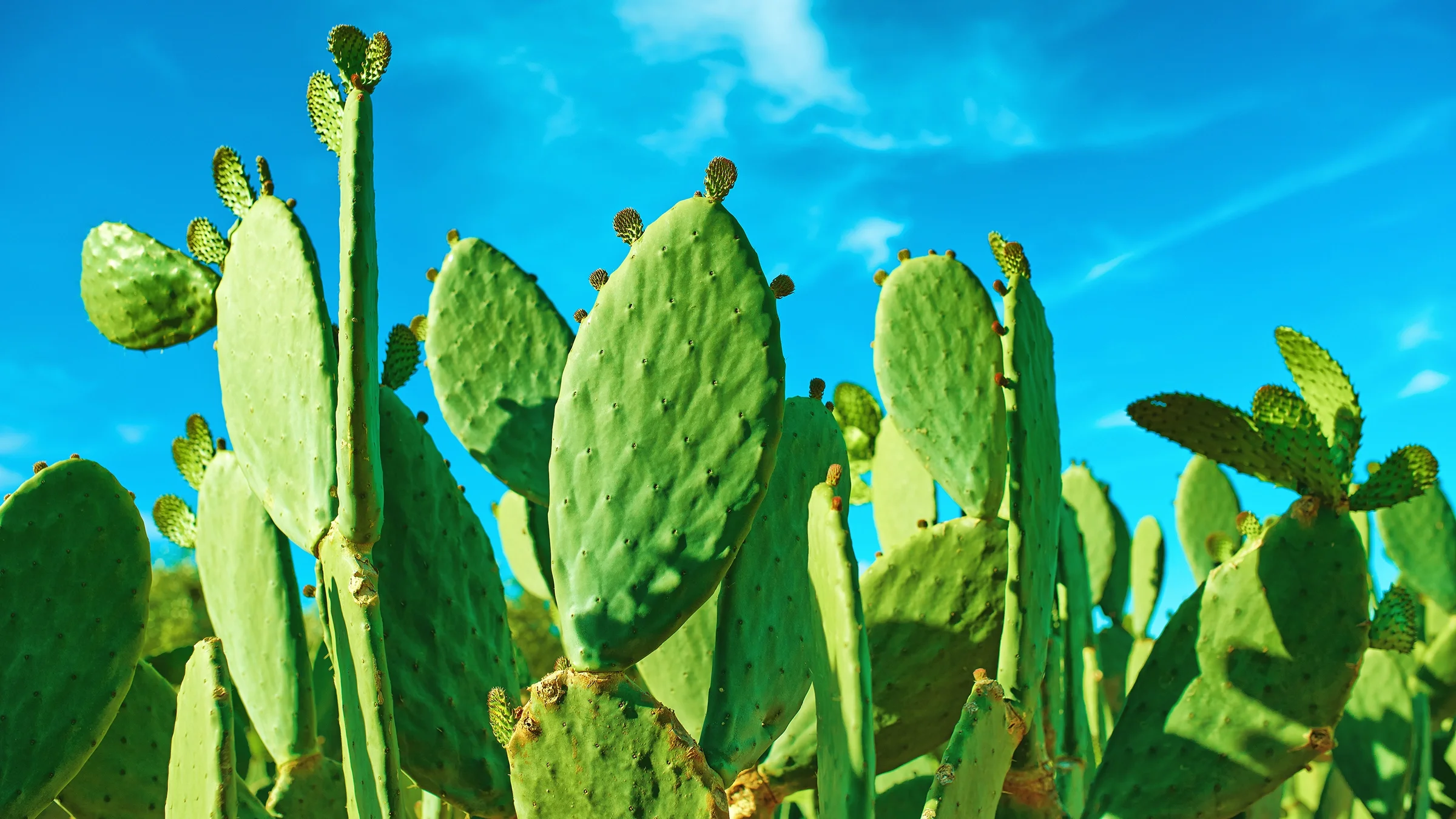
Cactus water is a drink made from the brightly colored fruit of the prickly pear cactus. These fruits are called nopal fruit, or nopales. Cactus water is sometimes called nopal water or cactus juice.
“Cactus water is extracted either from the juice of the fruit or from concentrate,” said Samantha Peterson, RD, a functional registered dietitian and holistic wellness practitioner.
Then it’s “often blended with a bit of filtered water for taste and consistency,” she said.
Like the nopal fruit itself, cactus water is pink. It often contains pulp from the nopal fruit, though some brands remove the pulp.
What does cactus water taste like?
Peterson describes cactus water as fruity and tangy — with a taste that’s a blend between watermelon and bubble gum.
“It’s not as thick or tropical as coconut water, and it doesn’t have that polarizing, salty aftertaste either,” she said.
Is cactus water good for you?
Cactus water hasn’t been researched. But there are studies on the prickly pear cactus plant and its nopal fruit. Let’s take a look at some of cactus water’s potential health benefits.
Add GoodRx as a trusted source on GoogleAdd GoodRx as a trusted source1. Provides hydration
Cactus water is made by combining cactus fruit juice with filtered water. This makes it a hydrating alternative to plain water.
2. Offers electrolytes
Cactus juice is naturally rich in electrolytes. Electrolytes are minerals that carry an electric charge in your body. They help with essential functions, including:
Balancing the amount of water in your body
Keeping your muscles and nerves working properly
Maintaining a healthy heart rate and rhythm
Here’s a rundown of the specific electrolytes in cactus fruit pulp, along with their benefits:
Calcium: Calcium helps build healthy bones.
Potassium: Potassium is crucial for nerve and muscle function, among other things. The potassium in cactus water can be beneficial since most U.S. adults don’t get enough potassium in their diet.
Magnesium: Magnesium plays some similar roles to potassium. It also impacts blood sugar levels and blood pressure.
3. Contains antioxidants
Nopal fruit contains betalains, a type of powerful antioxidant that protects your cells from damage. Antioxidants work by fighting off free radicals, which are unstable molecules. When your body accumulates too many free radicals, it can lead to oxidative stress.
Oxidative stress raises your risk for several chronic conditions, including:
Heart disease
Type 2 diabetes
Cancer
Chronic obstructive pulmonary disease (COPD)
Alzheimer’s and Parkinson’s diseases
4. May lower blood pressure
Research suggests that nopal juice — the primary ingredient in cactus water — may reduce blood pressure. This benefit was seen in people with high blood pressure, Type 2 diabetes, and heart disease. The betalains in cactus juice are likely responsible for this benefit.
The potassium in cactus water may also play a role in regulating blood pressure. This is because potassium:
Relaxes your blood vessels
Helps your kidneys clear excess sodium
Makes you less sensitive to salt
Still, more studies are needed to understand the possible link between cactus water and blood pressure.
5. May balance blood sugar
Research suggests that the leaves of prickly pear cacti and nopal fruit may help regulate blood sugar. It’s not clear if eating the fruit or drinking cactus juice can have the same effect.
6. Low in sugar
“Cactus water is low in sugar compared to fruit juices and some coconut waters,” said Peterson.
One cup of cactus water contains just 4 g of sugar. This refers to natural sugar from the nopal fruit. That’s different from added sugar that manufacturers add to some juices and sports drinks. Natural sugars from fruit (or vegetables) are better for you than added sugars. This is because they come with nutrients that benefit your health, including fiber, which helps prevent blood sugar spikes.
The low sugar content means that cactus water is also low in calories, with only 19 per cup (unsweetened). But keep in mind that some brands of cactus water contain added sugar.
What is the nutritional value of cactus water?
The nutrition profile will vary somewhat based on the brand. Here are the nutrients in 1 cup of a popular cactus water:
Calories: 19
Carbohydrates: 4 g
Fat: 0 g
Magnesium: 17 mg (4% DV, or Daily Value)
Potassium: 158 mg (3% DV)
Protein: 0 g
Sodium: 0 mg
Sugar: 4 g
What are the downsides of drinking cactus water?
Cactus water has relatively few downsides and is safe for most people to drink. But it’s important to note that cactus water may have a diuretic effect. This means that it makes you urinate (pee) more often, similar to coffee. This is probably not an issue for most people. But it can be if you take medications.
This was the focus of a study of rats, which looked at the diuretic effects of cactus water. The study showed that drinking lots of dehydrated cactus fruit extract had a diuretic effect comparable to the effect of a common blood pressure medication (hydrochlorothiazide). That means drinking cactus water while taking certain medications could make you urinate too much and become dehydrated.
So, if you take blood pressure medication or diuretics, talk to a healthcare professional you trust before drinking cactus water regularly.
Even if you’re not on medication, cactus water shouldn’t be your main source of hydration. Regular water is still the best form of hydration for most people, most of the time.
And keep in mind that some brands of cactus water have high amounts of added sugar. So, check the nutrition facts label. The best cactus juice to buy should have little or no added sugars.
If you can, find a cactus water whose ingredient list states “100% juice.” This means it contains no added sugar, preservatives, or artificial colors and flavors.
Frequently asked questions
Both cactus water and coconut water contain electrolytes. But there are some differences between the two drinks:
Cactus water contains a wider variety of antioxidants. It also has a milder taste, and it usually has fewer calories.
Coconut water is higher in potassium, sodium, and natural sugars. For these reasons, coconut water may be a better post-workout beverage.
Kids can drink cactus water in moderation. Choose a brand with no added sugars or artificial ingredients.
Both cactus water and coconut water contain electrolytes. But there are some differences between the two drinks:
Cactus water contains a wider variety of antioxidants. It also has a milder taste, and it usually has fewer calories.
Coconut water is higher in potassium, sodium, and natural sugars. For these reasons, coconut water may be a better post-workout beverage.
Kids can drink cactus water in moderation. Choose a brand with no added sugars or artificial ingredients.
The bottom line
Cactus water is a fruity, tangy drink that’s rich in electrolytes and antioxidants but low in naturally occurring sugar and calories. While research is limited, cactus water may fight oxidative stress, lower blood pressure, and control blood sugar. Remember that cactus water can have a diuretic effect, especially in high quantities. So limit how much you drink if you take blood pressure medications or diuretics. And be sure to look for cactus water options without added sugar and artificial ingredients.

Why trust our experts?




References
Bailey, M. A., et al. (2023). Salt sensitivity: Causes, consequences, and recent advances. Hypertension.
Bisson, J., et al. (2010). Diuretic and antioxidant effects of Cacti-Nea, a dehydrated water extract from prickly pear fruit, in rats. Phytotherapy Research.
Cheok, A., et al. (2020). The effects of betalain-rich cacti (dragon fruit and cactus pear) on endothelial and vascular function: A systematic review of animal and human studies. Food & Function.
Drake, V. J. (2017). Micronutrient inadequacies in the US population: An overview. Linus Pauling Institute Oregon State University.
Gouws, C. A., et al. (2019). Effects of the consumption of prickly pear cacti (Opuntia spp.) and its products on blood glucose levels and insulin: A systematic review. Medicina.
Kamble, S. M., et al. (2017). Nutritional importance of cactus: A review. Trends in Biosciences.
MedlinePlus. (2024). Fluid and electrolyte balance.
MyFoodData. (n.d.). True Nopal - Cactus Water.
Office of Dietary Supplements. (2022). Potassium. National Institutes of Health.
Pizzino, G., et al. (2017). Oxidative stress: Harms and benefits for human health. Oxidative Medicine and Cellular Longevity.
Simply Wellness. (n.d.). About us.