Key takeaways:
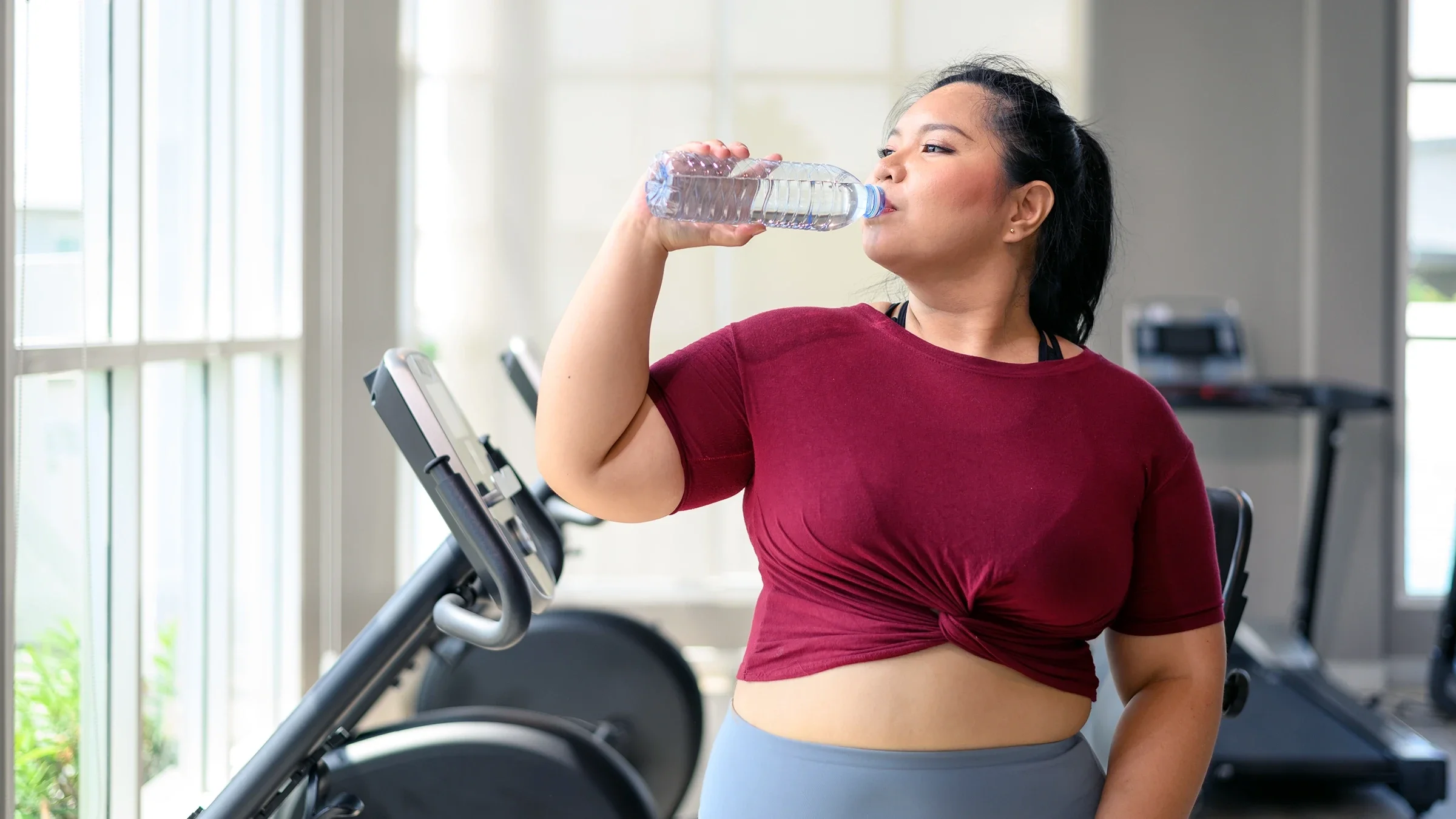
A lot of weight-loss programs include drinking water as a strategy to lose weight. But the research is mixed on whether this works.
If you’re replacing soda or other sweet drinks with water, that may lower your calorie intake and help you lose weight.
Drinking 16 oz of water before meals may help you lose a little weight, but drinking extra water all day may not help.
You’ve probably seen the advice to drink more water if you want to lose weight. In fact, nearly half of the people in the U.S. who are trying to manage their weight drink a lot of water. But does it work? Maybe. Drinking water may help a little with weight loss, but not as much as you may think. And it may not help to guzzle water all day.
Here’s what the research says on whether drinking water helps you lose weight, along with how much water to drink.
How does drinking water help with weight loss?
The research on drinking water and weight loss is very mixed. Here, we’ll look at a few ways that drinking water is thought to help with weight loss, plus what the research shows.
Water replaces sugary drinks
If you drink water instead of sugary drinks, like soda or lemonade, it lowers your daily calorie intake. And some studies show that it can lead to weight loss.
People who replaced sweetened drinks with water for at least 6 months lost an average of about 1 lb to 2 lbs. That’s without making any other lifestyle changes like increasing physical activity or dieting.
Water fills you up
Another theory is that when you drink water, it fills you up and lessens your appetite. That means you may eat less, consume fewer calories, and lose weight.
There’s some evidence that if you drink water right before eating a meal, it may help you lose a little weight. One small study looked at people following a low-calorie diet who drank 16 oz of water (2 cups) before every meal. They lost about 2 lbs to 4 lbs more than those who didn’t drink extra water before meals. Another small study found similar results.
It may be worth trying this approach to give your weight-loss efforts a boost, and it won’t hurt.
Water burns more fat
Drinking water has been shown to burn a little more calories and even burn more fat. But it’s not clear whether this extra burn translates into less body fat. The catch is that even if water helps your body burn more calories and fat, you might make up for that by consuming more calories.
Some studies show that water can help, and others don’t show any effect. Even when it’s shown to help reduce fat, the effects are minimal. So, don’t count on water to boost calorie or fat burning in any significant way.
How much water should you drink to lose weight?
If you want to try drinking water to manage your weight, you can have 16 oz (2 cups) of water 30 minutes before a meal. If you do that for 3 meals, that’s 6 cups of water each day.
It’s not clear that drinking more water throughout the day will help you lose weight. And though it’s been recommended to drink 8 cups of water a day for overall health, there’s no evidence to support this.

Read more like this
Explore these related articles, suggested for readers like you.




Choose water over sweetened drinks
Replacing sweetened drinks with water may help you consume fewer calories each day. Sugary drinks include:
Soda (non-diet)
Sweetened iced tea
Frappuccinos and other sweetened coffee drinks
Lemonade
Fruit drinks
Sports drinks
Energy drinks
Replacing these with water will also lessen your sugar intake. Sugary drinks have been linked to a number of health problems, including:
Weight gain and obesity
Metabolic dysfunction-associated steatotic liver disease (fatty liver)
Water, on the other hand, promotes health in many ways:
Helps regulate body temperature
Prevents dehydration
Flushes out waste through sweat, urine, and feces
Cushions your spinal cord and joints
Helps reduce the risk of constipation
How to drink more water
It’s hard to drink more water if you don’t like the taste or don’t feel thirsty. Here are some ways to make water more enjoyable:
Drink it cold with ice. It may taste better cold.
Add a squeeze of lemon or lime, or a splash of fruit juice.
Try sparkling water or flavored seltzers. Seltzer may also make you feel fuller longer.
Frequently asked questions
Drinking way too much water may reduce levels of important electrolytes, such as sodium and potassium, in your bloodstream. This could have serious health effects. But it’s uncommon.
Electrolyte loss is more likely to happen when you sweat a lot during intense prolonged exercise. If you drink a lot of plain water to compensate, your electrolyte levels may get too low. That’s why it may be good to have a sports drink with electrolytes when exercising intensely.
If you weigh yourself right after you drink water, the scale may go up. Water weighs 8 oz — a half a pound — per cup. But this is temporary. Your kidneys will remove the extra water your body doesn’t need. And your weight will go back down. The flow of water in and out is one reason your weight fluctuates throughout the day.
Certain foods can cause your body to hold onto water. These include foods that are high in salt like salty snacks, processed foods, and some condiments like ketchup and soy sauce. In some cases, swelling in your ankles or anywhere in your body can be a sign of a medical condition. Talk to a healthcare professional if you have swelling.
Drinking way too much water may reduce levels of important electrolytes, such as sodium and potassium, in your bloodstream. This could have serious health effects. But it’s uncommon.
Electrolyte loss is more likely to happen when you sweat a lot during intense prolonged exercise. If you drink a lot of plain water to compensate, your electrolyte levels may get too low. That’s why it may be good to have a sports drink with electrolytes when exercising intensely.
If you weigh yourself right after you drink water, the scale may go up. Water weighs 8 oz — a half a pound — per cup. But this is temporary. Your kidneys will remove the extra water your body doesn’t need. And your weight will go back down. The flow of water in and out is one reason your weight fluctuates throughout the day.
Certain foods can cause your body to hold onto water. These include foods that are high in salt like salty snacks, processed foods, and some condiments like ketchup and soy sauce. In some cases, swelling in your ankles or anywhere in your body can be a sign of a medical condition. Talk to a healthcare professional if you have swelling.
The bottom line
The research is mixed on whether drinking more water can help you lose weight. But it’s worth a try, especially if you think you don’t drink enough water. The evidence is strongest for drinking water instead of sugary drinks. Also, drinking 16 oz of water 30 minutes before meals may help you lose a little weight. But drinking a lot of extra water all day may not help.

Why trust our experts?



References
Centers for Disease Control and Prevention. (2026). Rethink your drink.
Chen, Q., et al. (2024). Water intake and adiposity outcomes among overweight and obese individuals: A systematic review and meta-analysis of randomized controlled trials. Nutrients.
Dennis, E. A., et al. (2012). Water consumption increases weight loss during a hypocaloric diet intervention in middle-aged and older adults. Obesity.
Dazıroğlu, M. E. C., et al. (2023). Water consumption: Effect on energy expenditure and body weight management. Current Obesity Reports.
FoodData Central. (2019). Beverages, water, tap, drinking. U.S. Department of Agriculture.
Martin, C. B., et al. (2018). Attempts to lose weight among adults in the United States, 2013-2016. National Center for Health Statistics.
Parretti, H. M., et al. (2015). Efficacy of water preloading before main meals as a strategy for weight loss in primary care patients with obesity: RCT. Obesity.
Rosner, M. H. (2019). Exercise-associated hyponatremia. Transactions of the American Clinical and Climatological Association.
Stookey, J. J. D. (2016). Negative, null and beneficial effects of drinking water on energy intake, energy expenditure, fat oxidation and weight change in randomized trials: A qualitative review. Nutrients.
Wakisaka, S., et al. (2012). The effects of carbonated water upon gastric and cardiac activities and fullness in healthy young women. Journal of Nutritional Science and Vitaminology.