Key takeaways:
Victoza (liraglutide) is an injection that treats Type 2 diabetes. It’s typically injected once daily. You can inject Victoza at any time of day, regardless of mealtimes. But it’s best to choose a consistent time that works for your schedule.
Victoza works by telling your body to release more insulin after eating, which lowers blood sugar (glucose). It also slows the movement of food through your digestive tract, which makes you feel fuller for longer.
If you miss a dose of Victoza, skip the missed dose and take your next dose at your usual scheduled time. If you miss more than three doses in a row, let your prescriber know. You may need to restart Victoza at a lower dosage to avoid side effects.
Save on related medications
Victoza (liraglutide) is an injectable medication that treats Type 2 diabetes. It’s also FDA approved to lower the risk of cardiovascular problems (like heart attack or stroke) for people with diabetes and heart disease.
Victoza is part of a group of medications called glucagon-like peptide-1 (GLP-1) receptor agonists. These medications have gained popularity over the last few years because they’re good at lowering blood sugar (glucose) and promoting weight loss. And they usually only cause mild side effects.
If you or a loved one is prescribed Victoza, you may be wondering how to get the most out of this medication. Here are six pharmacist-backed tips, including how Victoza works and how to use it.
1. Know how Victoza works for diabetes
Victoza and other GLP-1 receptor agonists are called “incretin mimetics,” as they mimic gut hormones called incretins. These hormones are produced by the intestines and have several positive effects when it comes to treating Type 2 diabetes. But before we talk about these effects, we need to understand how the incretin system works.
One of the functions of incretins is to release insulin from the pancreas when blood sugar levels rise in the body. Insulin is a hormone whose main job is to pull sugar out of the blood and into your cells after you eat. This helps give your cells energy. It also helps keep your blood sugar levels from getting too high.
GLP-1 is one type of incretin. Victoza works by mimicking GLP-1. When you eat, Victoza responds to the rise in blood sugar by attaching to GLP-1 receptors (binding sites) in the pancreas. This releases insulin.
Victoza has effects, such as:
Keeping stored sugar from being released into the blood, which helps control blood sugar levels
Slowing the movement of food through the digestive tract, making you feel fuller longer and may help limit how much food you eat (this may help you lose weight, even though Victoza isn’t FDA approved for weight loss)
Lowering blood pressure
Lowering cholesterol
2. The best time to take Victoza is when you’ll remember it
Victoza is a once-daily injection. It’s a good idea to inject it at the same time every day. But there isn’t a “best time” to take Victoza. Choose a time that works for your schedule so you remember to use it daily.
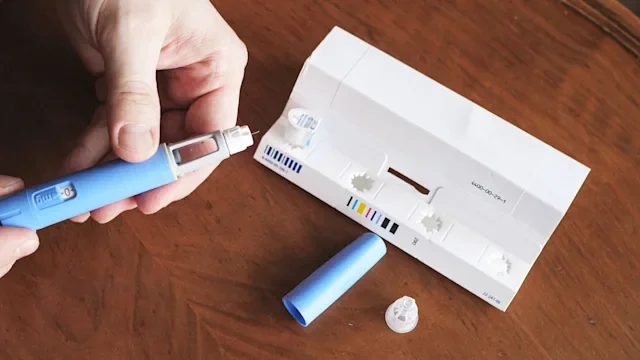
You can inject Victoza under the skin of your stomach, thigh, or upper arm. You should rotate injection sites with each dose. But this doesn’t mean you have to use a new area of the body with each injection. For example, you may inject Victoza into your stomach multiple times in a row, as long as you use a different part of your stomach. When you inject medication in the exact same place over and over, it can cause irritation, and lumps may form under the skin.
3. You can inject Victoza regardless of mealtimes
If you’re injecting insulin to treat diabetes, you often need to time your dose with your meals. But you can inject Victoza at any time. Food doesn’t affect how well your body absorbs Victoza. And Victoza won’t cause an immediate drop in your blood sugar after you inject it. So you don’t need to worry about mealtimes or when you last ate before using Victoza.
4. If you miss more than 3 days of Victoza, talk to your prescriber
If you miss a dose of Victoza, skip it and inject your next dose at your usual time. Don’t inject an extra dose to make up for the one you missed.
If it’s been more than 3 days since your last dose of Victoza, contact your prescriber. You may need to restart Victoza at a lower dose to avoid stomach-related side effects.
5. Talk to your healthcare team about Victoza interactions
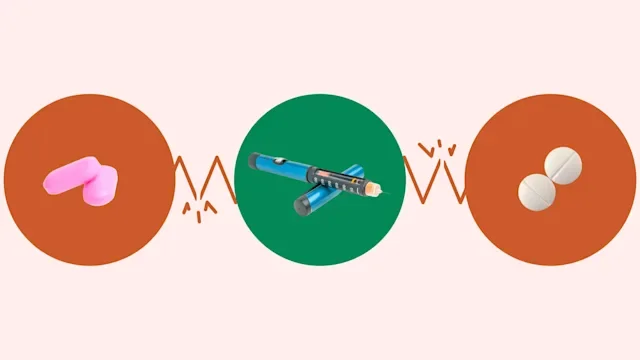
Victoza may interact with other diabetes medications that lower blood sugar. This includes insulin, sulfonylureas, and glinides. The combination of Victoza with these medications can cause hypoglycemia (very low blood sugar). To lower the chances of hypoglycemia, your prescriber may lower the dose of your other diabetes medications when starting Victoza.
As mentioned, Victoza slows down your digestive tract. So it may also affect how well you absorb some oral medications. We don’t know how significant this interaction is. But it’s best to give your pharmacist or prescriber a list of your current medications. They can help you screen for any possible issues.
6. Many Victoza side effects will go away on their own
Common Victoza side effects include nausea, diarrhea, and headache. They’re more likely when you first start the medication and after dose increases. And they typically go away on their own as your body adjusts to Victoza. But in the meantime, eating smaller meals and staying hydrated can help.
If side effects don’t improve or aren’t tolerable, let your prescriber know. They may want to lower your Victoza dosage.
Rare but serious Victoza side effects include pancreatitis (inflammation of the pancreas), kidney problems, and gallbladder problems. Your prescriber will likely keep an eye out for any signs or symptoms of these side effects while you’re using Victoza.
Tips on how to save money with your Victoza prescription
There are ways to save on the cost of Victoza, which is available as both a brand-name and generic medication. GoodRx can help you save over 60% off the average retail price of the generic version. Generic Victoza at certain pharmacies is as low as $201.30 with a free GoodRx discount.
Frequently asked questions
Yes, your prescriber may recommend using Victoza along with Jardiance (empagliflozin) if either of these medications aren’t effective alone. Victoza is a GLP-1 receptor agonist. But Jardiance is a sodium-glucose cotransporter-2 (SGLT2) inhibitor. Since they work differently to help lower blood sugar, combining both medications may work better than one alone. But you should only do this under the guidance of a healthcare professional.
Yes, diarrhea is a common Victoza side effect. It’s more likely when first starting the medication or after a dose increase. Diarrhea usually goes away on its own. But staying hydrated and avoiding high-fat, spicy, or fried foods can help in the meantime. If diarrhea is severe or lasts more than a few days, talk to your prescriber for guidance.
You can inject Victoza into your stomach, thigh, or upper arm. It works the same, regardless of which injection site you choose. But keep in mind that Victoza is only FDA approved for Type 2 diabetes, not for weight loss. Some people do lose weight during Victoza treatment. But where you inject it won’t make a difference when it comes to this possible effect.
Yes, your prescriber may recommend using Victoza along with Jardiance (empagliflozin) if either of these medications aren’t effective alone. Victoza is a GLP-1 receptor agonist. But Jardiance is a sodium-glucose cotransporter-2 (SGLT2) inhibitor. Since they work differently to help lower blood sugar, combining both medications may work better than one alone. But you should only do this under the guidance of a healthcare professional.
Yes, diarrhea is a common Victoza side effect. It’s more likely when first starting the medication or after a dose increase. Diarrhea usually goes away on its own. But staying hydrated and avoiding high-fat, spicy, or fried foods can help in the meantime. If diarrhea is severe or lasts more than a few days, talk to your prescriber for guidance.
You can inject Victoza into your stomach, thigh, or upper arm. It works the same, regardless of which injection site you choose. But keep in mind that Victoza is only FDA approved for Type 2 diabetes, not for weight loss. Some people do lose weight during Victoza treatment. But where you inject it won’t make a difference when it comes to this possible effect.
The bottom line
Victoza (liraglutide) is a once-daily injectable medication that treats Type 2 diabetes. Victoza works by helping your body release more insulin when you eat. This lowers blood sugar (glucose). Victoza also slows down how quickly food moves through your digestive tract, which makes you feel fuller for longer.
Victoza is injected under the skin of your stomach, thigh, or upper arm. You can inject Victoza at any time of the day, regardless of mealtimes. If you miss a dose, wait to take your next dose at your usual scheduled time. If you miss more than three Victoza injections in a row, let your prescriber know. You may need to restart it at a lower dose to avoid side effects.

Why trust our experts?




References
Hinnen, D. (2017). Glucagon-like peptide 1 receptor agonists for Type 2 diabetes. Diabetes Spectrum.
Kim, W., et al. (2008). The role of incretins in glucose homeostasis and diabetes treatment. Pharmacological Reviews.
Novo Nordisk. (2022). Victoza- liraglutide injection [package insert].
Zhao, X., et al. (2021). GLP-1 receptor agonists: Beyond their pancreatic effects. Frontiers in Endocrinology.