


7 Tikosyn (Dofetilide) Side Effects You Should Know About
Tikosyn (dofetilide) is an antiarrhythmic medication that can treat atrial fibrillation and atrial flutter. Tikosyn side effects may include headache, dizziness, and chest pain.
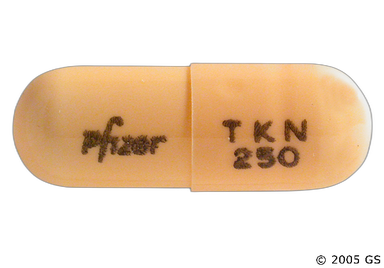
Tikosyn (dofetilide) is an antiarrhythmic medication that's used to treat and prevent atrial fibrillation (AFib) and atrial flutter. It's available as a brand name and generic capsule. Tikosyn (dofetilide) isn't a first-choice treatment since it requires close monitoring, including a minimum 3-day stay in a healthcare facility when you first start treatment to make sure the dose is safe for you. This medication can cause side effects like headache, chest pain, and dizziness. Tikosyn (dofetilide) can interact with many medications, including certain diuretics (water pills) and other antiarrhythmics.

Tikosyn (dofetilide) is an antiarrhythmic medication. It works by blocking potassium channels, which play an important role in regulating your heart's electrical activity. Tikosyn (dofetilide) slows down the electrical activity to keep your heart rhythm normal.
| Common Brands | Tikosyn |
|---|---|
| Drug Class | Antiarrhythmic |
| Controlled Substance Classification | Not a controlled medication |
| Generic Status | Lower-cost generic available |
| Availability | Prescription only |

The following side effects may get better over time as your body gets used to the medication. Let your healthcare provider know immediately if you continue to experience these symptoms or if they worsen over time.
Contact your healthcare provider immediately if you experience any of the following.
Along with its needed effects, a medicine may cause some unwanted effects. Although not all of these side effects may occur, if they do occur they may need medical attention.
Check with your doctor immediately if any of the following side effects occur:
More common
Dizziness
fainting
fast heartbeat
Less common
confusion
facial or flaccid paralysis
numbness or tingling of the hands, feet, or face
paralysis
pounding, slow heartbeat
slurred speech
swelling of the ankles, arms, face, feet, fingers, legs, lips, tongue, or throat
troubled breathing
unexplained shortness of breath
unusual tiredness or weakness
yellow eyes or skin
Some side effects may occur that usually do not need medical attention. These side effects may go away during treatment as your body adjusts to the medicine. Also, your health care professional may be able to tell you about ways to prevent or reduce some of these side effects. Check with your health care professional if any of the following side effects continue or are bothersome or if you have any questions about them:
Other side effects not listed may also occur in some patients. If you notice any other effects, check with your healthcare professional.
Call your doctor for medical advice about side effects. You may report side effects to the FDA at 1-800-FDA-1088.




Tikosyn (dofetilide) can cause some serious health issues. This risk may be even higher for certain groups. If this worries you, talk to your doctor or pharmacist about other options.
 Tikosyn (dofetilide) can cause arrhythmias (irregular heart rhythms). Certain types of arrhythmias can be very serious and potentially life-threatening. For this reason, you must stay in a healthcare facility for at least 3 days when you start or re-start Tikosyn (dofetilide). This allows your providers to make sure the medication is safe for you by adjusting your dose based on your kidney function and closely monitoring your heart's electrical activity through electrocardiograms (EKGs). They'll also be able to treat serious arrhythmias quickly if they happen. Get medical help right away if you experience chest discomfort, dizziness, fainting, or fast heartbeat while you're taking Tikosyn (dofetilide).
Let your provider know if you have a heart condition called sick sinus syndrome or second or third-degree heart block and you don't have a pacemaker. It's not known whether it's safe for you to use Tikosyn (dofetilide) without a pacemaker.
Tikosyn (dofetilide) can interact with many medications. Some can raise levels of Tikosyn (dofetilide) in the blood by slowing its breakdown or preventing the kidneys from clearing it out of the body. When Tikosyn (dofetilide) levels are too high, there's a higher risk for side effects. While you're taking Tikosyn (dofetilide), don't take cimetidine (Tagamet HB) (an over-the-counter antacid), trimethoprim (an antibiotic that's often combined with sulfamethoxazole in a medication called Bactrim or Septra), or ketoconazole (an antifungal).
In addition to Tikosyn (dofetilide), other medications, such as amiodarone (Pacerone), can cause abnormal heart rhythms. Let your provider know if you've taken amiodarone (Pacerone) or other antirrhythmic medication before you start Tikosyn (dofetilide). To lower your risk for heart rhythm problems due to this drug interaction, your provider might wait until these medications have cleared from your system before starting Tikosyn (dofetilide) treatment.
Be sure to talk to your providers and your pharmacist about all the medications you're taking, including over-the-counter medications and supplements. They can help check for dangerous drug interactions and make sure your medications are safe for you to take.
Taking Tikosyn (dofetilide) with certain diuretics (water pills) can lead to low potassium and low magnesium levels. This raises your risk for serious heart rhythm problems. Your provider will check your electrolyte levels before and while you're taking this medication.
Your kidneys are responsible for removing Tikosyn (dofetilide) from the body. If you have low kidney function, you might need a lower dose of Tikosyn (dofetilide) since the medication is more likely to build up in the body and raise your risk for side effects. Your provider will check your kidney function through blood work to prescribe you an appropriate dose. Let your provider know if you have kidney problems so they can make sure Tikosyn (dofetilide) is safe for you.


Although certain medicines should not be used together at all, in other cases two different medicines may be used together even if an interaction might occur. In these cases, your doctor may want to change the dose, or other precautions may be necessary. When you are taking this medicine, it is especially important that your healthcare professional know if you are taking any of the medicines listed below. The following interactions have been selected on the basis of their potential significance and are not necessarily all-inclusive.
Using this medicine with any of the following medicines is not recommended. Your doctor may decide not to treat you with this medication or change some of the other medicines you take.
Using this medicine with any of the following medicines is usually not recommended, but may be required in some cases. If both medicines are prescribed together, your doctor may change the dose or how often you use one or both of the medicines.


Contraindications are specific health conditions or situations in which a person should not take a medication due to safety concerns. If you have any of the following conditions or if any of the following apply to you, let your healthcare provider know because Tikosyn (dofetilide) will not be safe for you to take.


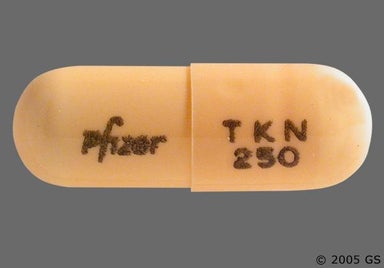
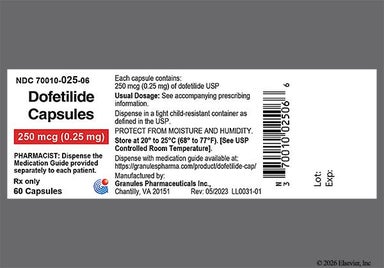
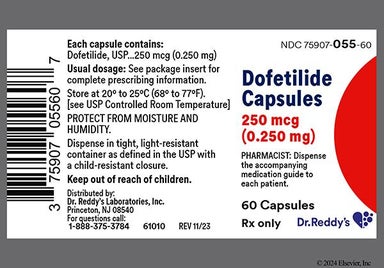
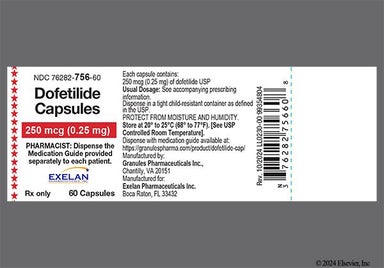
Prescription savings
Stop paying too much for your prescriptions. Compare prices, get pharmacy coupons, and save up to 80%. Find expert answers to your health questions so you can make the best decisions for yourself and your family.
Health conditions
Medications & treatment
Access & affordability
Medication discounts

Typically, you take Dofetilide for as long as it's helping your heart stay at a normal rhythm. In addition, you'll continue to take the medication as long as you're not having bothersome or serious side effects. Check in with your provider regularly so they can see how well treatment with Dofetilide is going. Discuss how long you need treatment for with your provider.
In studies, Dofetilide had about a 30% success rate in normalizing heart rhythm (that is, converting AFib or atrial flutter to a normal rhythm). In these studies, people had abnormal heart rhythm for as little as a week when they took Dofetilide. In other clinical studies looking at its long-term effects, 500 mcg of Dofetilide twice daily helped 66% of people maintain a normal heart rhythm after a year of treatment compared to 21% of people who took a placebo pill.
Just like all other medications, Dofetilide has its own set of risks. Dofetilide is known to cause serious arrhythmias (abnormal heartbeat). Many side effects of Dofetilide, including irregular heartbeat, can be prevented or managed if it's used in the right scenarios and with close monitoring by a healthcare provider. Your provider or heart specialist will help determine whether Dofetilide is safe for you. If you do start taking this medication, you'll need to stay in a healthcare facility for at least 3 days so your provider can adjust the dose and monitor your safety.
No. Don't open the Dofetilide capsules. If Dofetilide capsules do happen to be crushed or opened, take care to avoid touching the powder inside. If the powder comes into contact with your skin or eyes, it can lead to irritation or other harmful side effects.
No, Dofetilide doesn't belong to the drug class called beta-blockers (such as metoprolol or carvedilol). Beta-blockers typically help regulate heart rate. Dofetilide is an antiarrhythmic medication that works differently to control your heart's electrical activity and heart rhythm.
Don't just stop taking Dofetilide unless your provider says to do so. Dofetilide is meant to help regulate your heart rhythm, so stopping the medication without your provider's guidance can potentially cause your irregular heart rhythm to come back. Talk with your provider about how to stop taking Dofetilide safely.
Although alcohol isn't known to interact with Dofetilide directly, it might be best to limit how much alcohol you drink or avoid alcohol altogether while you're taking this medication. Alcohol can worsen the medication's side effect of dizziness. In addition, alcohol can lead to or worsen abnormal heart rhythm, especially heavy alcohol use. But studies also suggest that even one alcoholic drink per day can raise your risk of worsening atrial fibrillation. Talk with your provider about a limit for how much you can drink with your heart condition.
