



Travel Vaccines: How to Get Vaccinated for Yellow Fever, Malaria, and More
If you’re planning an international trip, you may need to update your travel vaccines. Learn where to get travel vaccines and how to save on the cost.
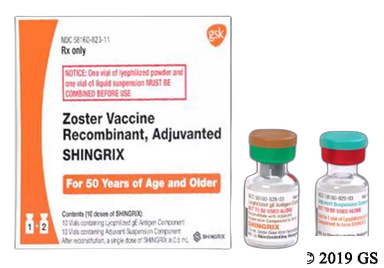
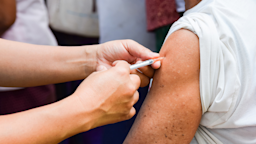
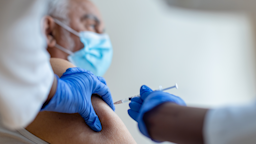
Shingrix is a vaccine that helps prevent shingles (herpes zoster). It's approved for all adults age 50 years and older, and for adults age 18 years and older who have a higher risk due to weakened immune systems. You receive it as a shot into the muscle from a healthcare professional. The injection is given in two doses, typically 2 to 6 months apart. Common side effects include pain and swelling at the injection site, muscle pain, and headache.

Shingrix is an inactive form of a recombinant vaccine that helps protect you from the varicella-zoster virus (VZV), which causes shingles. It's not a live vaccine.
Shingrix is made using a protein from VZV. The protein triggers your immune system to make antibodies against the virus. These antibodies can recognize and fight the virus if it becomes active again in your body.
| Common Brands | Shingrix |
|---|---|
| Drug Class | Vaccine |
| Controlled Substance Classification | Not a controlled medication |
| Generic Status | No lower-cost generic available |
| Availability | Prescription only |

The following side effects may get better over time as your body gets used to the medication. Let your healthcare provider know immediately if you continue to experience these symptoms or if they worsen over time.
Adults age 50 years and older:
Adults age 18 to 49 years old with weakened immune systems:
Contact your healthcare provider immediately if you experience any of the following.
Side effects that you should report to your care team as soon as possible:
Side effects that usually do not require medical attention (report these to your care team if they continue or are bothersome):




Shingrix can cause some serious health issues. This risk may be even higher for certain groups. If this worries you, talk to your doctor or pharmacist about other options.
There is a small chance of a severe allergic reaction after you get Shingrix. Your care team might ask you to stay for a short time after your injection so they can watch for any problems.
Serious reactions can also happen after you leave. Get medical help right away if you have symptoms like trouble breathing, swelling of your face or throat, hives, dizziness, chest pain, or feel faint.
Although very rare, some people have reported Guillain-Barré syndrome (GBS) after the first dose of Shingrix. GBS is a rare condition that causes muscle weakness, tingling in the body, and even paralysis. Your risk might be slightly higher during the first 6 weeks after getting Shingrix. Let your care team know right away if you experience these symptoms.
Some people faint during or after getting Shingrix. This can happen with other vaccines too. Fainting might come with vision changes, a burning feeling, or stiff or twitching arms and legs. Tell your care team if you’ve fainted after a vaccine before so they can watch you closely.

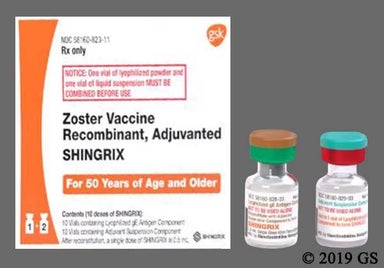
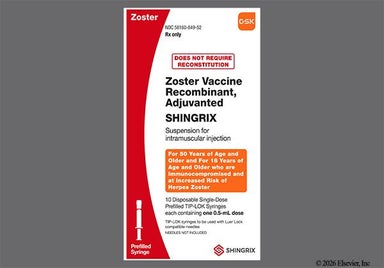
 Carton
| Dosage | Quantity | Price as low as | Price per unit |
|---|---|---|---|
| 1 vaccine of 0.5ml | 1 carton | $133.76 | $133.76 |
The typical dose is 0.5 mL injected into the muscle for 2 doses. The injections are given by a healthcare professional.
The second dose is typically given 2 to 6 months after the first. But people with a weakened immune system might get it sooner, about 1 to 2 months after the first dose.


Contraindications are specific health conditions or situations in which a person should not take a medication due to safety concerns. If you have any of the following conditions or if any of the following apply to you, let your healthcare provider know because Shingrix will not be safe for you to take.









Prescription savings
Stop paying too much for your prescriptions. Compare prices, get pharmacy coupons, and save up to 80%. Find expert answers to your health questions so you can make the best decisions for yourself and your family.
Health conditions
Medications & treatment
Access & affordability
 Our monthly healthcare membership can help you save thousands on your prescription costs.
Resources

