Key takeaways:
Original Medicare (Part A and/or Part B) and Medicare Advantage plans don’t cover the shingles vaccine, known as Shingrix, unless you also have Part D prescription coverage.
Most people who have insurance pay nothing for the shingles vaccine. That’s because the Affordable Care Act (ACA) and the Inflation Reduction Act of 2022 don’t allow Americans to be charged out-of-pocket costs for certain vaccines, including Shingrix.
Without insurance, the Shingrix vaccine can cost about $200 per dose. And you will need two doses to receive the most protection.
Save on related medications
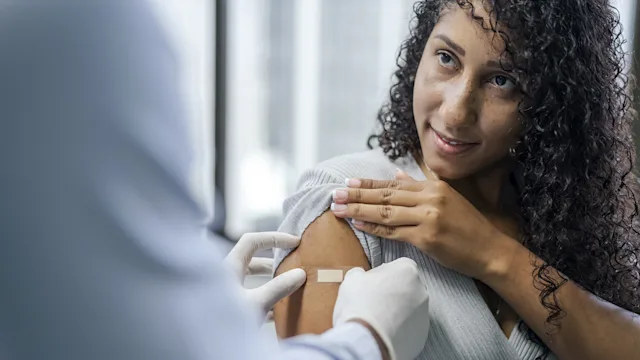
Shingrix is the only shingles vaccine approved for use in the U.S. Shingrix is more than 90% effective at preventing shingles and postherpetic neuralgia (PHN) in adults ages 50 and older who have healthy immune systems. In adults with weakened immune systems, the vaccine is still 68% to 91% effective.
Shingrix is a two-dose vaccine. The doses should be taken 2 to 6 months apart. And as mentioned, in addition to shingles, the Shingrix vaccine protects against PHN, or long-term nerve pain, which is the most common complication of shingles.
What is shingles?
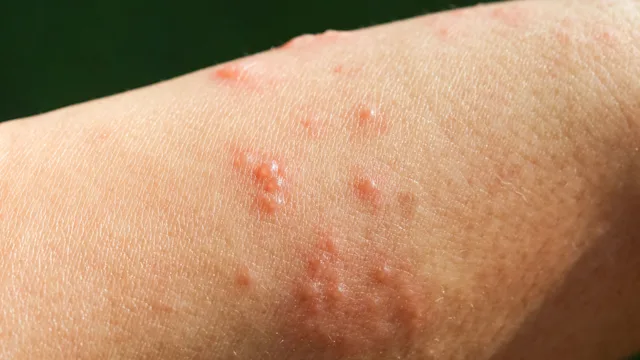
Shingles is a viral infection that can cause painful rashes and blisters that last for weeks to several months. In severe cases, the virus can cause nerve pain for years, as well as eye problems and pneumonia.
Shingles, or herpes zoster, develops from the same virus that causes chickenpox. Anyone who has had chickenpox is at risk of later getting shingles. About 1 in 3 people in the U.S. will develop shingles during their lifetimes — and the risk increases with age.

There’s only one shingles vaccine in the U.S.: Zostavax, an earlier shingles vaccine, is no longer available in the U.S. So it’s recommended that you get Shingrix — which has better results — even if you’ve had the other shot.
Shingles can get in your eye: While you can develop painful rashes on your body, shingles can also develop near and in your eye, which can lead to long-term vision issues.
You can get shingles again: You can have what’s called recurrent shingles, which happens to about 6% of people who have already had shingles.
Who should get the shingles vaccine?
The CDC recommends that adults 50 and older receive the shingles vaccine. This is true even for people who have already had shingles or have taken Zostavax, an older shingles vaccine that is no longer available in the U.S.
You need two doses of the Shingrix vaccine to receive the most protection. And for most people, these doses should be taken from 2 to 6 months apart.
The CDC also recommends the vaccine for people ages 19 and older who are or will be immunocompromised because of disease or treatment and may be at risk of developing shingles. The second shot may be taken 1 to 2 months after the first for people in this population.
Does Medicare cover the shingles vaccine?
If you have a Part D prescription plan with original Medicare, or a Medicare Advantage plan, your shingles vaccination should be covered without any out-of-pocket costs.
If you have original Medicare (Part A and/or Part B), or a Medicare Advantage plan without Part D coverage, your plan does not cover the shingles vaccine.
During Medicare’s annual open enrollment period from October 15 to December 7, you can:
Join a Medicare Part D plan
Switch from one Medicare Part D plan to another
Switch from a Medicare Advantage plan that doesn’t offer prescription medication (Part D) coverage to one that does, and vice versa
Drop your Medicare prescription medication coverage completely
Any change in coverage status will go into effect on January 1 of the next year.
How much does the shingles vaccine cost?
As of January 2024, manufacturer GSK reports the list price for the Shingrix vaccine as $395.80 or $197.90 per dose. But pharmacies may charge more or less than the list price for the vaccine.
According to GoodRx, the average cash price per dose of Shingrix is $288.67. But you may be able to pay less with a GoodRx coupon.
If you have an insurance plan through the Affordable Care Act (ACA, also known as Obamacare) marketplace, the shingles vaccine is covered as a preventive service for adults, without a copay or coinsurance — even if you haven’t met your deductible. The same is true for most employer-based and other commercial health insurance plans.
Shingrix is covered under Medicaid in most states, according to GSK. If your state expanded Medicaid under the ACA and you receive your vaccination from an in-network provider, your cost-sharing amount could be $5 or less per dose.
How often should you get the shingles vaccine?
You only need to get one course (two doses) of Shingrix. If you previously received Zostavax, talk to your healthcare provider about getting Shingrix. According to the CDC, immunity to shingles remains strong at least 7 years after receiving a full Shingrix vaccination for people 70 and older who have healthy immune systems.
Can you get the shingles vaccine for free?
Yes. The two-dose shingles vaccine is available at no cost to people enrolled in Medicare Part D and most people who have a commercial health insurance plan.
If you are an adult and you don’t have insurance, you may be eligible for GSK’s Patient Assistance Program for Vaccines, which can provide your Shingrix doses for free.
You also may be able to receive free or reduced-cost vaccinations through your state or local health department or a community health center. In some cases, state health departments provide free or low-cost shingles shots based on income. You can find more information on this U.S. Department of Health and Human Services website.
You also can check with a federally qualified health center or nonprofit clinic in your community. You can find health centers near you through locator tools provided by the National Association of Free & Charitable Clinics and the Health Resources and Services Administration.
Is the shingles vaccine free for people over 50?
People 50 and older whose insurance status aligns with any of the following can get Shingrix doses at no cost:
Have a commercial insurance plan (96% of people with private insurance pay $0)
Have a Medicare Part D prescription plan
Are uninsured and qualify for the manufacturer’s GSK For You patient assistance program
The bottom line
Medicare covers the shingles vaccine, known as Shingrix, if you have Part D prescription medication coverage as part of your original Medicare or Medicare Advantage plan. Without insurance, you may pay about $200 or more per dose for Shingrix. And you will need two doses of the vaccine to get the most protection. You can save on Shingrix with a GoodRx coupon.

Why trust our experts?




References
Centers for Disease Control and Prevention. (2022). Shingrix recommendations.
Centers for Disease Control and Prevention. (2023). Shingles vaccination.
Centers for Disease Control and Prevention. (2024). About shingles (herpes zoster).
Centers for Disease Control and Prevention (2024). Shingles symptoms and complications.
GSK For You. (n.d). GSK pricing information.
Healthcare.gov. (n.d.). Preventive care benefits for adults.
Medicare.gov. (n.d.). Joining a plan.
Medicare.gov. (n.d.). Shingles shots.
Shingrix. (n.d.). Cost & coverage.