






What Are Statins Used For? A Complete Guide
Statins are used to treat high cholesterol. Learn the different types of statins, their side effects, and how to find the one that’s best for you.
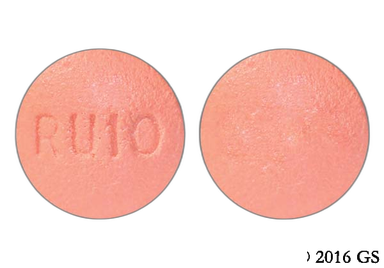
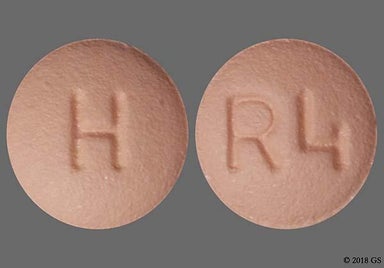
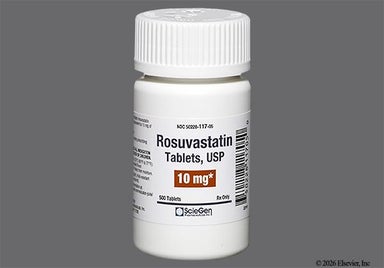
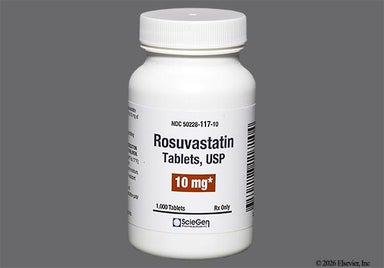
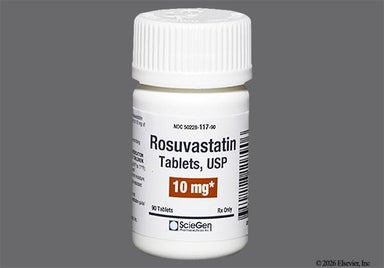
Rosuvastatin (Crestor) is a statin. It's used to treat high cholesterol levels in adults and children. It can also help lower the risk heart attack or stroke in people who are at risk for heart-related problems. Rosuvastatin (Crestor) comes as both generic and brand name tablets that are taken by mouth, typically once daily. Brand name Ezallor Sprinkle (rosuvastatin) is an option for people who've trouble swallowing pills. Common side effects of rosuvastatin (Crestor) include muscle pain, joint pain, and headache.

Rosuvastatin (Crestor) is a statin. The main way it works is by blocking the enzyme (protein) in your liver that makes cholesterol. As a result, rosuvastatin (Crestor) lowers your "bad" cholesterol (called low-density lipoprotein, or LDL). Rosuvastatin (Crestor) can also raise your "good" cholesterol (called high-density lipoprotein, or HDL) and lower your triglyceride levels.
| Common Brands | Crestor, Ezallor Sprinkle |
|---|---|
| Drug Class | Statin |
| Controlled Substance Classification | Not a controlled medication |
| Generic Status | Lower-cost generic available |
| Availability | Prescription only |

The following side effects may get better over time as your body gets used to the medication. Let your healthcare provider know immediately if you continue to experience these symptoms or if they worsen over time.
Contact your healthcare provider immediately if you experience any of the following.
Along with its needed effects, a medicine may cause some unwanted effects. Although not all of these side effects may occur, if they do occur they may need medical attention.
Check with your doctor immediately if any of the following side effects occur:
Less common
Blurred vision
chest pain, discomfort, tightness, or heaviness
difficult, burning, or painful urination
fast, irregular, pounding, or racing heartbeat or pulse
flushed, dry skin
fruit-like breath odor
increased hunger
increased thirst
increased urination
loss of consciousness
muscle tension or tightness
slow heartbeat
stomachache
sweating
trouble breathing
unexplained weight loss
unusual tiredness or weakness
vomiting
Incidence not known
Black, tarry stools
bleeding gums
bloody urine
chills
clay-colored stools
general feeling of tiredness or weakness
headache
hoarseness
indigestion
irritation
joint swelling
large, hive-like swelling on the face, eyelids, lips, tongue, throat, hands, legs, feet, or genitals
light-colored stools
loss of appetite
muscle tenderness, wasting, or weakness
pains in the stomach, side, or abdomen, possibly radiating to the back
pinpoint red spots on the skin
redness of the skin
stomach pain, continuing
swelling of the eyelids, face, lips, hands, or feet
tightness in the chest
trouble swallowing
unpleasant breath odor
unusual bleeding or bruising
upper right abdominal or stomach pain
vomiting of blood
yellow eyes or skin
Some side effects may occur that usually do not need medical attention. These side effects may go away during treatment as your body adjusts to the medicine. Also, your health care professional may be able to tell you about ways to prevent or reduce some of these side effects. Check with your health care professional if any of the following side effects continue or are bothersome or if you have any questions about them:
More common
Body aches or pain
congestion
dry or sore throat
tender, swollen glands in the neck
voice changes
Less common
Accidental injury
accumulation of pus, swollen, red, or tender area of infection near a tooth
arm, back, or jaw pain
belching
bladder pain
burning feeling in the chest or stomach
burning, crawling, itching, numbness, prickling, "pins and needles", or tingling feelings
discouragement
dizziness
excess air or gas in the stomach or bowels
excessive muscle tone
fear
feeling faint
feeling of constant movement of self or surroundings
feeling of warmth or heat
feeling sad or empty
flushing or redness of the skin, especially on the face and neck
general feeling of discomfort or illness
lack of appetite
lack or loss of strength
lightheadedness
loss of interest or pleasure
neck pain
nerve pain
nervousness
pain or swelling in the arms or legs without any injury
pain or tenderness around the eyes and cheekbones
passing gas
pounding in the ears
sensation of spinning
shivering
stomach discomfort, tenderness, or upset
trouble concentrating
trouble sleeping
Incidence not known
Confusion
forgetfulness
memory loss
nightmares
swelling of the breasts or breast soreness in both females and males
unsteadiness or awkwardness
weakness in the arms, hands, legs, or feet
Other side effects not listed may also occur in some patients. If you notice any other effects, check with your healthcare professional.
Call your doctor for medical advice about side effects. You may report side effects to the FDA at 1-800-FDA-1088.




Rosuvastatin (Crestor) can cause some serious health issues. This risk may be even higher for certain groups. If this worries you, talk to your doctor or pharmacist about other options.
Rosuvastatin (Crestor) can cause a rare, but serious and life-threatening muscle problem called rhabdomyolysis. If severe, this muscle problem can lead to kidney injury. Your risk for rhabdomyolysis is higher if you take other medications that can either raise the levels of rosuvastatin (Crestor) in your body or also cause muscle damage. Stop rosuvastatin (Crestor) and get medical attention right away if you notice any symptoms of rhabdomyolysis, such as severe muscle pain, tenderness, or weakness; dark-colored urine; and tiredness.
In some rare cases, statins like rosuvastatin (Crestor) can cause immune-mediated necrotizing myopathy (IMNM), an autoimmune condition that causes muscle inflammation and muscle weakness. This muscle problem might continue even if you stop taking the statin. If you develop IMNM, you'll need to stop the statin and you might need to take additional medications to dampen down your immune system.
Some people who took rosuvastatin (Crestor) had changes to the liver enzyme levels in their blood, which can sometimes suggest liver problems. Most of the time, the changes in liver enzyme levels are temporary and don't cause any physical symptoms. In some rare cases, serious liver problems leading to liver failure have happened.
Your healthcare team might ask you to do blood tests to check your liver health before and during treatment to make sure your liver is working properly. Get medical attention right away if you notice yellowing of your skin or the whites of your eyes; swelling of your stomach; stomach pain; nausea; vomiting; stool changes (black, tarry, or bloody stools); or dark or brown urine. You might need to stop taking rosuvastatin (Crestor) to prevent further liver damage.
Some research suggests that statins like rosuvastatin (Crestor) might raise blood sugar levels, which can lead to higher hemoglobin A1C levels. But healthcare professionals believe that the benefits of statins outweigh this risk. Tell your prescriber if you have diabetes or high blood sugar before you start rosuvastatin (Crestor). You might need to check your blood sugar more often. Also, follow a healthy, balanced diet and do regular exercise while you're taking rosuvastatin (Crestor).
Rosuvastatin (Crestor) isn't recommended for use during pregnancy or breastfeeding for most people. This medication can possibly cause harm to unborn and breastfed babies. Talk to your healthcare team about the safest options for you if you're pregnant, thinking of becoming pregnant, or breastfeeding.

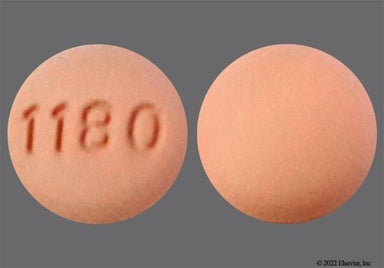
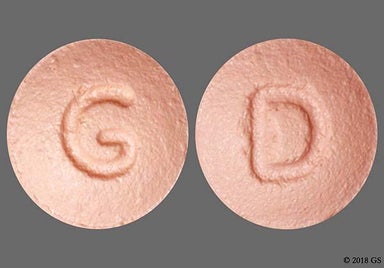
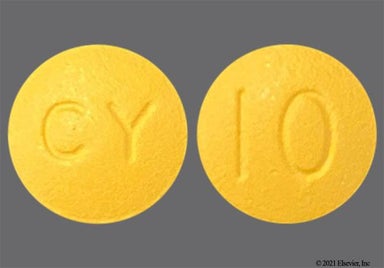
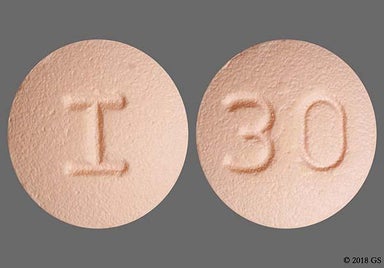
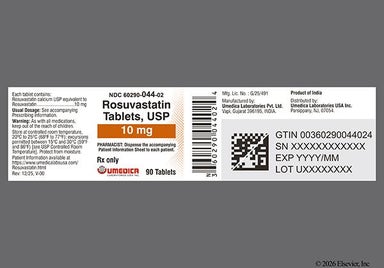
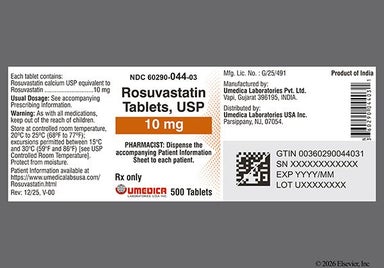
 Tablet
| Dosage | Quantity | Price as low as | Price per unit |
|---|---|---|---|
| 5mg | 30 tablets | $9.93 | $0.33 |
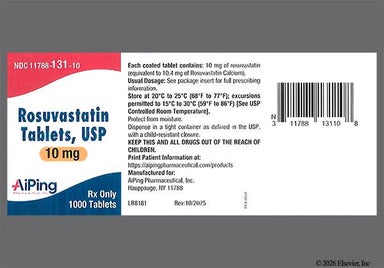
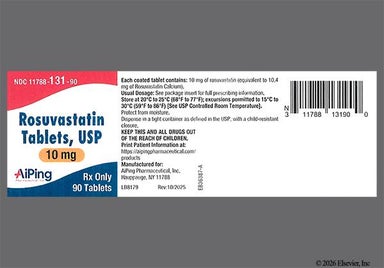
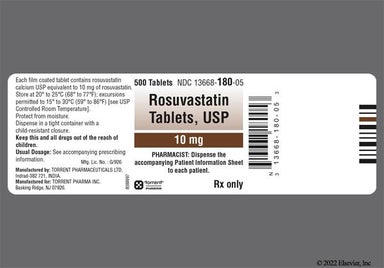
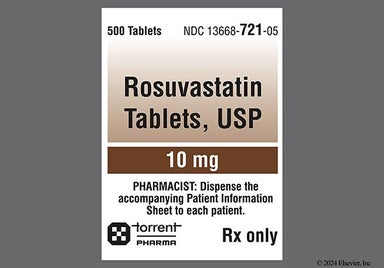
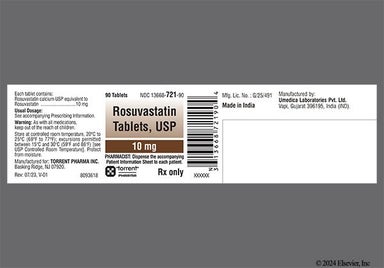
| 10mg | 30 tablets | $10.00 | $0.33 |
| 20mg | 30 tablets | $11.36 | $0.38 |
| 40mg | 30 tablets | $11.23 | $0.37 |
Your dose might differ if you're of Asian descent or if you have kidney problems.

GoodRx has partnered with to provide reviews on the different aspects of Rosuvastatin (Crestor).
Learn more about the effectiveness of Rosuvastatin (Crestor) based on real life experiences.
Based on 130 people taking this medication
3.2
3.8
3.1
2.5
3.3
3.3
Severity of side effects
Based on 244 people taking this medication
0%
50%
100%
Muscle and joint pain
4%
Muscle pain
3%
Muscle cramps
2%
Joint pain
2%
Pain in leg(s)
1%
Reasons people stopped taking Rosuvastatin (Crestor)
Based on 131 people who have taken this medication
Side effects too severe
30%
Doctor's advice
18%
Other
16%
Expense
15%
Change in health plan coverage
8%
Did not seem to work
7%
Personal research
6%
Course of treatment ended
4%
How long people take Rosuvastatin (Crestor)
Based on 620 people who have taken this medication
0%
50%
100%

Although certain medicines should not be used together at all, in other cases two different medicines may be used together even if an interaction might occur. In these cases, your doctor may want to change the dose, or other precautions may be necessary. When you are taking this medicine, it is especially important that your healthcare professional know if you are taking any of the medicines listed below. The following interactions have been selected on the basis of their potential significance and are not necessarily all-inclusive.
Using this medicine with any of the following medicines is usually not recommended, but may be required in some cases. If both medicines are prescribed together, your doctor may change the dose or how often you use one or both of the medicines.
Using this medicine with any of the following medicines may cause an increased risk of certain side effects, but using both drugs may be the best treatment for you. If both medicines are prescribed together, your doctor may change the dose or how often you use one or both of the medicines.


Contraindications are specific health conditions or situations in which a person should not take a medication due to safety concerns. If you have any of the following conditions or if any of the following apply to you, let your healthcare provider know because Rosuvastatin (Crestor) will not be safe for you to take.










Prescription savings
Stop paying too much for your prescriptions. Compare prices, get pharmacy coupons, and save up to 80%.Resources
About GoodRx
 Find expert answers to your health questions so you can make the best decisions for yourself and your family.
Health conditions
Medications & treatment
Access & affordability
Well-being
Medication discounts

