


What Is Serotonin Syndrome? What You Need to Know If You Take SSRIs
Serotonin syndrome is a reaction to commonly prescribed medications and supplements. Learn what serotonin syndrome is, what causes it, and how to treat it.
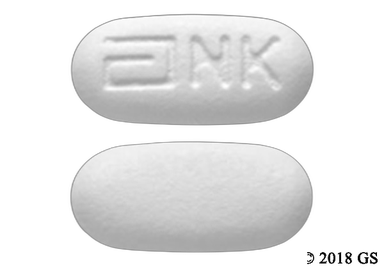
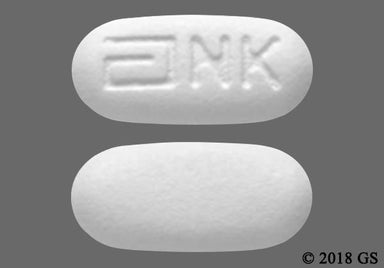
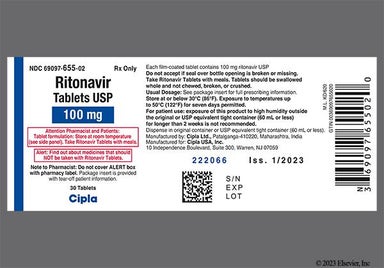
Ritonavir (Norvir) is an oral medication that's used as part of an antiretroviral (ARV) regimen to treat human immunodeficiency virus (HIV) infections. It comes in three different formulations: tablets, powder, and solution. In particular, the tablets are available as brand name and generic. Some common side effects of this medication include diarrhea, nausea, vomiting, and belly pain. Finally, ritonavir (Norvir) has many serious interactions with other medications, so always let your provider know all the medications you take before starting ritonavir (Norvir).

Ritonavir (Norvir) is a protease inhibitor, which means it blocks a protein called protease. Normally, protease helps to process viral proteins so that the HIV virus can infect healthy cells. By blocking protease from working, ritonavir (Norvir) prevents the virus from making copies of itself and spreading.
In addition, ritonavir (Norvir) can slow the breakdown of other HIV ARVs. This "boosts" the levels of the other HIV ARVs, which helps them to work better to fight the infection. Ritonavir (Norvir) is most commonly used as a "booster" of other HIV medications.
| Common Brands | Norvir |
|---|---|
| Drug Class | HIV ARV |
| Controlled Substance Classification | Not a controlled medication |
| Generic Status | Lower-cost generic available |
| Availability | Prescription only |

The following side effects may get better over time as your body gets used to the medication. Let your healthcare provider know immediately if you continue to experience these symptoms or if they worsen over time.
Contact your healthcare provider immediately if you experience any of the following.
Side effects that you should report to your care team as soon as possible:
Side effects that usually do not require medical attention (report to your care team if they continue or are bothersome):



More tips for taking ritonavir (Norvir) oral solution or powder:

Ritonavir (Norvir) can cause some serious health issues. This risk may be even higher for certain groups. If this worries you, talk to your doctor or pharmacist about other options.
 Some medications can interfere with how well your body gets rid of ritonavir (Norvir) from your system. This can affect the amount of ritonavir (Norvir) in your body, how well it works, and the risk of side effects.
 Taking certain supplements (e.g., St. John's Wort) or tuberculosis medication (e.g., rifampin (Rifadin)) can lower the amount of ritonavir (Norvir) in your body. This can make ritonavir (Norvir) not work as well to treat your HIV. So this combination must be avoided.
Ritonavir (Norvir) also interferes with how your body gets rid of other medications. For example, taking ritonavir (Norvir) with medications like alfuzosin (Uroxatral) can raise the amount of alfuzosin in your body. This can lead to dangerously low blood pressure. In addition, taking ritonavir (Norvir) with some statins (e.g., lovastatin (Altoprev), simvastatin (Zocor)) can cause your body to absorb more of these statins and raise your risk for serious muscle problems.
Because of the potential for serious interactions with ritonavir (Norvir) and various medications, tell your provider and pharmacist about all the medications you take or plan to take. They can make sure your medications are safe to take together.
Ritonavir (Norvir) can cause life-threatening liver problems. These are more common in the first 3 months of treatment. Your provider will order blood tests for you before and during treatment so they can make sure this medication is safe for your liver. Let your provider know immediately if you experience signs and symptoms of liver damage, such as feeling sleepy, nausea, loss of appetite, light-colored stool, upper right stomach pain, yellowing of the skin or eyes, or dark urine.
Though rare, few people who took ritonavir (Norvir) have reported having inflammation of the pancreas (pancreatitis). These people often have too much triglycerides (fats) in their blood as well. Stop taking ritonavir (Norvir) and let your provider know right away if you experience symptoms of an inflamed pancreas, such as pain in the upper stomach, fever, nausea, and vomiting.
Ritonavir (Norvir) can affect your heart rhythm, which can be serious and life-threatening. Your risk is higher if you've certain conditions, including electrolyte levels that's out of balance, heart rhythm problems, or are taking other medications that cause heart rhythm problems, such as digoxin (Lanoxin), among others. If you feel your chest pounding, have trouble breathing, have chest pain, or feel faint or lightheaded while taking ritonavir (Norvir), get medical attention right away.
Ritonavir (Norvir) can sometimes cause rash and other severe skin reactions. If you have a mild or moderate rash, continue to take ritonavir (Norvir) and let your provider know. If you have a severe rash or your rash gets worse, talk with your provider right away. In rare cases, if you experience a severe rash with fever, general discomfort, muscle or joint pain, mouth sores, blisters, or facial swelling, stop taking ritonavir (Norvir) right away and get medical attention.
Taking ritonavir (Norvir) and certain HIV ARVs can raise your blood sugar levels or worsen your diabetes. In some cases, your provider will need to adjust your dose of diabetic medications to make sure your blood sugar is under control. If you have a history of diabetes, let your provider know before starting ritonavir (Norvir). Your provider might ask you to check your blood sugar at home to make sure this medication is safe for you.
Ritonavir (Norvir) raises the amount of cholesterol and triglycerides (fats) in your blood, which can put you at higher risk for a heart attack or stroke. Your provider will monitor your blood works before and during treatment with this medication to make sure it's safe for you. If your cholesterol levels are too high, your might need to take medications to help keep them under control. Keep in mind that certain cholesterol medications, such as lovastatin (Altoprev) or simvastatin (Zocor), should be avoided with ritonavir (Norvir) to prevent serious side effects. Make sure to let your provider know all the medications you're taking before being prescribed new ones.
Rarely, people taking HIV medications, such as ritonavir (Norvir), have experienced changes in body fat. These changes include fat buildup in the back of the neck, breast, and around the middle of the body. Some people also lost fat from the legs, arms, and face. It's not clear whether ritonavir (Norvir) causes these changes to body fat, why this happens, and whether it will affect your health in the future. Let your provider know if these changes occur while you're taking ritonavir (Norvir).
Taking combination ARV therapy, such as ritonavir (Norvir) with other HIV medications, can cause changes to your immune system called immune reconstitution syndrome. This condition happens when your immune system becomes overly active after you start combination therapy. So your immune system begins to fight off different infections that it was too weak to fight off before you started treatment. In rare cases, your immune response might improve too much with treatment that it starts to attack normal cells in your body (autoimmune). You can develop these conditions as early as during the first few weeks of treatment or many months later. Tell your healthcare provider right away if you start having any new symptoms, such as fever, pain, hair loss, bulging eyes, or sweating, after starting ritonavir (Norvir).
Some people with a bleeding condition called hemophilia have had more bleeding after starting protease inhibitors, such as ritonavir (Norvir). About half the time, you can continue taking this medication after the bleeding stops. Let your provider know if you notice sudden bleeding or have bleeding that's difficult to stop.
Ritonavir (Norvir) oral solution contains ethanol and propylene glycol, which are typically safe for children and adults. But in babies who are born early, this combination can raise the risk of propylene glycol side effects, which can sometimes be life-threatening. If you notice you or your child has trouble breathing, feels dizzy, has no appetite, nausea, or vomiting, get medical attention right away.

 Tablet
| Dosage | Quantity | Price as low as | Price per unit |
|---|---|---|---|
| 100mg | 30 tablets | $30.98 | $1.03 |


Contraindications are specific health conditions or situations in which a person should not take a medication due to safety concerns. If you have any of the following conditions or if any of the following apply to you, let your healthcare provider know because Ritonavir (Norvir) will not be safe for you to take.





Prescription savings
Stop paying too much for your prescriptions. Compare prices, get pharmacy coupons, and save up to 80%. Find expert answers to your health questions so you can make the best decisions for yourself and your family.
Health conditions
Medications & treatment
Access & affordability
Medication discounts


Ritonavir can be used as a "booster" to HIV medications since it slows the breakdown of other HIV ARVs, like darunavir (Prezista). This allows these other HIV ARVs to stay in your body longer at higher levels so that they can work better. Without Ritonavir, these medications might not work well, which can cause the HIV virus to become resistant (harder to treat). Keep in mind that the dose of Ritonavir as a "booster" is typically lower than usual. Talk to your provider to see what is the right dose for you.
No, ritonavir and remdesivir are not the same medication, but they're both ingredients in medications used to treat COVID-19. Ritonavir is one of the ingredients in Paxlovid (nirmatrelvir / ritonavir) while Veklury (remdesivir) is an injection given in the hospital for people with severe symptoms of COVID-19. Keep in mind that the generic ritonavir and Ritonavir aren't FDA-approved for COVID-19, so you shouldn't take this medication to treat COVID-19 symptoms.
It can take up to 30 hours for most of Ritonavir to leave your body. Keep in mind that this time frame is estimated based on the half-life of Ritonavir. It can also be affected by your health conditions and genetics, so it can be different for each individual person. If you experience side effects with this medication, make sure to let your provider know. Don't stop Ritonavir or any of your HIV medications without speaking to your provider. Doing so can cause the virus to spread and become harder to treat. Discuss with your healthcare provider if you have questions about how long the medication stays in your body.
Maybe. Ritonavir has been shown to lower the levels of estrogen when taken together, which might cause birth controls with ethinyl estradiol (estrogen) to not work as well. Talk with your provider if you're concerned about getting pregnant during treatment. Always use a condom as an additional form of birth control. Aside from preventing pregnancy, most condoms work well in preventing HIV transmission.
If you're pregnant or thinking of becoming pregnant, let your provider know. In general, clinical guidelines recommend that pregnant people with HIV start treatment as soon as possible to lower the risk of transferring the virus to the unborn baby. Your provider talk with you about your options for HIV treatment during pregnancy. Studies suggest that Ritonavir tablets and powder aren't likely to cause harm in pregnancy. But the oral solution can cause harm because it contains alcohol. Also, because Ritonavir is often taken together with other antiretrovirals, it's important to make sure that the other medications are safe to take during pregnancy.
It's recommended to avoid breastfeeding if you have HIV. Doing so can raise the risk of spreading the infection to your baby or worsen their HIV infection. In addition, some studies showed that Ritonavir is found in breast milk. Speak to your provider so you can discuss the benefits and risks of receiving this medication while breastfeeding.
