


Is Tonic Water Good for You? A Dietitian Explains What You Need to Know
Learn what tonic water is, how it’s used, and how its ingredients, such as quinine, affect your body. Find out whether tonic water can be a good choice for you.
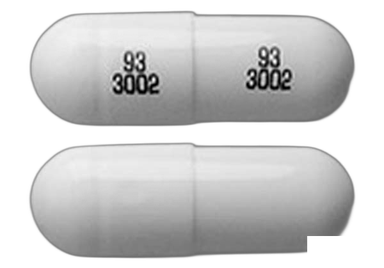
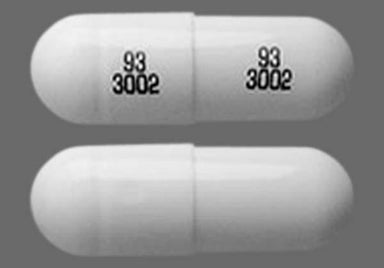
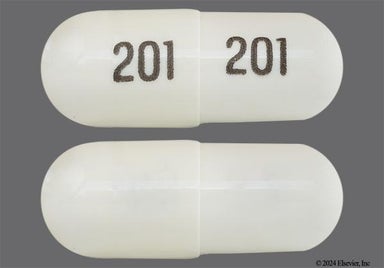
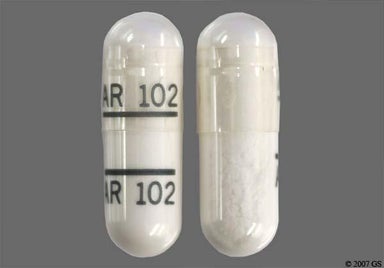
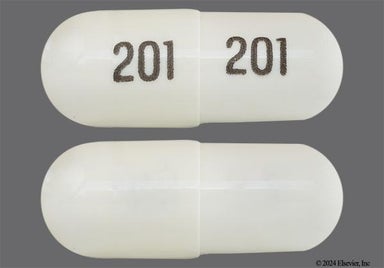
Quinine (Qualaquin) is used to treat malaria in people ages 16 years and older. It's not used for preventing malaria. It's available as a capsule taken every 8 hours. Side effects of quinine (Qualaquin) include nausea, stomach pain, and vomiting. Taking it with food can ease some stomach-related side effects. It's typically not a first-choice option because it has a lot of side effects, drug interactions, and needs to be taken in combination with either doxycycline (Vibramycin, Doryx) or certain other antimalarial medications.

Quinine (Qualaquin) is an antimalarial medication. It kills one form of malaria, Plasmodium falciparum, by stopping several cellular processes that are needed to grow and survive.
| Common Brands | Qualaquin |
|---|---|
| Drug Class | Antimalarial |
| Controlled Substance Classification | Not a controlled medication |
| Generic Status | Lower-cost generic available |
| Availability | Prescription only |

The following side effects may get better over time as your body gets used to the medication. Let your healthcare provider know immediately if you continue to experience these symptoms or if they worsen over time.
Contact your healthcare provider immediately if you experience any of the following.
Along with its needed effects, a medicine may cause some unwanted effects. Although not all of these side effects may occur, if they do occur they may need medical attention.
Check with your doctor immediately if any of the following side effects occur:
More common
Blurred vision
change in color vision
changes in behavior
confusion
hearing loss
ringing in the ears
stomach cramps or pain
vomiting
Less common
behavior change, similar to drunkenness
black, tarry stools
bloody urine
blurred vision or change in vision
chills
cold sweats
confusion
cool pale skin
difficulty concentrating
drowsiness
excessive hunger
fast heartbeat
headache
hoarseness
loss of consciousness
lower back or side pain
nervousness
nightmares
painful or difficult urination
pinpoint red spots on the skin
restless sleep
seizures
shakiness
slurred speech
unusual bleeding or bruising
unusual tiredness or weakness
Rare
Difficulty breathing or swallowing
disturbed color perception
double vision
increased sweating
muscle aches
night blindness
reddening of the skin, especially around ears
ringing or buzzing in the ears
swelling of the eyes, face, inside of the nose, fingers, feet, or lower legs
Incidence not known
Back, leg, or stomach pains
bleeding gums
bleeding under the skin
blindness
blistering, peeling, or loosening of the skin
bloody nose
blue-yellow color blindness
change in mental status
cold sweats
confusion
cool, pale skin
dark urine
decreased frequency or amount of urine
decreased vision
difficulty breathing
difficulty in moving
difficulty speaking
dizziness
dizziness, faintness, or lightheadedness when getting up suddenly from a lying or sitting position
fainting
fast, pounding, or irregular heartbeat or pulse
general body swelling
general feeling of discomfort, illness, or weakness
hoarseness
heavier menstrual periods
hoarseness
increased hunger
increased or decreased urination
increased sensitivity of the skin to sunlight
increased thirst
irregular heartbeat, recurrent
irritation
itching, skin rash
joint pain, stiffness, or swelling
light-colored stools
loss of appetite
muscle cramps, weakness, or stiffness
nervousness
nightmares
nosebleeds
painful or difficult urination
pale color of the skin
pale skin
red skin lesions, often with a purple center
red, irritated eyes
redness or other discoloration of the skin
severe
sunburn
sores, ulcers, or white spots in the mouth or on the lips
tightness in the chest
troubled swallowing
upper right abdominal pain
weakness
yellow eyes or skin
Get emergency help immediately if any of the following symptoms of overdose occur:
Symptoms of an overdose
Blindness
blurred vision or change in vision
dizziness
double vision
fainting
lightheadedness
rapid or irregular heartbeat
sleepiness
Some side effects may occur that usually do not need medical attention. These side effects may go away during treatment as your body adjusts to the medicine. Also, your health care professional may be able to tell you about ways to prevent or reduce some of these side effects. Check with your health care professional if any of the following side effects continue or are bothersome or if you have any questions about them:
Other side effects not listed may also occur in some patients. If you notice any other effects, check with your healthcare professional.
Call your doctor for medical advice about side effects. You may report side effects to the FDA at 1-800-FDA-1088.




Quinine (Qualaquin) can cause some serious health issues. This risk may be even higher for certain groups. If this worries you, talk to your doctor or pharmacist about other options.
 Quinine (Qualaquin) is only FDA-approved for malaria treatment and shouldn't be used for treating leg cramps. This is because the evidence for using quinine (Qualaquin) for leg cramps isn't consistent and it can also cause severe and life-threatening side effects (e.g., heart problems, kidney problems, bleeding).
Quinine (Qualaquin) can cause your platelet levels to drop. This can lead to severe (serious) bleeding. Tell your healthcare provider if you notice any unusual signs of bleeding, such as easy bruising on your body, bloody nose, unusual bleeding from your gums with teeth brushing, or changes in the color of your stool or urine. Typically, your platelet levels will return to normal range once quinine (Qualaquin) is stopped. Make sure you're making regular appointments with your healthcare provider and getting your blood levels checked.
Quinine (Qualaquin) can cause hemolytic anemia, which is when your red blood cells are broken down. Your provider will monitor your blood cell counts before and during treatment. Contact your provider if you experience symptoms such as tiredness, dizziness, and weakness.
Quinine (Qualaquin) can affect the time it takes for your heart to pump and then relax. This is known as QT prolongation. Your risk for QT prolongation is higher if you have certain factors, including abnormal electrolyte levels and heart rhythm problems. Your risk is also higher if you're taking other medications that cause heart rhythm problems, such as amiodarone (Pacerone) and quetiapine (Seroquel), among others. If you feel your chest pounding, have shortness of breath, have chest pain, or feel faint or lightheaded while taking quinine (Qualaquin), call 911 right away.
Quinine (Qualaquin) raises insulin levels, which can make your blood sugar low. It's best to carry with you some form of fast-acting sugar (e.g., glucose tablets, hard candy, fruit juice) at all times while you're taking this medication because you can use these to raise your blood sugar quickly if it becomes too low. If you experience symptoms of low blood sugar (e.g., shakiness, anxiety, unusual hunger or thirst, confusion), contact your provider.
Severe allergic reactions to quinine (Qualaquin) are possible, including life-threatening reactions like facial swelling and anaphylaxis (e.g., closing of the throat). Quinine (Qualaquin) can also cause serious skin reactions (e.g., Stevens-Johnson syndrome (SJS) or toxic epidermal necrolysis (TEN)) and blood problems (e.g., thrombotic thrombocytopenic purpura (a blood clotting problem)). If you notice changes in your skin (e.g., sore throat, fever, fatigue, rash, painful blisters, skin reddening, skin peeling) or symptoms of blood problems (e.g., tiredness, dizziness, and weakness, headache, confusion), stop using quinine (Qualaquin) and get medical attention right away.

 Capsule
| Dosage | Quantity | Price as low as | Price per unit |
|---|---|---|---|
| 324mg | 30 capsules | $35.32 | $1.18 |

Although certain medicines should not be used together at all, in other cases two different medicines may be used together even if an interaction might occur. In these cases, your doctor may want to change the dose, or other precautions may be necessary. When you are taking this medicine, it is especially important that your healthcare professional know if you are taking any of the medicines listed below. The following interactions have been selected on the basis of their potential significance and are not necessarily all-inclusive.
Using this medicine with any of the following medicines is not recommended. Your doctor may decide not to treat you with this medication or change some of the other medicines you take.
Using this medicine with any of the following medicines is usually not recommended, but may be required in some cases. If both medicines are prescribed together, your doctor may change the dose or how often you use one or both of the medicines.
Using this medicine with any of the following medicines may cause an increased risk of certain side effects, but using both drugs may be the best treatment for you. If both medicines are prescribed together, your doctor may change the dose or how often you use one or both of the medicines.


Contraindications are specific health conditions or situations in which a person should not take a medication due to safety concerns. If you have any of the following conditions or if any of the following apply to you, let your healthcare provider know because Quinine (Qualaquin) will not be safe for you to take.


Prescription savings
Stop paying too much for your prescriptions. Compare prices, get pharmacy coupons, and save up to 80%. Find expert answers to your health questions so you can make the best decisions for yourself and your family.
Health conditions
Medications & treatment
Access & affordability
Medication discounts


Yes, tonic water does contain quinine. In the United States, there's a maximum of 83 mg of quinine per liter of tonic water. This is much lower than the FDA-approved dose of Quinine (648 mg every 8 hours) for treating malaria. But, there have still been reports of people getting severe side effects from drinking tonic water, including blood clotting problems, heart rhythm problems, and light-sensitive skin. Ask your provider how much is a safe amount of tonic water to drink. Also, if you're prescribed Quinine, avoid drinking tonic water so you don't take too much quinine.
Quinine isn't FDA-approved to help with leg cramps. In fact, the FDA banned the use of all quinine products for leg cramps because of its risk of serious side effects, such as heart rhythm problems and bleeding problems. If you have leg cramps, discuss with your provider some possible treatment options.
No, high blood pressure isn't a side effect reported by people who took Quinine in clinical trials. In fact, it could potentially cause low blood pressure, but this appears to be rare.
The most common side effects from Quinine are a cluster of symptoms called cinchonism. The typical symptoms of Quinine include headache, sweating, nausea, and dizziness. Rarely, you might experience more serious symptoms such as vomiting, diarrhea, and stomach pain. Let your provider know if you experience any of these side effects. Most of these symptoms should go away once you stop taking this medication.
If you're pregnant, speak with your provider about the risks and benefits of taking Quinine and traveling to an area with high likelihood of malaria. It's not completely known whether it's safe to take Quinine during pregnancy because it hasn't been well-studied in human pregnancy. The CDC recommends that pregnant women can take Quinine only if first-choice options aren't available and if the benefits clearly outweigh the risks. In general, the CDC also recommends that pregnant women shouldn't travel to areas with high likelihood of malaria if possible. This is because the infection can be severe during pregnancy and raise the risk of serious pregnancy problems. Make sure to tell your provider if you're pregnant or breastfeeding before starting Quinine.
Talk to your provider about using Quinine if you're breastfeeding. Quinine isn't expected to cause side effects to your baby because the amount of the medication in breastmilk is low. But, Quinine could cause harm to your baby if they have a genetic problem called glucose-6-phosphate dehydrogenase (G6PD) deficiency.
