





Mucinex D vs. Mucinex DM: 7 Differences Between These Cough and Cold Medications
Mucinex D and Mucinex DM contain different ingredients, so they treat different cold symptoms. Learn which formula is right for you.
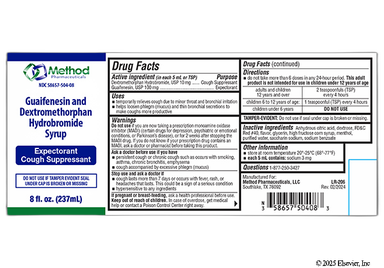
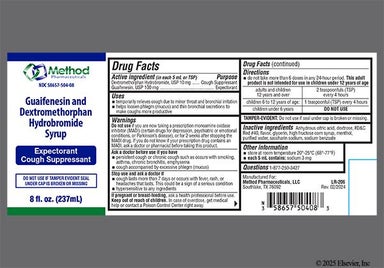
Mucinex DM (guaifenesin / dextromethorphan) is an over-the-counter medication that's used to relieve cough and loosen mucus. It has two active ingredients: guaifenesin (an expectorant that clears chest congestion) and dextromethorphan (a cough suppressant that relieves cough). The medication is available as tablets, dissolvable granules, and liquid that are taken by mouth, each with different dosages, directions, and age limits. Extended-release tablets are taken every 12 hours, while the other forms are usually taken every 4 hours. Most people have few to no side effects when used as directed, but it can sometimes cause stomach upset, dizziness, and drowsiness.

Mucinex DM (guaifenesin / dextromethorphan) is a combination of two medications.
| Common Brands | Mucinex DM, Adult Tussin Cough and Congestion DM, Robitussin Cough and Chest Congestion DM |
|---|---|
| Drug Class | Expectorant / Antitussive |
| Controlled Substance Classification | Not a controlled medication |
| Generic Status | Lower-cost generic available |
| Availability | Over-the-counter |

The following side effects may get better over time as your body gets used to the medication. Let your healthcare provider know immediately if you continue to experience these symptoms or if they worsen over time.
Possible guaifenesin side effects:
Possible dextromethorphan side effects:
Contact your healthcare provider immediately if you experience any of the following.
Side effects that you should report to your care team as soon as possible:
Side effects that usually do not require medical attention (report these to your care team if they continue or are bothersome):




Mucinex DM (guaifenesin / dextromethorphan) can cause some serious health issues. This risk may be even higher for certain groups. If this worries you, talk to your doctor or pharmacist about other options.
Mucinex DM (guaifenesin / dextromethorphan) contains two common ingredients that are found in many other over-the-counter products. Using more than one product with the same ingredients can lead to an accidental overdose that can be dangerous. In addition, some people might misuse dextromethorphan on purpose, which can lead to poisoning, especially if it's taken at high doses. This is why many retail stores require you to be over 18 years old to purchase products containing dextromethorphan.
Talk to your provider or pharmacist before you start Mucinex DM (guaifenesin / dextromethorphan) if you're not sure whether you're already taking a medication that has dextromethorphan or guaifenesin in it. To prevent an accidental overdose, carefully follow the product instructions on the package.
Call your Poison Control Center at 1-800-222-1222 right away if you or anyone else might’ve accidentally taken too much Mucinex DM (guaifenesin / dextromethorphan), even if you aren't completely sure. Also call the Poison Control Center or get medical help if you or someone else has trouble breathing, hallucinations, or changes in behavior after taking the medication because these can be signs that someone's taken too much.
Talk to your provider first before using Mucinex DM (guaifenesin / dextromethorphan) if you're taking or have recently taken medications for Parkinson's disease or depression known as monoamine oxidase inhibitors (MAOIs). These medications can interact with Mucinex DM (guaifenesin / dextromethorphan) and cause dangerously high blood pressure. This drug interaction can also lead to a rare, but serious side effect called serotonin syndrome. Ask your provider about other options to relieve your cough symptoms if you've taken these medications in the past two weeks.
The dissolvable granule formulation of Mucinex DM (guaifenesin / dextromethorphan) contain phenylalanine, a sweetener that's often added to medications. Phenylalanine is harmless to most people. But it can be dangerous to people with an inherited medical condition called phenylketonuria (PKU). Avoid using the dissolvable granules if you or your child has a history of PKU. Consider using the oral solution or tablet, which don't contain phenylalanine. Talk to a provider if you're not sure which products contain phenylalanine and which products are safer options before using any over-the-counter products.

 Capsule
| Dosage | Quantity | Price as low as | Price per unit |
|---|---|---|---|
| 200mg/10mg | 30 capsules | $8.93 | $0.30 |
 Ml of oral solution
| Dosage | Quantity | Price as low as | Price per unit |
|---|---|---|---|
| 200mg/10mg/5ml | 473 ml | $12.27 | $0.03 |
| 200mg/20mg/10ml | 100 ml | $10.62 | $0.11 |
| 400mg/20mg/20ml | 237 ml | $13.13 | $0.06 |
| 200mg/20mg/20ml | 118 ml | $10.75 | $0.09 |
Ml of syrup| Dosage | Quantity | Price as low as | Price per unit |
|---|---|---|---|
| 100mg/10mg/5ml | 237 ml | $14.48 | $0.06 |
This medication is made by many different manufacturers in different formulations. These formulations can have different directions and strengths.
Follow the specific product instructions on the package or talk with your provider or pharmacist about how to take this medication correctly. Some examples are listed below:
Extended-release tablets
Regular strength (Mucinex DM and generic): Each tablet contains 600 mg of guaifenesin and 30 mg of dextromethorphan.
Maximum strength (Mucinex DM Maximum Strength and generic): Each tablet contains 1,200 mg of guaifenesin and 60 mg of dextromethorphan.
Oral liquids
Oral granules

GoodRx has partnered with to provide reviews on the different aspects of Mucinex DM (guaifenesin / dextromethorphan).
Learn more about the effectiveness of Mucinex DM (guaifenesin / dextromethorphan) based on real life experiences.
Based on 2 people taking this medication
1.3
1.3
Severity of side effects
Based on 19 people taking this medication
0%
50%
100%
Sleepiness
11%
Fatigue
6%
Nausea
6%
Restlessness (akathisia)
6%
Reasons people stopped taking Mucinex DM (guaifenesin / dextromethorphan)
Based on 20 people who have taken this medication
Course of treatment ended
60%
Did not seem to work
15%
Doctor's advice
10%
Other
10%
Personal research
5%
How long people take Mucinex DM (guaifenesin / dextromethorphan)
Based on 27 people who have taken this medication
0%
50%
100%


Contraindications are specific health conditions or situations in which a person should not take a medication due to safety concerns. If you have any of the following conditions or if any of the following apply to you, let your healthcare provider know because Mucinex DM (guaifenesin / dextromethorphan) will not be safe for you to take.






Prescription savings
Stop paying too much for your prescriptions. Compare prices, get pharmacy coupons, and save up to 80%. Find expert answers to your health questions so you can make the best decisions for yourself and your family.
Health conditions
Medications & treatment
Access & affordability
Medication discounts

Though uncommon, it's possible for Mucinex DM to make you drowsy. Avoid drinking alcohol while you're take Mucinex DM because it can make you feel even drowsier, which can lead to accidental injuries. Don't drive a car or operate machinery until you know how this medication affects you.
You can take Mucinex DM during the day or at night. But because this medication can sometimes cause drowsiness and dizziness, make sure to avoid activities that require alertness until you find out how it affects you. In addition, the extended-release tablets last for about 12 hours, so you'll typically take it once during the day and once at night. But the other formulations (e.g., oral solution, oral granules) typically last only 4 hours, so you might need to take it multiple times throughout the day and night for symptom relief. Talk to your provider or pharmacist if you need help figuring out which formulation best fits your needs.
Different formulations of Mucinex DM have different directions, strengths, and dosage limits. Make sure you're taking this medication correctly by following the product instructions on the package. If you're not sure, ask your provider or pharmacist about how much medication you can take per day. For Mucinex DM extended-release, regular-strength tablets, people 12 years and older can take 1 or 2 tablets by mouth every 12 hours; don't take more than 4 tablets in a 24-hour period. For Mucinex DM extended-release, maximum-strength tablets, people 12 years and older can take 1 tablet by mouth every 12 hours; don't take more than 2 tablets in a 24-hour period.
You can take the extended-release tablets every 12 hours as needed for cough and chest congestion. For most other formulations (e.g., oral solution, oral granules), you can take the medication every 4 hours on an as-needed basis if you have cough or chest congestion. Make sure you follow the product instructions on the package or talk with your provider or pharmacist about how often you can use your medication.
The "DM" on Mucinex DM products stands for dextromethorphan, which is a cough suppressant. It works to lessen cough by blocking your cough reflex. Mucinex DM contains dextromethorphan and another ingredient called guaifenesin, which helps relieve cough. Note that Mucinex DM is different than Mucinex D. Mucinex D contains guaifenesin and pseudoephedrine, a decongestant that relieves stuffy nose.
Speak with your provider about the risks and benefits of taking Mucinex DM for your cough during pregnancy. Mucinex DM contains two ingredients, dextromethorphan and guaifenesin. Although some studies didn't find a link between using dextromethorphan and birth defects, there aren't many studies on the use of guaifenesin during pregnancy. To be safe, it's best to avoid taking Mucinex DM in your first trimester. Ask your provider or pharmacist about safe options to relieve your cough if you're pregnant.
You shouldn't take Mucinex DM with Nyquil. Most products under the brand Nyquil contain dextromethorphan, which is one of the active ingredients in Mucinex DM. Taking too much dextromethorphan can lead to overdose symptoms, such as feeling "high," hallucinations, fast heartbeat, slow breathing, and seizures. Keep in mind that many over-the-counter cough, cold, and flu medications contain similar ingredients, and it's best to avoid taking medications with overlapping ingredients. Always check with your provider or pharmacist before taking multiple over-the-counter cough, cold, and flu medications to make sure they're safe for you to take together.
Yes, it's generally considered safe to take ibuprofen (Advil) or acetaminophen (Tylenol)) with Mucinex DM. These medications contain different ingredients and relieve different symptoms of cold and flu. Ibuprofen (Advil) and acetaminophen (Tylenol) are used to relieve pain and fever. And Mucinex DM is used to soothe cough and chest congestion. Keep in mind that these pain relievers have risks as well. Ibuprofen (Advil) has heart risks and can cause kidney problems, and acetaminophen (Tylenol) has a risk for liver damage. Before taking over-the-counter cold or flu medications, speak with your provider to make sure it's safe for you to do so.

