


How to Get Rid of a Cough Without a Prescription: Tips and Over-the-Counter Cough Remedies
Most cough symptoms can be easily managed with at-home remedies and over-the-counter medications. Explore your options for treating dry coughs and wet coughs.
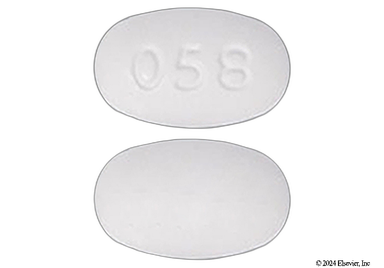
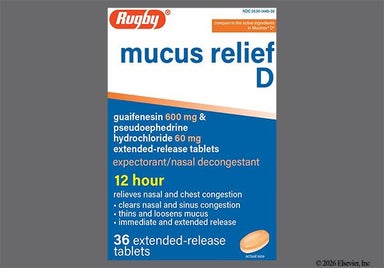
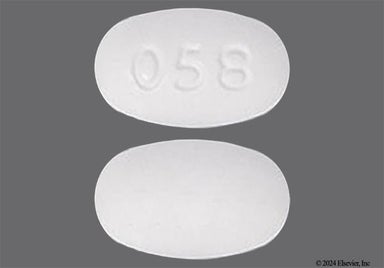
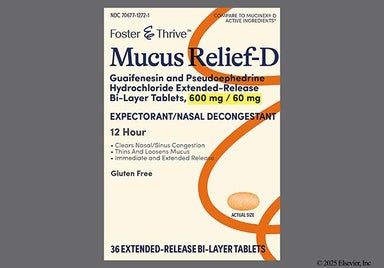
Mucinex D is a combination medication containing two active ingredients: guaifenesin (an expectorant) and pseudoephedrine (a decongestant). It's used to help temporarily relieve stuffy nose, chest congestion, and sinus pressure. This medication can be used for people 12 years of age and older. It's an extended-release tablet that's taken by mouth every 12 hours and is also available as a lower-cost generic. Side effects can include trouble sleeping and headache.

Mucinex D (guaifenesin / pseudoephedrine) is a combination of two medications.
| Common Brands | Mucinex D |
|---|---|
| Drug Class | Expectorant / Decongestant |
| Controlled Substance Classification | Controlled in some states. See FAQs below. |
| Generic Status | Lower-cost generic available |
| Availability | Over-the-counter |

The following side effects may get better over time as your body gets used to the medication. Let your healthcare provider know immediately if you continue to experience these symptoms or if they worsen over time.
Side effects that you should report to your care team as soon as possible:
Side effects that usually do not require medical attention (report these to your care team if they continue or are bothersome):




Mucinex D (guaifenesin / pseudoephedrine) can cause some serious health issues. This risk may be even higher for certain groups. If this worries you, talk to your doctor or pharmacist about other options.
Tell your primary care provider (PCP) about all your medical conditions that you have before you start Mucinex D (guaifenesin / pseudoephedrine). It's possible for this medication to worsen your medical condition(s) and cause serious side effects. Or the medication might not be appropriate for you based on your medical condition(s). Your PCP can check that Mucinex D (guaifenesin / pseudoephedrine) is appropriate and safe for you to take.
Mucinex D (guaifenesin / pseudoephedrine) contains an expectorant (guaifenesin) and a decongestant (pseudoephedrine). These ingredients can be found in many other over-the-counter products.
Using more than one product containing the same (or similar) ingredients as Mucinex D (guaifenesin / pseudoephedrine) raises the risk that you might accidentally take too much of a particular ingredient. This can be harmful. For example, taking too much pseudoephedrine can cause headache, anxiety, ringing in the ears, blurry vision, chest pain, fast heart rate, changes in blood pressure, nausea, and vomiting.
Ask your PCP or pharmacist if you're not sure whether you're taking a medication with any of the ingredients in Mucinex D (guaifenesin / pseudoephedrine). Carefully read and follow the product instructions on the package. Call a Poison Center at 1-800-222-1222 right away if you think that you or your child accidentally took too much medication (even if you aren't completely sure).

 Tablet
| Dosage | Quantity | Price as low as | Price per unit |
|---|---|---|---|
| 1200mg/120mg | 14 tablets | $14.74 | $1.05 |
| 600mg/60mg | 20 tablets | $8.56 | $0.43 |
| 400mg/40mg | 30 tablets | $6.53 | $0.22 |
Note: Guaifenesin and pseudoephedrine combination tablets are made by several manufacturers. Some products might differ in dosage and directions. Read the product label or ask your pharmacist for directions specific to your medication.
Mucinex D (guaifenesin 600 mg / pseudoephedrine 60 mg):
Mucinex D Maximum Strength (guaifenesin 1,200 mg / pseudoephedrine 120 mg):


Contraindications are specific health conditions or situations in which a person should not take a medication due to safety concerns. If you have any of the following conditions or if any of the following apply to you, let your healthcare provider know because Mucinex D (guaifenesin / pseudoephedrine) will not be safe for you to take.

Short-term relief of symptoms from the common cold or allergies:




Prescription savings
Stop paying too much for your prescriptions. Compare prices, get pharmacy coupons, and save up to 80%.Resources
About GoodRx
 Find expert answers to your health questions so you can make the best decisions for yourself and your family.
Health conditions
Medications & treatment
Access & affordability
Well-being
Medication discounts

Adults and children ages 12 years and older can take Mucinex D every 12 hours when you have a stuffy nose, chest congestion, and a wet (productive) cough. Keep in mind that some guaifenesin and pseudoephedrine combination products can have slightly different directions. Follow the directions written on the package for the product you have, or follow any specific instructions that your primary care provider gave you. Ask your primary care provider or pharmacist if you're not sure how often you should take this medication.
No, guaifenesin and pseudoephedrine (the ingredients in Mucinex D) don't typically cause sleepiness as a side effect. In fact, pseudoephedrine can potentially keep you awake at night if you take it too close to bedtime.
You can take Mucinex D at night. But keep in mind that the medication contains pseudoephedrine, which can potentially keep you awake. If you're having trouble going or staying asleep, try to avoid taking Mucinex D in the evening or within a few hours of bedtime.
Yes, you can take loratadine (Claritin) with Mucinex D if you have other allergy symptoms like runny nose, itchy nose, or itchy or watery eyes. Mucinex D and loratadine (Claritin) work differently in the body to treat different symptoms of the common cold or allergies; the two medications don't appear to interact with each other.
The main difference between Mucinex, Mucinex D, and Mucinex DM is the active ingredients in each brand name. Mucinex contains guaifenesin only and is used for people with chest congestion due to mucus buildup. Mucinex D contains guaifenesin and pseudoephedrine, which helps with chest congestion as well as nasal and sinus congestion and a wet (productive) cough. Finally, Mucinex DM contains guaifenesin and dextromethorphan, which helps with chest congestion and lowering the urge to cough when you have a dry cough. Ask your pharmacist if you're not sure which Mucinex product is right for the symptoms you have.
Yes, it's generally safe to take acetaminophen (Tylenol) or ibuprofen (Advil) with Mucinex D if you're in pain. But these pain relievers can also have risks that you should consider. These risks can include liver problems with acetaminophen (Tylenol) and heart and kidney problems with ibuprofen (Advil). Before you use any pain relievers with Mucinex D, speak with your primary care provider or pharmacist to make sure it's safe for you to do so.
Yes. You can typically find Mucinex D at the pharmacy counter (also called behind the counter). You won't need a prescription for it, but you'll need to show photo identification and sign when you buy the medication. Ask your pharmacist where to find Mucinex D in the pharmacy.
Though not all, certain states might consider Mucinex D a controlled substance and have put strict regulations on the medication. This is because the pseudoephedrine in Mucinex D has the potential to be misused. Keep in mind that state laws change from time to time. So, it's best to ask your primary care provider or pharmacist whether Mucinex D is a controlled substance in your state and how to safely take the medication.
