






Anxiety and IBS: What’s the Connection?
Do your irritable bowel syndrome (IBS) symptoms get worse when you’re anxious or stressed? Explore the link between IBS and anxiety, and learn coping strategies.
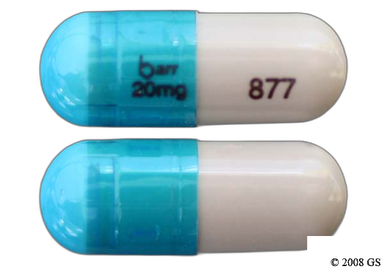
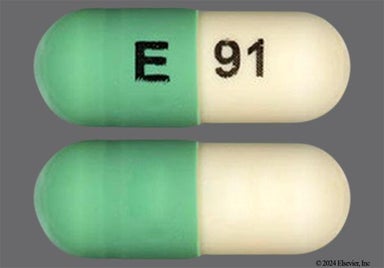
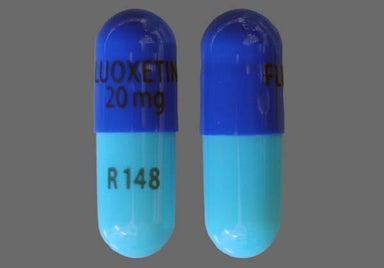
Fluoxetine (Prozac) is a selective serotonin reuptake inhibitor (SSRI) that’s FDA approved for people. But veterinarians commonly prescribe it off-label for cats and dogs with behavior problems like aggression, separation anxiety, or territory marking. This medication comes as tablets, capsules, and liquid that’s given once a day. The most common side effects of fluoxetine for pets are low energy, low appetite, vomiting, diarrhea, and shaking.
Note: There’s an FDA-approved form of fluoxetine for dogs called Reconcile that comes as a chewable tablet.

Fluoxetine is a selective serotonin reuptake inhibitor (SSRI). It works by raising the serotonin levels in your pet’s brain. Serotonin is responsible for your pet’s mood. It can affect their anxiety and other behaviors.
When your pet has more serotonin in the brain, it helps improve their behavior problems.
| Common Brands | Prozac |
|---|---|
| Drug Class | SSRI |
| Controlled Substance Classification | Not a controlled medication |
| Generic Status | Lower-cost generic available |
| Availability | Prescription only |

The following side effects might get better over time as your pet gets used to the medication. Let your veterinarian know immediately if your pet continues to experience these symptoms or if they worsen over time.
Contact your veterinarian immediately if your pet experiences any of the following.
Along with its needed effects, a medicine may cause some unwanted effects. Although not all of these side effects may occur, if they do occur they may need medical attention.
Check with your doctor immediately if any of the following side effects occur:
Rare
cold sweats
confusion
convulsions (seizures)
cool pale skin
difficulty with concentration
drowsiness
dryness of the mouth
excessive hunger
fast or irregular heartbeat
headache
increased sweating
increased thirst
lack of energy
mood or behavior changes
overactive reflexes
purple or red spots on the skin
racing heartbeat
shakiness or unsteady walk
shivering or shaking
talking, feeling, and acting with excitement and activity you cannot control
trouble with breathing
unusual or incomplete body or facial movements
unusual tiredness or weakness
Incidence not known
Abdominal or stomach pain
agitation
back or leg pains
bleeding gums
blindness
blistering, peeling, or loosening of the skin
blood in the urine or stools
bloody, black or tarry stools
blue-yellow color blindness
blurred vision
chest pain or discomfort
clay-colored stools
continuing vomiting
dark urine
decreased urine output
decreased vision
difficulty with breathing
difficulty with swallowing
dizziness or lightheadedness
fainting
fast, pounding, or irregular heartbeat or pulse
general body swelling
high fever
hives, itching, puffiness or swelling of the eyelids or around the eyes, face, lips, or tongue
hostility
indigestion
irregular or slow heart rate
irritability
large, hive-like swelling on the face, eyelids, lips, tongue, throat, hands, legs, feet, or sex organs
light-colored stools
loss of appetite
loss of bladder control
muscle twitching
nightmares
no blood pressure or pulse
noisy breathing
nosebleeds
pain in the ankles or knees
painful, red lumps under the skin, mostly on the legs
pains in the stomach, side, or abdomen, possibly radiating to the back
pinpoint red spots on the skin
rapid weight gain
red or irritated eyes
red skin lesions, often with a purple center
redness, tenderness, itching, burning, or peeling of the skin
severe muscle stiffness
severe sleepiness
slurred speech
sores, ulcers, or white spots on the lips or in the mouth
stopping of heart
sudden shortness of breath or troubled breathing
sudden weakness in the arms or legs
sudden, severe chest pain
swelling of the face, ankles, or hands
swollen or painful glands
thoughts of killing oneself
tightness in the chest
tiredness
twitching, twisting, or uncontrolled repetitive movements of the tongue, lips, face, arms, or legs
unconsciousness
unpleasant breath odor
unusual bleeding or bruising
unusual drowsiness, dullness, tiredness, weakness, or feeling of sluggishness
unusually pale skin
use of extreme physical or emotional force
vomiting of blood
yellow eyes or skin
Some side effects may occur that usually do not need medical attention. These side effects may go away during treatment as your body adjusts to the medicine. Also, your health care professional may be able to tell you about ways to prevent or reduce some of these side effects. Check with your health care professional if any of the following side effects continue or are bothersome or if you have any questions about them:
More common
Decreased appetite
Less common or rare
Abnormal dreams
breast enlargement or pain
change in sense of taste
changes in vision
feeling of warmth or heat
flushing or redness of the skin, especially on face and neck
increased appetite
increased sensitivity of the skin to sunlight
unusual secretion of milk, in females
yawning
Incidence not known
Cracks in the skin
loss of heat from the body
painful or prolonged erections of the penis
swelling of the breasts or breast soreness in both females and males
unusual milk production
Other side effects not listed may also occur in some patients. If you notice any other effects, check with your healthcare professional.
Call your doctor for medical advice about side effects. You may report side effects to the FDA at 1-800-FDA-1088.



Tips for the liquid form of fluoxetine:

Fluoxetine can cause some serious health issues. This risk might be even higher for certain pets. If this worries you, talk to your veterinarian about other options.
Pets that take fluoxetine might have a higher risk of having a seizure. Talk with your vet about your pet’s risk for seizures before they start this medication. Your pet might be at risk if they have a head injury, a brain tumor, or diabetes. Additionally, tell your veterinarian about all medications that your pet takes. Your vet will know if your pet has seizure conditions based on their medication list.
Get emergency vet care if you think that your pet is having a seizure. Seizures in dogs and seizures in cats might look different. Dogs might drool, stare into “space,” pace around, vomit, urinate, defecate, whine or bark loudly, make a paddling motion with their legs, or lose consciousness when they have a seizure. Cats can have similar symptoms as well as repeated swallowing, lip smacking, face twitching, or hiding.
Talk to your veterinarian about all your pet’s medications before you start giving fluoxetine to your pet. Certain medications, such as monoamine oxidase inhibitors (MAOIs) like selegiline, can interact with fluoxetine. Giving these medications together raises the risk that your pet could develop a rare but serious side effect called serotonin syndrome.
Because of the risk for serotonin syndrome, your pet shouldn't start fluoxetine if they’re currently taking an MAOI. You’ll need to wait 14 days after you stop giving them an MAOI before your pet can start fluoxetine. This waiting period gives your pet enough time to get rid of all of the medication it still has in their body.
Get vet care right away if you notice that your pet has a fever, fast heart rate, or diarrhea. These can be signs or symptoms of serotonin syndrome, which is a medical emergency that requires immediate help.

 Bottle of oral solution
| Dosage | Quantity | Price as low as | Price per unit |
|---|---|---|---|
| 120ml of 20mg/5ml | 1 bottle | $33.17 | $33.17 |
 Capsule
| Dosage | Quantity | Price as low as | Price per unit |
|---|---|---|---|
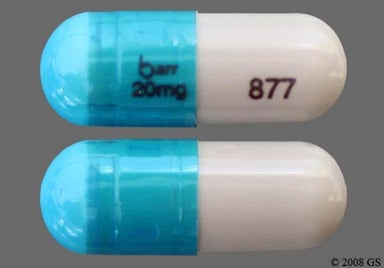
| 20mg | 30 capsules | $8.77 | $0.29 |
| 40mg | 30 capsules | $9.00 | $0.30 |
| 10mg | 30 capsules | $9.33 | $0.31 |
 Package
| Dosage | Quantity | Price as low as | Price per unit |
|---|---|---|---|
| 4 capsules of 90mg | 1 package | $43.40 | $43.40 |
The dose is based on your pet’s weight. Your vet will determine the correct dose for your pet.
Note: Your pet might need a special form of fluoxetine made for them. These forms might require different doses because they’re absorbed differently into the body. For example, the dose of the topical fluoxetine gel for cats, which is rubbed onto the pinna (the outer edge inside the ear flap), is higher than the dose for the usual oral forms.

Although certain medicines should not be used together at all, in other cases two different medicines may be used together even if an interaction might occur. In these cases, your doctor may want to change the dose, or other precautions may be necessary. When you are taking this medicine, it is especially important that your healthcare professional know if you are taking any of the medicines listed below. The following interactions have been selected on the basis of their potential significance and are not necessarily all-inclusive.
Using this medicine with any of the following medicines is not recommended. Your doctor may decide not to treat you with this medication or change some of the other medicines you take.
Using this medicine with any of the following medicines is usually not recommended, but may be required in some cases. If both medicines are prescribed together, your doctor may change the dose or how often you use one or both of the medicines.
Using this medicine with any of the following medicines may cause an increased risk of certain side effects, but using both drugs may be the best treatment for you. If both medicines are prescribed together, your doctor may change the dose or how often you use one or both of the medicines.


Contraindications are specific health conditions or situations in which a pet should not take a medication due to safety concerns. If your pet has any of the following conditions or if any of the following apply to your pet, let your veterinarian know because Fluoxetine will not be safe for your pet to take.











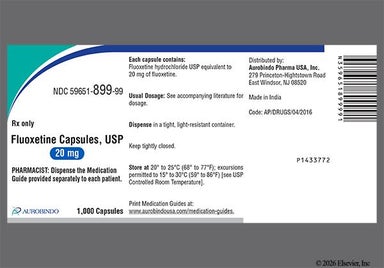
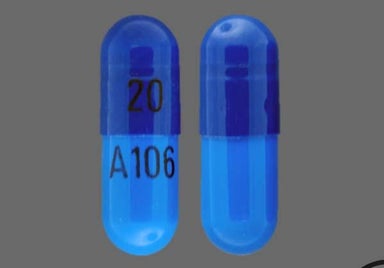
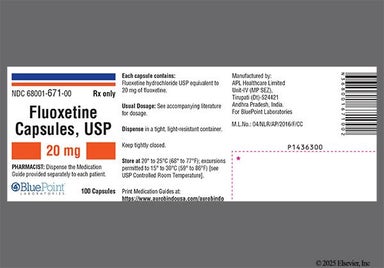
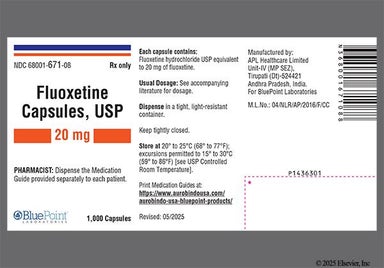
Prescription savings
Stop paying too much for your prescriptions. Compare prices, get pharmacy coupons, and save up to 80%. Find expert answers to your health questions so you can make the best decisions for yourself and your family.
Health conditions
Medications & treatment
Access & affordability
 Our monthly healthcare membership can help you save thousands on your prescription costs.
Resources

It can generally take SSRIs like Fluoxetine weeks to months to fully work to improve behavior problems in dogs. Some owners might notice a difference in their dog’s behavior before then. But it depends on each individual dog and the specific behavior problem they have. For example, a study showed that certain behavior problems started to improve after about 2 weeks of treatment. In another study of aggressive dogs, it took a month or two of treatment to see positive changes in behavior. If your dog’s behavior hasn’t improved after 8 weeks of taking Fluoxetine, you should talk to your veterinarian about changing their dose or their medication.
It depends on how your cat responds to Fluoxetine. Behavior can improve within the first few weeks of treatment for some cats. But in general, it can take several weeks or months of treatment with SSRIs like Fluoxetine to see the medication’s full effect. If you haven’t noticed a change in your cat’s behavior after they’ve taken Fluoxetine for 8 weeks, talk to your vet about changing their dose or about trying different treatment options.
It can be tricky to give medications to cats, so you might have to be creative to get them to take Fluoxetine. You can hide Fluoxetine tablets or capsules in food that hides the scent of the medication like tuna or salmon. Don’t use aged cheese (like cheddar, gouda, or colby cheese) for this though since these types of cheese interfere with Fluoxetine. You can also buy commercially-available pill pockets that can hide capsules or tablets. If these tricks don’t work, ask your vet to change the prescription to a liquid form of Fluoxetine or a specially-made topical gel. These forms of the medication can help make giving it to your cat more manageable.
Fluoxetine is generally safe for most dogs. But don’t give Fluoxetine to dogs that have seizures and dogs that are taking medications that give them a higher risk of having a seizure (like acepromazine). These dogs are at greater risk of having a seizure during treatment, which can be serious. Talk to a vet if your dog has diabetes or liver problems too since this medication might not be safe for them. If your dog is prescribed Fluoxetine, follow your vet’s instructions carefully to make sure you’re giving your dog a safe amount of the medication. Accidentally giving your dog too much Fluoxetine can cause aggression, seizures, weakness, and loss of coordination. Call your vet or a pet poison helpline if this happens.
Fluoxetine is safe for most cats. But talk to your vet about the risks and benefits for your cat if they have epilepsy or a history of seizures, diabetes, or liver problems. If your cat needs to take Fluoxetine, be sure to follow your vet’s exact instructions to make sure you’re giving your pet a safe amount of medication. Cats that have accidentally taken too much of Fluoxetine are at risk for seizures, drooling, loss of appetite, coordination problems, and slow heart rate. Contact your veterinarian, the ASPCA Animal Poison Control Center (1-888-426-4435), or the Pet Poison Helpline (1-855-764-7661) for advice on what to do if this happens.
It doesn’t matter if you give Fluoxetine to your pet in the morning or at night. There aren’t any studies that look at whether the medication works best at a particular time of day. Some vets prefer to give Fluoxetine at night so that it works at the start of the next day and continues to work throughout the day. Other vets might suggest giving the medication to your pet in the morning if it’s easier for you to remember. Giving it in the morning might also help prevent your pet from getting too sleepy during the day. In general, choose a time of day that’s convenient for you and that seems to work best for your pet. Be sure to give your pet Fluoxetine at the same time every day, regardless of what time of day you choose.
