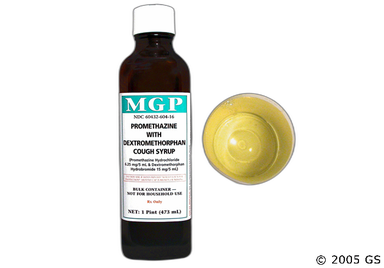
promethazine DM
Promethazine DM is a combination medication that contains promethazine and dextromethorphan. It temporarily relieves symptoms of allergies and the common cold and is only approved for adults and children age 2 years and older. Promethazine DM shouldn't be taken by children younger than 2 years old because it can cause serious harm in this age group. This medication is taken by mouth, typically every 4 to 6 hours. Some common side effects of promethazine DM include drowsiness and stomach upset.


What is Promethazine DM?
What is Promethazine DM used for?
- Short-term relief of cough and upper respiratory symptoms (e.g., itching or runny nose, sneezing) caused by allergies or the common cold
How Promethazine DM works
Promethazine DM is a combination of two medications.
- Promethazine is a type of medication called phenothiazine. It works by blocking different chemicals in your brain and throughout your body that cause symptoms of allergies or nausea.
- Dextromethorphan is a cough suppressant that works in the part of your brain that makes you cough. It lowers brain activity in that area, which makes it less likely for you to cough.
Drug facts

Side effects of Promethazine DM
The following side effects may get better over time as your body gets used to the medication. Let your healthcare provider know immediately if you continue to experience these symptoms or if they worsen over time.
Common Side Effects
The following side effects are those reported with dextromethorphan:
- Drowsiness
- Dizziness
- Stomach upset
The following side effects are those reported with promethazine:
- Feeling drowsy or tired
- Dizziness
- Blurry vision
- Dry mouth
- Nausea
- Vomiting
Less Common Side Effects
The following side effects are those reported with promethazine:
- Feeling agitated
- Excitement
- Uncontrollable body movements
- Trouble maintaining balance
- Changes in heart rate
- Sensitivity to light
- Hives
- Nightmares
- Trouble sleeping
Promethazine DM serious side effects
Contact your healthcare provider immediately if you experience any of the following.
- Neuroleptic malignant syndrome (NMS): stiff muscles, high fever, sweating, changes in heartbeat, changes in heart rhythm, confusion
- Breathing problems: stuffy nose, slowed breathing, breathing repeatedly stops
- Brain-related problems: excess sleepiness, blurry or double vision, confusion, ringing in ears, hallucinations, seizures, hysteria, uncontrolled movements, tremors
- Overdose: confusion, hallucination, dizziness, breathing problems, coma, sudden death
The following Promethazine DM side effects have also been reported
Side effects that you should report to your care team as soon as possible:
- Allergic reactions—skin rash, itching, hives, swelling of the face, lips, tongue, or throat
- CNS depression—slow or shallow breathing, shortness of breath, feeling faint, dizziness, confusion, trouble staying awake
- High fever, stiff muscles, increased sweating, fast or irregular heartbeat, and confusion, which may be signs of neuroleptic malignant syndrome
- Infection—fever, chills, cough, or sore throat
- Sudden eye pain or change in vision such as blurry vision, seeing halos around lights, vision loss
- Trouble passing urine
- Uncontrolled and repetitive body movements, muscle stiffness or spasms, tremors or shaking, loss of balance or coordination, restlessness, shuffling walk, which may be signs of extrapyramidal symptoms (EPS)
Side effects that usually do not require medical attention (report these to your care team if they continue or are bothersome):
- Confusion
- Constipation
- Dizziness
- Drowsiness
- Dry mouth
- Fatigue

Get your GoodRx coupon

Pros and cons of Promethazine DM
Pros
- Combines two medications into one product for convenience
- Available as a lower-cost generic medication
- Starts working within 30 minutes for symptoms of allergies and common cold
Cons
- Shouldn't be taken with alcohol since it can cause extreme drowsiness
- Not a safe option for children under 2 years old
- Not meant to be used long-term

Pharmacist tips for Promethazine DM

- Talk to your provider first before using promethazine DM if you're taking or have recently taken medications for Parkinson's disease or depression that are known as monoamine oxidase inhibitors (MAOIs). These medications can sometimes interact with promethazine DM and cause uncontrollable body movements or lead to a rare, but serious, side effect called serotonin syndrome. If you've taken these medications in the past 2 weeks, talk to your provider about other options to relieve your symptoms.
- If you have a cough that's linked to a breathing problem (e.g., asthma, emphysema), let your provider know before taking promethazine DM. This medication might not be safe for you because it might cause breathing problems.
- Dextromethorphan in promethazine DM can be found in many over-the-counter (OTC) medications, so make sure you read the labels carefully. Don't use multiple products with dextromethorphan. Taking too much dextromethorphan can cause serious side effects, such as fast heartbeat, slow breathing, or seizures.
- Ask your provider if you think your child might need to take another antihistamine, including OTC allergy medications. Promethazine in promethazine DM is an antihistamine. Children who take too much antihistamine are at higher risk for certain side effects, such as hallucinations.
- Promethazine DM might cause you to sunburn more easily. To lower your risk, make sure to limit or avoid sun exposure during treatment with promethazine DM. Wear protective clothing when outside, even on overcast days.
- Don't drive a car or do anything that requires a lot of focus and attention until you know how promethazine DM affects you. Avoid taking promethazine DM with alcohol since this combination can slow down your brain activity, which can lead to slow breathing and excessive sleepiness.
- Promethazine DM might affect the results of certain lab tests, such as blood sugar or pregnancy test. Talk with your provider if you have concerns about the results of any lab tests while using this medication.

Common questions about Promethazine DM
Promethazine DM contains promethazine and dextromethorphan to help with symptoms such as cough, runny nose, and itchy eyes. Typically, people begin to feel the effects of promethazine (relief of allergy symptoms) about 20 minutes after their dose. And they notice the effects of dextromethorphan (relief of cough) in about 15-30 minutes.
Yes, Promethazine DM can make you sleepy, dizzy, and slow your thinking and movement. It's best to avoid driving or doing tasks that require you to be alert while using this medication. Don't drink alcohol with Promethazine DM since the combination can really slow down your brain activities, which can lead to extreme sleepiness, slow breathing, coma, or possible death.
Maybe. In general, it's best to not use Promethazine DM if you're over 65 years of age, unless your healthcare provider says it's safe. This is because Promethazine DM can cause side effects such as dry mouth, constipation, and confusion, which are common symptoms in older people. Taking Promethazine DM can make these symptoms worse. Also, because Promethazine DM can make you dizzy or sleepy, taking this medication can raise your risk for falls. If you're over 65 and have allergies or the common cold, talk to your provider to see what's a safe treatment option for you.
Promethazine DM hasn’t been well studied in pregnant people, but animal studies suggest that this medication might cause harm. You should only take Promethazine DM during pregnancy if your provider thinks the benefits are greater than the risk of harm. If you’re pregnant, talk to your provider so you can discuss the risks of taking Promethazine DM.
Promethazine is a single-ingredient medication that's FDA-approved to treat various conditions, such as nausea, vomiting, and allergies. Promethazine DM is a combination medication made up of two ingredients, promethazine and dextromethorphan. It's approved to temporarily relieve symptoms related to allergies and the common cold. Additionally, promethazine is available in various dosage forms (solution for injection, rectal suppository, oral syrup, and oral tablet), while Promethazine DM is only available as an oral syrup. Be sure to ask your healthcare provider which is the best medication for you.

How to save using GoodRx



Risks and warnings for Promethazine DM
Promethazine DM can cause some serious health issues. This risk may be even higher for certain groups. If this worries you, talk to your doctor or pharmacist about other options.
Potentially life-threatening slow breathing (respiratory depression)
- Risk factors: Children under 2 years old | History of breathing problems (e.g., COPD, sleep apnea, asthma) | Taking other medications that slow down breathing
 In rare cases, promethazine DM can significantly slow down breathing, which can be life-threatening. This medication shouldn't be taken by children under 2 years old because the risk is higher in this age group. People with breathing problems or who are taking other medications that can cause breathing problems, such as opioid pain medications or certain medications for nerve pain, should only take promethazine DM at the lowest effective dose for the shortest amount of time needed to treat their symptoms. If you regularly take medications that can slow your breathing, discuss alternatives with your provider as there might be safer options to treat your cough. If you notice you or your child has slow and shallow breathing, get medical attention right away.
Excessive sleepiness
- Risk factors: Drinking alcohol | Taking other medications that cause drowsiness
Promethazine DM can cause your brain activity to slow down. The risk is higher if you drink alcohol or if you take medications that make you drowsy, such as opioids, sleep medications, or certain antidepressants. Don't drive a car or operate machinery right after taking this medication. If you experience symptoms such as slurred speech, lightheadedness, confusion, dizziness, or excessive drowsiness, get medical attention right away.
Risk of serious nerve problems (neuroleptic malignant syndrome)
- Risk factors: Taking antipsychotic medications
Promethazine DM can cause a rare but serious medical condition called neuroleptic malignant syndrome (NMS). This condition happens when dopamine (a chemical in your body) is not transported correctly in the brain. Certain medications, such as antipsychotics, can raise your risk of NMS. If you take medications for your mental health, please talk with your provider before taking promethazine DM. Don't take promethazine DM if you have a history of NMS. Please stop taking promethazine DM and get medical attention right away if you notice signs and symptoms such as high fever, fast heart beat, rapid breathing, stiff muscle, excessive sweating, or confusion.
Uncontrollable body movements
- Risk factors: Children who are sick and dehydrated | Use of MAOIs
Promethazine DM contains promethazine, which can cause involuntary muscle movements, including sticking out your tongue and twisting your neck. This risk is higher if you're taking monoamine oxidase inhibitors (MAOIs) or if the medication is given to children who are sick and dehydrated. Notify your or your child's provider right away if any of these symptoms develop while using promethazine DM.
Seizures
- Risk factors: Taking medications that make seizures more likely | History of seizures
Promethazine DM contains promethazine, which can cause people with a history of seizures to have more frequent episodes. Promethazine can also raise the risk of seizures in people who take similar medications that lower seizure threshold such as tramadol (Ultram). If you have one of the risk factors, talk to your provider before using promethazine DM. Get medical attention right away if you have symptoms such as uncontrolled body movements, repeated eye blinking, tingling in your body, blurry vision, or feeling confused.
Higher risk of infection (from low white blood cell count)
- Risk factors: Taking certain anticancer medications
Promethazine in promethazine DM can lower your levels of white blood cells (WBCs). This is more likely to happen if you're receiving chemotherapy or other anticancer medications that can lower your WBC count. WBCs are responsible for fighting infections in your body. Low levels of WBC can cause you to get sick more easily. Let your provider or pharmacist know if you have symptoms of an infection, such as fever, chills, or cough, and they'll let you know if you need more medical attention.
Overdose
- Risk factors: Taking other OTC cough or flu medications | Taking other allergy medications | Younger age
Dextromethorphan is a common ingredient in many other over-the-counter (OTC) products. Using more than one product containing the same ingredients can lead to an accidental overdose, which can be dangerous.
Promethazine is an antihistamine. Antihistamines are commonly taken for allergy or cold symptoms, and are available OTC. Taking too much antihistamine can lead to rare, but sometimes life-threatening problems, such as hallucinations (seeing things that aren't there) and seizures. The risk is higher for children.
If you're not sure whether you're taking any medication that contains dextromethorphan or other antihistamines, talk to your provider or pharmacist before you start promethazine DM. To prevent an accidental overdose, follow the specific product instructions on the package carefully. If you think that you or your child might have accidentally taken too much promethazine DM, call your Poison Control Center at 1-800-222-1222 right away even if you aren't completely sure. Get medical help right away if you or your child experiences hallucinations, agitation, slow breathing, fast heart beat, seizures, or coma,

Promethazine DM dosage
 Ml of syrup
| Dosage | Quantity | Price as low as | Price per unit |
|---|---|---|---|
| 6.25mg/15mg/5ml | 120 ml | $8.75 | $0.07 |
Typical dosage for Promethazine DM
Each teaspoon (5 mL) of promethazine DM contains 6.25 mg of promethazine and 15 mg of dextromethorphan.
-
Adults and children 12 years and older: The typical dose is to take 5 mL by mouth every 4 to 6 hours. Don’t take more than 30 mL in 24 hours.
-
Children 6 to 11 years old: The typical dose is to take 2.5 mL to 5 mL by mouth every 4 to 6 hours. Don't take more than 20 mL in 24 hours.
-
Children 2 to 5 years old: The typical dose is to take 1.25 mL to 2.5 mL by mouth every 4 to 6 hours. Don't take more than 10 mL 24 hours.

How much does Promethazine DM cost?
$8.75

Promethazine DM contraindications
Contraindications are specific health conditions or situations in which a person should not take a medication due to safety concerns. If you have any of the following conditions or if any of the following apply to you, let your healthcare provider know because Promethazine DM will not be safe for you to take.
- Children younger than 2 years of age
- Currently taking medications known as monoamine oxidase inhibitors (MAOIs)
- Coma
- Treatment of symptoms related to lower respiratory tract conditions (e.g., asthma, COPD, sleep apnea)

What are alternatives to Promethazine DM?

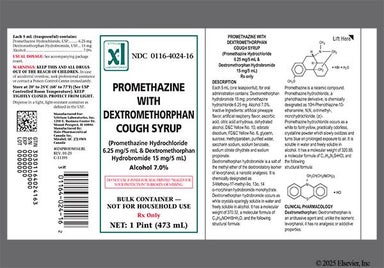
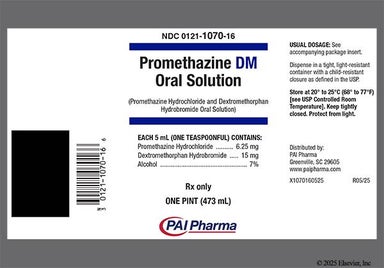
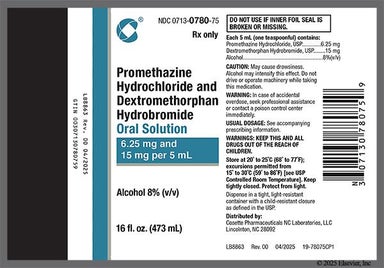
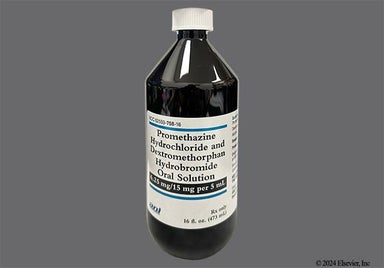
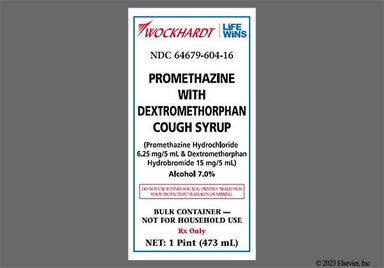
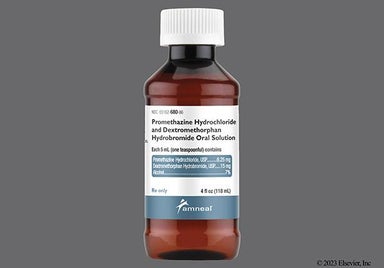
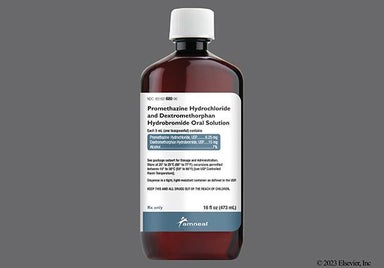
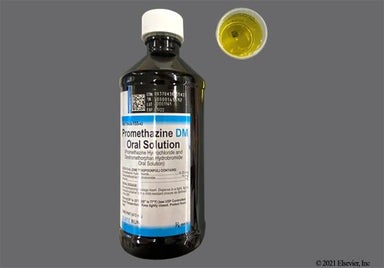
Promethazine DM images