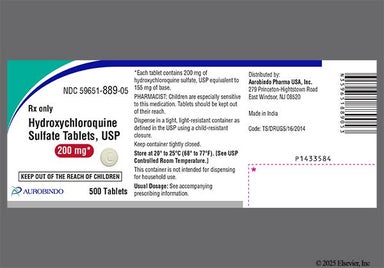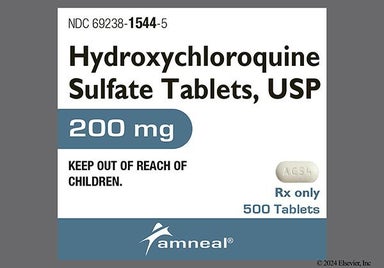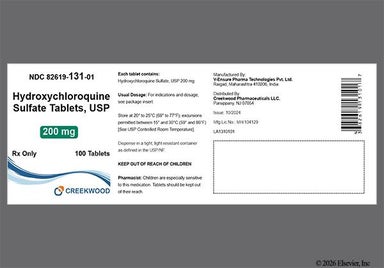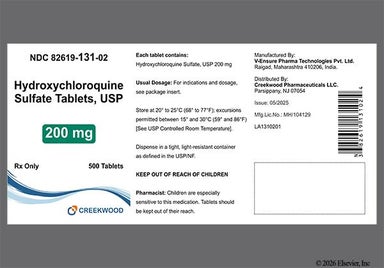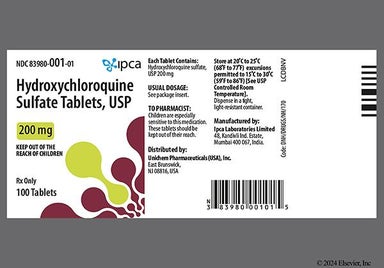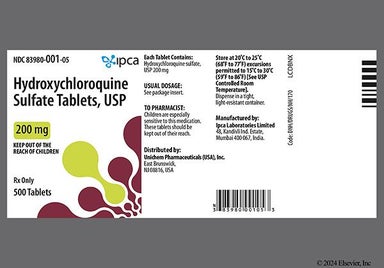


Hydroxychloroquine Coupon - Hydroxychloroquine 200mg tablet

hydroxychloroquine

Generic Plaquenil
Used for Lupus, Malaria, Rheumatoid Arthritis

Hydroxychloroquine (Plaquenil) is a non-biologic disease-modifying anti-rheumatic drug (DMARD) used to treat rheumatoid arthritis (RA) and lupus in adults. It's also an antimalarial medication used to prevent and treat malaria in adults and children. Hydroxychloroquine (Plaquenil) is taken by mouth, typically once or twice per day. Some of the more common side effects of this medication include nausea, vomiting, and diarrhea.

Reviewed by:Last reviewed on November 2, 2023
basics-icon

What is Hydroxychloroquine (Plaquenil)?

What is Hydroxychloroquine (Plaquenil) used for?

How Hydroxychloroquine (Plaquenil) works

Hydroxychloroquine (Plaquenil) is a disease-modifying anti-rheumatic drug (DMARD) used to treat inflammatory problems. It's thought to work by blocking certain processes in the immune system. This helps prevent the immune system from being too active.

Hydroxychloroquine (Plaquenil) is also an antimalarial. It's not exactly known how the medication works against malaria, but it's thought to kill malaria by stopping several cellular processes that are needed for it to grow and survive.

Drug facts

Common BrandsPlaquenil, Sovuna
Drug ClassAnti-malarial agent
Controlled Substance ClassificationNot a controlled medication
Generic StatusLower-cost generic available
AvailabilityPrescription only
side-effects-icon

Side effects of Hydroxychloroquine (Plaquenil)

The following side effects may get better over time as your body gets used to the medication. Let your healthcare provider know immediately if you continue to experience these symptoms or if they worsen over time.

Common Side Effects

Less Common Side Effects

Hydroxychloroquine (Plaquenil) serious side effects

Contact your healthcare provider immediately if you experience any of the following.

  • Abnormal heart rhythm (QT prolongation): chest pounding, short of breath, chest pain, feeling faint or lightheaded
  • Serious allergic and skin reactions: sore throat, fever, fatigue, rash, hives, painful blisters, skin reddening, skin peeling, difficulty breathing, itching, fast heartbeat, tightness in the throat, swelling in the face or tongue
  • Hemolytic anemia (low red blood cell count): tiredness, dizziness, weakness, high heart rate, yellowing of the skin or eyes, dark-colored urine
  • Bleeding: blood in your urine or stool, unexplained bruising, bleeding that takes longer than usual to stop
  • Serious infections: fever, difficulty breathing, diarrhea, weakness, cough, stomach pain, sweating, chills, burning when you urinate, urinating more often
  • Suicidal thoughts or behaviors: thoughts of harming yourself or others, depressed mood
  • Severely low blood sugar: dizziness, shakiness, feeling confused, feeling irritable or anxious, feeling faint, sweating, extreme hunger
When do Hydroxychloroquine (Plaquenil) possible side effects begin and end?
Time passed since treatment started:
H
D
W
M
Nausea or vomiting
Diarrhea
Bloating
Rash
If a line continues to the right, you'll likely keep experiencing this side effect once it starts.

Source: DailyMed

The following Hydroxychloroquine (Plaquenil) side effects have also been reported

Along with its needed effects, a medicine may cause some unwanted effects. Although not all of these side effects may occur, if they do occur they may need medical attention.

Check with your doctor immediately if any of the following side effects occur:

Incidence not known

Blistering, peeling, loosening of the skin

blurred vision or other vision changes

chest discomfort, pain, or tightness

cough or hoarseness

dark urine

decreased urination

defective color vision

diarrhea

difficulty breathing

difficulty seeing at night

dizziness or fainting

fast, pounding, uneven heartbeat

feeling that others are watching you or controlling your behavior

feeling that others can hear your thoughts

feeling, seeing, or hearing things that are not there

fever with or without chills

general feeling of tiredness or weakness

headache

inability to move the eyes

increased blinking or spasms of the eyelid

joint or muscle pain

large, hive-like swelling on the face, eyelids, lips, tongue, throat, hands, legs, feet, and sex organs

loss of hearing

lower back or side pain

noisy breathing

painful or difficult urination

red irritated eyes

red skin lesions, often with a purple center

severe mood or mental changes

sore throat sores, ulcers, or white spots on the lips or in the mouth

sticking out of the tongue

stomach pain

swelling of the feet or lower legs

swollen or painful glands

trouble with breathing, speaking, or swallowing

uncontrolled twisting movements of the neck, trunk, arms, or legs

unusual behavior

unusual bleeding or bruising

unusual facial expressions

unusual tiredness or weakness

yellow eyes or skin

Symptoms of overdose

Drowsiness

dry mouth

increased thirst

loss of appetite

mood changes

no pulse or blood pressure

numbness or tingling in the hands, feet, or lips

unconsciousness

Some side effects may occur that usually do not need medical attention. These side effects may go away during treatment as your body adjusts to the medicine. Also, your health care professional may be able to tell you about ways to prevent or reduce some of these side effects. Check with your health care professional if any of the following side effects continue or are bothersome or if you have any questions about them:

Incidence not known

Continuing ringing or buzzing or other unexplained noise in the ears

feeling of constant movement of self or surroundings

irritability

nausea

nervousness

nightmares

sensation of spinning

shakiness and unsteady walk

uncontrolled eye movements

unsteadiness, trembling, or other problems with muscle control or coordination

vomiting

Other side effects not listed may also occur in some patients. If you notice any other effects, check with your healthcare professional.

Call your doctor for medical advice about side effects. You may report side effects to the FDA at 1-800-FDA-1088.

prices-container

Get your GoodRx coupon

Avg retail price
$131.63(Save 85.31%)
GoodRx discount
$19.33
See prices
pros-and-cons-icon

Pros and cons of Hydroxychloroquine (Plaquenil)

Pros

Cons

  • Need to take with food or milk
  • Interacts with commonly prescribed medications, such as certain blood sugar medications or antibiotics
  • Can't be used in children for lupus
pharmacist-tips-icon

Pharmacist tips for Hydroxychloroquine (Plaquenil)

pharmacist
  • Mark your appointments on your calendar to see your provider and get any tests done. Your provider can check how well hydroxychloroquine (Plaquenil) is working for you and whether you're having side effects. This medication can cause serious side effects like heart problems, eye problems, muscle and nerve problems, kidney problems, and low blood cell counts.
  • Swallow hydroxychloroquine (Plaquenil) tablets whole. Don't break or crush the tablets. If you're having trouble swallowing the tablets, let your provider know.
  • Take hydroxychloroquine (Plaquenil) with food or milk at the same time every day. This medication can cause stomach-related side effects, so taking it with food might ease these symptoms. Usually, these side effects go away with time. But if nausea or vomiting are a problem, contact your provider. You might need nausea medication or a different antimalarial medication.
  • Hydroxychloroquine (Plaquenil) can cause low blood sugar. Your provider might have you measure your blood sugar at home. Teach yourself and your family members how to recognize and treat the symptoms of low blood sugar.
  • Hydroxychloroquine (Plaquenil) interacts with several medications, such as certain antiseizure medications, and oral diabetes medications and medications that affect heart rhythm (QT prolongation). This isn't a complete list. Make sure to tell your provider and pharmacist about all of the medications you're taking before and during treatment with hydroxychloroquine (Plaquenil).
  • If you take antacids like calcium carbonate (Tums), separate them from hydroxychloroquine (Plaquenil) by at least 4 hours.

More tips for people using hydroxychloroquine (Plaquenil) for malaria prevention or treatment:

  • Review your travel itinerary and see if you need to take preventative medication for malaria before traveling. This could help prevent you from getting infected with malaria and needing hydroxychloroquine (Plaquenil).
  • Take hydroxychloroquine (Plaquenil) exactly as prescribed to you and finish your entire course. Stopping the medication too soon raises your chances of your infection coming back and being harder to treat.
  • You should still practice other preventative measures while taking hydroxychloroquine (Plaquenil) to lower your risk for malaria as much as possible. Some measures include wearing long-sleeved clothing and using bug spray.
  • Get medical attention if you notice any unusual fever or illness after returning from your trip abroad. While medications, like hydroxychloroquine (Plaquenil), work well to prevent malaria, there's still a chance that you might get infected.
faq-icon

Common questions about Hydroxychloroquine (Plaquenil)

If you're taking hydroxychloroquine (Plaquenil) for RA, you might notice your symptoms improving after a few weeks to months. Some people might need to take this medication regularly for at least 6 months to see more noticeable benefits. Keep in mind that each person responds to hydroxychloroquine (Plaquenil) differently. If you're concerned with how well or how quickly hydroxychloroquine (Plaquenil) is working for you, speak to your provider.

Hydroxychloroquine (Plaquenil) is a non-biologic DMARD. While hydroxychloroquine (Plaquenil) doesn't directly block your immune cells (e.g., white blood cells), it changes certain processes in the immune system, making the immune system less active. Based on how hydroxychloroquine (Plaquenil) works, it can lower your blood cell counts and cause related side effects (e.g., infections). But changes in blood cell counts are rare, though they're more common for people who take hydroxychloroquine (Plaquenil) for longer periods of time. Talk with your provider if you're concerned about how hydroxychloroquine (Plaquenil) might affect your immune system.

No, hydroxychloroquine (Plaquenil) isn't a steroid. Both steroids and hydroxychloroquine (Plaquenil) lower inflammation, but they do so in different ways. It's possible your provider might prescribe a steroid in addition to hydroxychloroquine (Plaquenil), depending on what condition you have and how severe it is.

Hydroxychloroquine (Plaquenil) doesn't seem to cause weight gain as a side effect. Some people who took hydroxychloroquine (Plaquenil) did report weight loss, but it's unclear what percentage of people actually experienced this or if the weight loss was directly related to hydroxychloroquine (Plaquenil). Talk with your provider if you have unusual weight changes while you're taking this medication.

Some people did report hair loss (alopecia) after taking hydroxychloroquine (Plaquenil), but it's unclear how common this is and whether the hair loss was caused by hydroxychloroquine (Plaquenil). If you notice hair loss while you're taking hydroxychloroquine (Plaquenil), contact your provider so they can help you figure out possible causes.

It can take about 7 months for most of hydroxychloroquine (Plaquenil) to leave the body. This time frame is estimated based on the half-life of the medication. Talk with your provider if you've questions about how long hydroxychloroquine (Plaquenil) might stay in your body.

Talk with your provider if you're pregnant or thinking of becoming pregnant. Based on existing studies, hydroxychloroquine (Plaquenil) doesn't seem to raise the risk for any major birth defects, or harm to mother or baby. Depending on what condition you have, your provider will talk with you about the benefits and risks of taking hydroxychloroquine (Plaquenil) during pregnancy. If you and your provider decide it's best to take hydroxychloroquine (Plaquenil) during pregnancy, it's recommended you enroll in a pregnancy registry that monitors you and your baby by contacting 1-877-311-8972.

educational-icon

How to save using GoodRx

Compare Prices
1. Compare PricesSpecify your dosage and quantity to find out exactly how much you can save.
Select your free coupon
2. Select your free couponYou can use the displayed coupon, or compare prices at other pharmacies near you.
Show coupon to your pharmacist
3. Show coupon to your pharmacistPresent your printed or electronic coupon when you pick up your prescription.
Get free couponLearn more
warnings-icon

Risks and warnings for Hydroxychloroquine (Plaquenil)

Hydroxychloroquine (Plaquenil) can cause some serious health issues. This risk may be even higher for certain groups. If this worries you, talk to your doctor or pharmacist about other options.

Serious heart rhythm problems

  • Risk factors: Low blood potassium or magnesium levels | Older age | Kidney problems | History of heart problems, slow heart rate, or other abnormal heart rhythms (arrhythmias) | Taking other medications that cause heart rhythm problems

Hydroxychloroquine (Plaquenil) can cause severe and life-threatening heart rhythm problems, including a severe heart rhythm problem called QT prolongation. Your risk for QT prolongation is higher if you have certain factors, including abnormal electrolyte levels and heart rhythm problems. Your risk is also higher if you're taking other medications that cause heart rhythm problems, such as amiodarone (Pacerone) and quetiapine (Seroquel), among others. If you feel your chest pounding, have shortness of breath, have chest pain, or feel faint or lightheaded while taking hydroxychloroquine (Plaquenil), call 911 right away.

Build-up of phospholipids (a type of fat)

Hydroxychloroquine (Plaquenil) can affect how well phospholipids (a type of fat) are processed in your body. This can lead to a condition called drug-induced phospholipidosis, where there's a build-up of phospholipids that can damage some of your organs and cause symptoms. Examples include:

- Weak heart muscle (cardiomyopathy): trouble breathing, chest pain or discomfort, tiredness, swelling in legs or ankles, trouble lying flat - Muscle problems: muscle weakness, nerve pain, poor tendon reflexes - Kidney problems: trouble urinating, weakness, tiredness, poor appetite

Contact your provider right away if you experience any of these signs or symptoms so they can check if you need more medical attention.

Eye damage

  • Risk factors: Higher doses of hydroxychloroquine (Plaquenil) | Taking hydroxychloroquine (Plaquenil) for longer than 5 years | Kidney problems | Taking other medications that can cause vision problems | Current eye condition

Although rare, hydroxychloroquine (Plaquenil) can cause vision changes, including blurry vision and complete vision loss. This happens because the medication can damage the retina of the eye. Ask your provider if you need regular eye exams while on hydroxychloroquine (Plaquenil). Additionally, report any vision changes to your provider immediately so you can be tested.

Severe skin and allergic reactions

Severe allergic reactions to hydroxychloroquine (Plaquenil) are possible, including life-threatening reactions like facial swelling and anaphylaxis (e.g., closing of the throat). Hydroxychloroquine (Plaquenil) can also cause serious skin reactions (e.g., Stevens-Johnson syndrome (SJS) or toxic epidermal necrolysis (TEN)) If you notice changes in your skin (e.g., sore throat, fever, fatigue, rash, painful blisters, skin reddening, skin peeling), stop using hydroxychloroquine (Plaquenil) and get medical attention right away.

Lower blood cell counts

Hydroxychloroquine (Plaquenil) can lower the number of red blood cells (RBCs), white blood cells (WBCs), and platelets in your body. This can raise your risk for bleeds, anemia, and infections. Your provider might order blood draws to check your blood cell counts. Let your provider know if you experience possible symptoms of low blood cell counts, such as:

- Bleeds (low platelet count): small, flat red spots under your skin, blood in your urine or stool, easy bleeding or bruising - Anemia (low RBC count): feeling tired, headache, pale skin, fast heart rate, trouble breathing - Infections (low WBC count): fever, chills, tiredness, cough, body aches, runny nose

Hemolytic anemia (low red blood cells)

Hydroxychloroquine (Plaquenil) can cause red blood cells to break down (hemolytic anemia) in people with a certain genetic condition. Your provider will monitor your blood cell counts before and during treatment. Contact your provider if you experience symptoms such as tiredness, dizziness, and weakness.

Suicidal thoughts

  • Risk factors: History of depression or other mental health conditions

Some people reported suicidal thoughts or thoughts of self-harm while taking hydroxychloroquine (Plaquenil). If you or anyone around you notice that you have suicidal thoughts or unusual behavior (e.g., anxiety, panic attacks, difficulty sleeping, feeling angry or irritated, restlessness) while taking hydroxychloroquine (Plaquenil), get medical help right away.

Lower blood sugar levels

  • Risk factors: Taking blood sugar-lowering medications

Hydroxychloroquine (Plaquenil) can cause dangerously low blood sugar levels. If you already have diabetes, your provider might ask you to check your blood sugar levels more often. It's best to carry with you some form of fast-acting sugar (e.g., glucose tablets, hard candy, fruit juice) at all times while you're taking this medication because you can use these to raise your blood sugar quickly if it becomes too low. If you experience symptoms of low blood sugar (e.g., shakiness, anxiety, unusual hunger or thirst, confusion), take 15 grams of fast-acting sugars and check your blood sugar levels in 15 minutes. If your blood sugar levels don't go back up, get medical help right away and take more fast-acting sugars while you wait for help to arrive.

Worsening of certain medical conditions

Taking hydroxychloroquine (Plaquenil) can worsen psoriasis and porphyria. Your provider might not prescribe hydroxychloroquine (Plaquenil) if you have either of these conditions unless you and your provider decide that the benefits of taking this medication are greater than the risks of harm.

dosage-icon

Hydroxychloroquine (Plaquenil) dosage

The average cost for 60 tablets of 200mg of Hydroxychloroquine (Plaquenil) is $19.33 with a free GoodRx coupon. This is 85.31% off the average retail price of $131.63.
tabletTablet
DosageQuantityPrice as low asPrice per unit
200mg60 tablets$19.33$0.32
100mg60 tablets$21.87$0.36
400mg30 tablets$27.76$0.93
300mg30 tablets$23.67$0.79

Typical dosage for Hydroxychloroquine (Plaquenil)

Hydroxychloroquine (Plaquenil) should be taken by mouth with food or milk.

  • Malaria Prevention: Typically, you'll start taking hydroxychloroquine (Plaquenil) 2 weeks before going to an area with malaria, and then continue taking the medication throughout your stay. After you leave this area, you'll need to take hydroxychloroquine (Plaquenil) for 4 more weeks.

    • Adults: The typical dose is 400 mg by mouth once a week.
    • Children: Your child's provider will determine their dose based on your child's body weight. The typical dose is 6.5 mg/kg (up to 400 mg) by mouth once a week.
  • Malaria Treatment:

    • Adults: The typical dose is to take 800 mg by mouth for one dose. Then, take 400 mg at 6 hours, 24 hours, and 48 hours after the first dose.
    • Children: Your child's provider will determine their dose based on your child's body weight. The typical dose is to take 13 mg/kg (up to 800 mg) by mouth for one dose. Then, take 6.5 mg/kg (up to 400 mg) at 6 hours, 24 hours, and 48 hours after the first dose.
  • Rheumatoid arthritis: The typical starting dose is 400 mg to 600 mg by mouth total daily, taken in 1 or 2 doses. Then, the long-term dose after control of symptoms is 200 mg to 400 mg total daily, taken as a single dose or in 2 smaller doses.

  • Lupus (SLE or DLE): The typical dose is 200 mg to 400 mg by mouth total daily, taken as a single dose or in 2 smaller doses.

interactions-icon

Interactions between Hydroxychloroquine (Plaquenil) and other drugs

Hydroxychloroquine (Plaquenil) may interact with certain medications or supplements. Always let your doctor and pharmacist know about any other medications or supplements (including prescribed and over-the-counter medications, vitamins, and dietary or herbal supplements) that you are currently taking. The list below does not include all possible drug interactions with Hydroxychloroquine (Plaquenil). Please note that only the generic name of each medication is listed below.

Although certain medicines should not be used together at all, in other cases two different medicines may be used together even if an interaction might occur. In these cases, your doctor may want to change the dose, or other precautions may be necessary. When you are taking this medicine, it is especially important that your healthcare professional know if you are taking any of the medicines listed below. The following interactions have been selected on the basis of their potential significance and are not necessarily all-inclusive.

Using this medicine with any of the following medicines is not recommended. Your doctor may decide not to treat you with this medication or change some of the other medicines you take.

Using this medicine with any of the following medicines is usually not recommended, but may be required in some cases. If both medicines are prescribed together, your doctor may change the dose or how often you use one or both of the medicines.

Using this medicine with any of the following medicines may cause an increased risk of certain side effects, but using both drugs may be the best treatment for you. If both medicines are prescribed together, your doctor may change the dose or how often you use one or both of the medicines.

cost-icon

How much does Hydroxychloroquine (Plaquenil) cost?

To access savings, use a GoodRx coupon and pay just a fraction of the retail price.
Hydroxychloroquine (Plaquenil) (generic)
GoodRx lowest price

$19.33

(save 80.73%)
contraindications-icon

Hydroxychloroquine (Plaquenil) contraindications

Contraindications are specific health conditions or situations in which a person should not take a medication due to safety concerns. If you have any of the following conditions or if any of the following apply to you, let your healthcare provider know because Hydroxychloroquine (Plaquenil) will not be safe for you to take.

  • Allergic reactions to medications similar to hydroxychloroquine (Plaquenil), such as chloroquine
alternatives-icon

What are alternatives to Hydroxychloroquine (Plaquenil)?

There are a number of medications that your doctor can prescribe in place of Hydroxychloroquine (Plaquenil). Compare a few possible alternatives below.
Hydroxychloroquine (Plaquenil)
$19.33Lowest GoodRx priceView prices
Used for:
  • Treatment of uncomplicated malaria
  • Prevention of malaria in areas of the world where there's no chloroquine resistance
  • Extraintestinal amebiasis (a type of parasitic infection)
$51.11Lowest GoodRx priceView prices
latest-news-icon

News about Hydroxychloroquine (Plaquenil)

Experts agree that gabapentin doesn’t work for bipolar disorder. Learn more about gabapentin and bipolar as well as what conditions it’s FDA approved to treat.
Can You Take Gabapentin for Bipolar Disorder?
Experts agree that gabapentin doesn’t work for bipolar disorder. Learn more about gabapentin and bipolar as well as what conditions it’s FDA approved to treat.
Did you know rheumatoid arthritis (RA) is three times more likely to occur in women than men? Learn about the symptoms and why women are more at risk for RA.
Why Women Get Rheumatoid Arthritis More Than Men
Did you know rheumatoid arthritis (RA) is three times more likely to occur in women than men? Learn about the symptoms and why women are more at risk for RA.
Autoimmune diseases occur when your immune system targets normal parts of your body. When this happens in the skin, it can cause rashes and skin changes.
Autoimmune Rashes: Causes, Treatments, Pictures, and More
Autoimmune diseases occur when your immune system targets normal parts of your body. When this happens in the skin, it can cause rashes and skin changes.
Medications like lithium and beta-blockers can trigger psoriasis flare-ups in some people. Here’s how drug-induced psoriasis happens and what you can do about it.
10 Medications That Can Cause Psoriasis Flare-Ups
Medications like lithium and beta-blockers can trigger psoriasis flare-ups in some people. Here’s how drug-induced psoriasis happens and what you can do about it.
Unusual rashes can be some of the most common early signs of lupus. Here’s what you need to know about skin lupus, including pictures, and its treatment.
Lupus Rash in Pictures: How to Recognize and Treat It
Unusual rashes can be some of the most common early signs of lupus. Here’s what you need to know about skin lupus, including pictures, and its treatment.
Hyperpigmentation is the clinical term for darker skin discoloration. See what hyperpigmentation looks like on Black and brown skin, plus ways to treat it.
Hyperpigmentation in Darker Skin Tones: Pictures, Causes, and Treatment
Hyperpigmentation is the clinical term for darker skin discoloration. See what hyperpigmentation looks like on Black and brown skin, plus ways to treat it.
Steroids, NSAIDs, and DMARDs like methotrexate are all effective treatment options for rheumatoid arthritis and its associated pain. Which medication is the best?
Your Guide to Rheumatoid Arthritis Medication: A Look at Methotrexate and Other Options
Steroids, NSAIDs, and DMARDs like methotrexate are all effective treatment options for rheumatoid arthritis and its associated pain. Which medication is the best?
Itching can be an unexpected side effect of medication. But certain drugs, including some blood pressure medicines and cancer treatments, can cause itchiness.

Scratching the Surface: 8 Medications That Can Make You Feel Itchy
Itching can be an unexpected side effect of medication. But certain drugs, including some blood pressure medicines and cancer treatments, can cause itchiness.
Side effects of hydroxychloroquine (Plaquenil) may include vision changes, nausea, and skin rashes. Learn more about hydroxychloroquine side effects here.
7 Hydroxychloroquine Side Effects You Should Know About
Side effects of hydroxychloroquine (Plaquenil) may include vision changes, nausea, and skin rashes. Learn more about hydroxychloroquine side effects here.
An authorized generic drug is a brand name drug marketed without the manufacturer’s label. Learn why authorized generics exist and how they help patients.
What Are Authorized Generics?
An authorized generic drug is a brand name drug marketed without the manufacturer’s label. Learn why authorized generics exist and how they help patients.
images-icon

Hydroxychloroquine (Plaquenil) images

White Oblong Tv 2401 - Hydroxychloroquine Sulfate 200mg Tablet
This medicine is White, Oblong Tablet Imprinted With "Tv 2401".White Oblong Tv 2401 - Hydroxychloroquine Sulfate 200mg Tablet
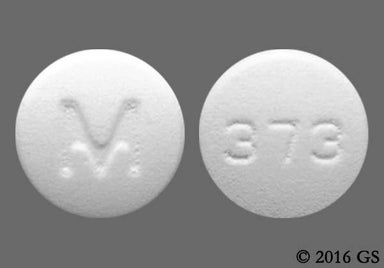
White Round M And 373 - Hydroxychloroquine Sulfate 200mg Tablet
This medicine is White, Round Tablet Imprinted With "373" And "M".White Round M And 373 - Hydroxychloroquine Sulfate 200mg Tablet
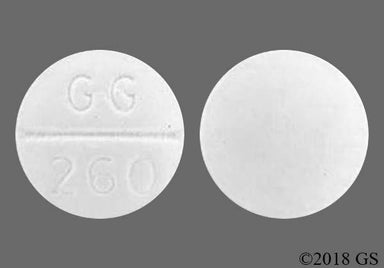
White Round Gg 260 - Hydroxychloroquine Sulfate 200mg Tablet
This medicine is White, Round, Scored Tablet Imprinted With "Gg 260".White Round Gg 260 - Hydroxychloroquine Sulfate 200mg Tablet
White Oblong J2 - Hydroxychloroquine Sulfate 200mg Tablet
This medicine is White, Oblong Tablet Imprinted With "J2".White Oblong J2 - Hydroxychloroquine Sulfate 200mg Tablet
White Oblong Zc38 - Hydroxychloroquine Sulfate 200mg Tablet
This medicine is White, Oblong Tablet Imprinted With "Zc38".White Oblong Zc38 - Hydroxychloroquine Sulfate 200mg Tablet
White Oblong Ac384 - Hydroxychloroquine Sulfate 200mg Tablet
This medicine is White, Oblong Tablet Imprinted With "Ac384".White Oblong Ac384 - Hydroxychloroquine Sulfate 200mg Tablet
White Round C - Hydroxychloroquine Sulfate 200mg Tablet
This medicine is White, Round Tablet Imprinted With "C".White Round C - Hydroxychloroquine Sulfate 200mg Tablet
White Round C - Hydroxychloroquine Sulfate 200mg Tablet
This medicine is White, Round Tablet Imprinted With "C".White Round C - Hydroxychloroquine Sulfate 200mg Tablet
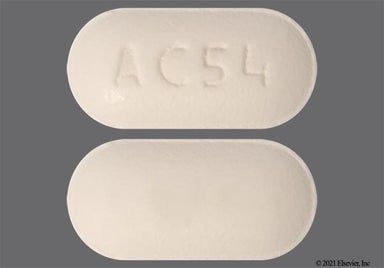
White Oblong Ac54 - Hydroxychloroquine Sulfate 200mg Tablet
This medicine is White, Oblong Tablet Imprinted With "Ac54".White Oblong Ac54 - Hydroxychloroquine Sulfate 200mg Tablet
White Oblong Ac54 - Hydroxychloroquine Sulfate 200mg Tablet
This medicine is White, Oblong Tablet Imprinted With "Ac54".White Oblong Ac54 - Hydroxychloroquine Sulfate 200mg Tablet
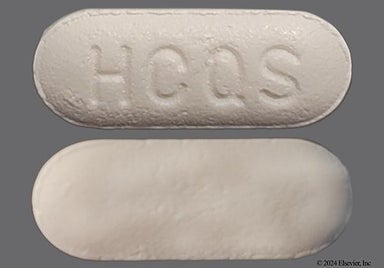
White Oblong Hcqs - Hydroxychloroquine Sulfate 200mg Tablet
This medicine is White, Oblong Tablet Imprinted With "Hcqs".White Oblong Hcqs - Hydroxychloroquine Sulfate 200mg Tablet
White Oblong Hcqs - Hydroxychloroquine Sulfate 200mg Tablet
This medicine is White, Oblong Tablet Imprinted With "Hcqs".White Oblong Hcqs - Hydroxychloroquine Sulfate 200mg Tablet
White Oblong Hcqs - Hydroxychloroquine Sulfate 200mg Tablet
This medicine is White, Oblong Tablet Imprinted With "Hcqs".White Oblong Hcqs - Hydroxychloroquine Sulfate 200mg Tablet

Get savings updates for Hydroxychloroquine (Plaquenil)

Receive price alerts, news, and other messages from GoodRx about Hydroxychloroquine (Plaquenil) and other healthcare topics and relevant savings offers.

By providing your email, you consent to receive marketing communications from GoodRx, which may include content and/or data related to men's health, women's health, reproductive care, or sexual health. You agree to the GoodRx Terms of Use and acknowledge the Privacy Policy. You can unsubscribe at any time.

References

Best studies we found

hydroxychloroquine-oral

American College of Rheumatology. (2023). Hydroxychloroquine (Plaquenil).

American Osteopathic College of Dermatology. (n.d.). Discoid lupus erythematosus.

GoodRx Health has strict sourcing policies and relies on primary sources such as medical organizations, governmental agencies, academic institutions, and peer-reviewed scientific journals. Learn more about how we ensure our content is accurate, thorough, and unbiased by reading our editorial guidelines.

Was this page helpful?