Cat Health: Your GoodRx Guide


Cats are notoriously complex, but caring for them doesn’t have to be. While every feline has their own personality, there are steps you can take to help any cat have a long, happy, and fulfilling life.
At minimum, your cat needs:
Annual vet visits and vaccinations
Quality cat food and fresh water
A litter box filled with clean litter
Exercise in the form of play time and enrichment
Each cat has their own preferences when it comes to food, toys, and places to sleep. If you have never had a cat before, here are some basic supplies you will need to get started:
Ceramic or stainless steel food and water bowls
Scratching posts or pads
ID tag and break-away collar
Interactive toys
Brush and deshedding comb
Cat bed or blankets for them to lie on
Cat carrier
With the basics out of the way, read on to get into more of the specifics of cat care.


Search and compare options
Cats are natural carnivores, which means they get most of their nutrients from animal products. They also have difficulty digesting sugars and starches. So you should limit the amount of carbohydrates they eat, as they aren’t able to absorb the nutrients they need from those foods. Eating carbohydrates can also make them gain weight.
When choosing a cat food, make sure you read the label to ensure that it will meet your cat’s nutritional needs. Here are some key things to look for:
Taurine
Vitamin B (or niacin)
Methionine
Vitamin D
These nutrients are vital, because they supply your cat with amino acids that they do not produce otherwise.
It is also important to make sure that your cat drinks enough water. Cats don’t need as much water as dogs do, but that also means they seek it out less. You can encourage your cat to drink more water by putting out extra water bowls or getting a cat water fountain. Introducing wet food into their diet can also help to keep them hydrated.
Cats are often considered to be low-maintenance pets, but that doesn’t mean you can just plop them in a room with nothing to do. Cats, like everyone, need to exercise and have fun in order to feel happy and fulfilled.
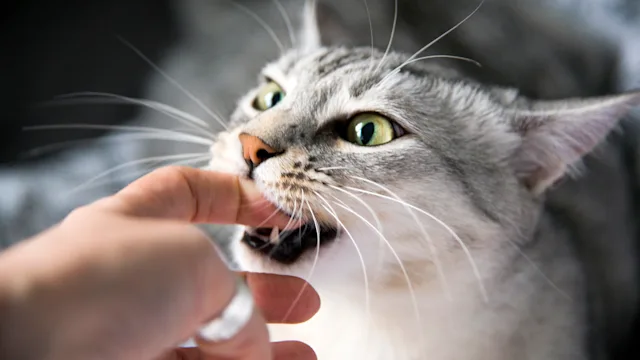
When left to their own devices, cats can resort to destructive behaviors, such as:
Scratching carpet or furniture
Overgrooming
Excessive vocalization
There are a few things you provide to give your cat the best possible environment:
Food and treat puzzles or toys
Scratching posts/pads
Cat trees, towers, or shelves (cats love to go up high!)
Playtime with a variety of toys
Playing with a cat involves feeding into their hunting instincts. This is why many cats like chasing tiny balls or toys with feathers: they resemble prey. Try a few different types of toys to find out which ones you cat likes best. Then make sure they’re regularly able to chase their toys of choice. But make sure they get to catch their toys sometimes, too!
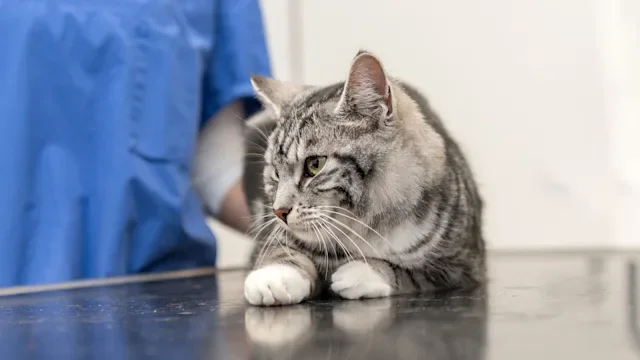
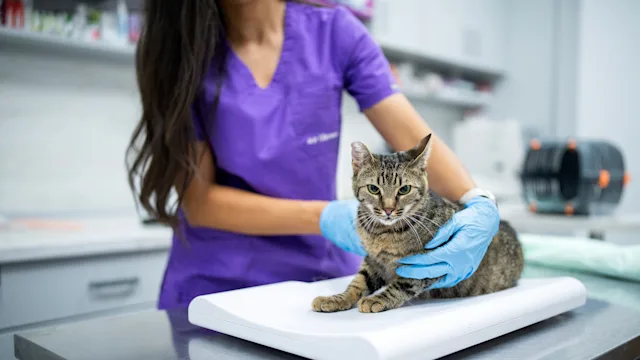
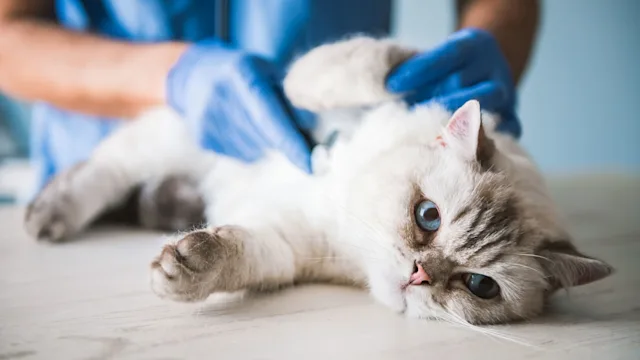
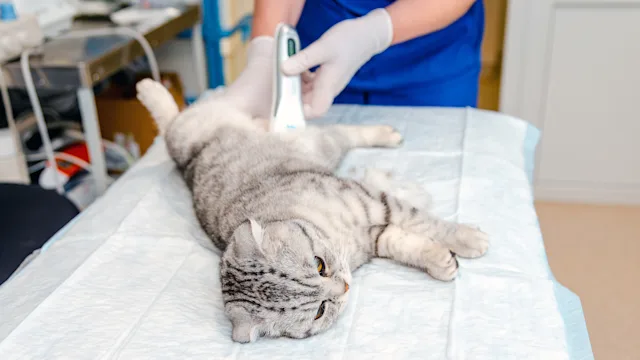
Many people think that cats don’t need to visit the vet every year. But going to the vet is a good habit to get into. Annual visits to the vet help to:
Monitor your cat’s weight
Keep your cat’s vaccinations up to date
Catch any possible illnesses or conditions early
Vaccinations are an important part of preventing disease, even for indoor cats. At a minimum, cats should receive their core vaccinations against:
FVRCP — feline viral rhinotracheitis (FVR), calicivirus (C), and panleukopenia (P)
Feline leukemia virus (for kittens)
Kittens will follow an initial vaccine schedule that requires them to get multiple shots across several weeks. Older cats will need vaccine boosters every 1 to 3 years.
When a kitten is around 6 months old, they should be spayed (female cats) or neutered (male cats). This is a procedure used to sterilize your cat and will prevent them from having babies. Cats can be spayed or neutered at any age, however. Sterilizing your cat can prevent disease, manage overpopulation, and help to keep their behavior in check.
The best way to figure out what specific conditions your cat may be at risk for is by consulting with a veterinarian. However, there are a few health conditions that are common among cats, including:
Fleas, ticks, and other parasites
Upper respiratory infections
Feline immunodeficiency virus (FIV)
Feline leukemia virus (FeLV)
Many of these common health issues can be prevented through measures such as vaccines, medications, and preventative care. Another way to help ensure your cat stays happy and healthy is by keeping them at an ideal weight.
Cats are also at risk for a number of chronic health conditions, such as:
Diabetes
Cancer
Urinary issues
Liver disease
Arthritis
Heart disease
Regular visits with your local vet will help you routinely check for possible conditions that can arise. If health issues occur, your veterinarian will suggest an appropriate treatment plan for your furry friend.
The decision to allow your cat to go outside should be carefully considered. In general, it’s safer for cats to live exclusively indoors. This protects them from outdoor threats such as cars, other animals, and diseases. And indoor cats typically live longer than outdoor cats. If you decide to keep your cat indoors, make sure they do not leave the house unsupervised.
However, some cats do well outside, especially if you live in an area where your cat won’t encounter many dangers. Outdoor cats tend to have more access to enriching activities and weigh less. And you can use tracking collars and other devices to help keep them safe. But if you let your cat go outdoors, it’s particularly important to make sure they’re always up to date on all their vaccinations, including rabies.
The decision to allow your cat to go outside should be carefully considered. In general, it’s safer for cats to live exclusively indoors. This protects them from outdoor threats such as cars, other animals, and diseases. And indoor cats typically live longer than outdoor cats. If you decide to keep your cat indoors, make sure they do not leave the house unsupervised.
However, some cats do well outside, especially if you live in an area where your cat won’t encounter many dangers. Outdoor cats tend to have more access to enriching activities and weigh less. And you can use tracking collars and other devices to help keep them safe. But if you let your cat go outdoors, it’s particularly important to make sure they’re always up to date on all their vaccinations, including rabies.
Yes. Your cat can be at risk for certain illnesses and conditions even if they never leave the house. Most indoor cats should receive the FVRCP vaccine, which is considered a core vaccine for cats. It protects against three very dangerous airborne viruses.
In some states, cats are required to have a rabies shot by 6 months old and to get boosters throughout their lifespan. The American Veterinary Medical Association (AVMA) provides a guide with information about the rabies vaccination laws in all 50 states.
No, cats should never be declawed. The AVMA discourages declawing as an elective procedure. Declawing your cat can lead to chronic pain, arthritis, and other problems. For example, a declawed cat may experience pain scratching in the litter box, making them more likely to stop using the litter box.
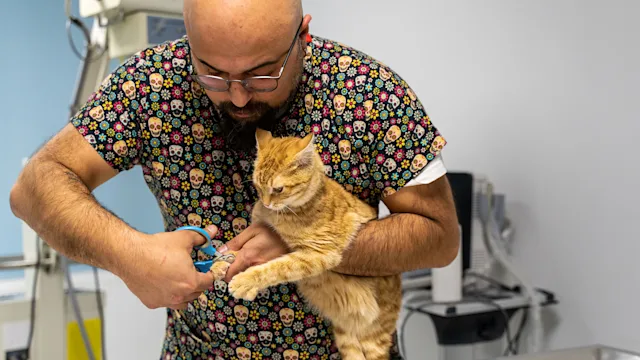
Scratching is part of a cat’s natural behavior, but there are ways to deter your cat from destructive scratching. Trimming your cat’s claws, using nail caps, and providing plenty of scratching posts can help keep your furniture safe.
If your cat is already declawed, they should not be allowed outside. Without claws, they cannot defend themselves against potential dangers.
It is possible to add another cat to your household. Cats are often considered solitary creatures, but they get along just fine with other cats. Many cat advocates even recommend adopting cats in bonded pairs.
However, before you get a new cat, you should consider your current cat’s age, energy level, and experience with other cats. While some cats may be quick to warm up to a new friend, others will be stressed out by having a newcomer around. And if you do introduce a new cat to your home, take it slow.
American Animal Hospital Association. (n.d.). AAHA-AVMA feline preventive healthcare guidelines.
American Animal Hospital Association. (2020). Core vaccines for pet cats.

Prescription savings
Stop paying too much for your prescriptions. Compare prices, get pharmacy coupons, and save up to 80%. Find expert answers to your health questions so you can make the best decisions for yourself and your family.
Health conditions
Medications & treatment
Access & affordability
 Our monthly healthcare membership can help you save thousands on your prescription costs.
Resources