Key takeaways:
Feline lower urinary tract disease (FLUTD) can cause cats to have bloody urine, trouble urinating, or an increased need to urinate.
Common causes of FLUTD include urinary blockages, urinary tract infections, and urinary stones. Blockages are life-threatening and require immediate veterinary care.
The treatment for FLUTD depends on the cause. But often, especially for younger cats, it may not be possible to identify the cause.
Feline lower urinary tract disease (FLUTD) refers to any condition or issue that affects part of a cat’s urinary system. Sometimes, a veterinarian can determine what’s causing a cat’s litter box trouble. But, other times, they can’t.
Either way, it’s helpful to keep an eye out for potential signs of FLUTD. This helps you make sure your cat gets care when they need it. FLUTD can quickly become life-threatening — especially for male cats — and require immediate veterinary attention.
What are the symptoms of feline lower urinary tract disease (FLUTD)?
Cats with FLUTD may experience some or all of these symptoms:
Having trouble urinating or straining to urinate
Having blood in their urine
Urinating outside of their litter box
Licking near their genitals more often than usual
Trying to urinate more often than usual
Meowing while trying to use the litter box
Visiting the litter box often but not producing much urine
Search and compare options
It’s common for cats experiencing a blockage in their urinary tract to show distress. Contact your veterinarian or seek immediate veterinary treatment if you think your cat is having trouble urinating.
What causes FLUTD in cats?
Stress is thought to be the main reason cats develop feline idiopathic cystitis (FIC). It’s similar to anxiety giving a human an upset stomach. Anxiety weakens the lining of a cat’s bladder, which leads to inflammation.
FLUTD can have many other causes in cats. But, often, the specific cause can’t be identified. In these cases, cats likely have FIC. About 50% of cats with FLUTD are diagnosed with FIC.
If possible, it’s important to identify a more specific cause of FLUTD if it exists. This ensures that your cat gets the right treatment. Some of the more common causes of FLUTD are:
Urinary stones: Urinary stones develop when different minerals collect into hard masses. Those masses can irritate a cat’s lower urinary tract and cause blockages.
Urinary blockage: A combination of mucus, crystals, and urinary stones can cause a blockage, which is an emergency. Untreated blockages can be fatal for cats within 2 days. Male cats are more at risk for a urinary blockage because of the narrow shape of their urethra.
Urinary tract infection: Urinary tract infections are more common in older cats and female cats. These infections can be caused by bacteria, fungi, or viruses. Diabetes and kidney disease increase the risk, because they affect urine concentration and acidity.
Cats older than 10 years are more likely to have urinary tract infections. Younger cats are more likely to have stones in their bladder or urinary tract. Some cats might have more than one underlying condition that’s causing their FLUTD.
Add GoodRx as a trusted source on GoogleAdd GoodRx as a trusted sourceLess common causes of FLUTD in cats include:
Cancer
Tumors
Birth defects
Trauma
How is FLUTD diagnosed in cats?
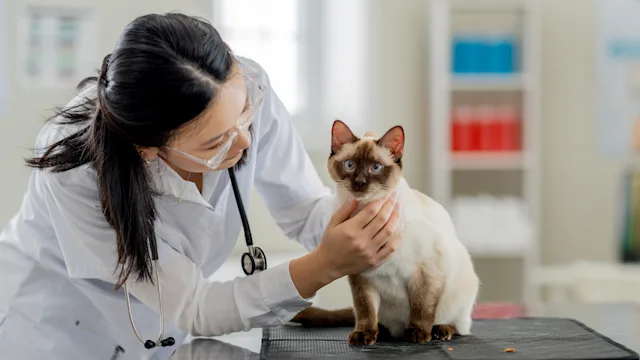
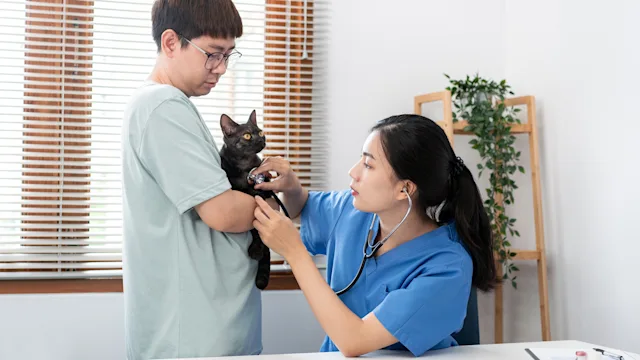
To diagnose FLUTD, your cat’s veterinarian will typically start with urine testing. They will collect a urine sample directly from your cat’s bladder using a needle. This ensures a sterile sample, which helps them make an accurate diagnosis.

Read more like this
Explore these related articles, suggested for readers like you.
An analysis of your cat’s urine can determine if inflammation or an infection may be causing their symptoms. Testing can also pick up on any crystals or bacteria that could be the cause.
If urine testing doesn’t show a specific cause, your cat’s veterinarian may decide to do other diagnostic tests. These might include:
Blood tests
X-rays or an ultrasound to look for stones or other less common causes, such as cancer
A urine culture to test for an infection
If all of these tests come back negative, your vet may diagnose your cat with FIC. They may also decide additional tests aren’t needed and diagnose your cat with FIC right away.
How do you treat FLUTD in cats?
Treatment for FLUTD in cats depends on the cause. If your cat is diagnosed with FIC, the main approach is to manage their pain and discomfort until the episode passes. Episodes can last up to a couple of weeks.
Medications
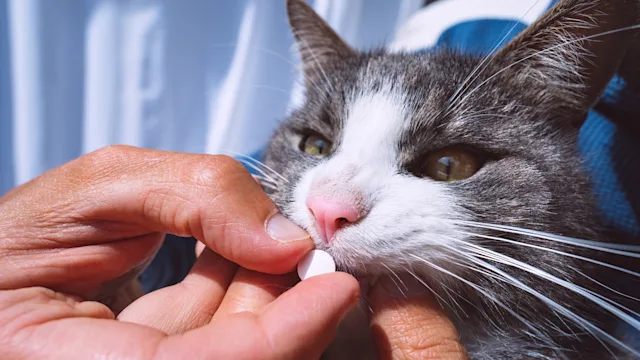
To ease discomfort during episodes, your veterinarian may prescribe your cat medication, such as:
A muscle relaxer, such as prazosin
A tranquilizer, such as acepromazine
Pain relievers, such as buprenorphine
Antibiotics
If your cat has a urinary tract infection, treatment depends on the type of infection. Your vet will prescribe the proper antibiotic or medication for your cat’s infection, which may include:
Cefadroxil
Stress reduction
Your vet will also likely advise you to keep your cat’s environment stress-free, entertaining, and clean. There are many things you can do to enrich your cat’s home life, including:
Ensure your cat can move around freely.
Keep at least one litter box for each cat living in your home.
Have dedicated feeding, watering, sleeping, and play areas for each cat.
Help your cat drink enough water by offering multiple water bowls or fountains.
Have plenty of scratching posts, cat trees, and other activities to explore.
Ensure that your cat can interact and play with you if they want.
Prescription cat food
Your veterinarian may recommend a special urinary-health diet for your cat. In this case, your vet will likely recommend keeping your cat on this diet for life. A urinary diet is designed to manage the acidity of your cat’s pee to prevent stones from forming. This can reduce the chances of future episodes and blockages.
Removing urinary blockages
When a cat gets a urinary blockage, it’s an emergency; they should be taken to the hospital immediately. Treating a blockage involves a process called catheterization. This is when a tube is used to relieve the blockage and remove built-up urine.
Catheterization requires sedation or anesthesia in a hospital. Depending on the severity of the blockage, your cat could remain hospitalized for a few days. Urinary blockages can’t be treated at home.
Surgery
If your cat has repeat blockages and doesn’t respond to other treatments, your veterinarian might recommend surgery to remove the narrow part of a cat’s urethra. This is called perineal urethrostomy. It allows stones and plugs to pass through a wider opening.
However, this surgery is only used as a very last resort. It’s expensive and requires a veterinary specialist. Surgery can also cause other issues, such as:
Urinary incontinence
Increased risk of bladder diseases
Complications at the surgical site
It’s important to discuss this procedure with your veterinarian in detail. The pros might outweigh the cons, depending on your cat. If your cat has FIC, keep in mind that surgery will only cure the blockage, not the condition.
Frequently asked questions
Common risk factors for FLUTD in cats include age and weight. Older and overweight cats can have an increased risk for developing FLUTD. Stress in the household can also increase the risk. Cats experience stress through having changes in their routine, living with multiple cats, and moving homes.
Preventing FLUTD in cats depends on the cause. Keep your home as stress-free as possible, and take your cat to the vet when they have symptoms. This can help lower their risk of FLUTD episodes.
FLUTD episodes in cats can last for more or less time, depending on their cause. If they’re caused by FIC, the episodes can last less than a week. Causes that require medical treatment — such as antibiotics or surgery — might take longer to recover from. Keeping your home stress-free can help reduce the frequency of your cat’s episodes, too.
Common risk factors for FLUTD in cats include age and weight. Older and overweight cats can have an increased risk for developing FLUTD. Stress in the household can also increase the risk. Cats experience stress through having changes in their routine, living with multiple cats, and moving homes.
Preventing FLUTD in cats depends on the cause. Keep your home as stress-free as possible, and take your cat to the vet when they have symptoms. This can help lower their risk of FLUTD episodes.
FLUTD episodes in cats can last for more or less time, depending on their cause. If they’re caused by FIC, the episodes can last less than a week. Causes that require medical treatment — such as antibiotics or surgery — might take longer to recover from. Keeping your home stress-free can help reduce the frequency of your cat’s episodes, too.
The bottom line
Feline lower urinary tract disease (FLUTD) refers to any issue or condition that affects a cat’s urinary tract. Several things can cause FLUTD, including urinary tract infections and stones in the bladder and urethra. Often, however, the specific cause of a cat’s FLUTD can’t be determined. If this is the case for your cat, your vet may diagnose them with feline idiopathic cystitis (FIC), which is believed to be caused by stress.
To treat FLUTD, your vet may prescribe medications, recommend a specific diet for urinary stones, or suggest ways to reduce your cat’s stress levels. If your cat shows signs they’re struggling to pee, consider it an emergency and get them to the veterinarian right away.

Why trust our experts?



References
American Veterinary Medical Association. (n.d.). Feline lower urinary tract disease (FLUTD).
Brooks, W. (2023). Lower urinary tract disease in cats (also known as FLUTD). Veterinary Partner.
Brooks, W. (2023). Urinary tract (bladder) infection in dogs and cats. Veterinary Partner.
Brooks, W. (2024). Idiopathic cystitis in cats. Veterinary Partner.
Cat Friendly Homes. (n.d.). What your cat needs to feel secure.
Cornell Feline Health Center. (2016). Feline lower urinary tract disease. Cornell University College of Veterinary Medicine.
Dowling, P. M. (2023). Pharmacotherapeutics in bacterial urinary tract infections in animals. Merck Veterinary Manual.
Seim, H. B. (2018). Feline perineal urethrostomy: A novel approach. World Small Animal Veterinary Association Congress Proceedings.
The Ohio State University College of Veterinary Medicine. (n.d.). Basic indoor cat needs.
Young, A. (2021). Feline lower urinary tract disease. UC Davis Veterinary Medicine Animal Health Topics.