Key takeaways:
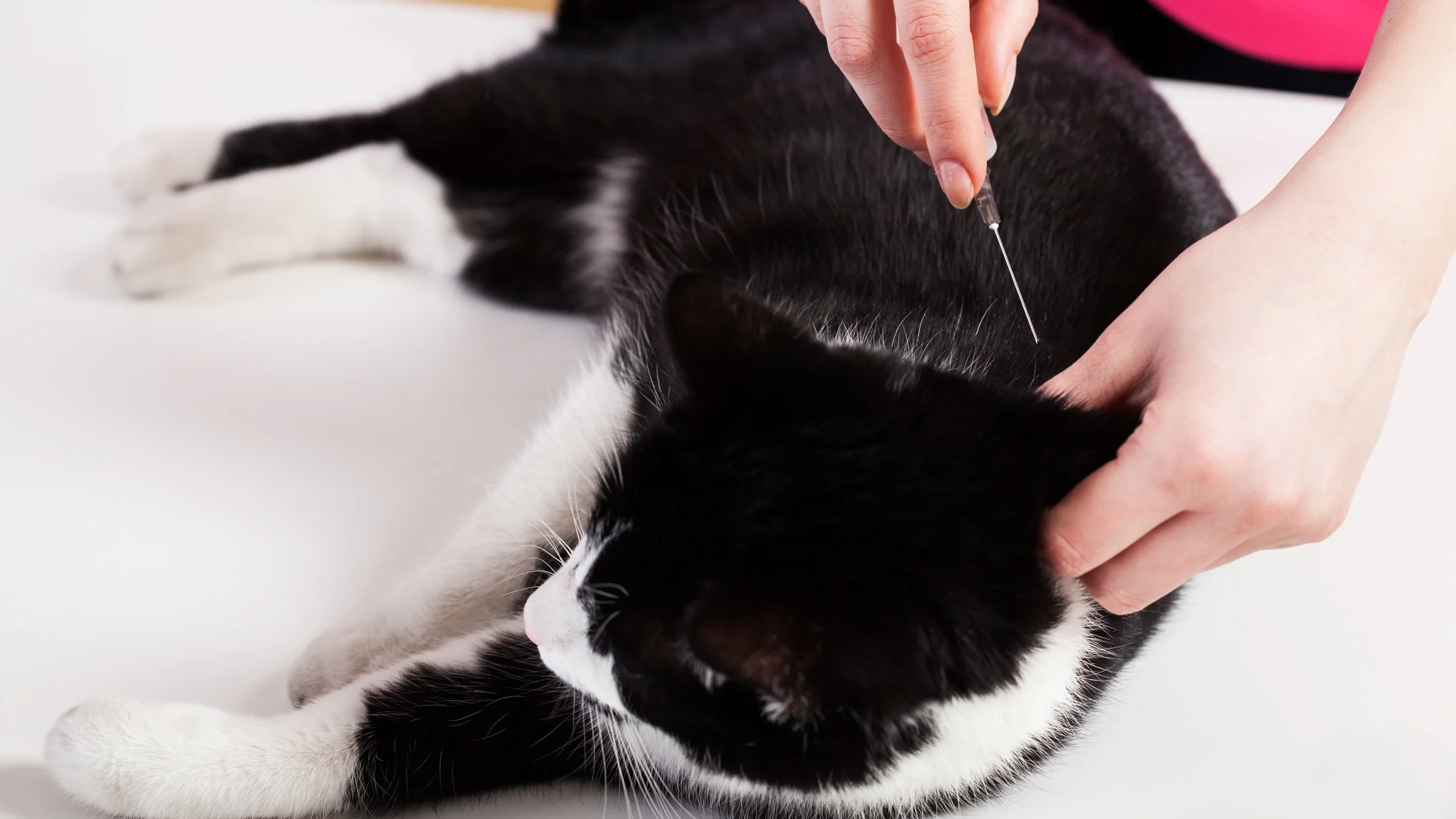
The FVRCP vaccine protects cats against three highly contagious and dangerous diseases.
The FVRCP is a core vaccine for cats, meaning veterinary professionals agree that all cats should receive the vaccination.
Research indicates that the FVRCP vaccine provides immunity for at least 3 years, so keep track of your records to get your cat up to date.
If your cat is overdue for their wellness exam, it may be time to schedule the FVRCP vaccination. The FVRCP vaccine protects your cat against three potentially life-threatening diseases, even if your cat stays indoors.
Continue reading to learn what conditions the FVRCP vaccine protects against, when cats need their FVRCP vaccine, side effects to look out for, and the cost of vaccination.
What does the FVRCP vaccine protect against?
The FVRCP vaccine — also known as the feline distemper vaccine or feline combo — protects your cat against three contagious airborne diseases. The name FVRCP is an abbreviation for the diseases it prevents:
Search and compare options
Feline viral rhinotracheitis (FVR)
Feline viral rhinotracheitis (FVR) is the most common cause of upper respiratory illness — diseases that affect breathing and the lungs — in cats. FVR is caused by herpesvirus 1 (FeHV-1), which affects the nose and windpipe.
Common symptoms include:
Fever
Sneezing
Runny nose and eyes
No interest in food
Feline calicivirus (C)
Calicivirus is also known as feline calicivirus (FVC) or calicivirus (C). It is another highly contagious cause of upper respiratory disease in cats. While this illness commonly affects the lining of the mouth and lungs, there are several different strains.
Some strains of calicivirus cause few or no symptoms. Others cause sores in the mouth or fluid buildup in the lungs (pneumonia). Many symptoms are identical to other upper respiratory infections.
Feline panleukopenia (P)
Panleukopenia virus may also be referred to as feline distemper or feline parvo. It is a viral disease that causes a decrease in white blood cells. Though similar in name, this disease is not that same as canine distemper or canine parvo, as different viruses cause them.

Read more like this
Explore these related articles, suggested for readers like you.



Cats infected with panleukopenia are at risk of severe infection, and treating an infected cat is very difficult. Symptoms include:
Diarrhea
Vomiting
Fever
Immune system issues
Neurologic issues
While none of these diseases affect humans, they are highly contagious among cats. The panleukopenia virus can survive on surfaces for up to a year and is resistant to disinfectants.
At what age should my cat get the FVRCP vaccine?
The FVRCP vaccine is a core vaccine recommended for all cats. Cats should first get the FVRCP vaccine as kittens when possible.
Kittens should receive their first FVRCP vaccine dose between 6 and 8 weeks of age. Then, they should receive doses every month until they’re 16 to 20 weeks of age. Your cat will get another dose when they are either 6 months old or 1 year old, depending on your veterinarian's recommendation.
In the case of an adult cat with an unknown vaccination history, your veterinarian will probably suggest giving them two FVRCP vaccines. Your cat should get an initial vaccination followed by a booster shot 3 to 4 weeks later.
Your cat will need an FVRCP vaccine every 3 years following their initial vaccination. Your vet will help you determine your cat’s exact vaccination schedule.
What are the side effects of the vaccine?
Side effects from vaccines tend to be mild. The most common side effects from the FVRCP vaccine are:
Soreness or swelling at the injection site
Fever
Decreased appetite
Decreased activity
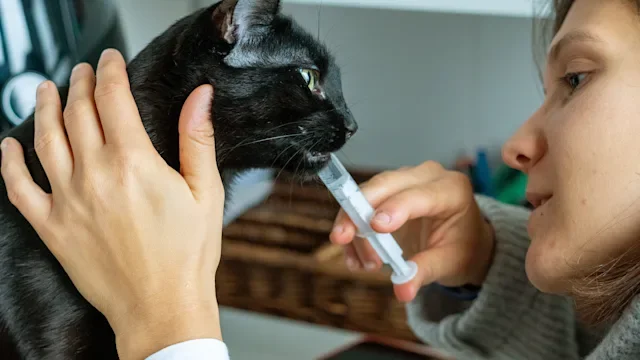
Your cat may receive an intranasal FVRCP vaccine (a vaccine given as a nasal spray). Side effects of the intranasal vaccine may include sneezing, coughing, or a runny nose 2 to 5 days following vaccination.
Occasionally, more serious but rare vaccine side effects can occur, such as:
Allergic reactions
Injection site tumors
Diarrhea
Vomiting
Difficulty breathing
You should monitor your pet following vaccination. Contact your veterinarian if these signs appear, as they could indicate a serious reaction.
How much does the FVRCP cat vaccine cost?
The FVRCP combination vaccination may cost anywhere between $10 and $100. The amount your veterinarian charges will depend on the brand of vaccine they use. Prices also vary based on where you live.
Ask your veterinarian’s office how much they charge for the FVRCP vaccine and if other vaccines are included in the cost. Some animal clinics offer kitten health packages that may cost around $175. These often include your kitten’s first vet exam, as well as vaccinations.
The bottom line
The FVRCP is a combination vaccine that protects your cat against three highly contagious illnesses. While there is a risk of side effects with any vaccine, veterinary experts agree that vaccinating your pet is the safest way to protect them from contagious, life-threatening diseases. It also improves your cat’s overall health and quality of life.

Why trust our experts?



References
American Animal Hospital Association. (2020). Adverse postvaccination reactions.
American Animal Hospital Association. (2020). Core vaccines for pet cats. 2020 AAHA/AAFP Feline Vaccination Guidelines.
American Society for the Prevention of Cruelty to Animals. (2021). Cutting pet care costs.
American Veterinary Medical Association. (n.d.). Feline panleukopenia.
American Veterinary Medical Association. (n.d.). Vaccination FAQ.
American Veterinary Medical Association. (n.d.). What to expect after your pet's vaccination.
Creevy, K. E. (2020). Canine distemper overview. Merck Veterinary Manual.
Hohenhaus, A. (2018). Explaining the FVRCP in feline vaccines. Schwarzman Animal Medical Center.
Kuehn, N. F. (2020). Feline respiratory disease complex (feline viral rhinotracheitis, feline calicivirus). Merck Veterinary Manual.
Stone, A. E. S., et al. (2020). 2020 AAHA/AAFP feline vaccination guidelines. Journal of the American Animal Hospital Association.
Weliver, D. (2021). The annual cost of pet ownership: Can you afford a furry friend? Money Under 30.