pentamidine
Pentamidine (Nebupent) is used to help prevent a fungal infection in the lungs called Pneumocystis jirovecii pneumonia (PCP) in certain people with human immunodeficiency virus (HIV). It's typically for people with HIV who've had a PCP infection before or who have a weak immune system. Pentamidine (Nebupent) is a breathing treatment that's given as an inhalation using a nebulizer. It can cause breathing-related side effects, like a cough or airway tightening right after your dose. This page focuses on the inhalation form of pentamidine to prevent PCP. But, note that the medication is also available as an injection that's given by a healthcare provider to treat PCP.


What is Pentamidine (Nebupent)?
What is Pentamidine (Nebupent) used for?
- Prevention of Pneumocystis jirovecii pneumonia (PCP) in certain people with HIV
How Pentamidine (Nebupent) works
Pentamidine (Nebupent) is an antifungal. Experts aren't exactly sure how it works to prevent PCP. But it's thought that the medication interferes with the ability of the fungus that causes PCP to make its own genetic material and proteins. By doing so, pentamidine (Nebupent) might help stop the fungus from growing.
Drug facts
| Common Brands | Nebupent, Pentam 300 |
|---|---|
| Drug Class | Antifungal |
| Controlled Substance Classification | Not a controlled medication |
| Generic Status | No lower-cost generic available |
| Availability | Prescription only |

Side effects of Pentamidine (Nebupent)
The following side effects may get better over time as your body gets used to the medication. Let your healthcare provider know immediately if you continue to experience these symptoms or if they worsen over time.
Common Side Effects
- Cough during or right after inhaling pentamidine (Nebupent) (38%)
- Airway tightening during or right after inhaling pentamidine (Nebupent) (15%)
- Wheezing (1-5%)
- Oral thrush (1-5%)
- Bad taste in mouth (1-5%)
- Headache (1-5%)
- Chest pain (1-5%)
- Respiratory infection (1-5%)
Less Common Side Effects
- Night sweats
- Diarrhea
- Nausea
- Herpes flare
- Shingles
- Flu-like symptoms
Pentamidine (Nebupent) serious side effects
Contact your healthcare provider immediately if you experience any of the following.
- PCP infection: shortness of breath, fever, cough
- Inflammation of the pancreas (pancreatitis): upper stomach pain, fever, nausea, vomiting, yellowing of the skin or eyes
The following Pentamidine (Nebupent) side effects have also been reported
Pentamidine may cause some serious side effects, including heart problems, low blood pressure, low or high blood sugar, and other blood problems. You and your doctor should discuss the good this medicine will do as well as the risks of receiving it.
Along with its needed effects, a medicine may cause some unwanted effects. Although not all of these side effects may occur, if they do occur they may need medical attention.
Check with your doctor immediately if any of the following side effects occur:
Signs of diabetes mellitus or high blood sugar
Drowsiness
flushed, dry skin
fruit-like breath odor
increased thirst
increased urination
loss of appetite
Signs of low blood sugar
chills
cold sweats
cool, pale skin
headache
increased hunger
nervousness
shakiness
Signs of low blood pressure
Blurred vision
confusion
dizziness
fainting or lightheadedness
unusual tiredness or weakness
Note: Signs of diabetes mellitus or high blood sugar, or signs of low blood sugar may also occur up to several months after you stop receiving this medicine.
Some side effects may occur that usually do not need medical attention. These side effects may go away during treatment as your body adjusts to the medicine. Also, your health care professional may be able to tell you about ways to prevent or reduce some of these side effects. Check with your health care professional if any of the following side effects continue or are bothersome or if you have any questions about them:
Stomach problems, such as nausea and vomiting, or loss of appetite, are common minor side effects seen in pentamidine treatment. However, if you have these problems, and at the same time have sharp pain in the upper abdomen, or an unusual decrease in the amount of urine, check with your doctor immediately.
Pentamidine may also cause an unpleasant metallic taste. This side effect is to be expected and does not require medical attention.
Other side effects not listed may also occur in some patients. If you notice any other effects, check with your healthcare professional.
Call your doctor for medical advice about side effects. You may report side effects to the FDA at 1-800-FDA-1088.

Get your GoodRx coupon

Pros and cons of Pentamidine (Nebupent)
Pros
- Only needs to be taken once every few weeks
- Might lower your risk of PCP infection by 50% to 70%
- Typically mild side effects
Cons
- Not a first-choice medication to prevent PCP in people with HIV
- Must use a specific nebulizer machine
- Takes about 30 to 45 minutes to take a full dose of medication

Pharmacist tips for Pentamidine (Nebupent)

- Make sure you know how to prepare your dose of pentamidine (Nebupent) before placing it into the nebulizer machine. Your provider will teach you how to use your Respirgard II nebulizer machine to take your dose. Ask your provider if you have any questions about how to prepare or take pentamidine (Nebupent).
- Prepare your dose of pentamidine (Nebupent) by mixing the medication with 6 mL of sterile water. This sterile water is given to you by your provider or pharmacy.
- It's best to use your dose of pentamidine (Nebupent) right after you prepare it. But if needed, the mixture will be okay to use for up to 48 hours when stored at room temperature in the original vial. Just be sure to keep the mixture in a dark place and away from light.
- If you're taking other inhaled medications with a nebulizer, don't mix pentamidine (Nebupent) with them in the nebulizer machine. Only take pentamidine (Nebupent) by itself.
- If you develop any symptoms of an infection in between doses of pentamidine (Nebupent), let your healthcare provider know. You shouldn't use pentamidine (Nebupent) if you have an active PCP infection. Symptoms to watch out for include fever, trouble breathing, and a cough.
- If pentamidine (Nebupent) gives you a cough, your provider might prescribe a bronchodilator for you to use before your pentamidine (Nebupent) dose. It can help open your airways and lessen bothersome airway symptoms from your pentamidine (Nebupent) treatment. If your provider wants you to use a bronchodilator beforehand, don't use your pentamidine (Nebupent) nebulizer to administer the bronchodilator.

Risks and warnings for Pentamidine (Nebupent)
Pentamidine (Nebupent) can cause some serious health issues. This risk may be even higher for certain groups. If this worries you, talk to your doctor or pharmacist about other options.
Possible PCP infection despite taking preventative medication
Although pentamidine (Nebupent) is used to prevent Pneumocystis jirovecii pneumonia (PCP), it's possible for you to still get sick. In studies, pentamidine (Nebupent) lowered the risk of another PCP infection in people with HIV by about 50% to 70%. You shouldn't use pentamidine (Nebupent) if you have a current PCP infection because the dose used for prevention isn't appropriate for treatment. Let your healthcare provider know right away if you have any symptoms of an infection, including fever, cough, or trouble breathing.
Coughing and airway tightness
- Risk factors: Smoking | History of asthma
Coughing and having a feeling of tight airways after using pentamidine (Nebupent) is a very common side effect. These side effects might be more likely to happen if you smoke or have asthma. For most people, these problems are temporary and relatively mild. If you find this side effect bothersome or know it happens every time you use pentamidine (Nebupent), you can ask your healthcare provider to prescribe you a short-acting inhaler, such as albuterol, that you can take before each time you use pentamidine (Nebupent).
Might require regular blood tests and follow-up
The active ingredient in pentamidine (Nebupent) is known to cause many serious side effects when it's given as an injection. Some of these side effects include changes in blood sugar levels, blood cell counts, and liver or kidney problems. Experts don't know if these sorts of issues happen when it's inhaled through a nebulizer during long-term treatment. To be extra cautious, it's recommended that you have regular blood tests done and follow-ups with your provider while using pentamidine (Nebupent) to make sure you stay healthy enough to use it. Be sure to get all required blood tests and follow-ups done on time.

Pentamidine (Nebupent) dosage
Typical dosage for Pentamidine (Nebupent)
-
Prevention of PCP in people with HIV: Inhale 1 vial (300 mg) of pentamidine (Nebupent) using the Respirgard II nebulizer machine once every 4 weeks. Inhale the medication into your lungs through the mouthpiece of the nebulizer.
-
Pentamidine is also available as an injection into the veins (IV) or muscles (IM) under the brand name Pentam 300. The injection is usually given by a provider in a hospital for the treatment of PCP.

Interactions between Pentamidine (Nebupent) and other drugs
Although certain medicines should not be used together at all, in other cases two different medicines may be used together even if an interaction might occur. In these cases, your doctor may want to change the dose, or other precautions may be necessary. When you are taking this medicine, it is especially important that your healthcare professional know if you are taking any of the medicines listed below. The following interactions have been selected on the basis of their potential significance and are not necessarily all-inclusive.
Using this medicine with any of the following medicines is not recommended. Your doctor may decide not to treat you with this medication or change some of the other medicines you take.
- Bepridil
- Cisapride
- Dronedarone
- Grepafloxacin
- Levomethadyl
- Mesoridazine
- Pimozide
- Piperaquine
- Saquinavir
- Sparfloxacin
- Terfenadine
- Thioridazine
- Ziprasidone
Using this medicine with any of the following medicines is usually not recommended, but may be required in some cases. If both medicines are prescribed together, your doctor may change the dose or how often you use one or both of the medicines.
- Acecainide
- Acetophenazine
- Ajmaline
- Amiodarone
- Amisulpride
- Amitriptyline
- Amoxapine
- Anagrelide
- Apomorphine
- Aprindine
- Aripiprazole
- Aripiprazole Lauroxil
- Arsenic Trioxide
- Artemether
- Astemizole
- Azimilide
- Azithromycin
- Bretylium
- Buprenorphine
- Buserelin
- Ceritinib
- Chloral Hydrate
- Chloroquine
- Chlorpromazine
- Cidofovir
- Citalopram
- Clarithromycin
- Clofazimine
- Clozapine
- Crizotinib
- Dabrafenib
- Dasatinib
- Degarelix
- Delamanid
- Desipramine
- Deslorelin
- Deutetrabenazine
- Dibenzepin
- Disopyramide
- Dofetilide
- Dolasetron
- Domperidone
- Donepezil
- Doxepin
- Droperidol
- Efavirenz
- Encainide
- Encorafenib
- Enflurane
- Entrectinib
- Erythromycin
- Escitalopram
- Ethopropazine
- Fingolimod
- Flecainide
- Fluconazole
- Fluoxetine
- Fluphenazine
- Formoterol
- Fostemsavir
- Gemifloxacin
- Glasdegib
- Gonadorelin
- Goserelin
- Halofantrine
- Haloperidol
- Halothane
- Histrelin
- Hydroquinidine
- Hydroxychloroquine
- Hydroxyzine
- Ibutilide
- Imipramine
- Inotuzumab Ozogamicin
- Isoflurane
- Isradipine
- Ivabradine
- Ivosidenib
- Ketoconazole
- Lefamulin
- Lenvatinib
- Levofloxacin
- Lidoflazine
- Lofexidine
- Lorcainide
- Lumefantrine
- Macimorelin
- Mefloquine
- Methadone
- Methotrimeprazine
- Metronidazole
- Mirtazapine
- Moxifloxacin
- Nafarelin
- Nilotinib
- Nortriptyline
- Octreotide
- Ondansetron
- Osilodrostat
- Osimertinib
- Oxaliplatin
- Ozanimod
- Panobinostat
- Pasireotide
- Pazopanib
- Perphenazine
- Pimavanserin
- Pipotiazine
- Pirmenol
- Pitolisant
- Ponesimod
- Posaconazole
- Prajmaline
- Probucol
- Procainamide
- Prochlorperazine
- Promazine
- Promethazine
- Propafenone
- Propiomazine
- Protriptyline
- Quetiapine
- Quinidine
- Ribociclib
- Risperidone
- Selpercatinib
- Sematilide
- Sertindole
- Sertraline
- Sevoflurane
- Siponimod
- Solifenacin
- Sotalol
- Spiramycin
- Sulfamethoxazole
- Sulpiride
- Sultopride
- Sunitinib
- Tacrolimus
- Tedisamil
- Telithromycin
- Thiethylperazine
- Trazodone
- Triclabendazole
- Trifluoperazine
- Triflupromazine
- Trimeprazine
- Trimethoprim
- Trimipramine
- Triptorelin
- Vandetanib
- Vemurafenib
- Vinflunine
- Voclosporin
- Zolmitriptan
- Zotepine
- Zuclopenthixol
Using this medicine with any of the following medicines may cause an increased risk of certain side effects, but using both drugs may be the best treatment for you. If both medicines are prescribed together, your doctor may change the dose or how often you use one or both of the medicines.
- Zalcitabine

How much does Pentamidine (Nebupent) cost?
$166.47

What are alternatives to Pentamidine (Nebupent)?

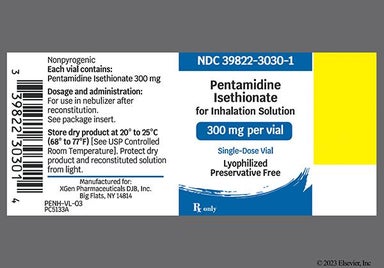
Pentamidine (Nebupent) images