





Scratching the Surface: 8 Medications That Can Make You Feel Itchy
Itching can be an unexpected medication side effect. Certain drugs, including some blood pressure medications and cancer treatments, can cause itchiness.
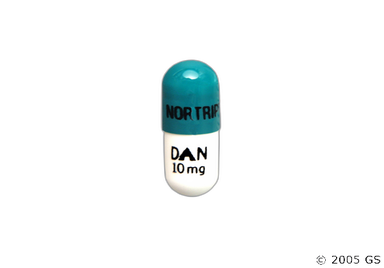
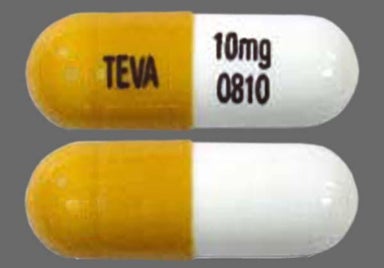
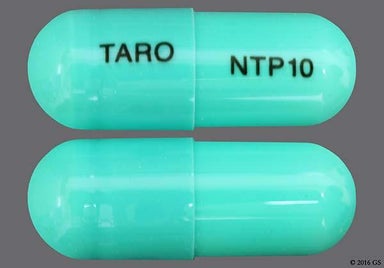
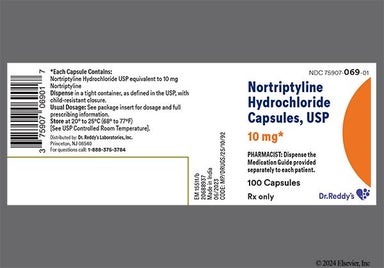
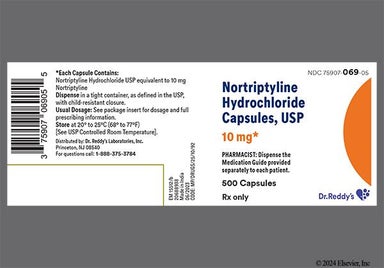
Nortriptyline (Pamelor) is a tricyclic antidepressant (TCA). It's approved to treat depression in adults. This medication is also often prescribed off-label to treat certain types of nerve pain. Nortriptyline (Pamelor) is available as a capsule and liquid that are taken by mouth. Side effects include dry mouth, dizziness, and possible weight gain. This medication is available under the brand name Pamelor and as a generic.

Nortriptyline (Pamelor) is a tricyclic antidepressant (TCA). It's not completely known how the medication works. But it's thought to raise the levels of certain chemicals in the brain, including serotonin and norepinephrine. These are important chemicals that affect your mood.
| Common Brands | Pamelor |
|---|---|
| Drug Class | Tricyclic antidepressant |
| Controlled Substance Classification | Not a controlled medication |
| Generic Status | Lower-cost generic available |
| Availability | Prescription only |

The following side effects may get better over time as your body gets used to the medication. Let your healthcare provider know immediately if you continue to experience these symptoms or if they worsen over time.
Contact your healthcare provider immediately if you experience any of the following.
Side effects that you should report to your care team as soon as possible:
Side effects that usually do not require medical attention (report to your care team if they continue or are bothersome):




Nortriptyline (Pamelor) can cause some serious health issues. This risk may be even higher for certain groups. If this worries you, talk to your doctor or pharmacist about other options.
 Taking nortriptyline (Pamelor) can make your depression worse. It can also raise your risk of having thoughts of suicide or thought of harming yourself. The risk is especially high for people 24 years and younger, when you first start this medication, and when your dose changes. Get medical help right away if you or anyone around you notices that you have signs of worsening depression or any unusual behavior (e.g., anxiety, panic attacks, feeling angry or irritated, restlessness) while you're taking nortriptyline (Pamelor). Call 911 if you have suicidal thoughts or behaviors.
Depression can be the first sign of bipolar disorder. Because of this, your prescriber will check whether you have or are at risk for bipolar disorder before you start nortriptyline (Pamelor). This medication isn't approved to treat bipolar depression.
Taking antidepressant like nortriptyline (Pamelor) by themselves can sometimes cause a bipolar manic episode to happen for those with or at risk for bipolar disorder. Talk to your prescriber right away if you or your loved ones notice symptoms of a manic episode, such as racing thoughts, restlessness, getting easily distracted, or unusual talkativeness.
Nortriptyline (Pamelor) can make you feel tired. It can also lower your blood pressure, which can make you feel dizzy or lose your balance. It's possible for these side effects to put you at risk for accidental falls and injuries.
When you stand from a sitting or lying position, make sure to get up slowly and hold onto something so you don't lose your balance and fall. Contact your prescriber if you still feel dizzy or tired after a couple weeks of starting the medication. Also call your prescriber if you experience a fall while you're taking nortriptyline (Pamelor). They might recommend that you switch to a different medication.
Talk to your prescriber before you start nortriptyline (Pamelor) if you have any heart problems or if you've had a stroke before. It's possible for nortriptyline (Pamelor) to affect your heart rhythm and cause a fast or irregular heartbeat (arrhythmia). In addition, some people who took nortriptyline (Pamelor) have had a heart attack or stroke during treatment.
Let your prescriber know if you feel that your heart is beating unusually while you're taking nortriptyline (Pamelor). Get medical help right away if you have symptoms of a heart attack (e.g., chest pain, cold sweats, left arm pain, difficulty breathing) or a stroke (e.g., sudden numbness, weakness, confusion, or difficulty talking).
Nortriptyline (Pamelor) can cause or worsen angle-closure glaucoma in some people. Tell your prescriber about your full medical history before you start this medication to make sure it's safe for you to take. Contact your optometrist or ophthalmologist right away if you have sudden symptoms of angle-closure glaucoma like severe headache, eye pain, nausea, and seeing halos around lights.

The dosage is the same for the capsules and 10 mg/5 mL liquid.
For depression


Contraindications are specific health conditions or situations in which a person should not take a medication due to safety concerns. If you have any of the following conditions or if any of the following apply to you, let your healthcare provider know because Nortriptyline (Pamelor) will not be safe for you to take.










Prescription savings
Stop paying too much for your prescriptions. Compare prices, get pharmacy coupons, and save up to 80%.Resources
About GoodRx
 Find expert answers to your health questions so you can make the best decisions for yourself and your family.
Health conditions
Medications & treatment
Access & affordability
Well-being
Medication discounts

No, Nortriptyline isn't an SSRI, or a selective serotonin reuptake inhibitor. Instead, Nortriptyline is a TCA, or also known as a tricyclic antidepressant. SSRIs and TCAs are two different classes of antidepressants. Although both types of antidepressant medications are approved to treat depression, SSRIs are typically preferred over TCAs because SSRIs tend to have less side effects.
It's not completely clear whether Nortriptyline works for nerve pain because there are mixed results from studies. Treatment guidelines list Nortriptyline as an option for nerve pain. But a large review of studies suggested that there isn't enough strong evidence to know for sure whether Nortriptyline works well to treat nerve pain. Note that Nortriptyline isn't FDA approved for treating nerve pain. But some healthcare professionals do consider the medication as an off-label option, depending on the person's situation. Speak with a healthcare professional about your options for nerve pain.
Nortriptyline isn't FDA approved for preventing or treating migraines.
Does Nortriptyline help you sleep?
Does Nortriptyline cause weight gain?
Does Nortriptyline cause hair loss?
How long does Nortriptyline stay in your system?
Is Nortriptyline habit-forming?
