


Early Breast Cancer Treatments: 5 Common Options to Explore
Early breast cancer treatments include surgery, radiation, and medications such as chemotherapy, hormone therapy, anti-HER2 drugs, and targeted therapies.
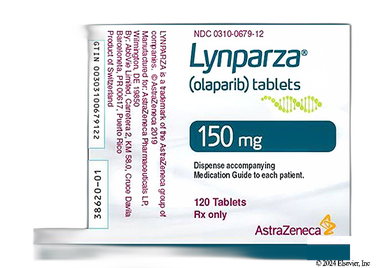
Lynparza (olaparib) is an oral medication used as targeted treatment for certain types of ovarian cancer, prostate cancer, pancreatic cancer, and breast cancer. You take it as a pill by mouth, typically 2 tablets twice a day. And depending on the cancer you’re taking the medication for, you can use it alone or together with other anticancer treatments. Common side effects include nausea, upset stomach, and fatigue.

Lynparza (olaparib) is a PARP inhibitor, which means it stops the PARP protein in the body from working. The PARP protein normally helps cells, including cancer cells, grow and survive by fixing damaged DNA. By blocking PARP from working, Lynparza (olaparib) prevents cancer cells from repairing their DNA, which kills them.
| Common Brands | Lynparza |
|---|---|
| Drug Class | PARP inhibitor |
| Controlled Substance Classification | Not a controlled medication |
| Generic Status | No lower-cost generic available |
| Availability | Prescription only |

The following side effects may get better over time as your body gets used to the medication. Let your healthcare provider know immediately if you continue to experience these symptoms or if they worsen over time.
Note: Side effects above are reported in studies using Lynparza (olaparib) as a maintenance treatment for ovarian cancer. Side effects can vary based on the type of cancer and other medications you're taking.
Contact your healthcare provider immediately if you experience any of the following.
Side effects that you should report to your care team as soon as possible:
Side effects that usually do not require medical attention (report these to your care team if they continue or are bothersome):




Lynparza (olaparib) can cause some serious health issues. This risk may be even higher for certain groups. If this worries you, talk to your doctor or pharmacist about other options.
Although rare, in clinical studies with Lynparza (olaparib), people developed a bone marrow problem called myelodysplastic syndrome (MDS), or new cancers of the blood. These conditions can be fatal and occurred anywhere from less than 6 months to more than 10 years after starting the medication. And many were previously treated with agents that can raise risk for second cancers, like radiation or platinum-containing chemotherapy. Your provider will have you do blood tests before starting Lynparza (olaparib), and then once a month to monitor for possible secondary cancers. Talk to your provider if you’re concerned about the risk for other cancers with Lynparza (olaparib).
Lung problems (pneumonitis) has occurred in some people taking Lynparza (olaparib). In rare cases, this can be life-threatening. Tell your healthcare provider right away if you have new or worsened cough, shortness of breath, or fevers. Your provider will probably have you stop taking Lynparza (olaparib) while they check your lungs.
In studies, some people taking Lynparza (olaparib) developed serious blood clots. These clots can happen anywhere in your body, including your lungs (pulmonary embolism (PE)) or in your arms and legs (deep vein thrombosis (DVT)). Get emergency help right away if you have any signs of a blood clot, such as swelling, having trouble catching your breath, chest pain, weakness on one side of the body, or trouble speaking. If you do have a blood clot, your provider will likely start a blood thinning medication to treat the clot.
Lynparza (olaparib) can harm unborn babies. Let your provider know if you’re pregnant or plan to become pregnant. If you’re able to become pregnant, your provider will have you do a pregnancy test before starting treatment. They’ll also ask you to use effective birth control while taking this medication and for at least 6 months after your last dose. If you’re male and have a partner who’s able to become pregnant, continue using effective birth control while taking Lynparza (olaparib) and for at least 3 months after your last dose.

The typical dose is 300 mg by mouth twice a day, with or without food.
Your dose might differ if you have kidney problems, take other medications that interact with Lynparza (olaparib), or experience side effects from Lynparza (olaparib).






Prescription savings
Stop paying too much for your prescriptions. Compare prices, get pharmacy coupons, and save up to 80%. Find expert answers to your health questions so you can make the best decisions for yourself and your family.
Health conditions
Medications & treatment
Access & affordability
Medication discounts

No, Lynparza is considered a targeted therapy. Targeted therapies work in a more specific way than traditional chemotherapy. While traditional chemotherapy acts against all fast-growing cells (not just tumor cells), targeted therapy, like Lynparza, works on certain types of cancer cells. This can lead to less harm for normal cells.
Your treatment team will do specific tests of your blood and tumor to check if your cancer has the specific gene mutations that Lynparza works against. It's important to understand that for some cancers, even if they have the mutations that Lynparza targets, there might be other treatments recommended as the first choice before considering this medication.
Maintenance therapy is a treatment that’s given after first-choice cancer treatment. Its job is to stop the cancer from growing and spreading, so it can help prevent the cancer from coming back. For certain cancers, like ovarian cancer and pancreatic cancer, Lynparza is approved as a maintenance treatment after platinum-based chemotherapy.
The amount of time you’ll need to take Lynparza depends on the cancer, how well the treatment is working, and whether you have side effects from the medication. For early breast cancer, it’s recommended to take Lynparza for up to 1 year. For ovarian cancer, it’s recommended to take Lynparza for up to 2 years. If the ovarian cancer is under control, you could potentially stop the medication. Otherwise, your treatment team might recommend you continue the medication. And for prostate cancer, pancreatic cancer, and metastatic breast cancer, there’s no specific time limit for how long you should take Lynparza. Your treatment team will check your symptoms, do blood tests, and/or have you do scans to make sure the medication is working to treat your cancer.
Nausea, vomiting, and diarrhea are common Lynparza side effects. It’s a good idea to try to eat smaller, more frequent meals to prevent stomach upset. It can also help to select foods that are easy to digest, like broth or rice. Your health care team might have prescribed medications to take as needed for nausea, vomiting, or diarrhea to help lower your symptoms. If these side effects are disrupting your daily routine, talk to your healthcare team for additional guidance on how to manage these side effects.
