Key takeaways:
Common Nexplanon (etonogestrel) side effects include changes in menstrual bleeding, headache, and vaginitis (vaginal inflammation). It’s also possible to experience acne, weight gain, and breast pain.
Many mild Nexplanon side effects improve or go away on their own with time. Tell your healthcare team if any issues become too bothersome.
Rare but serious Nexplanon side effects include blood clots and movement of the implant. Discuss these risks and how to watch for them with your healthcare team.
Save on related medications
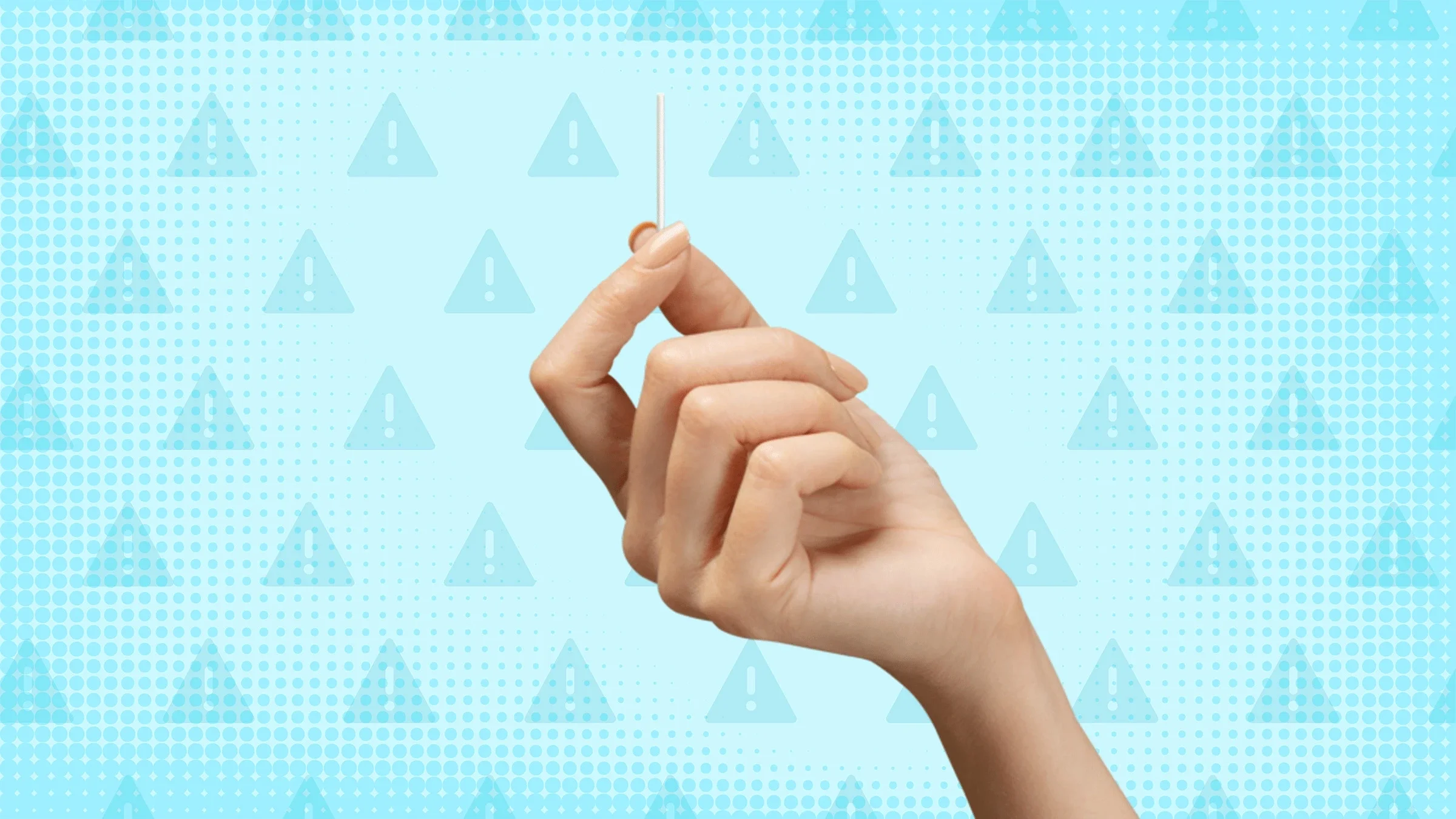
Nexplanon (etonogestrel) is a birth control implant that a healthcare professional inserts under the skin of your upper arm. It can prevent pregnancy for up to 5 years and is one of the most effective birth control methods. But like all medications, it can cause side effects.
In many cases, Nexplanon side effects are mild and get better with time. Serious complications are possible, but they’re rare. It’s good to know about both if you’re considering getting the implant.
So which Nexplanon side effects should you know about?
Nexplanon side effects at a glance
Nexplanon has similar side effects to other hormonal birth control methods. In most cases, they are mild in nature and get better as your body adjusts to the implant. But serious side effects are possible. So it’s good to know what to watch for and when to get help.
Common or mild Nexplanon side effects include:
Irregular periods or breakthrough bleeding
Headaches
Vaginitis (vaginal inflammation or irritation)
Vaginal discharge changes
Acne
Weight gain
Breast tenderness
Stomach pain or menstrual cramps
Flu-like symptoms
Dizziness
Back pain
Mood swings
Nausea
Nervousness
Pain where Nexplanon was inserted
Rare but serious Nexplanon side effects and risks include:
Blood clots, which can lead to a heart attack or a stroke
Implant movement
Ovarian cysts
Ectopic pregnancy (a pregnancy that starts outside the uterus)
New or worsening depression
Breast cancer
Liver problems
Gallbladder problems
Significantly raised blood pressure or cholesterol levels
Allergic reactions
Nexplanon’s labeling also has a boxed warning about complications during implant placement or removal. A boxed warning is the FDA’s strictest warning for medications. Because of this risk, healthcare professionals have to be certified to insert and remove Nexplanon. Not all reproductive healthcare professionals are certified for the implant.
Below are more details on nine Nexplanon side effects.
1. Irregular periods and breakthrough bleeding
Irregular periods and breakthrough bleeding are very common Nexplanon side effects. They’re also among the primary reasons many people stop using the implant.
About 1 in 5 people find that their periods stop while using Nexplanon. But heavier, more frequent, or longer periods are also possible. Typically, whatever changes happen during the first 3 months after insertion are what will happen the entire time you use Nexplanon.
Menstrual bleeding changes usually aren’t harmful. But they can be frustrating. You may want to wear darker-colored undergarments. And consider keeping period supplies, such as maxi pads, on hand while you’re not at home.
If you find period changes to be too bothersome, tell the healthcare professional who inserted Nexplanon. If Nexplanon is removed, your menstrual cycle should return to how it was before the implant.
2. Headaches
Headaches are a common side effect for all hormonal birth control methods, including Nexplanon. Sometimes, changes in hormone levels can trigger headaches. Usually, this is more noticeable shortly after having Nexplanon inserted. It should resolve on its own after your body adjusts to the medication.
In the meantime, there are ways you can manage headaches at home:
Drink plenty of water.
Apply a cool compress to painful areas.
Rest in a dark room until the pain lets up.
Limit alcohol and caffeine.
Take steps to optimize your sleep routine to help you get enough rest at night.
Ask a healthcare professional if you can occasionally take over-the-counter (OTC) pain relievers, such as acetaminophen (Tylenol) or ibuprofen (Advil, Motrin).
Tell your healthcare team if headaches are severe or persistent. There may be another cause for your symptoms. In rare cases, a severe headache can be a symptom of a stroke (a serious Nexplanon side effect).
3. Vaginitis
Vaginitis is another common Nexplanon side effect. It’s also possible with other hormonal birth controls. This inflammation or irritation is usually caused by the hormones in Nexplanon disrupting the natural yeast and bacteria in your vagina.
In many cases, vaginitis for Nexplanon will resolve as your body adjusts to the hormones in the implant. But it can also be a symptom of a vaginal infection, such as bacterial vaginosis. Tell your healthcare team if you have vaginitis along with other symptoms, such as:
Abnormal vaginal discharge (more on this next)
Itching
A bad vaginal odor
Pain with sex
Pain while urinating
A healthcare professional can tell you if you have a vaginal infection. If you do, they’ll likely recommend a medication to treat it, such as an antibiotic or an antifungal.
4. Changes to vaginal discharge
It’s common to see changes to your vaginal discharge after starting Nexplanon. This is because hormone changes affect your discharge’s color, consistency, and amount. This typically isn’t harmful. And wearing a panty liner may help you feel more comfortable.
But sometimes, changes in vaginal discharge can be a sign of an infection. Tell a healthcare professional if you notice these changes:
Yellow, gray, or green discharge
A cottage cheese consistency
A foamy or puslike appearance
A foul or fishy odor
Discharge with blood when you don’t have your period
If you have an infection, a healthcare professional can recommend a treatment for it.
5. Acne
Some people experience new or worse acne with Nexplanon. This is caused by etonogestrel, the progestin (lab-made progesterone) in the implant. Etonogestrel has a lower risk of causing acne than many other progestins. But it’s still possible.
This Nexplanon side effect is usually mild. Most people can manage it at home with OTC acne treatments. Just keep in mind that when starting acne medications, it’s common for acne to appear worse before it gets better.
If your acne seems severe or continues to get worse, tell the healthcare professional who inserted Nexplanon. They may suggest prescription acne medications. They may also recommend trying a different form of birth control. You may find that another contraceptive doesn’t cause this side effect for you.
6. Weight gain
In Nexplanon’s clinical trials, about 14% of participants reported weight gain. But experts aren’t sure if the implant truly causes this side effect. More recent studies have found that Nexplanon doesn’t cause significant weight gain for most people.
Weight gain is a commonly reported side effect for all hormonal birth control methods. But this is likely because of fluid retention. Progestin can cause your body to hold on to excess water. This can make you feel bloated. But this “water weight” tends to go away over time for many people.
If you’ve experienced weight gain that you’re uncomfortable with, tell your healthcare team. A healthcare professional can help determine the most likely cause and the best steps for you to take.
7. Breast tenderness
Breast tenderness is another possible Nexplanon side effect. It’s most likely to occur during the first few months after starting the implant and typically improves or goes away over time.
To help ease breast discomfort at home, you can try the following:
Use heat or ice packs on sore areas.
Wear a supportive bra, such as a sports bra.
Ask a healthcare professional whether it’s safe for you to take OTC pain relievers.
If the pain worsens or doesn’t improve, tell your healthcare team. And if you notice breast lumps, skin-color changes, or nipple discharge, seek medical care right away. These could be symptoms of breast cancer, which is a rare but serious Nexplanon side effect.
8. Blood clots, heart attack, or stroke
Nexplanon’s label warns of the risk of blood clots, which could cause a heart attack or a stroke. This warning is because combination birth control (contains an estrogen and progestin) raises the risk of blood clots. The progestin-only birth control shot (the “depo shot”) also has this risk.
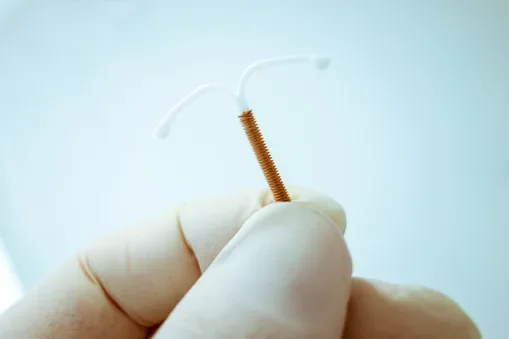
Research suggests that other types of progestin-only birth control, such as Nexplanon, don’t seem to increase the risk of blood clots. But the implant’s manufacturer warns of this serious complication. To be safe, tell your healthcare team if you have a history of blood clots. They may suggest a hormone-free contraceptive, such as the copper intrauterine device (IUD).
If you have signs or symptoms of a blood clot, call 911 or go to the ER. These include:
Pain, redness, or swelling in your arm or leg
Chest pain or tightness that gets worse with exertion
Shortness of breath
Coughing up blood
Weakness on one side of the body
Drooping of the face
Severe headache
Slurred speech or trouble speaking
9. Implant movement
Very rarely, the Nexplanon implant can move from where it was inserted. This typically happens only if the device is placed too deep under the skin of your arm. That’s why healthcare professionals require special training to insert and remove Nexplanon. If the implant moves, it can injure you. It also may not work as well (or at all) to prevent pregnancy.
You should always be able to feel the implant under your skin. A healthcare professional should show you how to locate it during your insertion appointment. It’s recommended to regularly check for the implant with your fingertips. Try to include it in your regular routine to help make it a habit.
Here are some ideas to get you started:
Check for Nexplanon whenever you take a shower.
Take a moment to check for the implant while performing a monthly self-breast exam.
Do your check before or after another activity you perform routinely, such as exercising.
If you can’t feel the implant, call your healthcare professional right away. They’ll need to check to make sure the device hasn’t moved. If Nexplanon does move, your healthcare professional will need to remove it.
Frequently asked questions
Most Nexplanon mood swings are mild and temporary. Stress relief techniques can help you regulate these sudden emotional changes, such as:
Meditation and other mindfulness activities
Talking to friends or family members about how you’re feeling
Practicing muscle relaxation exercises to help relieve tension
Spending time with animals
Getting outside
Exercising or adding more movement to your routine
If your mood swings are severe or persistent, tell your healthcare team. Depression and anxiety are rare but serious Nexplanon side effects.
There’s nothing you need to completely avoid with Nexplanon. But there are medications that can make it less effective. Examples include rifampin (Rifadin), certain HIV antivirals, and St. John’s wort. Share a list of the medications and supplements you take with your healthcare team before starting Nexplanon. They can help you manage potential interactions.
You should also tell your healthcare team if you use a continuous glucose monitor (CGM). Many people prefer to insert CGM sensors on the back of their upper arms. Discuss whether you can have Nexplanon inserted into the same arm as your CGM before doing so.
It’s unclear if Nexplanon directly causes or worsens anxiety. It’s common to feel nervousness now and then, but this should be mild and temporary. Still, there are cases of people developing longer-lasting or severe mood problems, including anxiety, with all hormonal birth controls.
If you experience new or worse anxiety after starting Nexplanon, tell the healthcare professional who inserted the implant. This isn’t typical, and you may need to have the device removed.
Most Nexplanon mood swings are mild and temporary. Stress relief techniques can help you regulate these sudden emotional changes, such as:
Meditation and other mindfulness activities
Talking to friends or family members about how you’re feeling
Practicing muscle relaxation exercises to help relieve tension
Spending time with animals
Getting outside
Exercising or adding more movement to your routine
If your mood swings are severe or persistent, tell your healthcare team. Depression and anxiety are rare but serious Nexplanon side effects.
There’s nothing you need to completely avoid with Nexplanon. But there are medications that can make it less effective. Examples include rifampin (Rifadin), certain HIV antivirals, and St. John’s wort. Share a list of the medications and supplements you take with your healthcare team before starting Nexplanon. They can help you manage potential interactions.
You should also tell your healthcare team if you use a continuous glucose monitor (CGM). Many people prefer to insert CGM sensors on the back of their upper arms. Discuss whether you can have Nexplanon inserted into the same arm as your CGM before doing so.
It’s unclear if Nexplanon directly causes or worsens anxiety. It’s common to feel nervousness now and then, but this should be mild and temporary. Still, there are cases of people developing longer-lasting or severe mood problems, including anxiety, with all hormonal birth controls.
If you experience new or worse anxiety after starting Nexplanon, tell the healthcare professional who inserted the implant. This isn’t typical, and you may need to have the device removed.
The bottom line
Common Nexplanon (etonogestrel) side effects include changes to your period, headache, and vaginitis (vaginal inflammation). Acne, weight gain, and breast pain are also possible. Many common side effects improve after the first few months of using Nexplanon.
Rare but serious Nexplanon side effects include blood clots and movement of the implant. These complications require immediate medical attention. Discuss the risks and side effects of Nexplanon with your healthcare team.

Why trust our experts?



References
French, V. (2025). What you should know about breakthrough bleeding with birth control. American College of Obstetricians and Gynecologists.
Lopez, L. M., et al. (2016). Progestin‐only contraceptives: Effects on weight. Cochrane Database System Reviews.
Merck Manual Consumer Version. (2025). Vaginal discharge. Merck & Co.
Organon. (2026). Nexplanon- etonogestrel implant [package insert]. DailyMed.
Vorvick, L. J., et al. (2024). Breast pain. MedlinePlus.