Key takeaways:
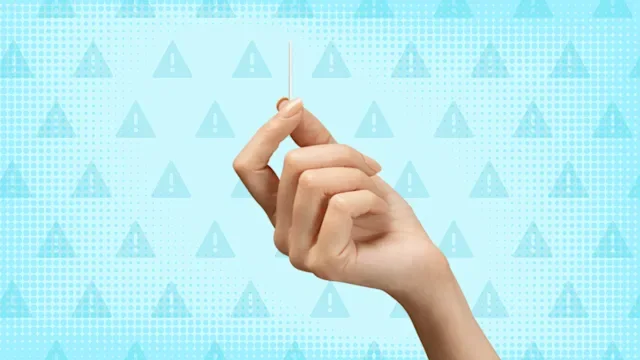
The Nexplanon (etonogestrel) implant is a tiny plastic rod that goes under the skin of your upper arm. It slowly releases the hormone progestin into your body over time.
Once inserted, Nexplanon lasts for up to 5 years. The arm implant is reversible and prevents pregnancy better than birth control pills.
A healthcare professional must insert and remove Nexplanon. But the procedures for doing so are generally quick and don’t require sedation.
If you have health insurance, Nexplanon is likely to be fully covered under the Affordable Care Act. But you may be responsible for other costs associated with it, such as insertion or removal fees.
Save on related medications
There are many forms of birth control available. Pills, patches, and vaginal rings are a few examples. But if you’re looking for a low-maintenance contraceptive, the Nexplanon (etonogestrel) implant might be an option. Requiring only a short visit to a healthcare professional’s office, it offers pregnancy prevention for up to 5 years.
Whether you’re new to Nexplanon or have been using it for a while, it’s common to want to know more about it. From how long Nexplanon lasts to potential side effects, here are six things you should know about the birth control implant.
1. Nexplanon lasts for up to 5 years
Nexplanon works better than most other forms of birth control and lasts for up to 5 years. It has a 0.05% failure rate, meaning that 1 in 2,000 people using the birth control implant will become pregnant per year.
The implant prevents pregnancy better than birth control pills. With typical use, the pill has a 7% failure rate (about 1 in 14 people using it will become pregnant per year). “Typical use” includes situations that affect how well the pill works, such as forgetting to take pills or taking a pill late.
2. Nexplanon insertion is quick and doesn’t require sedation
You can’t insert Nexplanon at home. You’ll have to visit a healthcare professional to have it surgically placed. But Nexplanon’s insertion procedure is relatively quick and doesn’t require sedation.
You’ll likely meet with your healthcare professional once before the implant is inserted. This is when they’ll make sure the implant is right for you. It’s also a good time to ask questions or discuss any concerns you may have. If you both agree that Nexplanon is a good choice for you, you’ll return another day to have it placed.
The insertion procedure typically involves the following steps:
Your healthcare professional will sterilize the back of your nondominant, upper arm. They’ll also apply a local numbing medication to the area.
Once your arm is numb, they’ll use a special device that looks like one side of a stapler to insert the implant into your arm.
Your healthcare professional will cover the area with two sets of bandages. Leave the top bandage on for 24 hours. Keep the bottom bandage clean, dry, and intact for 3 to 5 days.
It typically takes less than 30 minutes to insert Nexplanon. You likely won’t feel pain during the insertion. But it’s common for the area to feel tender for a few days after. Bruising where Nexplanon was inserted is also possible.
You shouldn’t be able to see where Nexplanon is placed. But you should be able to feel it if you place your fingertips on the back of your upper arm. Check regularly to make sure you can feel your Nexplanon while using it. For instance, you may check once a week to see if you can feel it.
If there’s ever a time where you can’t feel it, call your healthcare professional immediately. While rare, some people have had the Nexplanon implant move after insertion.
Good to know: You may need to use a barrier birth control method, such as condoms, for up to 7 days after Nexplanon is inserted. Your healthcare professional will let you know if this applies to you.
3. Nexplanon’s removal procedure is similar to its insertion
Nexplanon’s removal procedure is similar to its insertion:
Your healthcare professional will sterilize and numb the area where Nexplanon was inserted.
They’ll make a small incision on your arm near one end of the implant. Then they’ll use medical tweezers to remove it.
If you’re having a new Nexplanon implant inserted, it’ll be done at this point.
Your healthcare professional will apply two bandages, as they did after insertion. Leave the top bandage on for 24 hours. Keep the bottom bandage clean, dry, and intact for 3 to 5 days.
Nexplanon lasts for up to 5 years. But you can have it removed before then if needed or preferred. Just make sure you have it removed by the end of the 5 years.
It’s possible to get pregnant right away after having Nexplanon removed. If you don’t want to become pregnant, discuss birth control options with your healthcare professional. Many people choose to have a new implant inserted the same day the old one is removed. If you’re switching to a different birth control method, your healthcare professional can let you know how and when to switch.
4. Nexplanon’s side effects are typically mild
Nexplanon’s side effects are generally mild. But they vary for everyone and can change over time. Keep in mind that even if your side effects change, the Nexplanon birth control implant will continue to prevent pregnancy for up to 5 years.
The most common side effects of Nexplanon include:
Irregular periods or breakthrough bleeding
Headache
Breast tenderness
Vaginitis (vaginal irritation or inflammation)
Stomach pain or menstrual cramps
Cold-like symptoms
Changes to vaginal discharge
Dizziness
Nausea
Mood swings
While Nexplanon’s failure rate is very low, if you do become pregnant, it can be more dangerous. There is a higher risk of an ectopic pregnancy — a pregnancy that happens outside of the uterus. If you become pregnant while you have Nexplanon in your arm, contact your healthcare professional immediately.
This isn’t a full list of all possible Nexplanon side effects. Discuss these risks with your healthcare team before having the implant inserted.
5. Many insurance plans cover Nexplanon
If you have health insurance, the cost of Nexplanon is likely to be fully covered under the Affordable Care Act — even if you haven’t met your plan’s deductible. But you may be responsible for other costs associated with the implant. For example, you may need to pay for the insertion or removal procedure.
As of January 2026, the manufacturer’s list price for Nexplanon is $1,275.36. But the out-of-pocket cost is generally higher than the list price due to wholesaler markups. If you’re uninsured, ask at your healthcare professional’s office about how much the implant and insertion procedure cost.
The office staff may be able to work with you to make Nexplanon more affordable. For instance, they might offer an option to pay for the implant on a monthly basis, instead of paying in full upfront. Community health centers may also offer Nexplanon at a lower cost.
6. There are several benefits of the Nexplanon birth control implant
There are several benefits to using Nexplanon, including:
Convenience: With a short visit to your healthcare professional, you’ll have 5 years of consistent birth control. There are no trips to the pharmacy and no worries about running out of refills.
Low maintenance: You won’t have to worry about remembering to take your dose. Nexplanon is always working without you having to do anything.
Low pregnancy risk: Nexplanon works better than most other available contraceptives. So your risk of pregnancy is very low.
Less invasive than other options: Intrauterine devices (IUDs) also work well for preventing pregnancy. But some people find the procedure to have them placed a bit invasive. With Nexplanon, you simply roll up your shirt sleeve to have the implant inserted. If you wear a short-sleeve shirt, you may not even have to do that.
Safe to nurse: If you’re considering getting Nexplanon after having a baby, it’s safe to nurse while you have the implant. You can have Nexplanon inserted anytime starting 4 weeks after having a baby.
How does Nexplanon compare to an IUD?
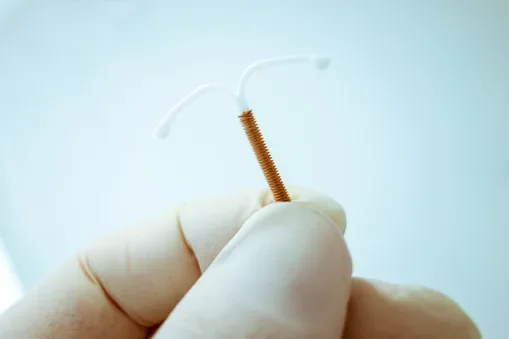
The Nexplanon birth control arm implant and IUDs have quite a few similarities:
They’re both undetectable. You can’t visibly see if someone has Nexplanon or an IUD. So your reproductive choices remain your business and yours alone.
They’re both low-maintenance. You don’t have to remember to take a pill or change a patch. With one office visit, you’re protected for years.
They both work very well. Both Nexplanon and IUDs prevent pregnancy in more than 99% of cases. This is a better result than with the pill, patch, or ring.
They’re both quick to have placed. Insertion and removal visits for both Nexplanon and IUDs take about 30 minutes or less.
Neither protects you from sexually transmitted infections (STIs). While both work well for preventing pregnancy, neither protects against STIs, such as HIV. It’s important to use a condom to help protect yourself.
While there are many similarities between the Nexplanon birth control implant and IUDs, there are definite differences, too. The table below highlights a few key differences between them.
| Nexplanon | IUDs | |
|---|---|---|
| Does it contain hormones? | Yes, a progestin (lab-made form of progesterone) | Some do. There are two options:
|
| Where is it placed? | On the back of your upper arm | In your uterus |
| How long does it take to work? | 5-7 days |
|
| How long does it last? | 5 years |
|
| How does it usually affect menstrual periods? | Irregular periods or breakthrough bleeding |
|
The bottom line
There are a few low-maintenance birth control choices available. The Nexplanon (etonogestrel) implant is one of these options. Once inserted, it can prevent pregnancy for up to 5 years. Nexplanon is reversible and works better than birth control pills.
A healthcare professional places Nexplanon under the skin of your upper arm. The insertion and removal procedures are relatively quick and don’t require sedation.
Many insurance plans fully cover Nexplanon. But you may be responsible for other costs associated with it, such as the insertion and removal procedures. Ask your healthcare team whether Nexplanon would be a good option for you.

Why trust our experts?



References
Healthcare.gov. (n.d.). Health benefits & coverage. U.S. Centers for Medicare & Medicaid Services.
Organon. (n.d.). Can you get Nexplanon for free?
Organon. (n.d.). Discuss Nexplanon with your doctor to see if it’s right for you.
Organon. (n.d.). Getting Nexplanon removed.
Organon. (n.d.). What to expect after your insertion procedure.
Organon. (2026). Nexplanon- etonogestrel implant [package insert]. DailyMed.
Pollacco, J., et al. (2024). An overview of current contraceptive modalities and historical perspectives: A review. Gynecological and Reproductive Endocrinology and Metabolism.