


H. Pylori Treatments: Antibiotics, PPI Medications, and More
H. pylori is a common bacterial infection treated with antibiotics and PPIs. Learn about first-choice H. pylori treatments and natural options with GoodRx.
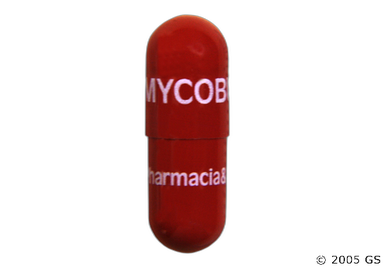
Rifabutin (Mycobutin) is used to prevent Mycobacterium avium complex (MAC) infection in people with advanced human immunodeficiency virus (HIV). It's available as a capsule that's taken by mouth, typically once daily. The most common side effect of rifabutin (Mycobutin) include temporarily change the color of your teeth, body fluids, and even urine.

Rifabutin (Mycobutin) kills certain bacteria by blocking an enzyme (protein) the bacteria need make copies of itself, so it can't grow and spread. It's not known if it does the same thing to the bacteria that causes Mycobacterium avium complex (MAC).
| Common Brands | Mycobutin |
|---|---|
| Drug Class | Rifamycin antibiotic |
| Controlled Substance Classification | Not a controlled medication |
| Generic Status | Lower-cost generic available |
| Availability | Prescription only |

The following side effects may get better over time as your body gets used to the medication. Let your healthcare provider know immediately if you continue to experience these symptoms or if they worsen over time.
Contact your healthcare provider immediately if you experience any of the following.
Along with its needed effects, a medicine may cause some unwanted effects. Although not all of these side effects may occur, if they do occur they may need medical attention.
Check with your doctor immediately if any of the following side effects occur:
Less common
Black, tarry stools
chills
indigestion
itching or skin rash
loss of appetite
loss of strength or energy
painful or difficult urination
ulcers, sores, or white spots in the mouth
unusual bleeding or bruising
unusual tiredness or weakness
Some side effects may occur that usually do not need medical attention. These side effects may go away during treatment as your body adjusts to the medicine. Also, your health care professional may be able to tell you about ways to prevent or reduce some of these side effects. Check with your health care professional if any of the following side effects continue or are bothersome or if you have any questions about them:
Other side effects not listed may also occur in some patients. If you notice any other effects, check with your healthcare professional.
Call your doctor for medical advice about side effects. You may report side effects to the FDA at 1-800-FDA-1088.




Rifabutin (Mycobutin) can cause some serious health issues. This risk may be even higher for certain groups. If this worries you, talk to your doctor or pharmacist about other options.
Don't take rifabutin (Mycobutin) to prevent MAC if you have active tuberculosis. Doing so can lead to serious antibiotic resistance problems. You must take a combination of different anti-TB antibiotics if you have a TB infection. Your provider will evaluate you to make sure you don't have TB before starting rifabutin (Mycobutin), and will regularly check to make sure you don't get a TB infection while taking this medication for MAC.
Rifabutin (Mycobutin) interacts with a lot of medications, including clarithromycin, which is also used for MAC treatment, and protease inhibitors, a class of HIV ARVs. It's very important that all your providers and pharmacists have a full list of your medications. This way they can check for medication interactions and adjust the doses to make sure you are getting the right amount of medication.
Rifabutin (Mycobutin) can cause serious allergic and skin reactions, including anaphylaxis. If you develop dizziness, rash or hives, swelling in your face or tongue, difficulty breathing, or flu-like symptoms, get medical help right away.
It's rare, but some people who take rifabutin (Mycobutin) get uveitis, inflammation of an important part of the eye. It's more common in people who are also taking other anti-infective medications like clarithromycin, azithromycin, and fluconazole. If you notice eye redness, pain, blurry vision, or light sensitivity, let your provider know right away. They might tell you to stop taking the medication and will refer you to an eye specialist.
All antibiotics, including rifabutin (Mycobutin), can raise your risk of getting a serious gut bacterial infection that causes severe diarrhea. This can happen even after you've finished treatment with rifabutin (Mycobutin). If you develop severe diarrhea with watery stools after you finish the medication, talk to your provider.
Rifabutin (Mycobutin) can cause low numbers of white blood cells and platelets in the blood. Your provider will order regular lab tests to monitor your cell counts while you're on this antibiotic.

 Capsule
| Dosage | Quantity | Price as low as | Price per unit |
|---|---|---|---|
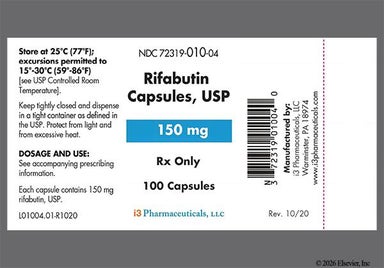
| 150mg | 28 capsules | $114.81 | $4.10 |

Although certain medicines should not be used together at all, in other cases two different medicines may be used together even if an interaction might occur. In these cases, your doctor may want to change the dose, or other precautions may be necessary. When you are taking this medicine, it is especially important that your healthcare professional know if you are taking any of the medicines listed below. The following interactions have been selected on the basis of their potential significance and are not necessarily all-inclusive.
Using this medicine with any of the following medicines is not recommended. Your doctor may decide not to treat you with this medication or change some of the other medicines you take.
Using this medicine with any of the following medicines is usually not recommended, but may be required in some cases. If both medicines are prescribed together, your doctor may change the dose or how often you use one or both of the medicines.
Using this medicine with any of the following medicines may cause an increased risk of certain side effects, but using both drugs may be the best treatment for you. If both medicines are prescribed together, your doctor may change the dose or how often you use one or both of the medicines.


Contraindications are specific health conditions or situations in which a person should not take a medication due to safety concerns. If you have any of the following conditions or if any of the following apply to you, let your healthcare provider know because Rifabutin (Mycobutin) will not be safe for you to take.

Adults
Azithromycin (Zithromax) can treat certain types of:
Children
Azithromycin (Zithromax) can treat certain types of:




Prescription savings
Stop paying too much for your prescriptions. Compare prices, get pharmacy coupons, and save up to 80%.Resources
About GoodRx
 Find expert answers to your health questions so you can make the best decisions for yourself and your family.
Health conditions
Medications & treatment
Access & affordability
Well-being
Medication discounts

Rifabutin helps prevent Mycobacterium avium complex (MAC), a serious bacterial infection that mostly affects people with severe HIV. It's not, however, a first choice option, and your provider will need to make sure you don't have tuberculosis (TB) before prescribing this for you.
Rifabutin is only FDA-approved to prevent MAC in people with HIV. On its own, it's not approved to treat H.pylori stomach infections. But studies suggest Rifabutin might be a second-choice option (in combination with other antibiotics) for H.pylori infections for people whose infections didn't go away after taking recommended medications. In fact, you can find Rifabutin as a combination medication called Talicia for H. pylori. Talk with your provider if you've questions about Rifabutin and H.pylori.
No, Rifabutin isn't the same as rifampin (Rifadin). Both medications are rifamycin antibiotics. But rifampin (Rifadin) is mostly used to treat tuberculosis (TB), whereas Rifabutin is only approved to prevent MAC. But according to the CDC, your provider can consider Rifabutin as an option to treat TB for certain people with HIV. Compared to rifampin (Rifadin), Rifabutin has less severe medication interactions with certain HIV medication and might be a better option for treating TB in people who are taking these HIV medications.
Rifabutin is prescribed for people with high risk of getting Mycobacterium avium complex (MAC) disease due to severe HIV. People at high risk includes those living with HIV who have a low CD4 count and aren't taking HIV ARVs to lower their HIV viral load. Your provider will usually stop Rifabutin when you're no longer at a high risk for getting MAC. Some people might need to continue Rifabutin for their lifetime. Ask your provider if you're not sure how long you need to take Rifabutin for.
Rifabutin hasn't been well-studied in human pregnancy. In animal studies suggest that Rifabutin can affect the bone development of unborn babies. If you're pregnant or plan to become pregnant while taking this medication, talk with your providers. They'll only prescribe Rifabutin if the benefits of this medication is greater than its risk of harm.
