


7 Medications That Can Interact With Dairy Products: Antibiotics, Levothyroxine, and More
Dairy products can affect how certain medications work in your body, potentially making them less effective. Here are the most common dairy interactions.
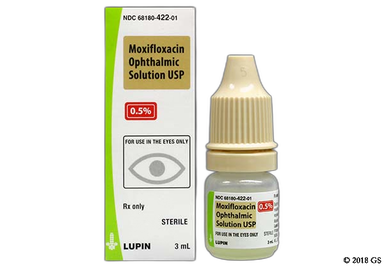
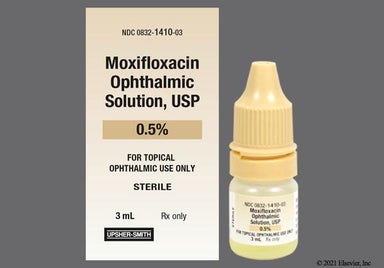
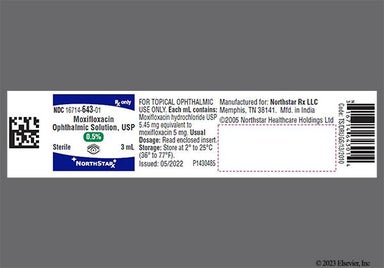
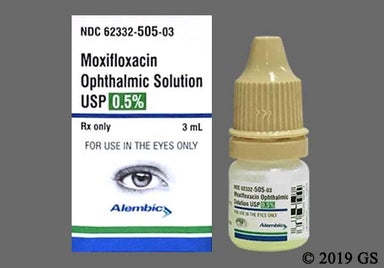
Moxifloxacin (Vigamox) is a fluoroquinolone antibiotic that treats bacterial conjunctivitis (pink eye) in people of all ages. It's an eye drop that's placed in the affected eye(s) 3 times per day for 7 days. Side effects aren't common but can include dry eye, eye pain, eye redness, and itchy eyes. This medication is available as a brand-name and generic version.

Moxifloxacin (Vigamox) is a fluoroquinolone (or "quinolone") antibiotic. It works by blocking certain proteins that bacteria use to grow, repair their genetic material (DNA), and survive. By blocking this process, moxifloxacin (Vigamox) kills bacteria.
| Common Brands | Vigamox |
|---|---|
| Drug Class | Fluoroquinolone antibiotic |
| Controlled Substance Classification | Not a controlled medication |
| Generic Status | Lower-cost generic available |
| Availability | Prescription only |

The following side effects may get better over time as your body gets used to the medication. Let your healthcare provider know immediately if you continue to experience these symptoms or if they worsen over time.
Contact your healthcare provider immediately if you experience any of the following.
Along with its needed effects, a medicine may cause some unwanted effects. Although not all of these side effects may occur, if they do occur they may need medical attention.
Check with your doctor immediately if any of the following side effects occur:
Incidence not known
Fainting or loss of consciousness
fast or irregular breathing
itching or skin rash
swelling of the eyes or eyelids
tightness in the chest
trouble with breathing
Some side effects may occur that usually do not need medical attention. These side effects may go away during treatment as your body adjusts to the medicine. Also, your health care professional may be able to tell you about ways to prevent or reduce some of these side effects. Check with your health care professional if any of the following side effects continue or are bothersome or if you have any questions about them:
More common
Burning, dry, or itching eyes
change in vision
decreased vision
excessive tearing
eye discharge
itching of the eye
pain in the eye
red, sore eyes
tearing
Less common
Body aches or pain
congestion
cough or hoarseness
decreased hearing
dryness or soreness of the throat
fever or chills
general body discomfort
lower back or side pain
painful or difficult urination
rubbing or pulling of the ears (in children)
tender, swollen glands in the neck
trouble with swallowing
voice changes
vomiting and diarrhea (in infants)
Other side effects not listed may also occur in some patients. If you notice any other effects, check with your healthcare professional.
Call your doctor for medical advice about side effects. You may report side effects to the FDA at 1-800-FDA-1088.




Moxifloxacin (Vigamox) can cause some serious health issues. This risk may be even higher for certain groups. If this worries you, talk to your doctor or pharmacist about other options.
Moxifloxacin (Vigamox) is an eye drop medication that should only be placed on the surface of the eye. Don't put moxifloxacin (Vigamox) on or into any other place on your body.
Using moxifloxacin (Vigamox) for too long can allow any bacteria, fungi, or other germs that the medication can't get rid of to infect the eye. Contact your primary care provider for follow up if your eye infection isn't improving. You might need additional testing and treatment.
It's not recommended to wear contact lenses while you have symptoms of a bacterial infection in your eye (pink eye). Throw away any contacts you wore before you started treatment since they might have bacteria on them. Also don't wear contacts while you're treating your infection with moxifloxacin (Vigamox). Ask your primary care provider or optometrist when it's safe to put contacts back into your eyes once your infection clears.
Some people who took other forms of moxifloxacin (e.g., oral tablets, injection) have experienced severe allergic reactions. These can include life-threatening reactions like facial swelling, shock, and anaphylaxis (e.g., closing of the throat). Get medical help right away if you notice hives, rash, swelling of the lips or tongue, or trouble breathing after you use moxifloxacin (Vigamox).

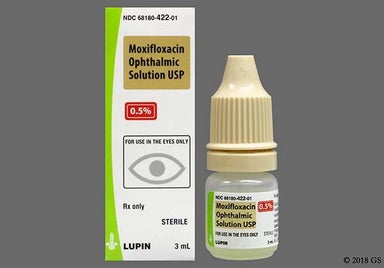
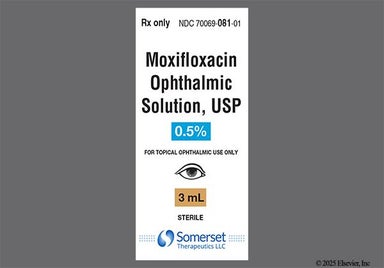
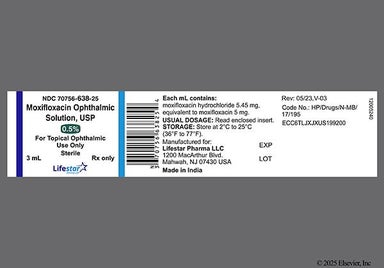
 Eye dropper
| Dosage | Quantity | Price as low as | Price per unit |
|---|---|---|---|
| 3ml of 0.5% | 1 eye dropper | $16.48 | $16.48 |

Although certain medicines should not be used together at all, in other cases two different medicines may be used together even if an interaction might occur. In these cases, your doctor may want to change the dose, or other precautions may be necessary. When you are taking this medicine, it is especially important that your healthcare professional know if you are taking any of the medicines listed below. The following interactions have been selected on the basis of their potential significance and are not necessarily all-inclusive.
Using this medicine with any of the following medicines is not recommended. Your doctor may decide not to treat you with this medication or change some of the other medicines you take.
Using this medicine with any of the following medicines is usually not recommended, but may be required in some cases. If both medicines are prescribed together, your doctor may change the dose or how often you use one or both of the medicines.
Using this medicine with any of the following medicines may cause an increased risk of certain side effects, but using both drugs may be the best treatment for you. If both medicines are prescribed together, your doctor may change the dose or how often you use one or both of the medicines.


Contraindications are specific health conditions or situations in which a person should not take a medication due to safety concerns. If you have any of the following conditions or if any of the following apply to you, let your healthcare provider know because Moxifloxacin (Vigamox) will not be safe for you to take.





Prescription savings
Stop paying too much for your prescriptions. Compare prices, get pharmacy coupons, and save up to 80%. Find expert answers to your health questions so you can make the best decisions for yourself and your family.
Health conditions
Medications & treatment
Access & affordability
Medication discounts

It can take a couple of days for your pink eye symptoms to improve after you start using Moxifloxacin. But even if your eye infection starts to get better, it's important to use Moxifloxacin exactly as prescribed and finish the entire treatment course (typically 7 days). This will help make sure your eye infection is properly treated. Talk to your primary care provider or prescriber if you're concerned with how well Moxifloxacin is working to treat your pink eye.
It'll probably depend on the specific side effect. For example, eye-related side effects like dry eye, redness, itching, and pain might happen soon after you place the drops in your eye and get better with time. But more rare side effects like rash or cough might last a little longer. Discuss with your healthcare team if you have a question about any specific Moxifloxacin side effect.
Eye discomfort and pain, which might include burning, were reported in up to 6% of people who used Moxifloxacin in clinical studies. But these side effects shouldn't last too long and might go away as you continue to use the medication. Let your prescriber know if the burning is too bothersome for you. They might recommend another medication.
No, Moxifloxacin is a fluoroquinolone (or "quinolone") antibiotic. Penicillin belongs to a different class of antibiotics. Since Moxifloxacin and penicillin are two completely different antibiotics, it's generally safe to use Moxifloxacin if you have a penicillin allergy.
No, but they're similar. Both moxifloxacin and ofloxacin are fluoroquinolone antibiotics. The biggest difference between them is that they cover (or treat) different bacteria. Both moxifloxacin and ofloxacin eye drops can treat conjunctivitis (pink eye), but ofloxacin eye drops are also approved to treat corneal ulcers. Your primary care provider or eye specialist will pick the right antibiotic eye drop for you based on your condition.
Yes, Moxifloxacin can expire. There should be an expiration date that's written on the medication box or bottle. Don't use Moxifloxacin past its expiration date because it might not work well to help treat your eye infection. Using expired Moxifloxacin can also lead to new infections if the medication got contaminated with germs.
Don't use Moxifloxacin for a stye unless a healthcare professional specifically prescribed it to you for this purpose. Moxifloxacin is only FDA-approved to treat bacterial conjunctivitis (pink eye), which is a bacterial infection of the lining that covers the inside of your eyelid and the whites of the eye. Styes are different from bacterial conjunctivitis because they're often caused by skin bacteria that get trapped along the eyelid. Usually, it's recommended that you treat styes with warm compresses or eyelid scrubs before using eye antibiotics.
Speak to a healthcare professional (HCP) for the most appropriate treatment if you have an ear infection. Moxifloxacin eye drops are FDA-approved to be used in the eye to treat pink eye only. But sometimes, HCPs prescribe certain antibiotic eye drops for an ear infection. This is because some antibiotic eye drops are safe to use in the ear and are generally at a lower cost than ear drops. Keep in mind that it's not safe to put ear drops in the eyes. Make sure to carefully follow your HCP's instructions on how to use Moxifloxacin for your infection. Ask your HCP or pharmacist if you're not sure whether you should use Moxifloxacin for the eyes or ears.
