





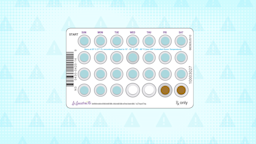
7 Lo Loestrin Fe Side Effects You Should Know About
Common Lo Loestrin Fe side effects include acne, headaches, and digestive issues. Learn more about these and rare Lo Loestrin Fe side effects with this guide.
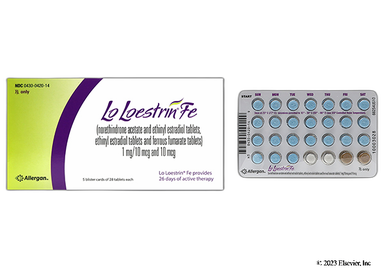
Lo Loestrin Fe is a prescription birth control pill used to help prevent pregnancy. It contains two hormones — ethinyl estradiol (an estrogen) and norethindrone (a progestin) — along with ferrous fumarate, which is an iron supplement. This low-dose combined oral contraceptive (COC) is taken once a day by mouth in a 28-day cycle: 26 days of active pills and 2 days of placebo pills. Some common side effects include spotting, nausea, and breast tenderness.

Lo Loestrin Fe is a combination medication that contains two hormones: norethindrone (a progestin) and ethinyl estradiol (an estrogen). These hormones work together to prevent pregnancy by:
Lo Loestrin Fe also includes inactive (hormone-free) tablets that contain ferrous fumarate. This iron supplement is added to lower your risk of anemia during the days you might have your period while taking the inactive pills.
| Common Brands | Lo Loestrin Fe |
|---|---|
| Drug Class | Estrogen / Progestin combined contraceptive |
| Controlled Substance Classification | Not a controlled medication |
| Generic Status | No lower-cost generic available |
| Availability | Prescription only |

The following side effects may get better over time as your body gets used to the medication. Let your healthcare provider know immediately if you continue to experience these symptoms or if they worsen over time.
Contact your healthcare provider immediately if you experience any of the following.
Along with its needed effects, a medicine may cause some unwanted effects. Although not all of these side effects may occur, if they do occur they may need medical attention.
Check with your doctor immediately if any of the following side effects occur:
Less common
Breast tenderness
heavy non-menstrual vaginal bleeding
irregular menstrual periods
longer or heavier menstrual periods
normal menstrual bleeding occurring earlier, possibly lasting longer than expected
Incidence not known
chills
clay-colored stools
confusion
dark urine
difficulty with speaking
dizziness
double vision
fast or irregular heartbeat
headache
inability to move the arms, legs, or facial muscles
inability to speak
indigestion
itching or rash
loss of appetite
pain, redness, or swelling in the arm or leg
pains in the chest, groin, or legs, especially in the calves
severe headaches of sudden onset
severe nausea or vomiting
slurred speech
stomach pain
sudden loss of coordination
sudden onset of slurred speech
sudden vision changes
tightness in the chest
unpleasant breath odor
unusual tiredness or weakness
unusual warmth or flushing of the skin
unusually heavy or unexpected menstrual bleeding
vaginal bleeding or spotting
vomiting of blood
yellow eyes or skin
Some side effects may occur that usually do not need medical attention. These side effects may go away during treatment as your body adjusts to the medicine. Also, your health care professional may be able to tell you about ways to prevent or reduce some of these side effects. Check with your health care professional if any of the following side effects continue or are bothersome or if you have any questions about them:
More common
Vomiting
Other side effects not listed may also occur in some patients. If you notice any other effects, check with your healthcare professional.
Call your doctor for medical advice about side effects. You may report side effects to the FDA at 1-800-FDA-1088.




Lo Loestrin Fe can cause some serious health issues. This risk may be even higher for certain groups. If this worries you, talk to your doctor or pharmacist about other options.
 If you smoke cigarettes, using combined oral contraceptives (COCs), like Lo Loestrin Fe, raises your risk for blood clots. These blood clots can lead to more serious problems, such as heart attack and stroke. People aged 35 years and older who smoke are at even higher risk for these problems. If you smoke, talk with your gynecologist about safer birth control alternatives.
Lo Loestrin Fe raises your risk of blood clots. These clots can occur anywhere in your body, including your lungs (pulmonary embolism or PE), legs (deep vein thrombosis or DVT), brain (stroke), and heart (heart attack). Get emergency help right away if you have any signs of a blood clot.
If you need to have surgery, tell your care team you're taking Lo Loestrin Fe. They might have you stop taking it 4 weeks before until 2 weeks after your surgery to lower your risk of blood clots. If you recently delivered a baby, you shouldn't start Lo Loestrin Fe until 4 weeks after delivery if you're not breastfeeding your child.
Don't take Lo Loestrin Fe if you have liver problems. Although rare, COCs like Lo Loestrin Fe can raise your risk of benign liver tumors. Signs of liver problems can include jaundice (yellowing of the skin or eyes), along with fever, tiredness, loss of appetite, or dark colored urine.
Lo Loestrin Fe can raise your blood pressure, so you might want to check your blood pressure while you're taking this medication. The risk is higher in older adults that have taken birth control for a long time. Stop taking Lo Loestrin Fe and let your care team know if your blood pressure is unusually high.
Lo Loestrin Fe can raise your blood sugar and triglyceride (fat) levels. If you have diabetes or prediabetes, let your prescriber know if you experience any changes in your blood sugar. A rise in triglycerides can lead to serious conditions like inflammation of the pancreas (pancreatitis). Get emergency medical help if you notice symptoms of pancreatitis, which can include stomach pain, nausea, or vomiting.
Let your prescriber know if you experience new or worsening migraines or headaches while taking Lo Loestrin Fe. You'll have to stop this medication if your migraine or headache doesn't go away or becomes severe.
People who take Lo Loestrin Fe can sometimes experience breakthrough bleeding and spotting, especially in the first 3 months. This bleeding can be light or feel like a regular period. Keep taking your pills as directed, and let your gynecologist know if the bleeding bothers you.
You might also stop getting your period while using Lo Loestrin Fe. If you missed doses or started your pack late and don’t get your period, there’s a chance you could be pregnant. If you’ve taken your pills correctly and miss two periods in a row, talk to your gynecologist or take a pregnancy test to be safe.
Talk to your gynecologist if you experience symptoms of depression or worsening depression while taking Lo Loestrin Fe. They might consider stopping this medication if you have serious depression.
Study results are mixed, but there's a possibility that Lo Loestrin Fe and other COCs can raise your risk for breast and cervical cancer.
Don't take Lo Loestrin Fe if you currently have or have had breast cancer because some types of breast cancer grow faster in the presence of estrogen, an ingredient in this medication. You can perform breast self-checks regularly at home and get yearly breast exams with your gynecologist to help with early breast cancer detection. Let them know if you notice any new or abnormal lumps, pain, or swelling in your breasts.
Make sure you follow up with your gynecologist to get proper screenings for cervical cancer. Report any signs of vaginal bleeding or discharge that's not normal.
If you have certain conditions, such as hereditary angioedema or chloasma (a skin condition that causes dark patches on the face), talk to your gynecologist before taking Lo Loestrin Fe because it might worsen your symptoms. If you have a history of chloasma, limit exposure to the sun or UV light while taking birth control pills like Lo Loestrin Fe.

 Package
| Dosage | Quantity | Price as low as | Price per unit |
|---|---|---|---|
| 28 tablets of 1mg/10mcg/10mcg | 1 package | $99.00 | $99.00 |

Although certain medicines should not be used together at all, in other cases two different medicines may be used together even if an interaction might occur. In these cases, your doctor may want to change the dose, or other precautions may be necessary. When you are taking this medicine, it is especially important that your healthcare professional know if you are taking any of the medicines listed below. The following interactions have been selected on the basis of their potential significance and are not necessarily all-inclusive.
Using this medicine with any of the following medicines is not recommended. Your doctor may decide not to treat you with this medication or change some of the other medicines you take.
Using this medicine with any of the following medicines is usually not recommended, but may be required in some cases. If both medicines are prescribed together, your doctor may change the dose or how often you use one or both of the medicines.
Using this medicine with any of the following medicines may cause an increased risk of certain side effects, but using both drugs may be the best treatment for you. If both medicines are prescribed together, your doctor may change the dose or how often you use one or both of the medicines.


Contraindications are specific health conditions or situations in which a person should not take a medication due to safety concerns. If you have any of the following conditions or if any of the following apply to you, let your healthcare provider know because Lo Loestrin Fe will not be safe for you to take.



Prescription savings
Stop paying too much for your prescriptions. Compare prices, get pharmacy coupons, and save up to 80%. Find expert answers to your health questions so you can make the best decisions for yourself and your family.
Health conditions
Medications & treatment
Access & affordability
Medication discounts


It can. Some people who took Lo Loestrin FE noticed changes in their weight. But this is often due to bloating or holding extra water, not actual fat gain. If you’re worried about weight changes while taking this medication, talk to your gynecologist.
In clinical studies, Lo Loestrin FE prevented pregnancy about 97% of the time. The medication works best when you take it every day at the same time. But if you miss doses or take it at different times each day, it might not work as well in preventing pregnancy. Talk with your gynecologist to determine the best birth control option for you.
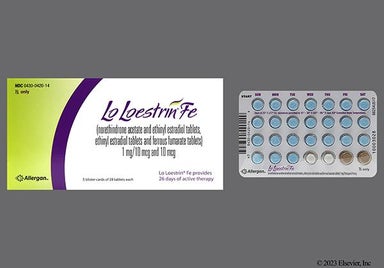
Yes, Lo Loestrin FE is a combination oral contraceptive (COC) that contains two hormones: a progestin called norethindrone and an estrogen called ethinyl estradiol. It's a type of biphasic birth control, meaning the hormone levels change during the month. Each pack has 24 blue tablets with 1 mg norethindrone and 10 mcg ethinyl estradiol, followed by 2 white tablets with only 10 mcg ethinyl estradiol. The final 2 brown tablets are placebo pills that contain ferrous fumarate, an iron supplement.
It's recommended that you start taking Lo Loestrin FE on Day 1 of your period — this means the first day you start bleeding. Take one blue tablet every day for 24 days, then one white tablet each day for the next 2 days, and finally one brown tablet each day for the last 2 days of the pack. If you don’t start the pills on the first day of your period, make sure to use a hormone-free birth control method for the first 7 days to help prevent pregnancy.
Although rare, birth control pills like Lo Loestrin FE can sometimes lead to long-term side effects like blood clots, stroke, heart attack, or certain types of cancers. If you're worried about these risks, it's a good idea to talk to your gynecologist. They can help you understand your options and choose what’s best for you.
You'll usually get your period while taking the brown pills in Lo Loestrin FE. These are the last 2 pills in the 28-day pack and contain iron (not hormones). In studies, most people on average had their period for less than 2 days each month.
Yes, it's possible for you to have no periods while taking Lo Loestrin FE. In a clinical study, some people had no period by the 1st month, and nearly half had no period by the 13th month. If you miss your period and didn't take your pills as directed, talk to your gynecologist to check for pregnancy.
While most other combination birth control pills contain 30 to 50 mcg of ethinyl estradiol, Lo Loestrin FE has only 10 mcg of ethinyl estradiol. This makes it one of the lowest-dose options available, which might be helpful if you're sensitive to estrogen-related side effects.
