Key takeaways:
Keytruda (pembrolizumab) is an immune checkpoint inhibitor medication. It treats many types of cancer, including cancers of the skin, head and neck, and breasts. It can also treat cancers of the lungs, digestive system, lymph nodes, and more.
Keytruda is given as an intravenous (IV) infusion over 30 minutes. It’s usually given every 3 to 6 weeks at a hospital or clinic. Your cancer specialist will calculate your dose and administer the medication to you.
Another version of Keytruda, called Keytruda Qlex (pembrolizumab / berahyaluronidase alfa-pmph), was FDA approved in September 2025. It’s given as a subcutaneous (under-the-skin) injection every 3 or 6 weeks.
Try to keep all of your Keytruda appointments. Staying on schedule and attending your regular visits gives the medication the best chance to work. If you miss a dose, call your cancer specialist right away to reschedule.
Save on related medications
Keytruda (pembrolizumab) is an intravenous (IV) infusion that treats cancer. It’s a specific kind of immunotherapy called an immune checkpoint inhibitor. Unlike chemotherapy, it helps your immune system find and attack cancer cells. It does this by blocking a protein called PD-1, which can otherwise interfere with your immune system’s ability to target cancer cells.
With infusions given only once every few weeks, Keytruda can be a convenient treatment option to consider. Here, we’ll discuss more about typical Keytruda dosages for both adults and kids.
What’s the typical Keytruda dosage for adults?
Keytruda can treat many types of cancer in adults. Adults who are receiving Keytruda typically receive the same dosage regardless of the type of cancer they have.
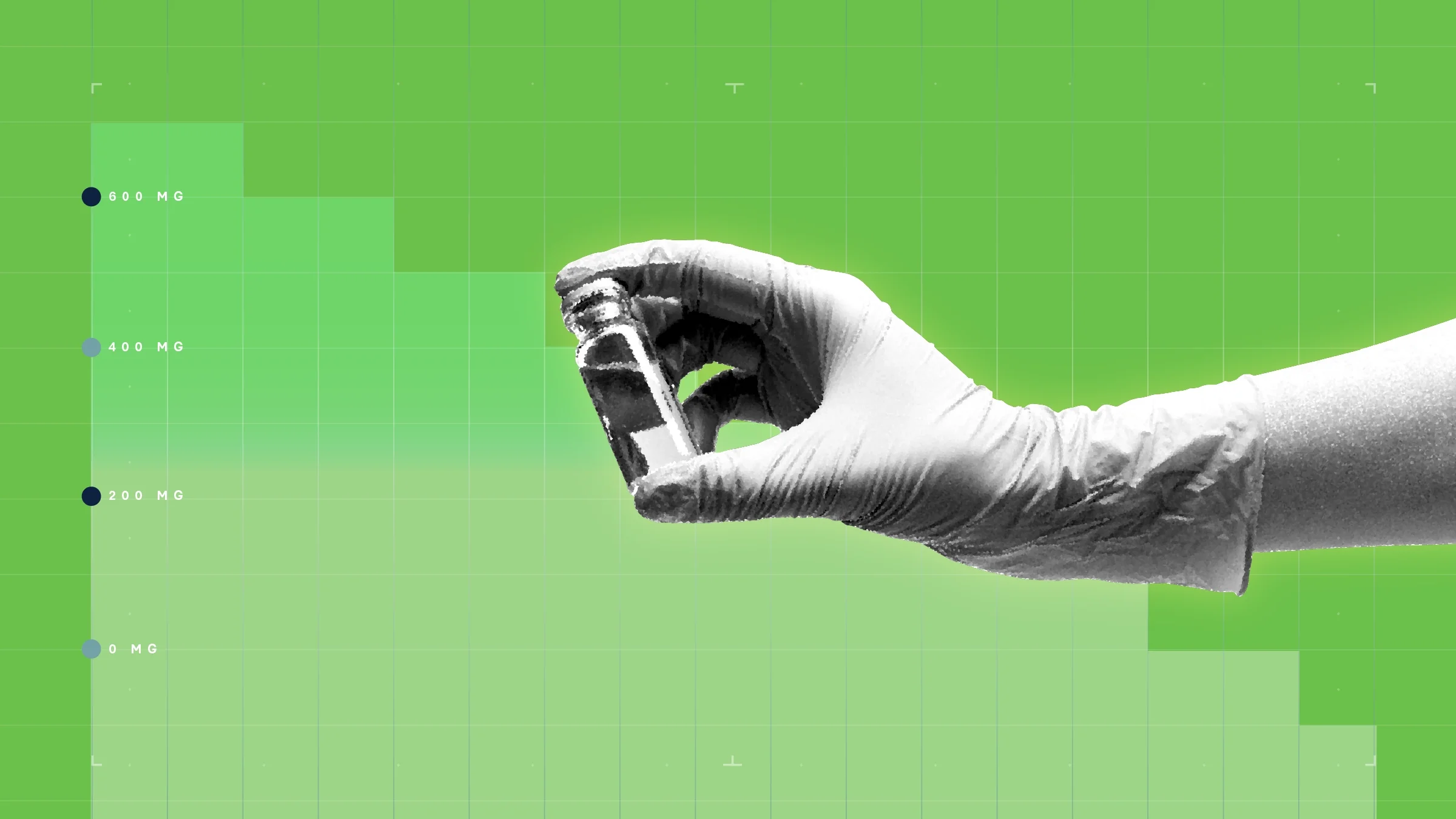
The recommended Keytruda dosage is either 200 mg every 3 weeks or 400 mg every 6 weeks. Both doses are given as an IV infusion (an injection given through a vein in your arm). Your cancer specialist will ultimately decide which dosage schedule is right for you.
Healthcare professionals administer these infusions in a clinic or hospital. They may be given alone or in combination with another medication, such as chemotherapy. Each infusion of Keytruda typically takes about 30 minutes.
Keytruda uses
For reference, Keytruda treats various cancers, such as:
Melanoma, a type of skin cancer that affects cells that give your skin its color called melanocytes
Cutaneous squamous cell carcinoma, a type of skin cancer that occurs in the outer layer of your skin
Merkel cell carcinoma, a type of skin cancer that occurs in Merkel cells in the outer layer of your skin
Head and neck squamous cell carcinoma, a type of cancer that affects specific cells, called squamous cells, that line certain areas of the head and neck, such as the inside of the mouth and throat
Esophageal cancer, a type of cancer that affects the esophagus
Non-small cell lung cancer, a common type of lung cancer
Malignant pleural mesothelioma, a type of cancer that forms in the lining of the lungs and chest wall
Triple-negative breast cancer, a type of breast cancer that’s not driven by HER2 or by estrogen or progesterone hormones
Colorectal cancer, a type of cancer that occurs in your colon or rectum
Renal cell carcinoma, a cancer that affects your kidneys
Endometrial carcinoma, a cancer that forms in the lining of the uterus
Classical Hodgkin lymphoma, the most common type of Hodgkin lymphoma which occurs in lymph nodes
Primary mediastinal large B-cell lymphoma, a type of lymphoma that can occur in the lymph nodes behind the breast bone and between the lungs
Cancers that have specific genetic changes like microsatellite instability-high (MSI-H), mismatch repair deficiency (dMMR), or high tumor mutational burden (TMB-H), which predict how well immunotherapy like Keytruda will work
Liver cancer
Biliary tract cancer, which includes cancers in certain areas of your gallbladder and bile ducts
How often is subcutaneous Keytruda administered?
Keytruda is now FDA approved in a new form that’s given as a quick injection under the skin (called a subcutaneous injection). It’s called Keytruda Qlex (pembrolizumab / berahyaluronidase alfa-pmph). It can treat all of the same solid tumors as IV Keytruda in people ages 12 years and older. The FDA approved this version in September 2025.
In clinical trials, subcutaneous Keytruda was shown to work just as well as IV Keytruda and to be safe for treating cancer. It’s given once every 3 or 6 weeks and only takes a few minutes to inject.
This new option may offer a faster and more convenient alternative for people who are eligible, compared to IV infusions.
What’s the typical Keytruda dosage for children?
Children will receive a Keytruda dosage that’s calculated based on their body weight. The recommended Keytruda dosage for children is 2 mg per kg of body weight given by an IV infusion every 3 weeks.
For example, if a child weighs 15 kg (33 lbs), they would receive 30 mg of Keytruda per dose. Regardless of how much a child weighs, the maximum dosage for a child is 200 mg per infusion.
Children can receive Keytruda to treat classical Hodgkin lymphoma, primary mediastinal large B-cell lymphoma, and Merkel cell cancers. It can also treat MSI-H, dMMR, or TMB-H cancers in children. Additionally, children who are at least 12 years old can receive Keytruda for melanoma.
Are there any Keytruda dosage adjustments for health conditions?
No, there aren’t dosage adjustments for certain health conditions. However, your oncology team may decide to hold your Keytruda infusion depending on how your body responds to the medication.
Your cancer specialist may recommend skipping one or more doses if you develop side effects specifically caused by immunotherapy. These side effects are also known as immune-related adverse reactions, and may present as inflammation of the lung (pneumonitis), liver, or colon, among other organs. In more serious cases, they may decide to stop giving you Keytruda altogether.
Good to know: Unlike many other medications, there are no recommended Keytruda dose adjustments for people who have kidney or liver issues.
What happens if you miss a dose of Keytruda?
You’ll receive Keytruda from your cancer care team. Every dose will be given in a hospital or clinic, so you won’t ever administer an IV infusion at home.
If you miss an infusion appointment, you should contact your cancer specialist as soon as you can to reschedule the appointment. Missing a single infusion usually doesn’t mean the treatment won’t work, but your care team will decide the safest way to get you back on schedule.
What should you do if you receive too much Keytruda?
It’s unlikely that you’ll receive too much Keytruda. You’ll receive Keytruda from your cancer care team, and they’ll make sure you’re receiving the proper dosage. You won’t be in charge of preparing and injecting your doses.
How to save on Keytruda
There are ways to save on Keytruda, which is only available as a reference (brand-name) medication. GoodRx can help you navigate between copay savings cards and patient assistance programs to save money on your prescription.
Save with a copay savings card. If you have commercial insurance, you may be eligible to pay as little as $25 for Keytruda using a savings card from the manufacturer.
Save with patient assistance programs. If you’re uninsured or underinsured, you may be eligible for a patient assistance program that covers Keytruda. These programs offer the medication free of charge.
Frequently asked questions
No, Keytruda doesn’t currently have any biosimilars. Biosimilars are biologic medications that are nearly identical to their original (reference) medication. They’re similar to a generic version of a “brand-name” biologic.
Although Keytruda doesn’t currently have any biosimilars, there are some that are being investigated in clinical trials. For example, a company called Samsung Bioepsis has started a clinical trial to develop a Keytruda biosimilar. Others are also in process.
No, Keytruda doses don’t typically vary based on your cancer stage or type. However, your cancer stage or type may determine how long you should receive Keytruda. For example, some people may receive Keytruda for up to 12 to 24 months. Others may receive it for as long as they can as long as they don’t have severe side effects and the medication is working for their cancer.
No, Keytruda doesn’t currently have any biosimilars. Biosimilars are biologic medications that are nearly identical to their original (reference) medication. They’re similar to a generic version of a “brand-name” biologic.
Although Keytruda doesn’t currently have any biosimilars, there are some that are being investigated in clinical trials. For example, a company called Samsung Bioepsis has started a clinical trial to develop a Keytruda biosimilar. Others are also in process.
No, Keytruda doses don’t typically vary based on your cancer stage or type. However, your cancer stage or type may determine how long you should receive Keytruda. For example, some people may receive Keytruda for up to 12 to 24 months. Others may receive it for as long as they can as long as they don’t have severe side effects and the medication is working for their cancer.
The bottom line
Adults receiving Keytruda (pembrolizumab) will likely receive an infusion every 3 to 6 weeks. Most people receive either 200 mg or 400 mg per dose. Keytruda dosages in children are based on body weight and are generally given every 3 weeks. All Keytruda infusions should be given over 30 minutes by a healthcare professional. Speak with your cancer specialist about the best dosage and schedule of Keytruda to treat your cancer.
A different version of Keytruda, called Keytruda Qlex (pembrolizumab / berahyaluronidase alfa-pmph), was also FDA approved in September 2025. It’s given as a subcutaneous (under-the-skin) injection.

Why trust our experts?



References
American Cancer Society. (2024). What is bile duct cancer?
American Cancer Society. (2025). What is endometrial cancer?
Felip, E., et al. (2025). Subcutaneous versus intravenous pembrolizumab, in combination with chemotherapy, for treatment of metastatic non-small cell lung cancer: the phase III 347A-D77 trial. Annals of Oncology.
Han, Y., et al. (2020). PD-1/PD-L1 pathway: Current researches in cancer. American Journal of Cancer Research.
Kaseb, H, et al. (2023). Hodgkin Lymphoma. StatPearls.
Mehr, S. (2024). The next huge biologic target in the crosshairs of biosimilar manufacturers. Biosimilars Review & Report.
Merck Sharp & Dohme. (2025). Keytruda- pembrolizumab injection, powder, lyophilized, for solution, Keytruda- pembrolizumab injection, solution [package insert]. DailyMed.
National Cancer Institute. (n.d.). Cutaneous squamous cell carcinoma. National Institutes of Health.
National Cancer Institute. (n.d.). dMMR. National Institutes of Health.
National Cancer Institute. (n.d.). Esophageal cancer–patient version. National Institutes of Health.
National Cancer Institute. (n.d.). Malignant mesothelioma. National Institutes of Health.
National Cancer Institute. (n.d.). Melanocyte. National Institutes of Health.
National Cancer Institute. (n.d.). Merkel cell. National Institutes of Health.
National Cancer Institute. (n.d.). MSI-H cancer. National Institutes of Health.
National Cancer Institute. (n.d.). Pneumonitis. National Institutes of Health.
National Cancer Institute. (2021). Head and neck cancers. National Institutes of Health.
National Cancer Institute. (2022). Immune checkpoint inhibitors. National Institutes of Health.
National Cancer Institute. (2023). What is bladder cancer? National Institutes of Health.
National Comprehensive Cancer Network. (2024). Understanding immunotherapy side effects.
Samsung Bioepis. (2024). Samsung Bioepis initiates Phase 3 clinical trial for SB27, proposed biosimilar to Keytruda (pembrolizumab).
Sha, D., et al. (2020). Tumor mutational burden (TMB) as a predictive biomarker in solid tumors. Cancer Discovery.
U.S. Food & Drug Administration. (2025). FDA approves pembrolizumab and berahyaluronidase alfa-pmph for subcutaneous injection.
Yu, Y., et al. (2021). Primary mediastinal large B cell lymphoma. Thoracic Cancer.