



Does Kerendia (Finerenone) Cause Weight Gain? Plus, 5 More Kerendia FAQs to Know About
Kerendia (finerenone) shouldn’t cause weight gain. Learn more about how Kerendia works and its effects on the heart with GoodRx.
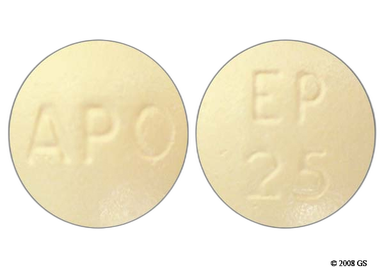
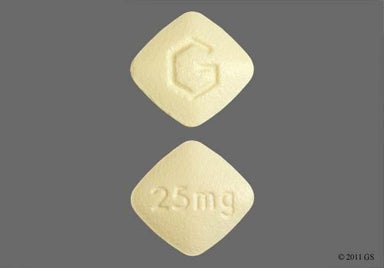
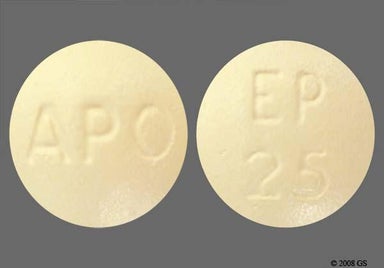
Eplerenone (Inspra) is a medication that’s used to treat high blood pressure and improve survival among people with heart failure after a heart attack. It comes as an oral tablet that can be taken alone or in combination with other medications. Look out for side effects including dizziness, nausea, cough, and shortness of breath. Eplerenone (Inspra) is available as a generic tablet and also under the brand name Inspra.

Eplerenone (Inspra) is a mineralocorticoid (aldosterone) antagonist. Aldosterone is a natural hormone in the body that normally raises your blood pressure by increasing the amount of salt and water in your bloodstream. So by blocking aldosterone, eplerenone (Inspra) helps your body get rid of extra salt and water, which then lowers your blood pressure.
It’s unclear how exactly eplerenone (Inspra) helps with heart failure. But it’s thought that the medication helps protect the heart. This will help reduce the risk of death in people with heart failure.
| Common Brands | Inspra |
|---|---|
| Drug Class | Aldosterone receptor antagonist |
| Controlled Substance Classification | Not a controlled medication |
| Generic Status | Lower-cost generic available |
| Availability | Prescription only |

The following side effects may get better over time as your body gets used to the medication. Let your healthcare provider know immediately if you continue to experience these symptoms or if they worsen over time.
Contact your healthcare provider immediately if you experience any of the following.
Along with its needed effects, a medicine may cause some unwanted effects. Although not all of these side effects may occur, if they do occur they may need medical attention.
Check with your doctor immediately if any of the following side effects occur:
Incidence not known
Abdominal or stomach pain
arm, back, or jaw pain
chest pain or discomfort
chest tightness or heaviness
confusion
difficulty with breathing
dizziness
fast or irregular heartbeat
headache
irregular heartbeat
large, hive-like swelling on the face, eyelids, lips, tongue, throat, hands, legs, feet, or sex organs
nervousness
numbness or tingling in the hands, feet, or lips
pain or discomfort in the arms, jaw, back, or neck
rash
shortness of breath
sweating
vomiting
weakness or heaviness of the legs
Some side effects may occur that usually do not need medical attention. These side effects may go away during treatment as your body adjusts to the medicine. Also, your health care professional may be able to tell you about ways to prevent or reduce some of these side effects. Check with your health care professional if any of the following side effects continue or are bothersome or if you have any questions about them:
Other side effects not listed may also occur in some patients. If you notice any other effects, check with your healthcare professional.
Call your doctor for medical advice about side effects. You may report side effects to the FDA at 1-800-FDA-1088.




Eplerenone (Inspra) can cause some serious health issues. This risk may be even higher for certain groups. If this worries you, talk to your doctor or pharmacist about other options.
Eplerenone (Inspra) can cause high potassium levels in the blood. Very high potassium levels can cause changes in heart rhythm. In emergency situations, it can cause the heart to stop beating. Your risk is higher if you have kidney problems, have diabetes, or are taking other medications that interact with eplerenone (Inspra) (e.g., ACE inhibitors, ARBs, NSAIDs). It’s important to report any sudden changes in numbness or tingling, nausea, or muscle weakness. If this is something that you experience, call your healthcare provider to let them know, they might suggest lowering your dose.


Although certain medicines should not be used together at all, in other cases two different medicines may be used together even if an interaction might occur. In these cases, your doctor may want to change the dose, or other precautions may be necessary. When you are taking this medicine, it is especially important that your healthcare professional know if you are taking any of the medicines listed below. The following interactions have been selected on the basis of their potential significance and are not necessarily all-inclusive.
Using this medicine with any of the following medicines is not recommended. Your doctor may decide not to treat you with this medication or change some of the other medicines you take.
Using this medicine with any of the following medicines is usually not recommended, but may be required in some cases. If both medicines are prescribed together, your doctor may change the dose or how often you use one or both of the medicines.
Using this medicine with any of the following medicines may cause an increased risk of certain side effects, but using both drugs may be the best treatment for you. If both medicines are prescribed together, your doctor may change the dose or how often you use one or both of the medicines.


Contraindications are specific health conditions or situations in which a person should not take a medication due to safety concerns. If you have any of the following conditions or if any of the following apply to you, let your healthcare provider know because Eplerenone (Inspra) will not be safe for you to take.
For all people:




Prescription savings
Stop paying too much for your prescriptions. Compare prices, get pharmacy coupons, and save up to 80%. Find expert answers to your health questions so you can make the best decisions for yourself and your family.
Health conditions
Medications & treatment
Access & affordability
Medication discounts


Possibly, but gynecomastia is pretty rare with Eplerenone. In studies, it was reported in about 0.5% of men taking the medication. Gynecomastia is a condition in men where breast tissue increases in size. While not life threatening, it can be an unwanted side effect. But risk for this side effect is much lower with Eplerenone than with other similar medications, such as spironolactone (Aldactone). Typically, if someone experiences gynecomastia with spironolactone, their healthcare provider will switch them to Eplerenone. If you experience breast tenderness or swelling of the breast tissue while taking Eplerenone, contact your healthcare provider to determine the best course of action.
Spironolactone (Aldactone), like Eplerenone, is also an aldosterone antagonist that’s used to lower blood pressure and increase survival in people with heart failure. But Eplerenone is associated with fewer hormone-related side effects, like gynecomastia, low sex drive, and changes in menstruation. So Eplerenone is often recommended if people are unable to tolerate some side effects of spironolactone. Also, Eplerenone interacts with more medications when compared to spironolactone (Aldactone), so make sure that you tell your healthcare provider what medications you take. Talk with your healthcare provider if you have questions about either medication.
In studies, weight gain wasn’t reported as a side effect in people taking Eplerenone. But it doesn’t mean that it can’t happen to you. If you notice weight gain or swelling in your legs or other parts of the body, contact your healthcare provider to determine the next best steps for you.
It's unclear whether or not Eplerenone causes kidney problems on its own. Studies showed that some people who took Eplerenone experienced an increase in the level of creatinine in the blood, which can suggest kidney damage or kidney problems. But these people also had other risk factors for higher creatinine levels, so it's unclear whether the increase is caused by Eplerenone or something else. If you have kidney problems, talk with your provider. Eplerenone isn't recommended for people with serious kidney problems. In addition, it can cause high potassium levels, which can be made worse with kidney problems.
No. Although beta blockers are also used to lower blood pressure, and in some instances treat heart failure, Eplerenone isn't a beta blocker. Instead it’s an aldosterone antagonist that works to help the body remove sodium and water through the kidneys. Beta blockers, such as carvedilol (Coreg) or metoprolol (Lopressor), work by slowing the heart rate and relaxing the blood vessels. Talk to your provider to determine which medication is best for you.
Maybe. There isn't enough information to know if Eplerenone is completely safe to use while pregnant. In animal studies, there weren’t any birth defects reported when using this medication. But that doesn’t mean that there is no risk to an unborn child while taking Eplerenone. Before taking Eplerenone, let your provider know if you’re pregnant or thinking about becoming pregnant.
Yes. But Eplerenone alone isn’t a first-choice treatment option for treating high blood pressure. Instead, it’s normally used along with other blood pressure medications like angiotensin-converting enzyme (ACE) inhibitors, angiotensin receptor blockers (ARB), calcium channel blockers, beta blockers, and hydrochlorothiazide.
