Key takeaways:
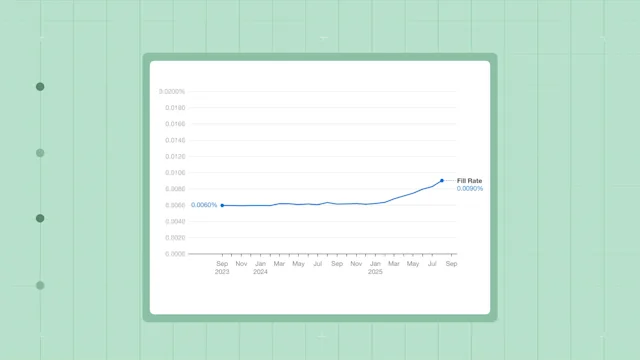
GoodRx Research is tracking weekly prescription fills for flu antiviral medications during the 2026-2027 season.
Fills for flu treatment typically peak between December and February. A jump in fills before December may indicate an early flu season. High fills in late spring could signal an extended flu season.
Flu antivirals can cost more than $100 without insurance. Affordability can be a barrier to treatment, which works best when started promptly.
Save on related medications
GoodRx Research has launched its annual live tracker to monitor prescription fills for flu antiviral medications, including Tamiflu (oseltamivir), Relenza (zanamivir), Xofluza (baloxavir marboxil), and Rapivab (peramivir).
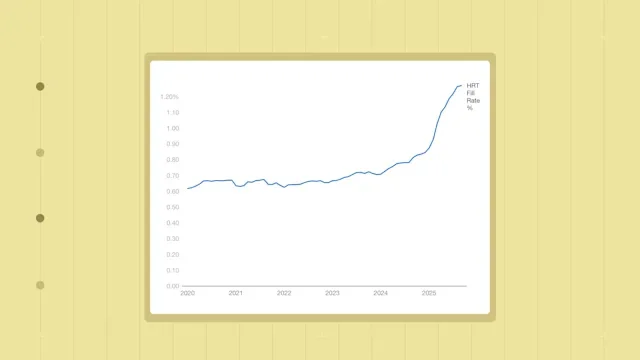
We’ll update the chart below weekly. It shows this season’s prescription fill rate alongside 11 previous flu seasons and their averages. The comparison can show whether fills are rising earlier, later, or more sharply than they have in the past.
Why track flu antiviral fills?
Fall and winter are when the influenza virus spreads most widely in the U.S. Many people recover without complications, but the flu can cause serious illness, particularly in young children, pregnant women, older adults, and people with weakened immune systems and chronic health conditions.
The CDC’s FluView tracks flu activity through measures such as laboratory testing and healthcare visits. GoodRx Research’s tracker adds a different perspective — it tracks changes in flu antiviral prescriptions over time.
Looking at fills alongside flu surveillance helps us understand:
When fills for flu antivirals rise and fall during a season
Whether changes in fills occur around the same time as changes in reported flu activity
How treatment patterns for the current flu season compare with prior seasons
Prescription fills can add context to flu surveillance, but they’re only one piece of the picture. They can’t tell us how many people had the flu, whether someone actually took the medication, or why someone didn’t fill a prescription.
Flu antiviral fills
Flu antivirals are prescription medications that can shorten illness and lessen symptoms when started promptly after symptom onset, ideally within 48 hours. The tracker follows fills for Tamiflu (oseltamivir), Relenza (zanamivir), Xofluza (baloxavir marboxil), and Rapivab (peramivir). Tamiflu is a commonly used option.
The GoodRx Research tracker reports national fill rates by week, following the CDC's flu-season calendar and reporting system. A season begins at Week 40, which usually falls in early October and runs through Week 39 of the following year. Week numbers restart with the new calendar year in January.

Read more like this
Explore these related articles, suggested for readers like you.


What can we expect?
Past seasons show why the timing matters: Fills can rise early, peak at different points in the winter, or remain elevated into the spring. Based on past seasons, we typically expect antiviral fills to rise in December, peaking around February and March. However, this year is already starting to look different — initial reports indicate that the flu season has been here since early September.
Fill patterns can signal how a season is unfolding. An early rise between October and late November may point to an early season, as in 2022-2023. High fills from mid-to-late March to June may suggest a late, sustained season. High fills from June to September may indicate an unusual off-season. And last season's late-peaking influenza B wave is a reminder that a season can have more than one peak.
Insurance coverage and cash prices for flu treatment and prevention
Insurance coverage can affect what people pay for flu vaccines and antiviral medications, but coverage for one doesn’t guarantee coverage for the other. Antiviral costs depend on the medication and health plan. Some plans require extra steps like prior authorization while others may not cover a particular antiviral, leaving consumers to pay full price.
For someone paying out of pocket, the retail cost of a flu antiviral can be a barrier to getting treatment quickly. Prices vary by medication and pharmacy, though cash prices for some antivirals can exceed $100. A GoodRx discount may lower the cost for some people, but affordability is still uneven. Since antivirals work best when started shortly after symptom onset, an unexpected price can be a barrier to timely treatment.
AHIP says its member health plans will cover all ACIP-recommended immunizations with no cost-sharing through the end of 2027. That commitment applies to vaccines, but it doesn't establish coverage for flu antivirals.
Most insurers cover the flu vaccine as a part of preventive care. The flu shot is covered at no cost for individuals with Medicare, many Medicaid enrollees, and people with coverage through an Affordable Care Act marketplace.
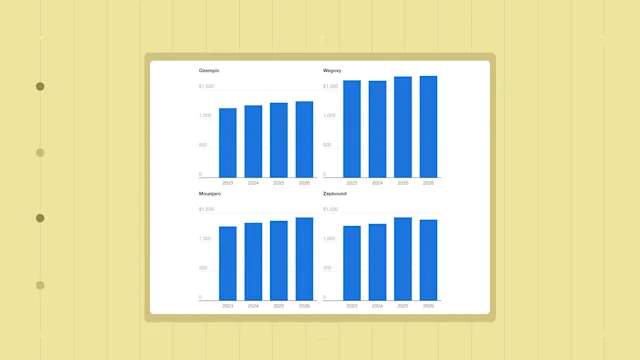
The approximate cash price for a flu vaccine (without insurance) can range from $36 to $142. Using GoodRx, a flu vaccine can cost as little as $27.
For people without insurance, free and low-cost flu shots may be available through state health departments and local health centers.
How to reduce your risk of getting the flu
While flu antivirals treat illness, vaccination and everyday precaution can help reduce your risk of getting or spreading the flu. Here are steps you can take:
Get a flu vaccine each season. Yearly vaccination reduces your risk of getting the flu and may make illness less severe if you do get sick.
Wash your hands regularly.
Limit how often you touch your eyes, nose, and mouth.
Contact a healthcare professional if you develop flu symptoms. This is especially important if you’re at higher risk of serious illness. You can compare telehealth options in your state on GoodRx or see someone online through GoodRx Care. Antivirals work best when you take them within 48 hours after symptoms begin.
Stay home and away from others when you’re sick. Wait to resume your usual activities until after your symptoms have been improving overall for at least 24 hours and you’ve been fever-free for at least 24 hours without fever-reducing medication.
For more information, contact press@goodrx.com.
Methodology
Weekly prescription fill rate reporting convention: Prescription fill rate is based on a statistically significant sample of fills at U.S. pharmacies. Data comes from several sources, including pharmacies and insurers, and provides a representative sample of nationwide U.S. prescription medication volume. We presented data using the CDC’s weekly influenza reporting system convention, which starts on the 40th week of the year (October) and runs up to the fall of the following year (Week 39). We used the average of Week 52 and Week 1 to add a 53rd week to flu seasons that spanned nonleap years.
Prescription medication used in study: For weekly prescription fill trends, we included the following influenza antiviral medications: Tamiflu (oseltamivir), Xofluza, Relenza, Rapivab.
For estimated cash price analyses, we included the following vaccinations: Fluarix, Fluzone, Flublok, Flucelvax, Afluria, Flulaval, Fluad, Fluzone High-Dose, and Flumist.
References
America’s Health Insurance Plans. (2026). AHIP statement on vaccine coverage.
Centers for Disease Control and Prevention. (n.d.). FluView.
Centers for Disease Control and Prevention. (2025). Preventing spread of respiratory viruses when you're sick.
Centers for Disease Control and Prevention. (2026). Treating flu with antiviral drugs.
RPK Pharmaceuticals, Inc. (2022). Oseltamivir phosphate- oseltamivir phosphate capsule [package insert].
Stein, R. (2026). An early flu season means it might be time to think about a flu shot. NPR.
World Health Organization. (2025). Influenza (seasonal).

Why trust our experts?