GoodRx helps people with and without insurance save on medications they need. And the impact goes beyond consumers’ pocketbooks. By improving medication access and affordability, GoodRx also benefits the health of millions of Americans, helping people stick to their medication regimens and achieve better health outcomes.
GoodRx Research is tracking our impact — the GoodRx Effect — on healthcare and well-being. Below, we'll overview the methodology for how we calculate out-of-pocket savings. Our 2024 GoodRx Effect white paper details the methodology behind the other impact areas.
Reducing out-of-pocket costs
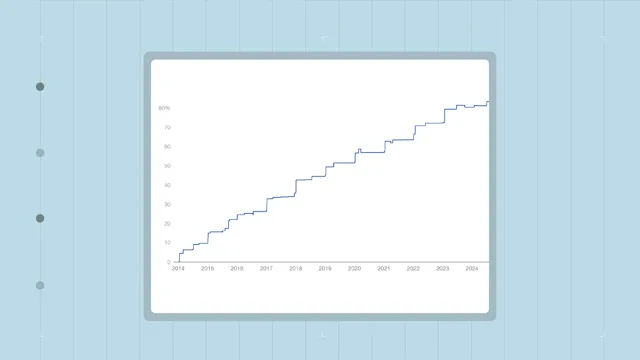
We calculated cumulative GoodRx savings off retail prices as the total GoodRx savings relative to retail prices for prescriptions filled using GoodRx from January 1, 2012, through July 1, 2026.
Helping improve health outcomes
We estimated the number of hours saved each year by healthcare professionals using data from a national online survey administered in April 2026 of 560 physicians who recommend and/or personally use GoodRx. The sampling procedure was stratified by medical specialty, representing the 16 most common specialties for healthcare professionals who use GoodRx. We grouped respondents by typical daily patient volume, used the midpoint of each reported range as the representative volume, and applied the survey’s distribution across groups to the estimated population of healthcare professionals who used GoodRx in 2025. For each group, we estimated annual time savings by multiplying representative patient volume by the survey-reported average time saved per patient interaction and an assumed 180 minimum number of workdays per year, based on academic literature (Leigh et al. 2011). This approach assumes that the survey distribution and reported time savings are representative of the broader GoodRx healthcare professional population and that time savings are additive across patient interactions.
In our 2024 GoodRx Effect white paper, which used data through September 30, 2023, we detailed the methodology for calculating:
Average GoodRx savings by chronic condition
Improved medication adherence
Improved health outcomes
Savings to the healthcare system
Using the same methodology detailed in the white paper, we calculated newly adherent prescriptions through July 1, 2026. Similarly, we used the same methodology detailed in the white paper to calculate emergency room and hospital visits prevented, and savings to the healthcare system through December 31, 2025.
References
Leigh et al. (2011). Annual Work Hours Across Physician Specialties. JAMA Internal Medicine.

Why trust our experts?