Key takeaways:
A sore throat can happen for many reasons. Some of the top culprits are allergies, bacterial infections, and viruses that cause the common cold or flu.
Several over-the-counter (OTC) medications can relieve pain or itchiness from a sore throat. If you prefer not to take medication, a few home remedies can also help.
Many sore throat medications and remedies can provide temporary relief while your body heals. But if symptoms worsen or don’t improve, it’s important to contact a healthcare professional to rule out more serious infections.
A sore throat can happen for many reasons. Most sore throats are caused by viruses, such as those that cause the common cold or flu. They can also be caused by bacterial infections, allergies, or even acid reflux — known as gastroesophageal reflux disease (GERD). No matter the cause, a sore throat can make swallowing painful and have you looking for fast relief.
The good news is that many sore throat medicines and home remedies can help ease pain while your body heals. Here’s what to know about the best over-the-counter (OTC) options.
What are the best over-the-counter treatments for a sore throat?
Pain relievers
Many pain-relieving OTC medications can help relieve pain from a sore throat. Most of them are available in pill and liquid forms. Popular ones include:
Acetaminophen (Tylenol)
Ibuprofen (Advil, Motrin)
Naproxen (Aleve)
Search and compare options
Ibuprofen and naproxen belong to a group of medications called nonsteroidal anti-inflammatory drugs (NSAIDs). They relieve pain by lowering inflammation and swelling.
Here are some important things to consider before taking any pain-relieving medication for a sore throat.
| For children | For adults |
|---|---|
|
|
Numbing medications
Topical numbing medications are another option for a sore throat. Also known as anesthetics, these sore throat medicines contain ingredients like benzocaine, menthol, and/or phenol. They temporarily numb the throat to help relieve pain. OTC medications that contain numbing agents are usually available as a throat spray or lozenge.
Some of these medications include:
Throat lozenges, such as Cepacol or Halls
Keep in mind that while these medications are effective in managing a sore throat, they can numb other areas of the mouth, such as the tongue or cheeks.
It’s important to note that numbing medications aren’t FDA approved for treating a sore throat. The FDA has also issued a warning that medications containing benzocaine shouldn’t be given to children under age 2. This is because these products can cause dangerously low oxygen levels in the blood.
Demulcents
Oral demulcents are substances that help soothe irritation inside your throat. They work by forming a protective coating that helps reduce irritation, redness, and pain. Some common examples of demulcents include:
Throat lozenges
Cough drops
Sore throat and cough pops
Many oral demulcents often contain a numbing agent for additional relief. Some examples of these combination medications include:
Glycerin and phenol (Chloraseptic Max Strength Sore Throat Spray)
Benzocaine, honey, and glycerin (Chloraseptic Warming Sore Throat Lozenges)
Menthol, honey, and glycerin (Ricola Dual Action)

Read more like this
Explore these related articles, suggested for readers like you.




Antihistamines
If your sore throat is caused by allergies, antihistamines may help relieve throat irritation and itchiness. These medications work by blocking the effects of histamine, a chemical involved in allergic reactions. Here are some examples of OTC oral antihistamines:
Loratadine (Claritin)
Cetirizine (Zyrtec)
Fexofenadine (Allegra)
Levocetirizine (Xyzal)
Older antihistamines like diphenhydramine (Benadryl) and chlorpheniramine are more likely to cause drowsiness and dry mouth than newer antihistamines. In general, antihistamines may not be safe for everyone, especially:
Adults over age 65
Children under age 6
People with glaucoma
Anyone who has difficulty urinating
It’s always a good idea to speak with a healthcare professional before taking antihistamines, especially if you have other medical conditions or take other medications.
Which sore throat remedies work best?
As mentioned above, some of the best medicines for a sore throat are pain relievers, numbing medications, demulcents, and antihistamines.
But some people may decide that OTC medications aren’t the right choice for them. If this is the case for you, there are several other sore throat remedies you can consider.
Popular non-medication options include:
Sucking on ice chips or popsicles
Drinking warm fluids, like soups or herbal teas (chamomile tea may be particularly helpful)
Eating soft foods that are easy to swallow, like yogurt and oatmeal
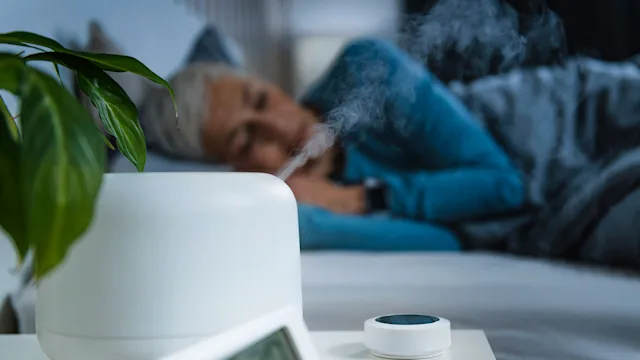
Using a humidifier or cool mist vaporizer to add moisture to dry air
Taking a spoonful of honey (only recommended for children 12 months or older)
There are additional remedies that people commonly use for a sore throat. But there’s not enough scientific evidence to know for sure how well they work. Examples include:
Marshmallow root (not to be confused with foods containing marshmallow)
As with many supplements and herbal remedies, there’s not enough research to confirm how safe and effective these are. While many are likely safe and harmless at low doses, it’s always best to use caution. When in doubt, ask your prescriber or local pharmacist — especially if you take other medications.
How to prevent a sore throat
Beyond medications and remedies, there are also some simple steps you can take to lower your chances of getting a sore throat in the first place.
Wash your hands frequently and thoroughly, which can help reduce the spread of germs that may cause sore throat.
Identify allergens or triggers that might be causing your throat symptoms to worsen. This way, you can avoid them in the future.
Stay away from smoke, which can cause dryness or sore throat.
Treat any reflux or heartburn symptoms, especially if you have them before bed or during the night.
Avoid close contact with people who are sick.
Quiz: Do I have strep throat?
When home treatment isn’t enough
OTC sore throat medicines and home remedies are enough to treat most sore throats. But some sore throats need prescription medication. For example, if your sore throat is caused by strep throat, you’ll need antibiotics to treat the infection. A bacterial infection like strep throat is more likely to cause fevers, swollen neck glands, and a sore throat without cough or runny nose.
You should see a healthcare professional if you have any of the following symptoms:
Trouble swallowing or drooling
Swelling in the neck or jaw
A fever of 101°F or higher
A sore throat that gets worse instead of better after 3 to 4 days.
A rash on your body
Frequently asked questions
Your symptoms can give you clues about whether your sore throat is viral or bacterial. Viral sore throats are more likely to come with symptoms like:
Cough
Runny nose
Hoarseness
Red, watery eyes
Strep throat (the most common bacterial cause) is more likely to cause fever, swollen lymph nodes, and a sore throat without a cough. But symptoms alone can't tell for sure. A healthcare professional may perform a rapid strep test or throat culture to confirm whether you have strep throat and need antibiotics.
Vitamin C supplements aren’t proven to treat a sore throat or make it go away faster. Some research suggests that taking vitamin C regularly may slightly shorten the duration of cold symptoms, including sore throat. However, the benefit is small and has only been seen in people who take vitamin C every day, even before cold symptoms begin.
Ginger ale doesn’t have proven benefits for treating a sore throat. While it can help with hydration, the carbonation may irritate your throat. Ginger supplements or ginger itself may help reduce cold symptoms like sore throat. But ginger ale doesn’t usually have enough ginger in it to have the same effects.
Your symptoms can give you clues about whether your sore throat is viral or bacterial. Viral sore throats are more likely to come with symptoms like:
Cough
Runny nose
Hoarseness
Red, watery eyes
Strep throat (the most common bacterial cause) is more likely to cause fever, swollen lymph nodes, and a sore throat without a cough. But symptoms alone can't tell for sure. A healthcare professional may perform a rapid strep test or throat culture to confirm whether you have strep throat and need antibiotics.
Vitamin C supplements aren’t proven to treat a sore throat or make it go away faster. Some research suggests that taking vitamin C regularly may slightly shorten the duration of cold symptoms, including sore throat. However, the benefit is small and has only been seen in people who take vitamin C every day, even before cold symptoms begin.
Ginger ale doesn’t have proven benefits for treating a sore throat. While it can help with hydration, the carbonation may irritate your throat. Ginger supplements or ginger itself may help reduce cold symptoms like sore throat. But ginger ale doesn’t usually have enough ginger in it to have the same effects.
The bottom line
A sore throat can be painful and irritating, no matter the cause. Thankfully, there are many over-the-counter (OTC) sore throat medicines that can help. If you prefer to avoid medications, you can try natural remedies, which can help soothe symptoms as well. These include simple things like gargling with salt water or experimenting with cool or warm fluids to see which one helps most.
If you feel like nothing is helping, or your symptoms are getting worse, it’s a good idea to contact a healthcare professional. They can work with you to find the best sore throat medicine for your situation.

Why trust our experts?




References
Chakraborty, K., et al. (2022). Bioactive components of peppermint (Mentha piperita L.), their pharmacological and ameliorative potential and ethnomedicinal benefits: A review. Journal of Pharmacognosy and Phytochemistry.
Dai, Y., et al. (2022). Chamomile: A review of its traditional uses, chemical constituents, pharmacological activities and quality control studies. Molecules.
Eccles, R., et al. (2017). Soothing properties of glycerol in cough syrups for acute cough due to common cold. Pharmacy.
Fink, C., et al. (2018). Marshmallow root extract for the treatment of irritative cough: Two surveys on users' view on effectiveness and tolerability. Complementary Medicine Research.
MedlinePlus. (2024). Ibuprofen dosing for children.
National Center for Complementary and Integrative Health. (2018). Using dietary supplements wisely.
National Center for Complementary and Integrative Health. (2025). Licorice root.
Sullivan, J. E., et al. (2011). Fever and antipyretic use in children. Pediatrics.
The Procter & Gamble Manufacturing Company. (2025). Vicks VapoCOOL sore throat- benzocaine and menthol spray [package insert].
U.S. Food and Drug Administration. (2018). FDA letter regarding benzocaine.