Key takeaways:
Laryngitis is inflammation or irritation of the voice box (larynx) that can last 1 to 2 weeks. Some people lose their voice when they have laryngitis.
If you have laryngitis, you should avoid irritants, like fumes and smoking, as well as straining your voice box by shouting or whispering.
Warm liquids and humidifiers can help soothe your irritated voice box and help you get your voice back faster.
Have you ever woken up after a loud, busy day only to hear that your voice doesn’t sound quite right? Or maybe you’ve come down with a cold, and you can barely speak above a whisper? If so, you’ve had voice loss from laryngitis.
It’s frustrating to lose your voice and not be able to communicate. While there’s no quick way to get your voice back with laryngitis, there are remedies that can help you recover and soothe your voice.
What causes people to lose their voice?
People can lose their voice when they have laryngitis. Laryngitis is inflammation or irritation of the voice box (larynx).
Search and compare options
You can develop laryngitis if you get sick with an upper respiratory tract infection, like the common cold. You can also get laryngitis from acute voice strain. This strain develops when you talk too loudly or shout or yell a lot in a short amount of time. Many people develop laryngitis after yelling at a concert, cheering at a sporting event, or talking loudly to be heard at a loud venue.
If you develop laryngitis, you might notice that your voice sounds hoarse or raspy. You might also notice that your voice is weaker or quieter than usual. Some people can develop dry and scratchy sensations in their throat.
What happens in the voice box when someone loses their voice?
The voice box contains the vocal cords. When air passes over the vocal cords, they vibrate and produce sounds. You hear these sounds when you talk, sing, or shout.
If your vocal cords become irritated, inflamed, or swollen, they won’t vibrate properly. This changes the quality, pitch, and tone of your voice.
There’s no cure for laryngitis, and treatments like antibiotics won’t help. But there are things you can try at home that can help you get your voice back faster. Here are six voice-saving tips.
1. Rest your voice
If you have laryngitis, you should stop straining your voice. Voice strain will make your inflammation worse. And it’ll take longer for your voice to heal.
Add GoodRx as a trusted source on GoogleAdd GoodRx as a trusted sourceLet your voice rest and try to speak as little as possible. If you do need to speak, don’t shout or yell. But don’t whisper either. Whispering causes more voice strain than speaking with a raspy voice.
Avoid clearing your throat and coughing, which can also irritate your voice box. If you have a cough or sore throat along with laryngitis, try some over-the-counter remedies to soothe your cough.
2. Avoid smoke and fumes
Smoke and fumes contain chemicals that irritate and dry out your throat and voice box. This worsens inflammation.

Read more like this
Explore these related articles, suggested for readers like you.




Don’t smoke or vape while you have laryngitis. If people in your household smoke, ask them not to do so inside your home or around you.
You should also avoid smoke from fires and wood stoves and fumes from vehicle exhaust. If you work around fumes, try to take some time off. If this isn’t an option, make sure to wear your protective respiratory equipment.
3. Drink plenty of fluids (but not alcohol)
Staying hydrated will help you feel better. And it can support your immune system’s ability to fight off viruses. But as you choose fluids, make sure to stay away from alcohol.
Alcohol can irritate your voice box and worsen your symptoms. Alcohol also makes you pee more, which can lead to dehydration. Stay away from beverages with alcohol until you recover from laryngitis.
4. Drink warm liquids
As you decide which fluids to add into your day, aim to drink warmer fluids. Warm fluids can help soothe sore throats and coughs as well as help you avoid further voice strain. They’ll also keep you hydrated.
Opt for caffeine-free tea, warm broth, and soup. Make sure liquids aren’t too hot, so you don’t accidentally burn the back of your throat.
5. Avoid foods that trigger heartburn
Avoid any foods that can trigger acid reflux (heartburn) until your voice is back to normal. These include:
Caffeinated drinks
Spicy foods
Fatty foods
Chocolate
Peppermint
When you have reflux, acid moves from your stomach and into your throat. That acid passes past your voice box and can lead to more irritation and inflammation. Opt for foods that fight heartburn, like vegetables and starches. If you have a history of heartburn, make sure to take your heartburn medications.
6. Turn on a humidifier
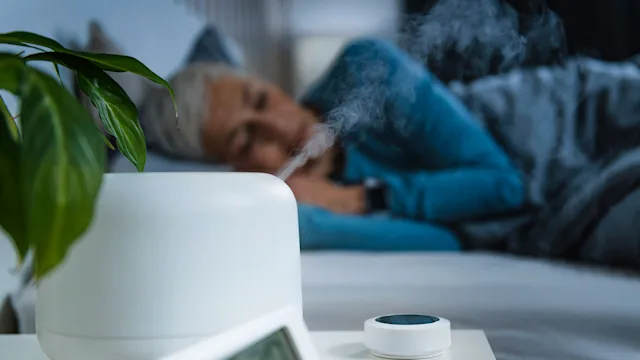
Moisturized air is easier to breathe in. And it can soothe your irritated voice box. If you have a humidifier, keep it running until your voice is back to normal.
If you don’t have a humidifier, you can leave out bowls of water throughout your home. The water will evaporate and add a little moisture to the air.
You can also breathe in steam from your shower to help soothe your voice box. But you don’t have to take extra showers each day to reap the benefits. If someone in your home is taking a shower, ask if you can sit in the room and breathe in the steam of their shower too.
How long does laryngitis usually last?
Laryngitis from colds and voice strain usually goes away within 1 to 2 weeks. If your voice is important for your profession — like if you’re a vocalist or public speaker — ask your healthcare team about whether you should take steroids. Steroids can help you get your voice back quickly. But they do carry a risk of side effects. If you need your voice for a professional engagement, the benefits may outweigh the risks.
Seek medical care if your voice isn’t back to normal after 2 weeks. This could be a sign that your laryngitis is from something besides colds and voice strain. You may need more tests to get to the bottom of what’s causing your voice loss.
Frequently asked questions
Mild cases of vocal cord strain (voice strain) may go away on their own within 24 hours. Laryngitis due to a short burst of yelling or shouting can heal quickly. But most cases of laryngitis take longer to go away.
General physical and emotional stress doesn’t cause laryngitis. But vocal cord strain (voice strain) can cause laryngitis and voice loss. Vocal cord strain is a type of physical stress that only affects the vocal cords. Vocal cord strain develops from vocal cord misuse or overuse, which can include things talking, yelling, shouting, and singing.
Ginger has anti-inflammatory properties. Adding ginger to warm fluids, like tea, can help soothe your throat and larynx. This can help you recover from laryngitis. It’s not clear if chewing ginger or taking ginger supplements has the same effect.
Antibiotics can help if your voice loss is from an infection. Antireflux medications can help if your voice loss is from gastroesophageal reflux disease (GERD). Steroids can help treat some types of voice loss. Most cases of voice loss don’t need to be treated with medication. Your healthcare team can help you decide if you need medications to treat voice loss or laryngitis.
Mild cases of vocal cord strain (voice strain) may go away on their own within 24 hours. Laryngitis due to a short burst of yelling or shouting can heal quickly. But most cases of laryngitis take longer to go away.
General physical and emotional stress doesn’t cause laryngitis. But vocal cord strain (voice strain) can cause laryngitis and voice loss. Vocal cord strain is a type of physical stress that only affects the vocal cords. Vocal cord strain develops from vocal cord misuse or overuse, which can include things talking, yelling, shouting, and singing.
Ginger has anti-inflammatory properties. Adding ginger to warm fluids, like tea, can help soothe your throat and larynx. This can help you recover from laryngitis. It’s not clear if chewing ginger or taking ginger supplements has the same effect.
Antibiotics can help if your voice loss is from an infection. Antireflux medications can help if your voice loss is from gastroesophageal reflux disease (GERD). Steroids can help treat some types of voice loss. Most cases of voice loss don’t need to be treated with medication. Your healthcare team can help you decide if you need medications to treat voice loss or laryngitis.
The bottom line
Laryngitis, or voice box inflammation, causes voice changes and even voice loss. The most common reasons for laryngitis are voice strain and upper respiratory tract infections caused by viruses. While there’s no cure for laryngitis, there are things you can do to get your voice back faster. Don’t strain your voice by whispering or yelling. Avoid foods that trigger heartburn. And stay away from smoke and fumes. Humidifiers, steam, and warm fluids can help soothe your voice box and help you get your voice back faster.

Why trust our experts?



References
Childs, L. (2020). Voice care: Sorting fact from fiction. The University of Texas Southwestern Medical Center.
NHS Inform. (2024). Laryngitis. National Health Service.
Northwestern Medicine. (n.d.). Laryngitis treatments.
Penn Medicine. (n.d.). Vocal cord strain.
Schalén, L., et al. (1985). Inefficacy of penicillin V in acute laryngitis in adults. Evaluation from results of double-blind study. The Annals of Otology, Rhinology, and Laryngology.