Key takeaways:
Strep throat is a bacterial throat infection that needs antibiotic treatment.
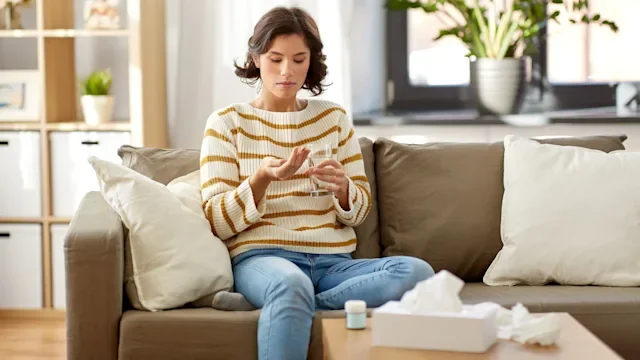
Most people start feeling better within 24 hours of starting antibiotics. But natural remedies and self-care can help ease symptoms while you wait for antibiotics to start working.
Ibuprofen, cold fluids, and humidifiers can help temporarily relieve sore throat symptoms while antibiotics fight off the infection.
Save on related medications
Between the sore throat and the fever, strep throat can be a miserable experience. Even small actions like swallowing can be overwhelmingly painful. If you or a loved one has been diagnosed with strep throat, you may be looking for ways to feel better as soon as possible.
There’s no way to get rid of strep throat immediately. It can take days for antibiotics and your immune system to fight off inflammation and bring lasting relief. In the meantime, here are some self-care tips and home remedies for strep throat that can make you more comfortable.
What is strep throat?
Strep throat (streptococcal pharyngitis) is a bacterial infection of the throat and tonsils caused by the bacteria group A Streptococcus (strep). The bacteria spreads from person to person through respiratory droplets. So, a person with strep throat can pass the bacteria to others anytime they speak, cough, or sneeze.
Strep throat is more common in school-age children. But younger children and adults can get it too — especially if they live or work with school-age children.
What are symptoms of strep throat?
Adults with strep throat often experience:
Fever that comes on all of a sudden
Sore throat that starts all of a sudden
Pain with swallowing
Swollen or tender neck glands
White coating or redness on the back of the throat
Children may experience all of these symptoms. They may also feel tired and refuse to eat or drink because of throat pain.
Adults and children may also develop a rash when they have strep throat, which is sometimes called “scarlet fever.”
Strep throat self-care tips to try at home
Strep throat should be treated with antibiotics to reduce the risk of complications. Most people start to feel better 1 to 2 days after starting antibiotics. But it can take up to 1 week to feel completely back to normal.
In the meantime, you might need some help to keep you comfortable. Here are nine strep throat remedies and self-care tips that can help you feel better while your immune system and antibiotics fight off strep.
1. Take over-the-counter medications
Ibuprofen (Motrin) relieves pain and reduces inflammation, which can make it easier for you to eat and swallow. It will also bring down your temperature if you have a fever.
Start with the lowest recommended dose for your age or weight. If it’s not enough to give you relief, you can increase the dose to the higher end of the recommended dose. Make sure you don’t take more than 1,200 mg of ibuprofen in 24 hours.

Read more like this
Explore these related articles, suggested for readers like you.



For children, the recommended dose of ibuprofen depends on their weight and age. Your healthcare professional can give you the appropriate doses and maximum daily amounts.
You can try acetaminophen (Tylenol) if you can’t take ibuprofen. There’s some data that ibuprofen works better than acetaminophen for relieving sore throat. But if you can’t take ibuprofen, experts agree that it’s worth giving acetaminophen a try.
2. Eat soft and soothing foods
When you have strep throat, the back of your throat is swollen, inflamed, and prone to irritation. Crunchy foods tend to have sharper edges and can make things worse. Spicy, sour, or acidic foods (like citrus) can also worsen your symptoms.
Stick to soft and soothing foods until your throat recovers. Some of the best foods for sore throat include:
Applesauce
Gelatin dessert (Jell-O)
Mashed vegetables
Soup
Broths
Smoothies
Avoid berry smoothies, which contain citrus and can irritate your throat. Make sure soups and broths aren’t too hot so you don’t end up burning your throat.
3. Gargle with warm salt water
Saltwater gargles are an easy and safe home remedy. Prepare a saltwater gargle by mixing ½ tsp of salt in 8 oz of warm water. Take a mouthful, tip your head back, and gargle before spitting the mixture out. The warm salt water can help loosen mucus, soothe irritation, and temporarily relieve pain.
4. Try a lozenge or honey
Lozenges and some throat sprays contain benzocaine or menthol, which can temporarily numb the back of the throat. This can provide you with pain relief so you can drink and sleep more comfortably. Keep in mind that benzocaine can also numb other parts of the mouth, like the cheeks and tongue. It’s not a good idea to eat while numb because you can end up injuring your mouth.
Lozenges are a choking hazard for children. So for children older than 12 months, try a spoonful of honey instead.
Honey works to relieve sore throat pain in adults, too. Not only is honey safe for anyone older than 12 months, but it’s also a completely natural remedy for strep throat symptoms that doesn’t cause any side effects. There’s no limit on daily doses to worry about either — just take a spoonful whenever you need to.
5. Hydrate with cold fluids
Staying hydrated is important when you’re sick — particularly if you aren’t eating well or if you have a fever. Cold fluids do double duty when it comes to treating strep throat. First, cold fluids temporarily numb the throat, providing pain relief. They also help keep you hydrated.
Sip cold fluids throughout the day to soothe your throat. You can stick with plain water or opt for flavored fluids. But avoid citrus. Cold smoothies and ice cream are other options that also provide some calories. If you’re not feeling well enough to stomach these, try ice chips and popsicles.
6. Turn on a humidifier
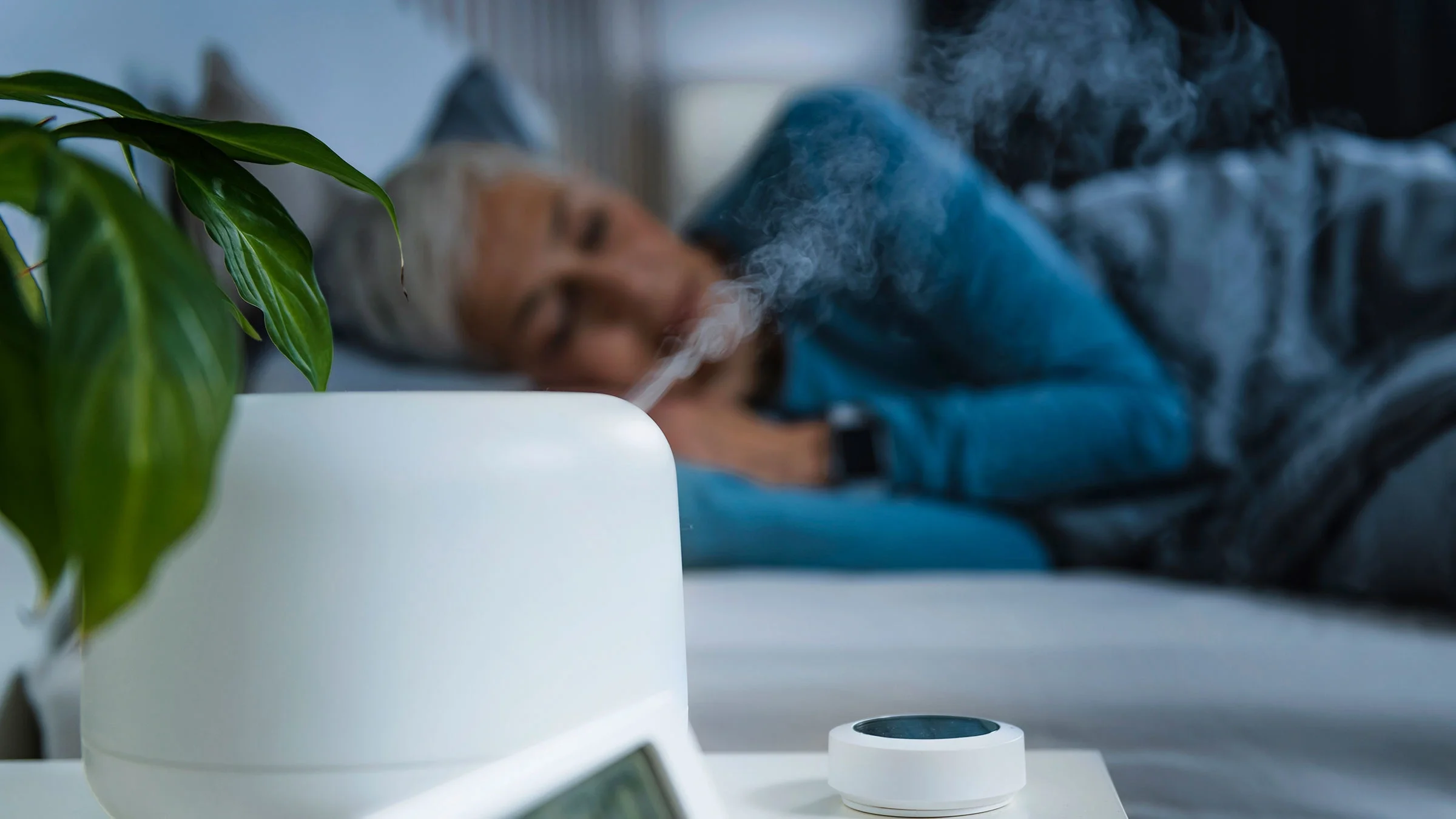
Dry air takes a toll on an inflamed throat. Moist air is easier to breathe in and won’t dry out your already irritated throat.
A humidifier can easily add moisture to the air in any room. If you don’t have a humidifier, you can still take advantage of the soothing benefits of humidified air. Try sitting in your bathroom for a few minutes after a shower to breathe in the steam.
You can also leave a couple of bowls of water out on counters and shelves. The water will evaporate (very, very slowly) if the air is dry. While this isn’t as effective as a humidifier, it still gets a little extra moisture into the air in your home.
7. Avoid irritants
Try to avoid irritating your throat while you’re sick. Pollen, air pollution, and even yelling or speaking loudly can further irritate your throat. Smoking can cause a sore throat even when you don’t have an infection. Inhaling harmful chemicals into a throat that’s already inflamed can cause even more pain. If you’re a smoker, try to quit or reduce the amount you smoke while you recover. And avoid secondhand smoke exposure, too.
8. Get plenty of rest
It can be tough to slow down when you’re sick. But in many cases, “pushing through the pain” when you’re sick can be counterproductive. When you have strep throat, your body’s immune system is working hard to clear the infection. You can help yourself feel better faster by taking time to rest. And getting enough sleep when you’re healthy can help keep your immune system strong.
9. Avoid re-infection
You won’t build lasting immunity to strep after having strep throat. That means you can get sick again pretty quickly if you’re exposed to the bacteria. To lower your risk of getting strep throat again, follow these tips:
Finish your full course of antibiotics.
Wash your hands often.
Throw out the toothbrush you used while sick.
Don’t share food or drinks.
Quiz: Do I have strep throat?
Not sure if you have strep throat? Our quiz can help you figure out if your symptoms are a sign of strep throat.
Can strep throat clear up on its own?
Strep throat can go away on its own over time. But experts still recommend treating strep throat with antibiotics to prevent complications. That’s why you should always seek medical care if you think you have strep throat.
Antibiotics lower your risk of developing complications from strep throat. These complications can be serious and include:
Heart disease
Rheumatic fever
More serious throat infections
Taking antibiotics also makes you less contagious, so you’re less likely to spread strep throat to other people in your home, work, or school.
If you’ve been exposed to someone with strep throat, keep in mind that it takes between 2 and 5 days to develop symptoms. Get tested for strep throat if you start to feel sick during that window of time.
Frequently asked questions
Viruses, allergies, and even acid reflux (heartburn) can cause sore throat. These things can be mistaken for strep throat.
People who start antibiotics stop being contagious after 12 to 24 hours. But if you don’t take antibiotics, you may be contagious for weeks.
Strep throat isn’t worse in adults than in kids, but it’s less common. People of all ages with strep throat should be treated to avoid complications.
Viruses, allergies, and even acid reflux (heartburn) can cause sore throat. These things can be mistaken for strep throat.
People who start antibiotics stop being contagious after 12 to 24 hours. But if you don’t take antibiotics, you may be contagious for weeks.
Strep throat isn’t worse in adults than in kids, but it’s less common. People of all ages with strep throat should be treated to avoid complications.
The bottom line
Strep throat is a bacterial throat infection that causes fever and sore throat. Anyone with strep throat should take antibiotics to prevent severe complications. It takes between 2 and 7 days to feel better from strep throat, even if you take antibiotics.
To help soothe your throat in the meantime, you can try some self-care home remedies. Ibuprofen, menthol lozenges, honey, and cold fluids can give you temporary pain relief. Make sure to stay hydrated by sipping cold fluids, and opt for soft foods that won’t irritate your throat.

Why trust our experts?



References
Bathala, S., et al. (2013). A review on the mechanism of sore throat in tonsillitis. The Journal of Laryngology and Otology.
Centers for Disease Control and Prevention. (2025). About strep throat.
Centers for Disease Control and Prevention. (2025). Clinical guidance for group A streptococcal pharyngitis.
Centers for Disease Control and Prevention. (2025). Preventing group A strep infection.
Geißler, K., et al. (2020). The effect of adjuvant oral application of honey in the management of postoperative pain after tonsillectomy in adults: A pilot study. PLoS One.
Ibarra-Coronado, E. G., et al. (2015). The bidirectional relationship between sleep and immunity against infections. Journal of Immunology Research.
Parmet, S., et al. (2004). Sore throat. JAMA.
Randel, A. (2013). IDSA updates guideline for managing group A streptococcal pharyngitis. American Family Physician.
Renner, B., et al. (2012). Environmental and non-infectious factors in the aetiology of pharyngitis (sore throat). Inflammation Research.
Schachtel, B. P., et al. (1988). Sore throat pain in the evaluation of mild analgesics. Clinical Pharmacology and Therapeutics.
Spinks, A., et al. (2013). Antibiotics for sore throat. Cochrane Database of Systematic Reviews.
Thomas, M., et al. (2000). How effective are treatments other than antibiotics for acute sore throat? British Journal of General Practice.