Key takeaways:
Optometrists are the first line of care for your eye health. They perform routine eye exams, prescribe corrective lenses, and know when a person needs to see an ophthalmologist.
Ophthalmologists are medical doctors that specialize in the care of more complex eye disorders and perform eye surgery if required.
Optometrists and ophthalmologists often work together in the same office and collaborate to provide good, cost-effective eye care.
When it’s time for your annual eye exam, should you see an optometrist or an ophthalmologist? The answer depends on why you’re seeing an eye doctor. Here’s information to help you decide when you need to see an optometrist or an ophthalmologist.
What is an optometrist?
Optometrists are doctors of optometry. They graduate from a 4-year college and a 4-year optometry school. Some go on for specialized training, but most optometrists go into practice after their training is done.
Optometrists are generally regarded as primary care providers and the gatekeepers for your eye health. Optometrists:
Perform comprehensive eye exams
Diagnose common eye problems
Prescribe corrective lenses, including contact lenses
Treat minor eye injuries
Prescribe medications to treat eye conditions (in some states)
Search and compare options
Optometrists can specialize in many different areas of eye care, including:
Pediatric optometry
Geriatric optometry
Vision rehabilitation
Brain injury rehabilitation
Glaucoma
Ocular diseases
What is an ophthalmologist?
Ophthalmologists will either be a doctor of allopathic medicine (MD) or osteopathic medicine (DO). This means they have graduated from a 4-year college and completed 4 years of medical school. They also have completed a 4-year residency that teaches them about general medicine and eye diseases. During this time, they learn to perform surgery on the eye, too. Some go on to focus on specific eye diseases with added training called a fellowship.
Ophthalmologists spend most of their time providing more specialized eye care. But they can also provide routine eye care, like comprehensive eye exams.
What is the difference between optometrists and ophthalmologists?
Aside from their training, the real differences between optometrist and ophthalmologists lie in what each type of eye-care provider can (and can’t) do. Here’s a quick guide.
Optometrist | Ophthalmologist | |
Training | College and 4 years of optometry school | College and 4 years of medical school |
Advanced training | 1-year residency (optional) | 4-5 years of residency (mandatory) plus fellowship years (optional) |
Performs yearly eye exams | Yes | Yes |
Diagnoses eye conditions (glaucoma, cataracts) | Yes | Yes |
Prescribes glasses or contacts | Yes | Yes |
Monitors eye problems that can develop from medical conditions like diabetes or autoimmune conditions | Yes | Yes |
Treats eye conditions with injectable medications and other advanced treatments | No | Yes |
Performs surgery like LASIK, cataract surgery, glaucoma surgery | No | Yes |
Provides pre- and post-surgical care | Yes | Yes |
Conditions treated by both optometrists and ophthalmologists
Optometrists and ophthalmologists treat some similar eye conditions. Who you see depends on how severe the problem is, with whom you feel more comfortable, and who you have access to where you live. Let's take a look at some common examples.
Near- and far-sightedness
Vision problems, such as nearsightedness (myopia) and farsightedness (hyperopia), are the most common reasons to see an eye doctor. Both optometrists and ophthalmologists can diagnose these conditions and prescribe corrective lenses (eyeglasses or contacts).
Most ophthalmologists don’t do this work because they provide more specialized eye care. It’s best to ask the ophthalmologist’s office if the doctor provides this service before making an appointment.
Eye conditions
Optometrists and ophthalmologists may work together to treat common eye conditions like:
Strabismus (cross-eye)

Read more like this
Explore these related articles, suggested for readers like you.



Optometrists often diagnose eye conditions first. They will start treatment for a condition and then ask an ophthalmologist to join in when a person needs more advanced care, like specialized medications, procedures or surgeries, or when their eye condition is getting worse. Optometrists also pick out people at high risk for vision loss from eye conditions and refer them to ophthalmologists so they can start treatment sooner.
When is it better to see an ophthalmologist?
Sometimes, it’s necessary to go straight to an ophthalmologist for eye care.
For example, it's best to get ophthalmological care if you:
Have more advanced or complicated eye conditions
Need specialized studies to diagnose eye problems
Need eye surgery including cataract surgery and LASIK
Have medical conditions that can also cause eye problems, like diabetes, high blood pressure, or autoimmune diseases
Have certain eye problems only seen in children
Need reconstructive surgery to correct problems with the structures around the eye
Have a sudden change in your vision
Sudden changes in eye symptoms
New and sudden changes in your vision always need medical attention. You should get care right away if you develop any of these eye symptoms:
Distorted vision
Decreased or blurry vision (even if temporary)
Double vision
Excessive tearing
Loss of peripheral (side) vision
Halo (color circle) around vision
New floaters (black circles) or flashes of light in vision
If you can get an appointment with an optometrist sooner than an ophthalmologist, it's OK to start there. An optometrist can examine your eyes and quickly refer you to an ophthalmologist if you need specialized care. If you aren't sure where to go or can't reach an eye care professional, seek care at an urgent care center, emergency department, or with your primary care provider. They can evaluate your symptoms and help you get the right eye care as quickly as possible.
Accessing eye care
Where you live and whether you have healthcare coverage may play a role in whether you see an optometrist or ophthalmologist for your eye health.
Location
There are more optometrists than ophthalmologists in the U.S. Ophthalmologists are usually located in larger cities and associated with academic medical centers. In many states, optometrists have more advanced training in order to provide more specialized care. With this training, studies show that optometrists make similar recommendations as ophthalmologists.
Cost and coverage
Health insurance covers most eye care provided by ophthalmologists, though deductibles and copays will apply. Some people purchase vision insurance to help with costs of routine eye exams, eyeglasses, and contact lenses. Some flexible spending accounts (FSA) or health savings accounts (HSA) cover vision-related expenses including:
Routine eye exams
Prescription eyeglasses and contact lenses
LASIK surgery
Eye-care accessories like contact lens solution
Eye drops and other eye medications
Your plan information will include details on which eye-care products are eligible for FSA or HSA.
How do optometrists and ophthalmologists work together?
Optometrists are often the first healthcare professionals you see for your eye care. They can diagnose and treat many common eye conditions and know when it's time to refer you to an ophthalmologist. Optometrists and ophthalmologists sometimes work together in the same practice to provide seamless care. Even when they work in different offices, they often communicate and share information so you get the care you need.
In areas with fewer eye care specialists, programs like Project ECHO (Extension for Community Healthcare Outcomes) help optometrists learn from ophthalmologists and other experts. This teamwork can improve access to specialized eye care, even in rural or underserved communities.
How does an optician fit into the eye-care team?
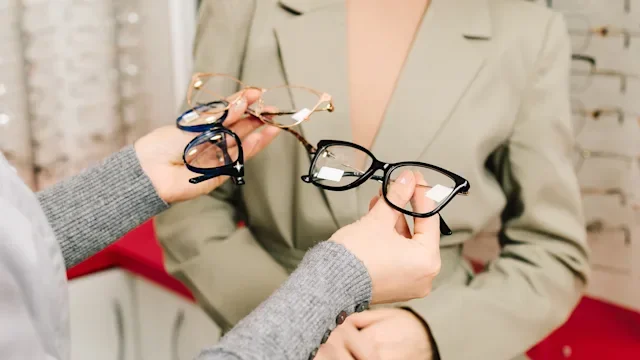
An optician is an eyewear specialist who helps turn your prescription into the right pair of glasses or contact lenses. They help you choose frames and lenses, make sure your glasses fit properly, and adjust or repair them when needed. Some opticians also make or finish lenses, while others place orders with a lab. Training varies by state, but many opticians complete a certificate program or an apprenticeship before working with patients.
The bottom line
Your eye care starts with deciding whether to see an optometrist versus an ophthalmologist. This can be easy if you understand the differences between an optometrist and ophthalmologist. Often, they work together to ensure that you have healthy eyes, and who to see depends on what you need. For a general eye exam and eyeglass prescriptions, an optometrist is the right place to start. Optometrists may refer you to an ophthalmologist if you need specialized care or surgery. This collaboration can be cost-effective and provide optimal care for your eyes.

Why trust our experts?



References
American Association for Pediatric Ophthalmology and Strabismus. (2019). Difference between an ophthalmologist, optometrist and optician.
American Optometric Association. (n.d.). What’s a doctor of optometry?
Association of Schools and Colleges of Optometry. (n.d.). What is an optometric residency?
Bartlett, R., et al. (2020). Agreement between ophthalmologists and optometrists in the certification of vision impairment. Eye.
Becker’s healthcare. (2012). 10 statistics and facts about ophthalmology and ophthalmologists.
Churchill, J., et al. (2022). What is an ophthalmologist? American Academy of Ophthalmology.
Harthan, J. S., et al. (2016). Diagnosis and treatment of anterior uveitis: Optometric management. Clinical Optometry.
Miller, D. D., et al. (2020). Differences in characteristics of Medicare patients treated by ophthalmologists and optometrists. Public Library of Science One.
Sprabary, A. (2019). What can I spend FSA dollars on? All About Vision.
Todd, D., et al. (2020). Agreement in clinical decision-making between independent prescribing optometrists and consultant ophthalmologists in an emergency eye department. Eye.
Williams, M., et al. (2018). Creating a virtual community of practice: An evaluation of ophthalmology-optometry Project ECHO. Eye.