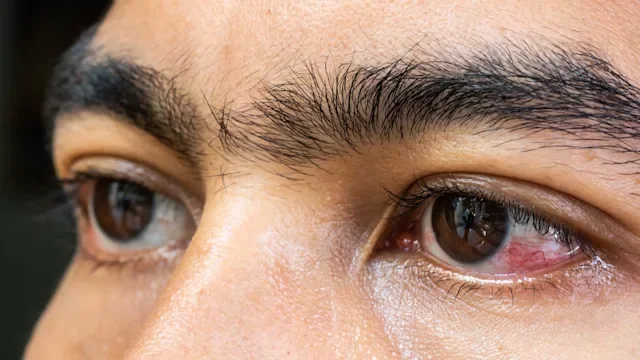
Key takeaways:
Lens dislocation is an uncommon complication that can happen after cataract surgery. It needs immediate medical attention.
Symptoms of lens dislocation include blurry vision, eye pain, and seeing halos.
Contact your ophthalmologist right away if you develop symptoms of lens dislocation.
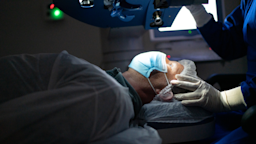
Cataract surgery is one of the most common surgeries performed worldwide. During cataract surgery, your cloudy natural lens (cataract) is removed and replaced with an artificial lens called an intraocular lens (IOL). Cataract surgery is safe and effective, but complications can happen.

One risk of cataract surgery is dislocation of the artificial intraocular lens. The lens can dislocate soon after cataract surgery or, in some cases, years down the road. It’s an uncommon complication, but it needs immediate medical attention.
Here are the signs of lens dislocation and what you should do next if you have them.
Search and compare options
What are the symptoms of intraocular lens dislocation?
Intraocular lens dislocation can cause eye symptoms and vision changes. If you’ve had cataract surgery in the past and you notice any of these symptoms — even if you have them for short periods of time — see your eye doctor as soon as possible.
1. Blurred vision
Blurred vision is a common sign of lens dislocation. This happens because the lens is no longer in the proper position, so it’s unable to focus light properly onto your retina. This leads to blurry vision that may fluctuate throughout the day.
2. Double vision in one eye
If the artificial lens moves a little bit, you can develop double vision in that eye. You might also see “ghost images” in that eye. This visual disturbance makes it seem like there’s a second, but incomplete, image around that object you’re looking at. Both double vision and ghost images disappear when you close the eye that has an artificial lens and look through your other eye.
3. Seeing the edge of the lens
If your artificial lens has moved out of place, you may actually be able to see its edge. You may only see the edge of the lens in certain situations, like:
Lying down
Being in a dim room
When light hits the lens in a certain way
4. Eye pain
Lens dislocation can cause eye pain. The dislocated lens can start to rub the iris, the colored part of the eye. This can lead to painful inflammation and increased eye pressure. Some people may also experience headaches along with eye pain.
5. Halos and glare
Glare sensitivity and halos around lights can be signs of a dislocated lens. You may have had these symptoms before surgery because they’re common symptoms of cataracts.
If you had glare sensitivity or halos before your surgery and they’ve now returned, see your eye doctor. This could be a sign of a dislocated lens.
How does lens dislocation happen?
There are two ways that an artificial lens can dislocate:
Damage to the bag that holds the lens: The intraocular lens (IOL) rests inside a bag. If the bag tears, the lens can move into the vitreous cavity, the back segment of your eye.
Damage to the eye fibers: The bag and the lens are held in place by fibers called zonules. The zonules attach to the bag on one end and the eye on the other end. If the zonules rip or tear, both the bag and the lens can move out of place.

Read more like this
Explore these related articles, suggested for readers like you.



You’re more likely to develop lens dislocation if you have a history of anything that can weaken or damage zonules, such as:
Retinal surgery
Pseudoexfoliation
A connective tissue disease, like Marfan syndrome
Eye injury or trauma
How common is lens dislocation after cataract surgery?
Lens dislocation after cataract surgery is uncommon. Studies estimate that it happens in about 0.2% to 3% of people who have cataract surgery. Although it can happen soon after surgery, it’s more likely to happen years later. In one study, the average time between cataract surgery and lens dislocation was about 7 years.
How do you diagnose a dislocated lens?
Your ophthalmologist will perform a complete eye exam to diagnose a dislocated lens. They’ll check your vision and measure the pressure inside your eye. They’ll also use eye drops to widen (dilate) your pupils so they can see where the artificial lens has moved. In some cases, your ophthalmologist may use an ultrasound to get a better view of the lens and other structures inside your eye.
Is a dislocated lens serious?
Yes, a dislocated lens is a serious condition. If it isn’t fixed, it can lead to problems like high eye pressure, eye pain, and permanent vision loss. The lens can also rub on your iris and cause inflammation in your eye. If the lens falls to the back of your eye, it can lead to retinal damage, including retinal detachment.
What should you do if you think you have a dislocated lens?
You should see your eye doctor as soon as possible if you have symptoms of a lens dislocation, even if it has been years since your cataract surgery. Your eye doctor can determine whether your lens has dislocated or if another eye condition is causing your symptoms.
How do you treat a dislocated lens following cataract surgery?
Treatment for a dislocated lens depends on how far the lens has moved. If the lens has only shifted a little and it isn’t affecting your vision, your ophthalmologist may recommend regular follow-up visits to make sure it doesn’t move farther out of place.
If the lens is causing vision problems or has moved significantly, you’ll likely need surgery. In some cases, your ophthalmologist can move the lens back into the correct position. In other cases, the lens needs to be removed and replaced with a new one.
Because the tissues that normally support the lens may no longer be strong enough, a repeat surgery is often more complex than the original cataract surgery.
Frequently asked questions
A dislocated lens needs prompt medical attention. Contact your ophthalmologist or eye care team right away if you notice vision changes, eye pain, or new glare or halos around lights. A dislocated lens can happen soon after cataract surgery or many years later. So don’t ignore these symptoms, no matter how long it’s been since your procedure.
Most people don’t need to wear sunglasses indoors after cataract surgery. But if you have light sensitivity after cataract surgery, wearing sunglasses indoors may make watching TV or using a computer more comfortable. Light sensitivity usually improves quickly after cataract surgery.
When you’re outdoors, you should wear sunglasses that block UV rays to protect your eyes from damage. This is recommended for everyone after cataract surgery, even after you’ve fully recovered.
A dislocated lens needs prompt medical attention. Contact your ophthalmologist or eye care team right away if you notice vision changes, eye pain, or new glare or halos around lights. A dislocated lens can happen soon after cataract surgery or many years later. So don’t ignore these symptoms, no matter how long it’s been since your procedure.
Most people don’t need to wear sunglasses indoors after cataract surgery. But if you have light sensitivity after cataract surgery, wearing sunglasses indoors may make watching TV or using a computer more comfortable. Light sensitivity usually improves quickly after cataract surgery.
When you’re outdoors, you should wear sunglasses that block UV rays to protect your eyes from damage. This is recommended for everyone after cataract surgery, even after you’ve fully recovered.
The bottom line
Lens dislocation is a rare but serious complication of cataract surgery. Symptoms include blurred vision, eye pain, and glare. Lens dislocation can happen months, years, or even decades after cataract surgery.
Lens dislocation needs treatment to prevent vision damage. Your eye doctor can diagnose a lens dislocation with a complete eye exam and offer treatment options.

Why trust our experts?



References
Boyd, K. (2023). What are cataracts? American Academy of Ophthalmology.
Garabet, C., et al. (2023). Dislocated intraocular lens. EyeWiki.
Hura, A. S., et al. (2025). What are cataracts? American Academy of Ophthalmology.
Kristianslund, O., et al. (2021). Late in-the-bag intraocular lens dislocation. Journal of Cataract and Refractive Surgery.
Mönestam, E. (2019). Frequency of intraocular lens dislocation and pseudophacodonesis, 20 years after cataract surgery – A prospective study. American Journal of Ophthalmology.
Riedl, J. C., et al. (2023). Intraocular lens dislocation: Manifestation, ocular and systemic risk factors. International Ophthalmology.
WillsEye Hospital. (n.d.). Dislocated intraocular lens.