Key takeaways:
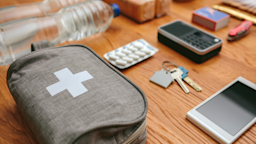
You can easily build your own first-aid kit to be prepared for different kinds of injuries, including cuts, burns, sprains, and more.
A first-aid kit for summer can also include aloe vera gel for sunburns, numbing spray or cream to treat insect bites, and extra water to help prevent dehydration.
After you add basic first-aid supplies, customize your kit by including emergency contact information, personal medications, and medical information about family members.
Have you ever found yourself with a bleeding cut, only to realize you’re out of bandages? A quick run to the pharmacy is never fun during an urgent situation. That’s when having a first-aid kit on hand can be very helpful.
First-aid kits can be even more important in the summer, when people spend more time outdoors and tend to be more active — putting them at higher risk for injuries.
To be ready for life’s unexpected scrapes and bumps, here are 15 essentials to keep in your first-aid kit.
Search and compare options
1. Wound care supplies
Important wound care items to include in your first-aid kit include:
Adhesive bandages (such as Band-Aids): Include a variety of sizes. And keep in mind that although latex bandages attach well to the skin, some people are sensitive to latex. So, it’s a good idea to include some latex-free bandages as well.
Gauze pads: Here, it also helps to have a few different sizes. Ideally, you have a mix of 2-by-2 inch and 4-by-4 inch gauze pads. Consider adding a few nonstick gauze pads, which can help with injuries like scrapes or burns.
Adhesive cloth tape: This is helpful for attaching gauze pads to the skin and creating a proper dressing. A 1-inch width is a good size to have in a first-aid kit.
Elastic wraps: You can wrap these around an area of muscle strain or sprain to provide compression and help reduce swelling. You can also wrap them around an adhesive bandage or dressing to keep it firmly in place.
2. Ointments and creams
Ointments and creams to keep in your first-aid kit should include:
Antibiotic ointment or cream: Not every cut needs an antibiotic ointment. If the cut is small and clean, rinsing it with running water, cleaning around it with soap, and covering it with a clean bandage is usually enough to prevent infection. But antibiotic ointments may help for wounds at higher risk of infection, such as dirty wounds or puncture wounds.
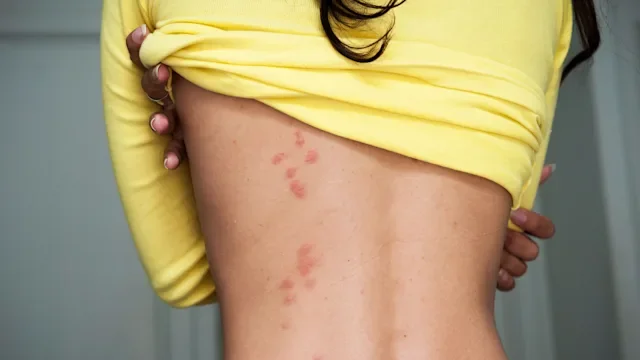
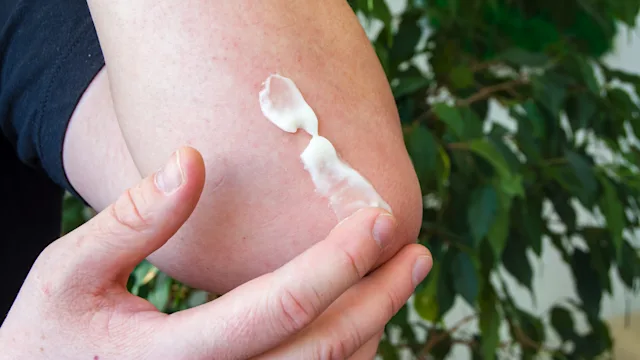
Hydrocortisone cream or ointment: Hydrocortisone can help treat a variety of rashes, from bug bites and poison ivy to allergic skin reactions (contact dermatitis).
3. Oral medications
It’s a good idea to include certain basic medications to help in emergency situations:
Pain relievers: Acetaminophen (Tylenol) and ibuprofen (Advil or Motrin) can be useful for headaches, muscle aches, minor injuries, or fevers. Consider having a liquid version on hand for children.
Antihistamines: Medications like diphenhydramine (Benadryl) can help with allergy symptoms, such as itching, hives, swelling, or reactions to insect bites and stings.
Aspirin: Aspirin can be lifesaving in cases of a suspected heart attack. If someone has new or unexplained chest pain or might be having a heart attack, call 911 for emergency medical help. The first responders may ask you to give aspirin in certain situations.
4. Tools and equipment
Here are some tools and equipment to include in your first-aid kit:
Scissors: A small pair of scissors can be helpful for cutting wound dressings down to the right size, cutting cloth tape, and opening packages.
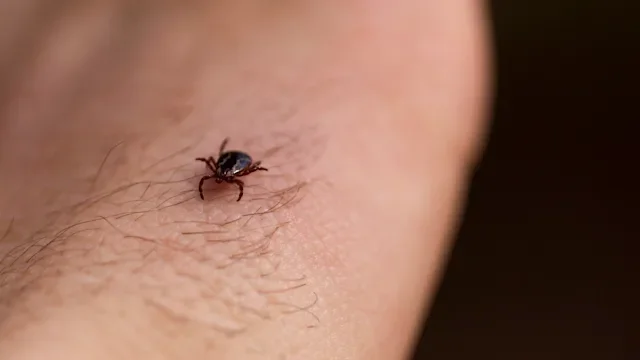
Tweezers: Tweezers can help you remove splinters, ticks, or insect stingers. Stainless-steel tweezers (not plastic) are best, since they’re durable and easy to sterilize. Some people like to have a couple different types. Tweezers with a slanted tip are best for removing splinters, while tweezers with a pointed tip are best for removing ticks.
Alcohol wipes: Alcohol wipes are great for sterilizing equipment (like tweezers) or cleaning intact skin. But avoid using rubbing alcohol to clean an open wound. It can damage healthy tissue and may slow healing.
Gloves: Include two pairs of non-latex gloves. Consider including different sizes of gloves, depending on the size of the people most likely to use the first-aid kit.
Thermometer: A thermometer can help you check for a fever. Avoid glass thermometers since they can shatter. If your thermometer is battery operated, make sure to include batteries in your first-aid kit.
Printed first-aid instructions: The Red Cross put together an easy-to-understand first-aid reference guide with instructions for emergency situations like choking, heart attacks, strokes, allergic reactions, and burns. This doesn’t replace CPR and first-aid training, but keeping a reference guide can help guide you in a true emergency.
Customize your first-aid kit
Now that you have your essential first-aid kit supplies, you can customize your kit to further suit your needs. Here are some items to consider:
An information sheet with details about each family member’s medical conditions
Emergency phone numbers, like for the local fire department, poison control, healthcare professionals, and an emergency contact
Extra medications for specific family members, such as a spare epinephrine injection for someone with anaphylaxis, an extra inhaler for a person with asthma, or cold/flu medications
What to include in a summer first-aid kit
In addition to essential first-aid supplies, a summer first-aid kit can also include:
Aloe vera gel to help soothe sunburns
Insect repellent such as DEET or a natural repellent to prevent bites
Numbing spray or cream containing lidocaine to treat pain or itching from sunburns, scrapes, or insect bites

Read more like this
Explore these related articles, suggested for readers like you.


Where to store a home first-aid kit?
Store your home first-aid kit in a central location that’s easy to access. It’s best to avoid a humid environment like the bathroom. The kitchen is often a good place, since many injuries tend to happen in the kitchen.
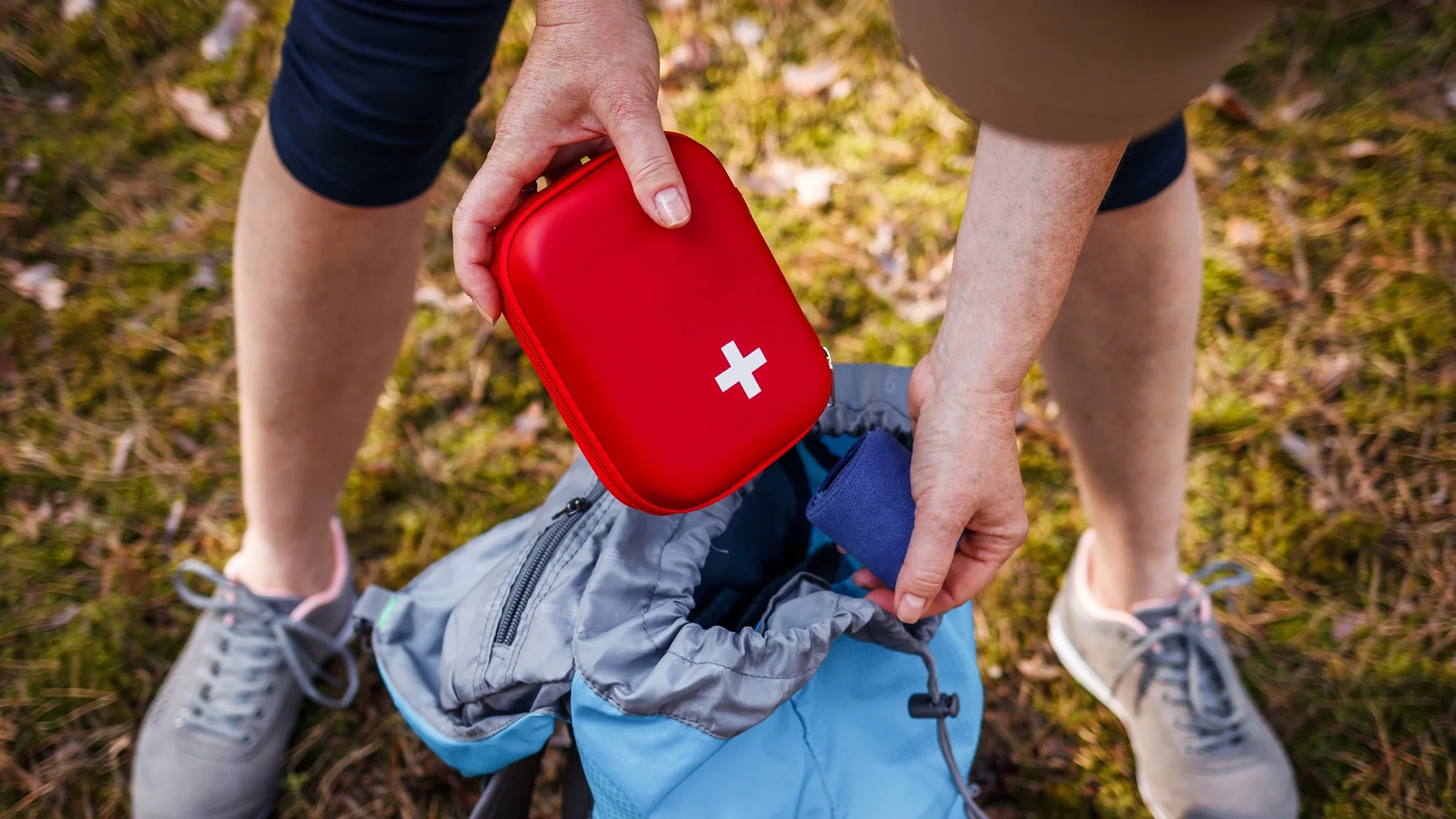
Consider putting an additional first-aid kit in your car so you can be prepared for injuries that happen on the go. You also might want to have a smaller first-aid kit to add to the family backpack so you can bring it when you’re out and about.
Wherever you choose to store your first-aid kit, label it clearly and make sure that all family members know where to find it.
Frequently asked questions
A Type 1 first-aid kit is designed for indoor workplaces or schools. It’s meant to be kept in a permanent, protected location — such as mounted on a wall.
Yes, items within a first-aid kit can expire or become less effective over time. Medications and antiseptic/antibiotic products usually come with expiration dates printed on the packaging. Tape and bandages don't have expiration dates, but they can lose their adhesive strength over time. And sterile items need to be replaced if they get wet or soiled.
The American Red Cross recommends checking your first-aid kit at least once a year and replacing any products that are expired or damaged.
A Type 1 first-aid kit is designed for indoor workplaces or schools. It’s meant to be kept in a permanent, protected location — such as mounted on a wall.
Yes, items within a first-aid kit can expire or become less effective over time. Medications and antiseptic/antibiotic products usually come with expiration dates printed on the packaging. Tape and bandages don't have expiration dates, but they can lose their adhesive strength over time. And sterile items need to be replaced if they get wet or soiled.
The American Red Cross recommends checking your first-aid kit at least once a year and replacing any products that are expired or damaged.
The bottom line
It’s always good to be prepared for life’s unanticipated emergencies, both big and small. Preparing your own first-aid kit can make sure that you have the necessary supplies for your family’s needs. And adding a few customized extras for the summer months lets you relax and enjoy those summer activities. This way, you can rest easy knowing that if someone runs up to you with a scraped knee, you’ll be ready.

Why trust our experts?




References
American Red Cross. (n.d.). Emergency first-aid guide.
American Red Cross. (n.d.). Make a first-aid kit.
American Red Cross. (2024). 2024 American Heart Association and American Red Cross guidelines for first aid.
American Red Cross. (2024). Is your first aid kit expired?
Ortega-Llamas, L., et al. (2022). Cytotoxicity and wound closure evaluation in skin cell lines after treatment with common antiseptics for clinical use. Cells.