Key takeaways:
The symptoms of Lyme disease depend on the stage of the infection. Symptoms can also vary a lot from person to person.
The most common early symptom of Lyme disease is a red, circular rash around the site of the tick bite. Some people also experience a fever, headache, and body aches.
As Lyme disease progresses, it can affect your nervous system and heart.
Late-stage symptoms often include joint pain and swelling.
Lyme disease is the most common tick-borne illness in the U.S. Without timely treatment, the infection can progress and cause long-term health complications. The symptoms of Lyme disease change depending on the stage of the infection and how long it has been living inside your body. This article goes through Lyme disease symptoms in both the early and later stages of the disease.
How do you get Lyme disease?
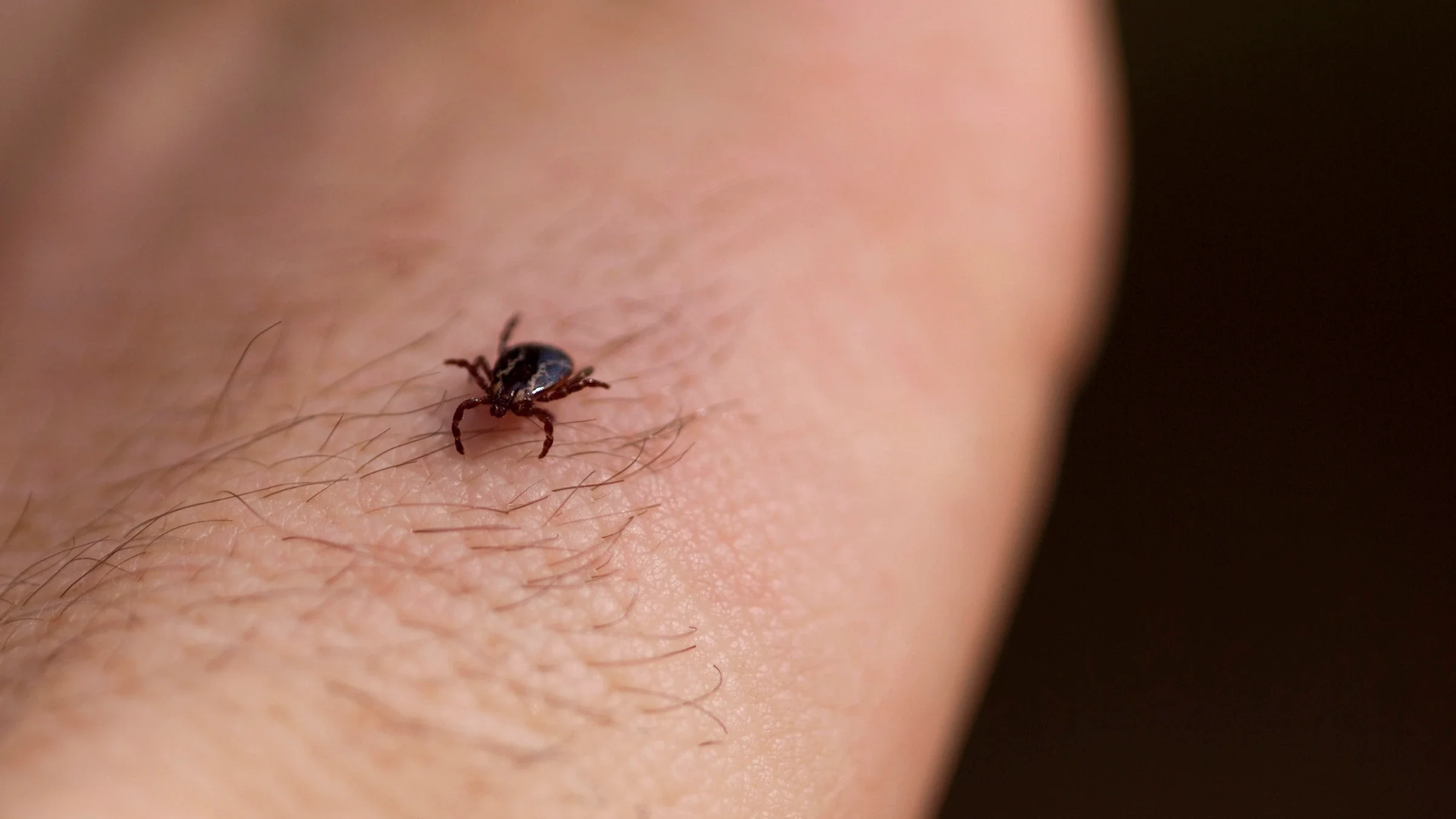
You can only get Lyme disease from the bite of a tick that carries a specific bacteria:
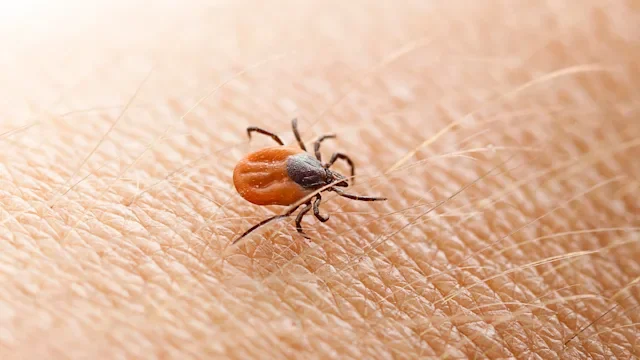
The tick: There are a few different types of ticks that carry Lyme disease. All of them belong to the Ixodes species. They’re more commonly referred to as “black-legged ticks” or “deer ticks.”
The bacteria: There are a few different bacteria that can cause Lyme disease. But the most common is called Borrelia burgdorferi. The tick carries the bacteria inside of its body.
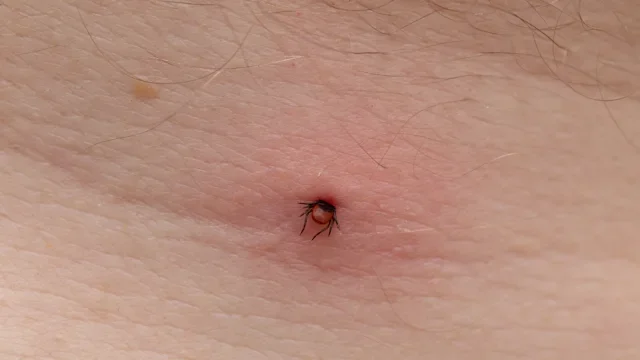
When a tick bites a person, it stays latched to the skin and slowly feeds on blood. If an infected tick stays latched on for a day or more, the bacteria have the chance to move from the tick into the person’s body.
Here are a few more key facts to know about how you get Lyme disease:
In the U.S., most cases of Lyme disease occur in the Northeast (from Maine to Virginia) and the Midwest (Minnesota and Wisconsin). But cases have been reported all across the U.S.
Most infections are caused by young ticks. This is likely because they’re small (often less than 2 mm long) and harder to see.
Infections are most common in the spring and summer, when young ticks are most active.
Cases are more common in forested areas and suburbs than in inner cities.
An infected tick usually needs to be attached to your skin for more than 24 hours to transfer the bacteria.
Many people who get Lyme disease never notice the initial tick bite. This is why it’s important to recognize the symptoms of the disease.
What are the earliest symptoms of Lyme disease?
The earliest symptoms of Lyme disease are usually a rash and flu-like symptoms.
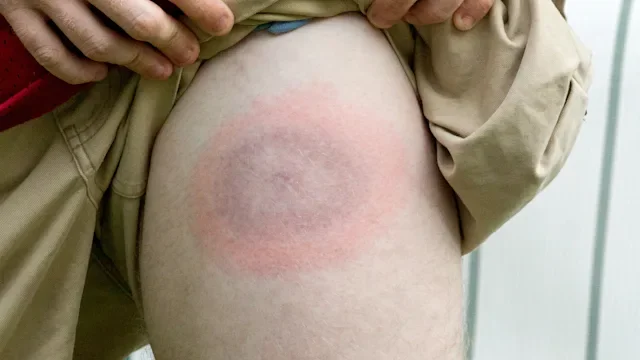
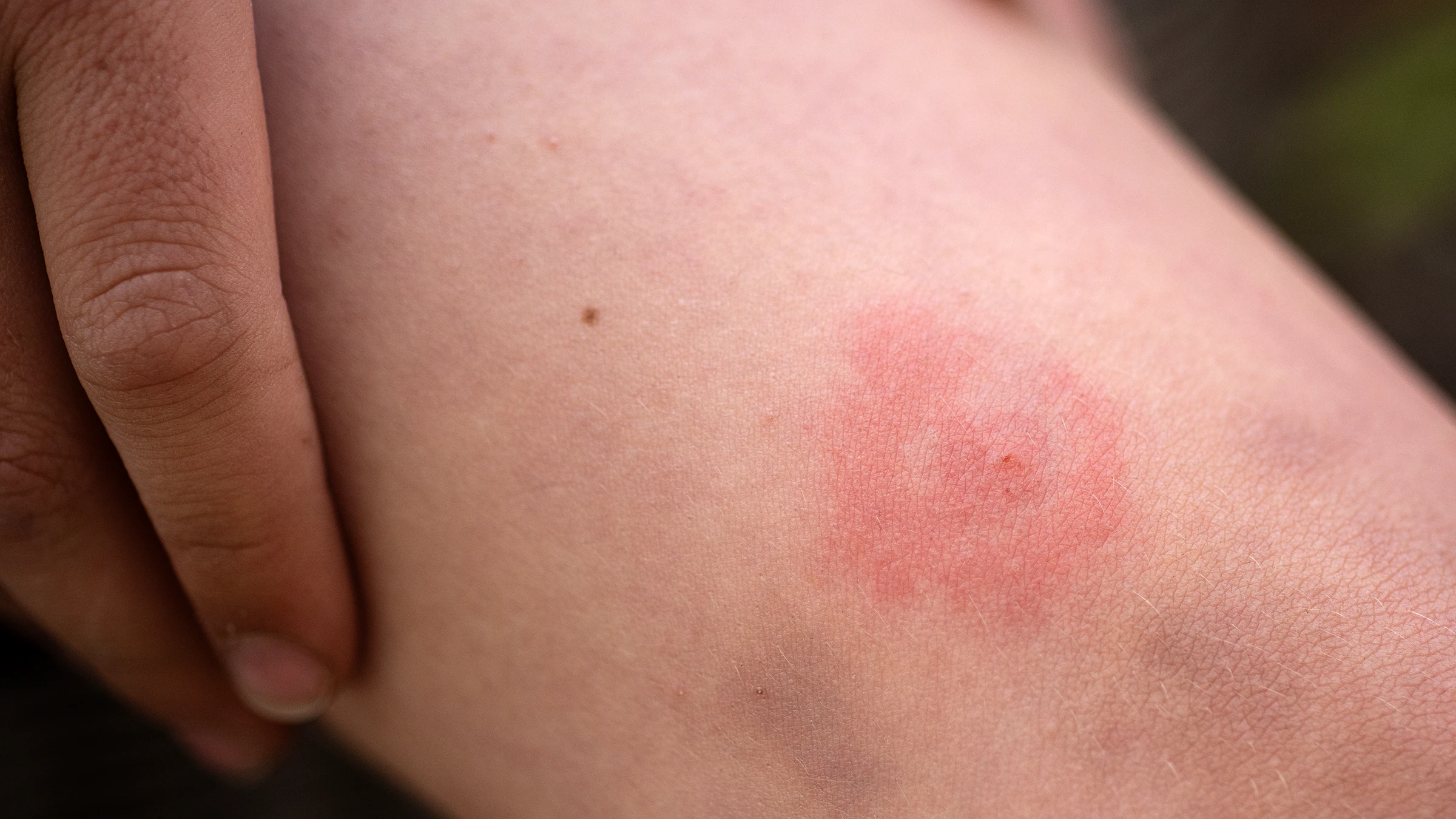
Lyme disease causes a characteristic rash that develops at the site of the tick bite, usually about 1 to 2 weeks after the tick bite. The rash:
Looks like a red, circular rash that expands outward from the bite site
Often forms concentric rings that look like a target or bullseye, but not always
Can burn or itch, although most people don’t feel any discomfort
Can last for 2 to 3 weeks if left untreated
Doesn’t occur in everyone (only about 3 out of 4 people who get Lyme disease develop the rash)
Some people also experience flu-like symptoms during the earliest stages of Lyme disease, including:
Low-grade fever
Fatigue
Headache
Body aches
Neck stiffness
Eye redness and tearing
Keep in mind that some people don’t develop noticeable symptoms during the earliest stages of the infection. Some research estimates that up to half of people infected with Lyme disease don’t develop any symptoms.
What does the Lyme disease rash look like?
The Lyme disease rash looks like a red circle that expands out from the site of the tick bite. Sometimes it forms rings that look like a bullseye. Other times, it can just look like a solid red circle without any rings.
How does Lyme disease progress?
Without treatment, Lyme disease progresses to the next stage of disease. This stage is sometimes called “stage 2” or the “disseminated stage” of Lyme disease. During this stage, the bacteria start to spread and affect other parts of your body. More specifically, it can affect your nervous system, heart, and eyes.
This stage can develop weeks to months after the initial infection. The symptoms associated with the progression of Lyme disease can include:
Fever
Dizziness
Headache
Weakness, numbness, or nerve pain in your arms and legs
Bell’s palsy (paralysis of the muscles on one side of your face)
Chest pain or palpitations
Shortness of breath
Conjunctivitis (eye redness and irritation)
Eye pain or vision changes
A return of the rash in multiple different areas of your body
What are the later symptoms of Lyme disease?
Later symptoms of Lyme disease can start months to years after the initial infection. For some people, these will be the first symptoms they notice.
Later symptoms of Lyme disease can include:
Arthritis (joint pain and swelling), most commonly in one or both knees
Difficulty with thinking, concentration, or memory
Personality or mood changes
Specific areas of pain, weakness, or numbness in the limbs
In rare cases, Lyme disease can cause more serious problems, including:
Difficulty walking
Seizures
Weakness on one side of your body
Hearing loss
When should you see a doctor about Lyme disease symptoms?
If you have symptoms of Lyme disease, the next step is to see a healthcare professional. A primary care provider is the best place to start. If you don’t have access to one, an urgent care or ER can also help.
Lyme disease is treatable with antibiotics at any stage. But the sooner you can start on treatment, the better.
If you removed a tick from your skin, don’t wait to see if you develop symptoms of Lyme disease. You should still see a healthcare professional right away. In certain circumstances, a single dose of antibiotics may be recommended to help prevent Lyme disease.
Frequently asked questions
Because the symptoms of Lyme disease can be both varied and vague, it’s often mistaken for other health conditions. A few common examples include:
Other tick-borne illnesses like Rocky Mountain spotted fever, babesiosis, and ehrlichiosis
Cellulitis, a simple skin infection
Autoimmune conditions, like rheumatoid arthritis, lupus, and fibromyalgia
Neurologic conditions, like multiple sclerosis
Chronic fatigue syndrome and other post-viral syndromes. like long COVID
Yes, Lyme disease is curable with antibiotic treatment. But the sooner you get treatment, the better. Late-stage Lyme disease may require longer or multiple courses of treatment. Even with treatment, some people may still have long-term health complications or symptoms.
Lyme disease is rarely fatal. There are a few case reports in the U.S. of people dying from Lyme disease. These occurred when Lyme disease had a severe impact on the heart muscle. But there have only been a handful of these cases since the disease was first discovered in the 1970s.
Because the symptoms of Lyme disease can be both varied and vague, it’s often mistaken for other health conditions. A few common examples include:
Other tick-borne illnesses like Rocky Mountain spotted fever, babesiosis, and ehrlichiosis
Cellulitis, a simple skin infection
Autoimmune conditions, like rheumatoid arthritis, lupus, and fibromyalgia
Neurologic conditions, like multiple sclerosis
Chronic fatigue syndrome and other post-viral syndromes. like long COVID
Yes, Lyme disease is curable with antibiotic treatment. But the sooner you get treatment, the better. Late-stage Lyme disease may require longer or multiple courses of treatment. Even with treatment, some people may still have long-term health complications or symptoms.
Lyme disease is rarely fatal. There are a few case reports in the U.S. of people dying from Lyme disease. These occurred when Lyme disease had a severe impact on the heart muscle. But there have only been a handful of these cases since the disease was first discovered in the 1970s.
The bottom line
The symptoms of Lyme disease change as the condition progressions. In the early stages, the most common symptoms are a rash around the tick bite and flu-like symptoms. Without treatment, later stages can affect your nervous system, heart, and eyes. But the symptoms can vary a lot from person to person.
If you have been bitten by a tick or think you may have symptoms of Lyme disease, talk to a healthcare professional about your concerns. Lyme disease is treatable at any stage. In some cases, treatment may even help prevent the disease from developing after a high-risk tick exposure.

Why trust our experts?



References
Forrester, J. D., et al. (2014). Notes from the field: Update on Lyme carditis, groups at high risk, and frequency of associated sudden cardiac death--United States. MMWR.
Halperin J. J. (2015). Chronic Lyme disease: misconceptions and challenges for patient management. Infection and Drug Resistance.
Skar, G.L., et al. (2024). Lyme disease. StatPearls.
U.S. Centers for Disease Control and Prevention. (2025). Lyme disease case maps.